You've received a production estimate that looks perfect - the price is right, the timeline works, and you're ready to move forward. But that initial excitement can quickly turn to frustration when unexpected charges start appearing. What are these hidden costs that rarely appear in initial quotes but can significantly impact your final bill?
Hidden costs in garment manufacturing estimates are additional charges that aren't clearly disclosed upfront but emerge during production. These can include sampling fees, testing charges, currency exchange fees, and various compliance costs that can increase your final bill by 15-30% if not properly identified and negotiated beforehand. Understanding these potential extra costs is crucial for accurate budgeting and maintaining healthy profit margins.
Let's uncover the most common hidden costs in garment manufacturing and how you can protect your business from budget surprises.
What Sampling and Development Costs Are Often Overlooked?
Sampling is an essential part of the development process, but the costs can quickly accumulate beyond what's included in your initial estimate.
Many manufacturers include only the first sample in their base price, leaving subsequent samples and modifications as additional charges that can surprise unprepared brands.
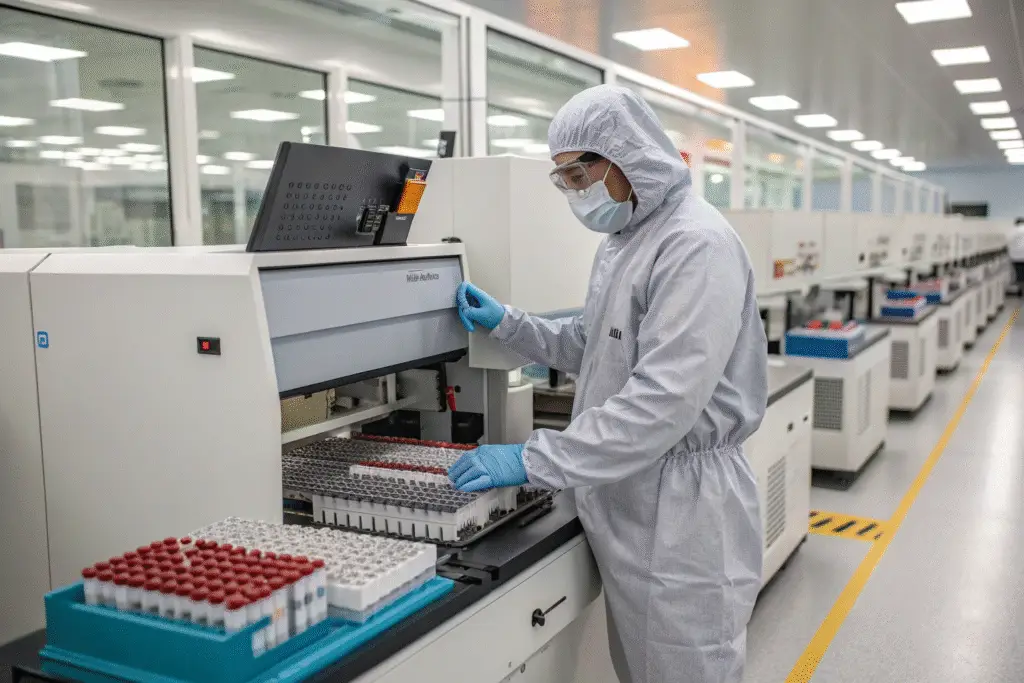
How many samples will you actually need?
Most projects require multiple sample stages: proto sample, fit sample, photo sample, and pre-production sample. While manufacturers might include the first sample in their development fee, subsequent samples typically cost $50-200 each. We recently worked with a sportswear brand that budgeted for two samples but ultimately needed four rounds of fit samples to perfect their athletic leggings. The additional samples added $420 to their development costs - an expense they hadn't anticipated in their initial budget. Understanding the sampling process and its potential costs helps you budget more accurately.
What technical development costs might appear later?
Technical package revisions, pattern adjustments, and spec sheet updates often incur additional charges. If your initial tech pack lacks detail or requires significant modifications during development, these costs can accumulate quickly. A contemporary brand we worked with discovered their tech pack omitted critical grading rules for plus sizes, resulting in $650 in additional pattern-making fees. Ensuring your initial tech pack is comprehensive can prevent these unexpected technical costs.
Which Quality and Compliance Charges Typically Emerge Later?
Quality assurance and compliance testing are essential for delivering safe, durable products, but their costs are frequently underestimated or omitted from initial estimates.
These costs include various testing protocols, certification requirements, and factory audit expenses that ensure your products meet market standards.
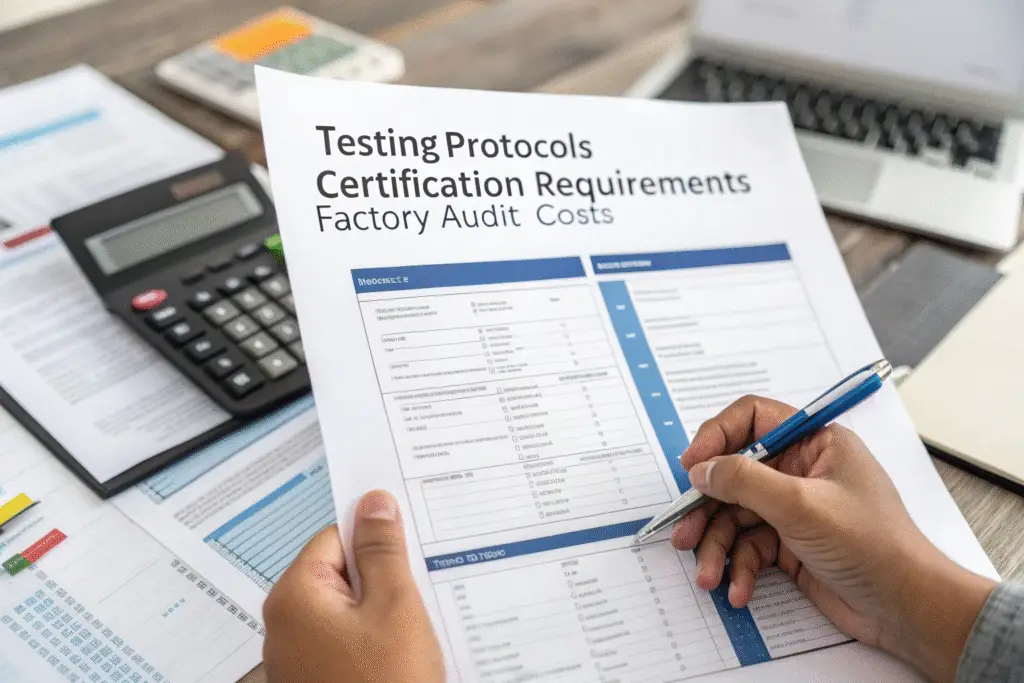
What testing requirements might increase your costs?
Common testing includes fabric quality tests, colorfastness assessment, and compliance with safety standards like REACH or CPSC regulations. While basic testing might be included, specialized tests often come with additional fees. We encountered a children's sleepwear brand that faced unexpected flammability testing charges of $850 because their initial estimate only included basic fabric composition testing. Understanding your market's specific compliance requirements helps you anticipate these necessary but often overlooked costs.
Are factory compliance audits included in your price?
Social compliance audits, environmental certifications, and factory capability assessments often represent separate charges. Many manufacturers don't include these in their base pricing since not all clients require them. A sustainable brand we work with was surprised by a $1,200 charge for a SMETA audit they requested to verify ethical production practices. While valuable for their marketing, this cost hadn't been factored into their initial budget calculations.
What Logistics and Shipping Costs Are Commonly Hidden?
The journey from factory floor to your warehouse involves multiple handling stages, each with potential for unexpected charges beyond basic freight costs.
These logistics expenses can include documentation fees, port charges, and various handling fees that accumulate throughout the shipping process.
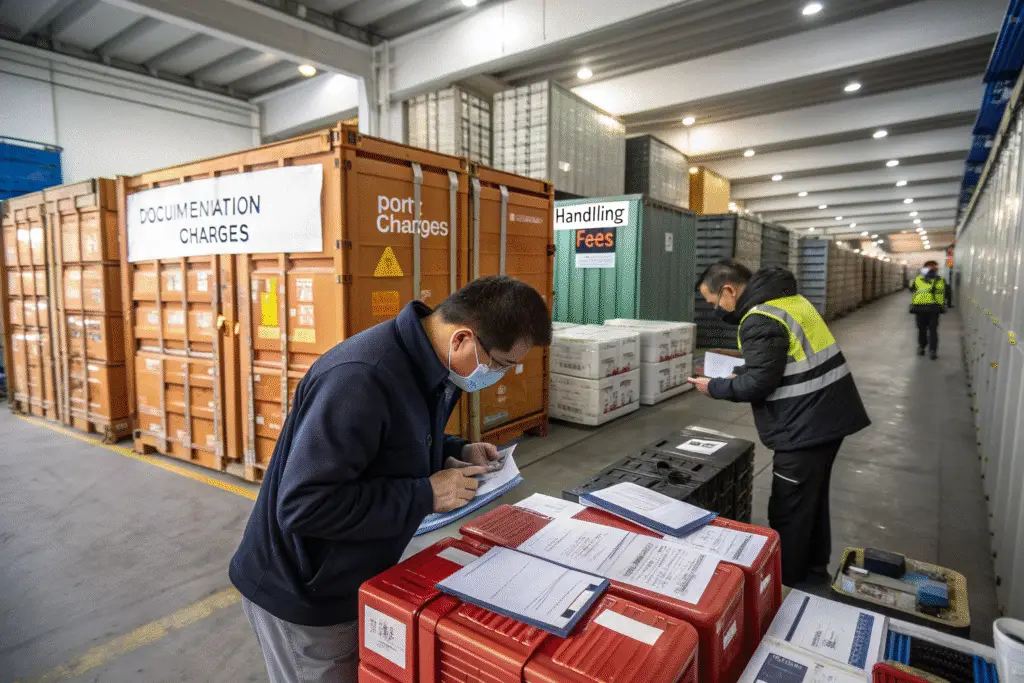
What documentation and handling fees might appear?
Export documentation, customs clearance assistance, and various handling charges can add hundreds of dollars to your shipment. While many manufacturers quote basic FOB prices, the complete DDP service often includes numerous additional charges. We helped a denim brand analyze a competitor's quote that appeared 12% lower than ours, only to discover it excluded $2,300 in documentation and port handling fees that would emerge later. Their actual cost would have been 15% higher than our all-inclusive quote.
How do shipping variables affect your final cost?
Fuel surcharges, peak season premiums, and container imbalance fees can significantly impact your shipping costs. These variables are often excluded from initial estimates because they fluctuate regularly. During the 2022 shipping crisis, one of our clients faced a 35% increase in ocean freight costs due to peak season surcharges that hadn't been accounted for in their initial estimate. We now include buffer clauses in our quotes to protect clients from such volatility.
Which Production and Material Costs Often Surprise Brands?
Production complexities and material handling can generate unexpected charges that many manufacturers don't highlight in their initial quotes.
These include charges for minimum order quantities, material waste calculations, and various production-related services.
How do MOQ charges affect your per-unit cost?
Many factories have minimum order quantities for materials, trims, or production runs. If you fall below these thresholds, you may face MOQ surcharges. We worked with a startup that ordered 800 units of a style but faced a $300 surcharge because their custom ribbon trim order fell below the supplier's 1,000-unit minimum. Understanding material and component MOQs helps you avoid these unexpected charges or consolidate orders to meet minimum requirements.
What fabric and trim waste calculations impact pricing?
Material waste factors can be a source of hidden costs if not properly calculated and agreed upon upfront. Some manufacturers use conservative waste percentages that inflate material costs. We implemented a transparent fabric utilization reporting system after a client discovered their previous factory had been charging for 18% fabric waste while actually achieving 12% waste. The difference represented nearly $1,700 in overcharges on their 5,000-unit order of woven shirts.
How Can You Identify and Prevent Hidden Costs?
Proactive communication and detailed documentation are your best defenses against unexpected charges in garment manufacturing.
Asking the right questions and requiring comprehensive quotes can help you identify potential hidden costs before they impact your budget.

What questions should you ask about potential extra charges?
Always inquire about sampling policies, testing requirements, payment terms for extra charges, and change order fees. Specifically ask: "What costs in this estimate might increase based on actual production requirements?" When a luxury brand client asked us this question upfront, we were able to identify that their complex embroidery might require additional machine setup fees if the stitch count exceeded certain thresholds. This transparency allowed them to budget accordingly.
What documentation protects you from cost surprises?
Request a detailed cost breakdown sheet that itemizes all potential charges. Look for clear policies on sampling, testing, and change orders. We provide clients with a comprehensive checklist that includes:
- Detailed sampling cost schedule
- Testing requirement matrix with associated costs
- Change order fee structure
- Shipping and documentation fee breakdown
This approach helped a growing activewear brand avoid $3,200 in unexpected costs during their recent production by identifying potential extra charges before production began rather than discovering them mid-process.
Conclusion
Hidden costs in garment manufacturing estimates can significantly impact your profitability if not properly identified and managed. The most common areas for unexpected charges include sampling beyond initial prototypes, specialized testing requirements, logistics and documentation fees, and various production-related surcharges. By understanding these potential costs, asking detailed questions upfront, and working with transparent manufacturing partners, you can protect your budget and ensure a smoother production experience.
If you're looking for a manufacturing partner committed to transparent pricing with no hidden costs, we should talk. At Fumao Clothing, we provide detailed estimates that clearly identify all potential charges from the beginning. Contact our Business Director, Elaine, at elaine@fumaoclothing.com to receive a comprehensive, transparent quote for your next production order.