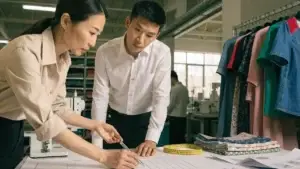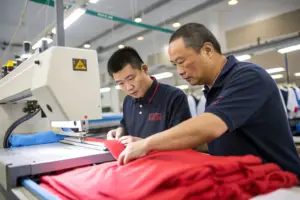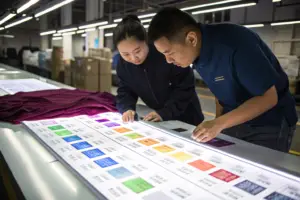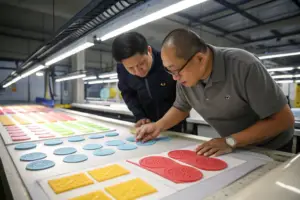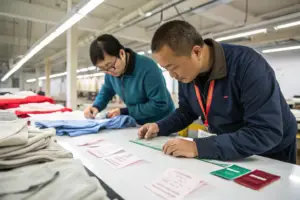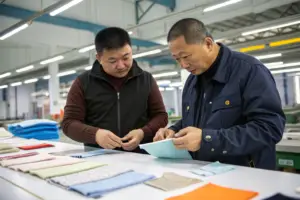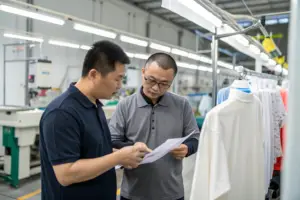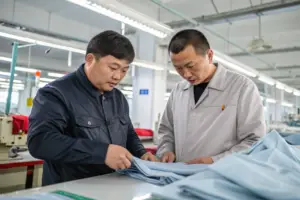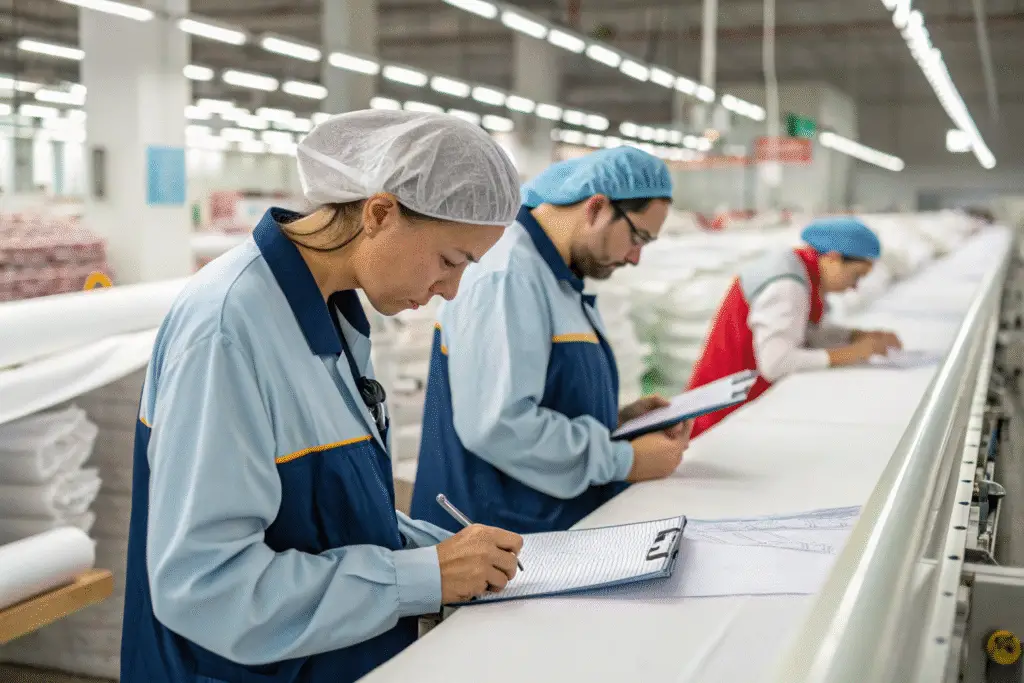
Let's be honest - navigating fabric sourcing in China can feel like walking through a maze. The promise of great prices and huge capacity... well, it's often shadowed by those nagging worries about quality and transparency. Personally I think this is where experience really matters, and having been through this countless times with our partners, we've built systems that actually work.
Truth is, managing quality control here requires a multi-layered approach - think rigorous pre-production checks, in-process inspections, and third-party verification. This proactive stance? It minimizes defects, ensures consistency, and honestly protects your brand's reputation. What many don't realize is that a collaborative partnership with your manufacturer changes everything. It turns quality control from this stressful chore into a shared goal - making sure your fabric meets those exact specifications you need.
This guide? We're sharing the exact steps and practices we use with our partners. Turning the complex process of fabric quality control into something manageable - actually, into a competitive advantage for your brand.
What Are The Key Steps In Fabric Inspection?
So fabric inspection - it's your first line of defense, really. Begins long before cutting and sewing, to be honest. A systematic approach? Catches problems early, saves significant time and cost later. The goal being to catch deviations from your standards at the earliest possible point.
The key steps involve both document verification and physical examination. You've got to check material against approved lab dips and swatches, perform defect spotting on rolls, and conduct tests for properties like colorfastness and shrinkage. This layered process ensures the fabric not only looks right but will perform correctly in the finished garment.
Why is a Pre-Production Sample Review Critical?
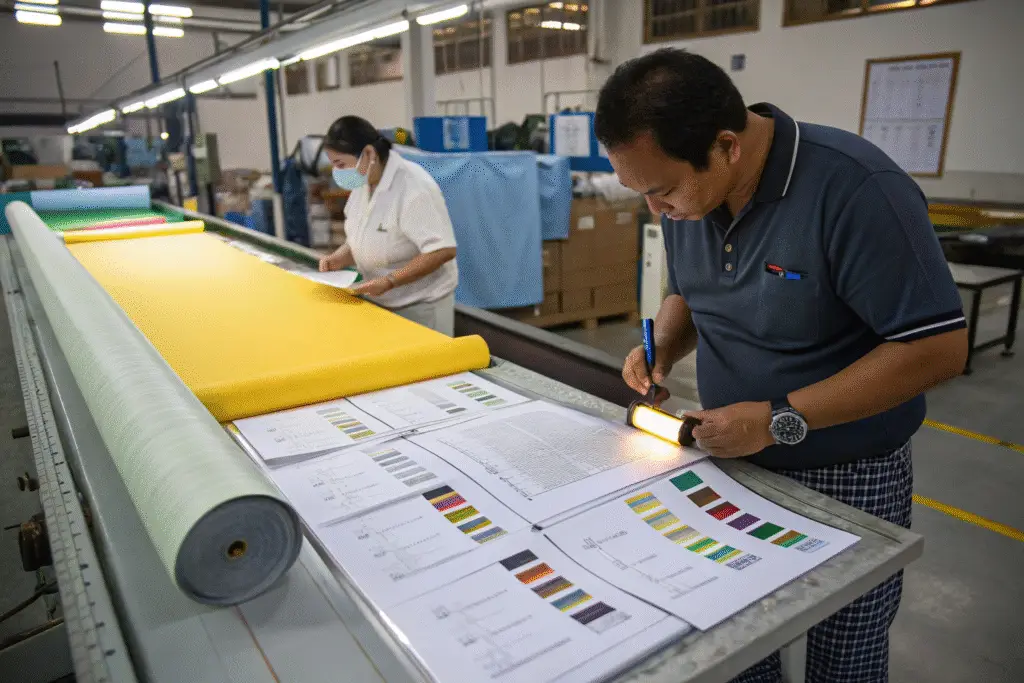
The pre-production sample - it's your blueprint, your tangible reference point. Before bulk production begins, we always insist on creating and approving this sample. Made from actual bulk fabric, compared directly to the original proto sample and approved lab dips. This step confirms the mill correctly interpreted your instructions - weight, hand-feel, color, composition. A final checkpoint to prevent massive, costly errors in production. Relying on trusted international standards for testing provides that objective benchmark during review.
How Can In-Process Inspection Minimize Defects?
In-process inspection goes beyond single samples to assess consistency across the entire lot. Auditing random rolls from bulk production as they reach the garment factory. The 4-Point System for defect grading - that's commonly used, gives you quantifiable quality measures. Our teams inspect fabric on flat inspection machines, checking for weaving defects, dyeing inconsistencies, staining. Catching issues here lets us quarantine problematic rolls before cutting - preventing flawed materials from entering your production line.
How To Establish Effective Communication With Your Supplier?
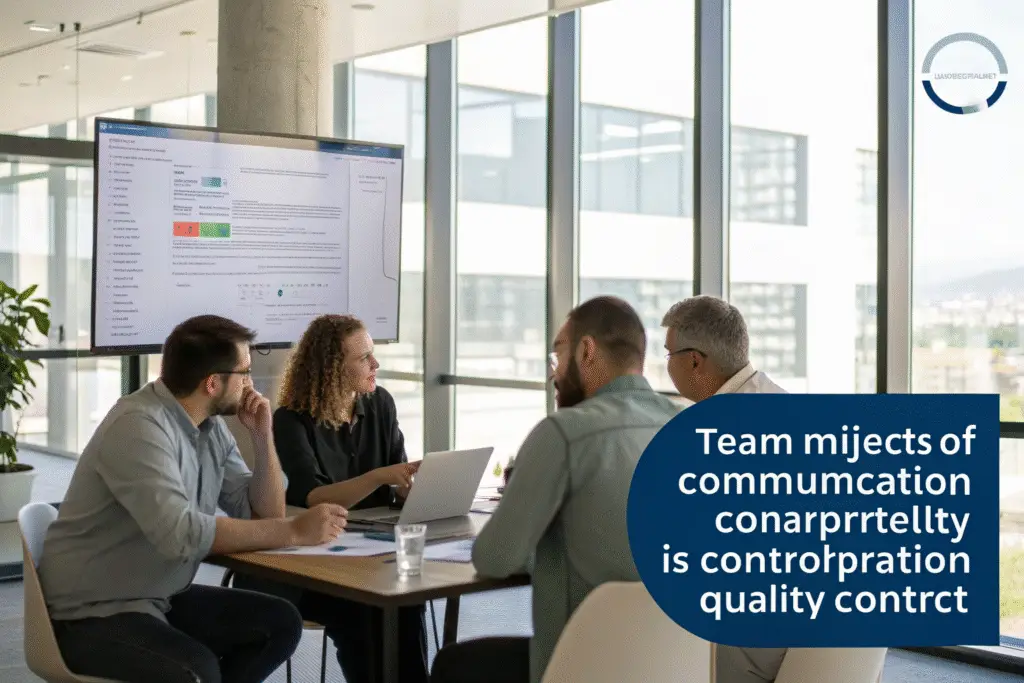
Communication - honestly, it's the backbone of successful quality control. Misunderstandings? Root cause of so many quality failures. Establishing direct, transparent channels with your manufacturer ensures expectations are understood and met at every stage. And this goes way beyond just sending emails.
Effective communication means building relationships where issues can be raised and solved together. Scheduled updates, clear documentation, visual aids - leaving no room for ambiguity. When your supplier acts as a true partner, they proactively communicate potential delays or concerns, allowing joint problem-solving before crises occur.
What Should Be Included in Your Technical Pack?
The technical pack - single most important communication tool, actually. Your definitive product guide. A comprehensive tech pack must include detailed fabric specifications: not just fiber content, but weight (GSM), construction, yarn count, finished hand-feel reference. Should specify the performance testing standards required - colorfastness to washing and light, pilling resistance, dimensional stability. Clear photos of approved fabric swatches from multiple angles, alongside the physical standard itself - provides that unambiguous target for the factory.
How Can Regular Virtual Meetings Improve Oversight?
Virtual meetings create direct line of sight into your production process. They bridge distance and foster collaboration. While emails and documents are essential, weekly or bi-weekly video calls with your supplier's team provide real-time update platforms. These meetings let you visually review inspection reports, discuss emerging issues, make swift decisions. This proactive engagement shows your commitment to quality - keeps your order a priority, significantly reducing unpleasant surprise risks.
What Logistics and Certification Factors Impact Quality?
Quality control doesn't end when fabric passes inspection. The logistics chain and certifications - critical factors safeguarding the quality you've worked so hard to achieve. Improper handling, shipping, lack of verifiable documentation can undo all previous efforts. These elements ensure product integrity from factory floor to your warehouse.
Understanding these factors protects your investment. Involves choosing the right DDP (Delivered Duty Paid) logistics partner and verifying market-relevant certifications. Shipping delays or moisture-exposed containers can ruin perfect fabric batches, while lacking proper certification can halt sales entirely.
| Certification | Focus Area | Why It Matters for US Brands |
|---|---|---|
| OEKO-TEX Standard 100 | Tests for harmful substances | Ensures fabrics are free from allergens and toxic chemicals - crucial for brand safety |
| Global Organic Textile Standard (GOTS) | Organic fiber integrity | Verifies organic content from harvest to label - key marketing and compliance point |
| ISO 9001 | Quality Management Systems | Indicates supplier has certified process for consistent quality output |
How Does DDP Shipping Protect Your Order?
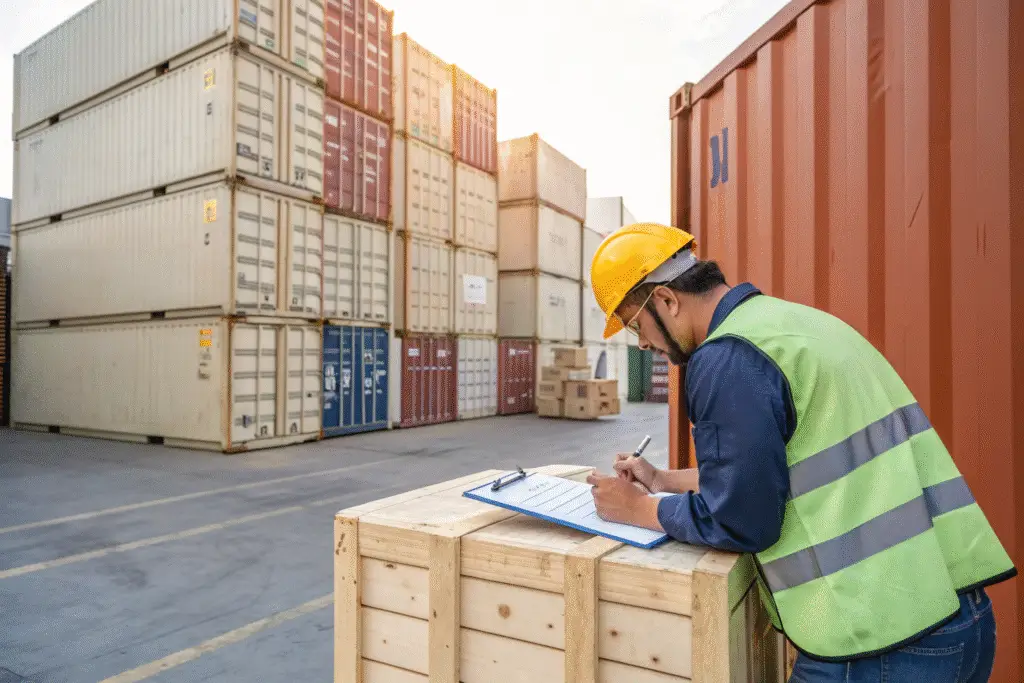
DDP shipping offers greater control and visibility, actually. Under DDP terms, the supplier (us) handles goods until delivery to your designated U.S. port. Meaning we manage the entire logistics chain - customs clearance, duties included. This control is crucial for quality because we partner with vetted freight forwarders who understand textile handling. Prevents mishandling by third parties you don't control - ensures smoother, more predictable delivery timelines, directly addressing delayed shipment pain points.
Why are Third-Party Certifications Non-Negotiable?
Third-party certifications provide unbiased proof of fabric quality and safety. Your independent verification, to be honest. While a supplier's word is one thing, certificates from reputable bodies like OEKO-TEX or GOTS offer concrete evidence of meeting stringent health and environmental standards. Especially vital for U.S. market brands, where consumers and retailers grow increasingly conscious of product safety and sustainability. These certificates mitigate supplier falsification risks and build end-customer trust.
How To Build a Long-Term, Trusted Supplier Relationship?
Viewing your manufacturer as strategic partner rather than vendor - ultimate quality control hack, personally I think. Long-term relationship builds mutual investment in success. A supplier seeing future with your brand becomes more transparent, goes the extra mile during challenges, proactively maintains high standards. This relationship counters transactional, adversarial dynamics that often lead to quality issues.
This partnership builds on consistency, fair practice, shared goals. Transforms sourcing from constant firefighting into streamlined, reliable operation. When your supplier integrates into your supply chain, they become an extension of your own team - dedicated to protecting and growing your brand.

What Are the Benefits of a Full-Package Manufacturer?
Full-package manufacturer simplifies your supply chain and consolidates accountability, actually. We handle everything from fabric and trims sourcing to production and final export logistics. Single point of contact and responsibility. For you, this means less coordination hassle, reduced communication errors, and a supplier (like us) with direct control over every quality touchpoint. Managing full package services ensures thread, buttons, fabric quality all work in harmony creating superior final products.
How Does Consistent Ordering Foster Better Quality?
Consistent ordering provides factory with predictable workflow and revenue. This stability lets them invest more attention and resources into your orders. They'll assign most skilled workers, dedicate best machinery to your production lines. Familiarity with your specific quality standards and procedures reduces learning curve with each new order - leads to continuously improving quality and efficiency. Creates this virtuous cycle where reliability begets higher quality, honestly.
Conclusion
Managing quality control when sourcing fabric from China - detailed process, but entirely achievable with right strategy and partner. Implementing rigorous inspection protocols, establishing crystal-clear communication, understanding logistics and certification impacts, and most importantly, building long-term, trusted manufacturer relationships - turns perceived risk into competitive advantage. This systematic approach safeguards your brand, ensures customer satisfaction, secures profitability.
The journey to flawless apparel starts with flawless fabric. If you're looking for a manufacturing partner committed to transparent communication, rigorous quality control, and building lasting relationships to help your brand thrive - we're here to help. Let's discuss bringing quality and reliability to your next collection. For personalized consultation, reach out to our Business Director, Elaine, at elaine@fumaoclothing.com.