Let's be real. As a U.S. apparel brand owner, you feel the pressure - sustainable fashion isn't just trending, it's expected. Your customers demand it. Your brand's survival? Honestly? Depends on it. But finding genuine sustainable fabric suppliers - that's the real challenge. How to verify eco-claims from overseas? The complexity... overwhelming. Partnering with the right manufacturer - that's the game changer.
Truth is, sourcing sustainable fabrics requires a strategic approach - defining your goals, verifying certified suppliers, establishing transparent supply chains with partners who actually understand the U.S. market. It's not just fabric - it's building responsible product journeys from scratch. A knowledgeable manufacturer? Personally I think they can transform this maze into your competitive advantage.
Let me break this down. This guide - it will give you a clear roadmap. Actually, it will make sustainable fabric sourcing feel achievable.
Finding sustainable fabric suppliers - where to even start?
Right. Finding partners - reliable ones, transparent about sustainability practices. Daunting, yes. But systematic approaches work wonders.
The most effective method? Leveraging B2B platforms like Alibaba - filtering for suppliers with verifiable certifications. Trade shows too - virtual or physical - they allow direct engagement. Assessing supplier expertise firsthand... crucial.

Where exactly to look for eco-friendly materials?
Online B2B marketplaces - powerful starting points. Platforms like Alibaba have "Green" sections. Filters help narrow down GOTS or OCS certified suppliers. Another resource? Material Exchange - focused specifically on material connections. Beyond online searches - industry networking. LinkedIn connects you directly with sustainability managers. Forums... they offer insights Google searches miss.
How to actually verify those sustainability claims?
Verification - non-negotiable. Always request official, current certification documents. Organic cotton? Look for Global Organic Textile Standard (GOTS). Recycled polyester? Recycled Claim Standard (RCS) matters. Vague promises? Marketing brochures? Not enough. Supplier audits - essential. Virtual tours work when visits aren't feasible. Ask pointed questions - water usage, energy sources, waste management. Transparent suppliers? They proudly show operations. This diligence - it protects against "greenwashing."
Which sustainable fabrics work best? Honestly...
Choosing materials - depends on your brand's aesthetic, price point, environmental goals. "Best" fabric? Doesn't exist. But top-tier options balancing performance and sustainability? Several.
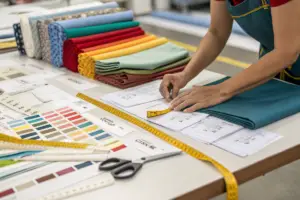
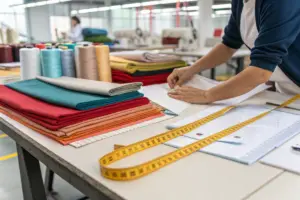
The best sustainable fabrics reduce environmental footprint without compromising quality. Everyday wear? Organic cotton, recycled polyester - excellent choices. Premium items? Tencel™, hemp - exceptional durability, unique aesthetic.

Why organic cotton remains so popular - the truth
Organic cotton - popular for reasons. Grown without toxic pesticides, synthetic fertilizers. Protects farming communities, biodiversity. Uses less water than conventional cotton - especially rain-fed systems. The fabric itself? Soft, breathable, high-quality. Customers love it. The key? GOTS-certified organic cotton - integrity throughout the supply chain. From field to fabric - trustworthy guarantee. Safe choice for T-shirts, polos, casual wovens.
Recycled polyester benefits - beyond the hype
Recycled polyester (rPET) - tackles plastic waste. Gives PET bottles new life. Production requires significantly less energy, water versus virgin polyester. Reduces carbon footprint - dramatically. Performance-wise? Retains all virgin polyester benefits. Durable, quick-drying, wrinkle-resistant. Ideal for activewear, sportswear, outerwear. Choosing rPET? You're not just making clothes - you're telling an environmental story. Resonates with modern consumers.
Ensuring quality in sustainable fabrics - the real challenge
Sustainability and quality - must coexist. Eco-friendly fabric that falls apart? Contradicts sustainability principles. Ensuring quality requires proactive, hands-on approaches throughout production.
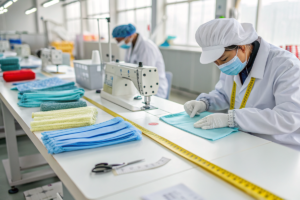
Quality assurance begins with clear specifications. Continues with rigorous testing, inspection. Set explicit standards for sustainable fabrics. Verify through third-party labs, in-person manufacturing checks.

What quality tests truly matter for sustainable fabrics?
Sustainable fabrics vary. Essential tests include:
- Colorfastness: Ensuring dyes don't run or fade
- Pilling Resistance: Checking for surface fabric balls
- Shrinkage Test: Guaranteeing size retention after washing
- Tensile Strength: Verifying tear resistance
These tests? Should be conducted by recognized third-party laboratories. Unbiased reports on fabric performance, longevity. Relying solely on supplier tests? Personally I think that's risky business.
In-process quality control - why it makes all the difference
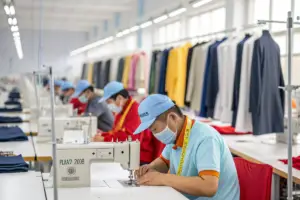
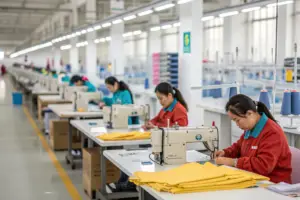
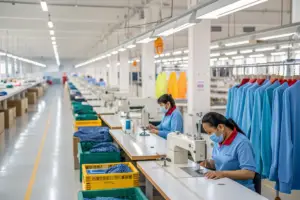
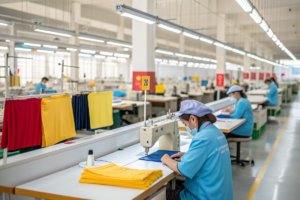
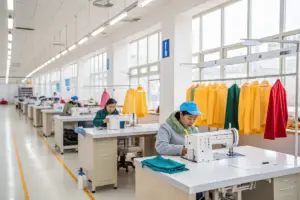
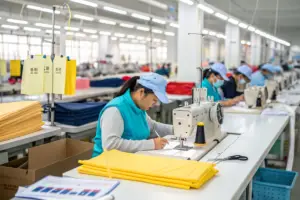
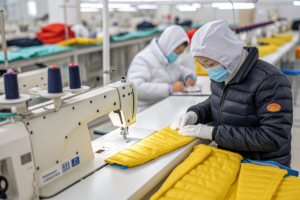
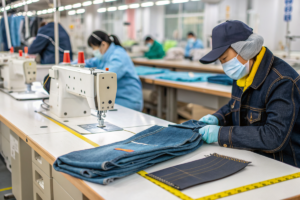
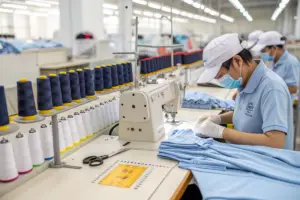
In-process quality control (IPQC) - your real-time defect defense. Monitoring production lines at various stages before completion. Fabric spreading, cutting, sewing, initial assembly - all need checking. Catching flaws early - dye lot inconsistencies, sewing errors - enables immediate correction. Prevents small issues becoming massive, costly batch problems. For you? Fewer delays, consistent quality, reliable timelines. Missed selling seasons? Avoided.
Sustainable fabric shipping logistics - the final hurdle
Environmental impact doesn't stop at the factory. Logistics chain - significant carbon emission source. Optimizing this final journey? Essential for true sustainability, smooth operations.
Efficient sustainable apparel logistics involve shipment consolidation, choosing sea over air freight, DDP (Delivered Duty Paid) services to U.S. warehouses. Streamlined, transparent processes matter.

DDP shipping benefits for U.S. brands - a game changer
DDP, Delivered Duty Paid - changes everything for U.S. importers. Under these Incoterms, we handle everything until goods reach your U.S. warehouse. All costs, paperwork - international freight, insurance, customs clearance, import duties. For you? Simplicity, predictability. Surprise fees? Complex hurdles? Gone. Single, all-inclusive price. On-time delivery guaranteed. Focus on marketing, sales - not international trade regulations.
Eco-friendly shipping practices - beyond basic logistics
Sea freight beats air freight carbon-efficiency, true. But you can do more. Work with manufacturing partners to implement:
- Consolidation: Combining orders into single shipments
- Packaging: Using recycled, minimal materials - avoid plastic polybags
- Route Optimization: Selecting environmentally-conscious shipping partners
Addressing logistics proactively completes the sustainability circle. Ensures products reach customers efficiently, responsibly.
Conclusion
Sourcing sustainable fabrics - detailed but achievable. Requires clear strategy: defining standards, finding verified partners, ensuring uncompromising quality, managing efficient logistics. This process transforms business challenges into brand assets. Builds customer trust. Ensures long-term viability.
This journey? You don't navigate alone. Global supply chain complexity demands reliable partners. We at Fumao Clothing - experienced manufacturers dedicated to the U.S. market - have the expertise, established networks to guide you. Sourcing certified sustainable fabrics, managing rigorous quality control, ensuring reliable DDP shipping. Let's build sustainable, successful clothing lines together. For personal consultation? Contact our Business Director Elaine: elaine@fumaclothing.com. Honestly? The difference between stressful sourcing and seamless production? It's the partner you choose.