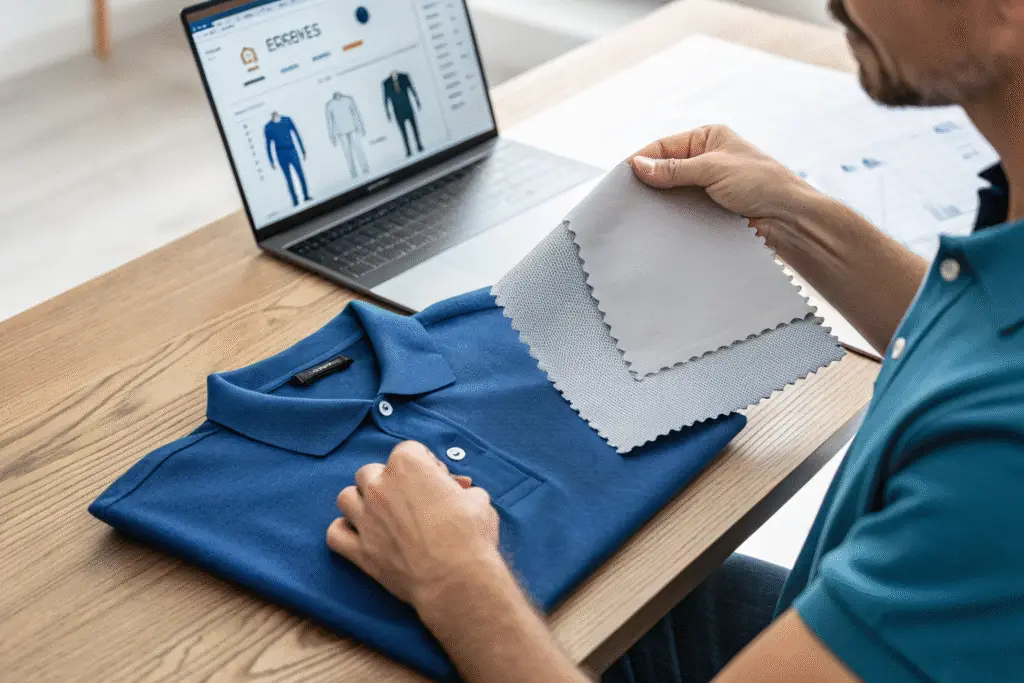
In today's digitally-driven apparel industry, brands often begin with a meticulously crafted digital design. While these files appear flawless on screen, the transition to physical product reveals critical discrepancies—colors mismatch, fabrics disappoint, and fits fail. This common oversight jeopardizes product launches and brand integrity. How can you ensure your vision translates accurately from screen to garment? The solution is foundational yet frequently underestimated.
A physical sample surpasses a digital design by providing a tangible, real-world prototype that validates material quality, color accuracy, fit, and craftsmanship—elements no digital file can fully capture. While digital designs serve as an essential creative starting point, they cannot replicate the sensory experience of a physical garment. The sampling phase remains the most reliable method to mitigate production risks and align expectations with reality.
Let us examine why this critical step is indispensable for strategic apparel sourcing.
How Can a Physical Sample Prevent Costly Production Mistakes?
Substantial investments in production demand rigorous validation. A physical sample serves as your primary safeguard, converting abstract concepts into evaluable items. This proactive measure identifies potential issues at a stage when corrections remain cost-effective and manageable.
Digital representations often mislead. A Pantone color displayed on a calibrated monitor may render differently on fabric due to material properties and weaving techniques. Similarly, digital specifications cannot predict how textiles will drape or perform in real-world conditions. Approving production without physical verification essentially constitutes endorsing an unverified product.

What specific flaws can a physical sample reveal that a digital file cannot?
Physical samples uncover critical deficiencies invisible in digital formats. Fabric hand-feel—whether material feels rough, stiff, or insufferably warm—becomes immediately apparent. Stitching integrity—ensuring seams remain straight, secure, and free from defects—requires physical inspection. Hardware functionality—testing zippers, buttons, and fasteners—proves essential for user experience. Finally, surface application quality—checking for print cracking or embroidery puckering—demands hands-on assessment. These tangible factors ultimately determine product acceptance and customer satisfaction.
How does sampling fit into a professional quality control process?
Sampling establishes the quality benchmark for entire production runs. Within our manufacturing ecosystem, the sample approval process integrates seamlessly with our comprehensive quality assurance protocols. We generate pre-production samples that serve as definitive reference points, enabling our quality control teams to maintain consistency throughout mass production. This systematic approach prevents substantial financial losses associated with rejected shipments and maintains brand reputation.
Why Does a Sample Provide Unmatched Fabric and Color Verification?
The fundamental difference between light-emitting screens and light-absorbing textiles makes accurate digital color representation nearly impossible. Physical samples eliminate this technological gap, delivering reliable sensory data that digital platforms cannot provide.
Your customers interact with physical products—not digital renders. They touch fabrics in retail environments, observe colors under varying lighting conditions, and experience garments through wear. Sampling enables you to evaluate products precisely as end-users will, establishing the foundation for brands built on quality and meticulous attention to detail.
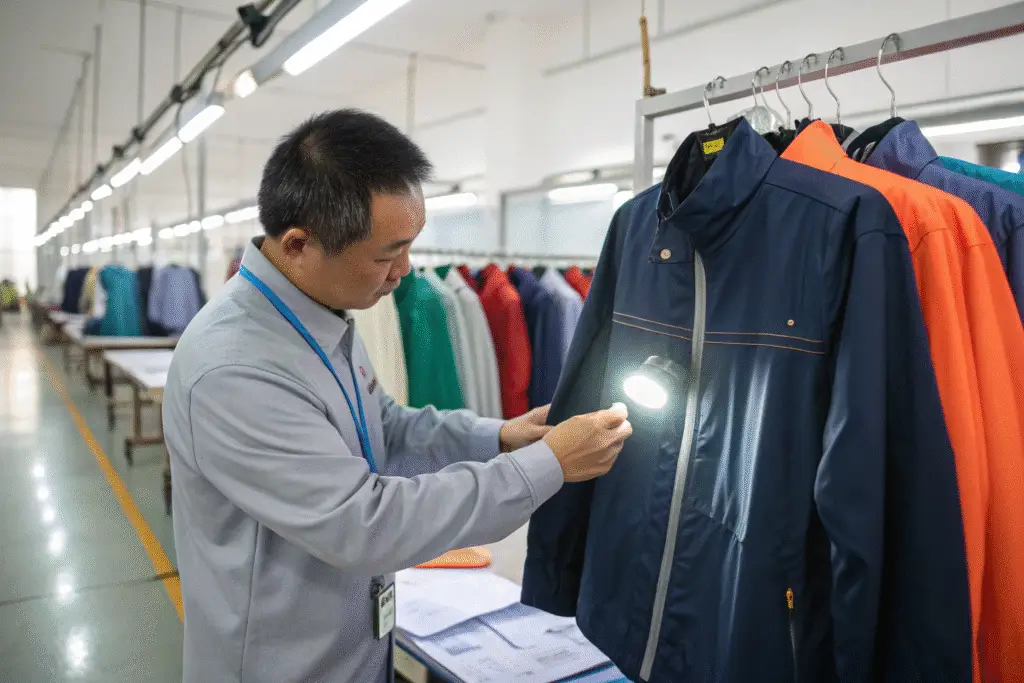
How can you accurately assess fabric quality and durability?
Thorough fabric evaluation requires practical testing beyond visual inspection. Conduct stretch tests to observe material recovery along and across the grain. Perform colorfastness checks by rubbing white cloth against printed areas. Examine weave consistency under direct light sources. For durability validation, implement simple seam strength tests to ensure construction withstands practical use. These assessments provide crucial confidence in material performance, particularly when sourcing from international manufacturers.
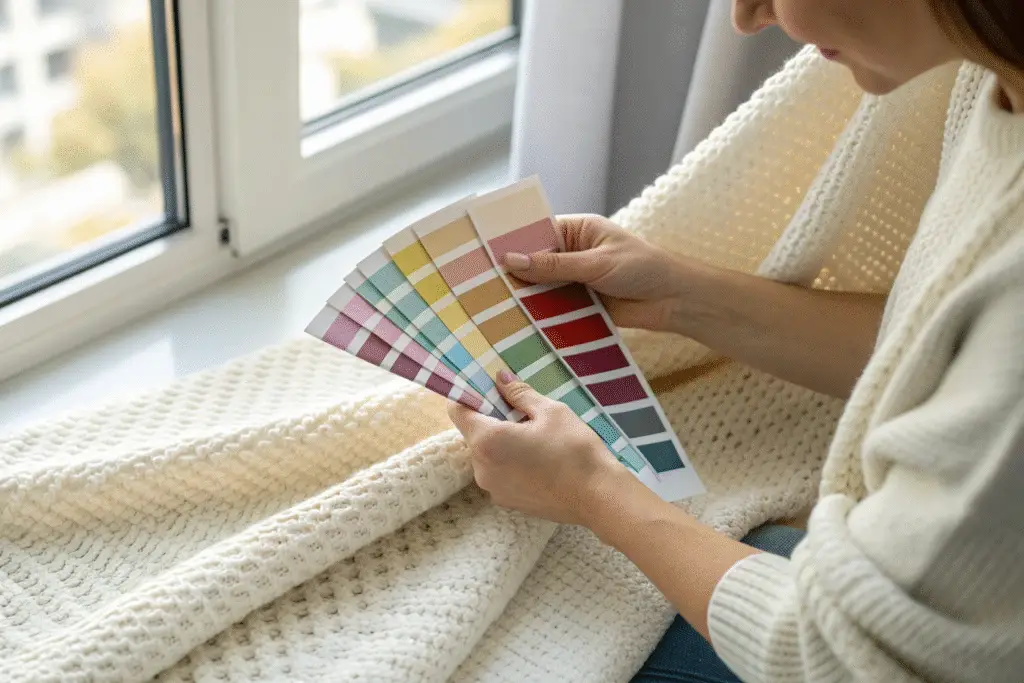
What is the real-world impact of lighting on color perception?
Lighting conditions dramatically alter color appearance—a phenomenon known as metamerism. Colors matching perfectly in showroom lighting may appear entirely different in daylight or fluorescent retail environments. Physical samples enable multi-source color verification, with natural daylight providing the most accurate assessment. Relying solely on digital files viewed under single light conditions makes color consistency across supply chains unachievable. Physical validation remains the only method to guarantee brand color standards are maintained universally.
Can a Physical Sample Improve Communication with Your Manufacturer?
Indeed, physical samples create an unambiguous communication bridge between brands and manufacturers. They eliminate translational ambiguities that often complicate international partnerships, replacing lengthy descriptions with direct, tangible reference points.
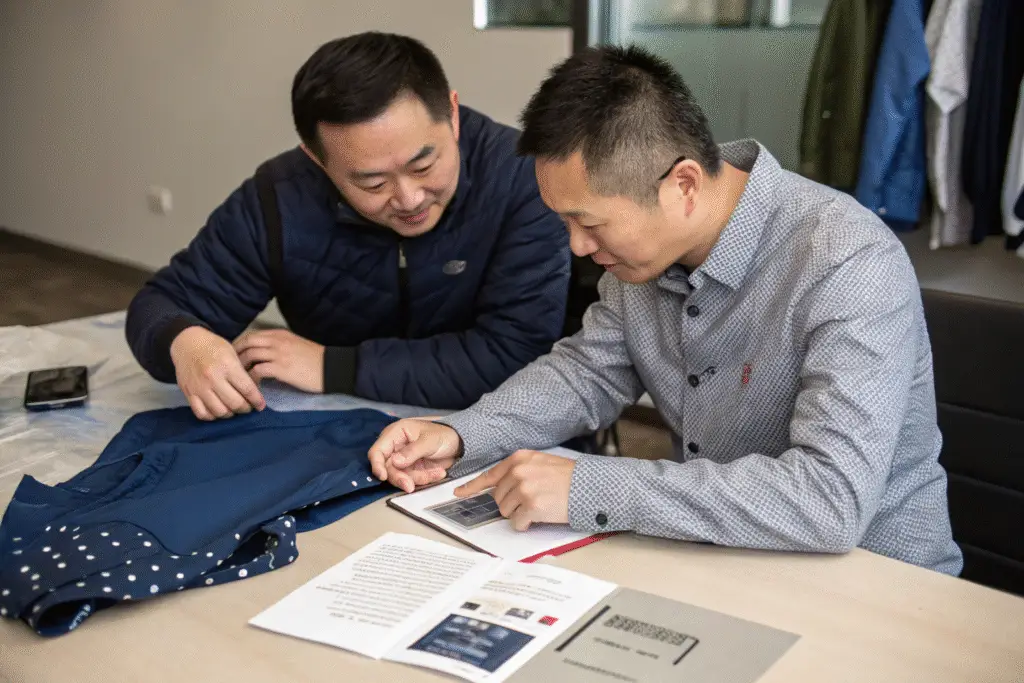
This proves particularly valuable across time zones and language barriers. Instead of describing adjustments verbally, you can physically mark samples with precise instructions—"widen this seam by 0.5cm" or "match this blue exactly." This concrete feedback methodology dramatically reduces misinterpretation and revision cycles, transforming supplier relationships into efficient, professional collaborations.
How do you effectively provide feedback on a production sample?
Effective sample feedback follows a structured approach:
- Direct Annotation: Use tailor's chalk or non-adhesive tape to mark adjustments directly on samples
- Documented Commentary: Prepare detailed feedback sheets with photographic evidence, numbering comments to correspond with physical tags on the sample
- Precise Language: Replace subjective statements like "bad fit" with specific, actionable feedback such as "sleeve exceeds spec sheet measurement by 2cm"
This methodology provides manufacturers with unambiguous guidance, establishing professional credibility and fostering productive partnerships.
What are the key details to confirm before sample approval?
Implement a systematic checklist to ensure comprehensive sample evaluation:
| Evaluation Category | Critical Verification Points |
|---|---|
| Material Compliance | Fabric type, weight, and composition align with specifications |
| Construction Quality | Stitching techniques, seam integrity, and overall craftsmanship meet standards |
| Dimensional Accuracy | All measurements correspond precisely with technical pack requirements |
| Color & Print Fidelity | Colors match standards under appropriate lighting; graphics appear sharp |
| Component Functionality | Zippers, buttons, labels, and trims operate correctly and match specifications |
| Packaging Elements | Polybags, tags, and supplementary materials align with brand requirements |
This disciplined approach transforms sample approval from subjective opinion into objective quality assurance.
How Does Sampling Secure Your Supply Chain and On-Time Delivery?
The sampling process provides the most accurate assessment of a manufacturer's capabilities, responsiveness, and commitment long before full production commences. Factories incapable of delivering quality samples promptly will inevitably fail during mass production.
Sample evaluation effectively tests the manufacturer's entire workflow—from raw material procurement to production line efficiency. This preliminary verification helps identify partners who might otherwise cause season-ending delays, establishing sampling as your most effective supply chain security measure.
Why is sampling a critical step for risk management?
Sampling constitutes essential production risk management. It identifies potential bottlenecks and quality failures at the most manageable stage. When factories struggle to source correct materials for samples, this signals significant risk for larger orders. Additionally, physical verification protects against misrepresentation, allowing brands to validate manufacturing capabilities directly—addressing concerns about certification authenticity. The modest investment in thorough sampling proves exponentially more economical than managing container-loads of defective merchandise.
What is the connection between sample approval and your shipping terms?
Sample approval timelines directly determine production schedules. Each day delayed in sample authorization cascades into production postponements, ultimately jeopardizing final shipment dates. Professional manufacturing partners like ours implement streamlined sampling protocols recognizing that delivery reliability depends on disciplined preliminary processes. Through established logistics partnerships and structured sampling phases, we ensure the approval process accelerates rather than impedes your timeline.
Conclusion
In apparel manufacturing, visual representation cannot substitute physical verification. Digital designs provide the blueprint, but physical samples establish the foundation for successful production. They represent your most powerful tool for preventing expensive errors, verifying true quality, enhancing communication, and securing reliable supply chains. Neglecting this step to conserve minimal resources constitutes the most significant risk a brand can undertake.
Your brand reputation depends entirely on delivered product quality. Entrust it to more than digital representations. Partner with us to transform your designs into market-successful, quality-assured products. For manufacturing collaborations built on precision sampling and delivery commitment, contact Business Director Elaine at elaine@fumaoclothing.com to advance your next apparel program.