Clear communication forms the foundation of successful garment production. When American brands collaborate with overseas manufacturers, language differences frequently create costly misunderstandings that impact business outcomes. Consequently, these communication gaps lead to production errors, delayed timelines, and frustrated teams on both sides. This article provides a systematic approach to ensure your design concepts are accurately translated into finished products.
Overcoming language barriers requires implementing structured strategies including visual tools, simplified technical language, and modern technology. Establishing clear communication protocols from the outset transforms potential weaknesses into strengths, ensuring manufacturing partners fully comprehend quality and design requirements. As a result, brands experience fewer production mistakes, faster turnaround times, and more reliable supply chains.
Let's examine the practical steps that can make your next production meeting significantly more productive and efficient.
How can visual tools bridge the communication gap?
Visual tools serve as universal languages that transcend verbal communication barriers. Initially, they provide concrete references that minimize misinterpretation of complex design details and technical specifications. Moreover, visual aids create shared understanding between parties who speak different languages.
Visual tools like tech packs, CAD drawings, and physical samples establish unambiguous reference points that surpass spoken language limitations. These tools transform abstract concepts into tangible specifications. For example, instead of struggling to describe a specific stitch in words, you can simply point to a physical sample. This approach substantially reduces ambiguity while ensuring manufacturers comprehend exact requirements. Therefore, professional factories typically mandate these visual tools as integral components of their standard product development process to prevent costly errors.

What are the essential visual aids for a clothing production meeting?
Three essential visual aids form the backbone of effective cross-language communication: comprehensive tech packs, CAD drawings, and approved physical samples. First, tech packs function as garment blueprints containing all technical details including measurements, materials, construction details, and trim placement. Subsequently, CAD drawings provide digital visualizations of designs, incorporating colors and patterns. Finally, physical samples serve as the ultimate three-dimensional reference that both parties can examine and evaluate. Consequently, sending a gold seal sample before mass production becomes a critical approval step that perfectly aligns expectations between brand and manufacturer.
How do digital platforms enhance real-time collaboration?
Digital platforms significantly enhance collaboration by centralizing communication and documentation. Specifically, platforms like Trello and Asana enable teams to share images, comment directly on designs, and track revision histories. Instead of relying on lengthy email chains that often cause confusion, all discussions remain attached to specific projects within these platforms. For instance, you can upload a photograph of a stitch detail, circle the area in question, and add explanatory comments. Subsequently, your manufacturing team can respond immediately, creating a transparent and searchable record. This systematic approach proves far more efficient for managing quality control across different time zones while ensuring no details become lost in translation.
Why is simplifying technical language crucial?
The fashion industry contains extensive specialized terminology that often creates confusion in international partnerships. While technical terms may seem familiar to brand representatives, they frequently puzzle manufacturing partners even with good English skills. Simplifying language doesn't imply reducing content quality; rather, it emphasizes communicating with precision and clarity to ensure technical requirements are met accurately.
Using simple, direct language while avoiding idioms guarantees that technical specifications are interpreted correctly. This practice significantly minimizes the risk of expensive production line mistakes. For example, instead of stating "We need a soft hand feel," you could specify "The fabric must demonstrate a smooth and soft texture when touched." Such precise wording becomes essential for maintaining the top quality standards expected from reliable suppliers.
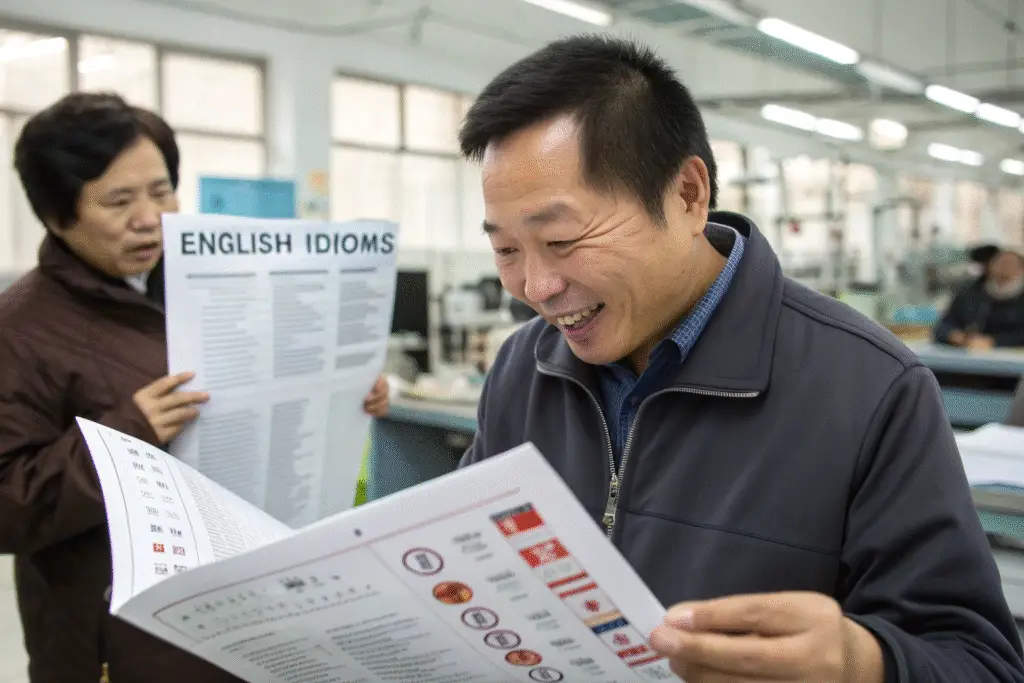
Developing a shared glossary begins with compiling all critical technical terms, fabric names, and construction details relevant to your products. Next, translate these terms into your manufacturer's language and mutually agree upon exact definitions. This collaborative document then becomes a living reference for both teams throughout the production process. For example, you should explicitly define what "customizable logo" entails—whether it means embroidery, printing, or patch application. Maintaining this glossary as an accessible resource for all stakeholders represents a hallmark of professional apparel manufacturer partnerships and prevents potentially costly assumptions from either side.
What common industry terms often cause confusion?
Numerous fashion industry terms regularly cause misinterpretation in international contexts. Words like "distressed" (regarding denim), "tailored fit," or "eco-friendly" often receive varying interpretations without precise definitions. The following table demonstrates how to transform ambiguous terms into clear specifications:
| Confusing Term | Clearer Alternative |
|---|---|
| "Vintage Wash" | "Specify: light abrasion on knees and thighs, tonal stitching." |
| "High-End Finish" | "Require: no loose threads, reinforced seams, precise stitching." |
| "Breathable Fabric" | "Use: 100% cotton jersey or specified moisture-wicking polyester." |
Establishing such terminology clarity proves equally important as agreeing upon payment methods before commencing production orders.
How to leverage technology for smoother communication?
Modern technology has dramatically transformed cross-language communication in garment manufacturing. Relying exclusively on email and telephone communication no longer suffices for complex international production relationships. Contemporary communication tools offer real-time translation, video conferencing, and project management features that create seamless bridges between global teams.
Implementing appropriate communication technology, including translation applications and project management software, substantially enhances operational efficiency. These tools maintain continuous and clear dialogue while ensuring questions receive prompt responses and decisions remain properly documented. This technological approach becomes vital for maintaining the reliable delivery schedules that critically impact market season success.

What are the best real-time translation tools?
Several real-time translation tools have proven highly effective for international business meetings. Google Translate's conversation mode offers a popular and accessible starting point. For more advanced requirements, dedicated devices like Pocketalk or specialized applications like Microsoft Translator deliver superior accuracy and industry-specific vocabulary. These solutions facilitate smooth, natural dialogue during video conferences or factory visits. Employing such tools demonstrates respect for international partners while committing to transparent communication, ultimately strengthening business relationships and streamlining logistics coordination.
How can project management software prevent misunderstandings?
Project management software prevents misunderstandings by creating single sources of truth for complete production cycles. Platforms including Asana and Basecamp enable task assignment, deadline management, and centralized file storage for all relevant documents—tech packs, communication threads, and revision histories. This centralized approach eliminates typical "he said, she said" disputes. For example, when questions arise regarding previously approved materials, any team member can consult the platform to review original conversations and decisions. This organizational level becomes indispensable for effective quality control management while preventing the shipping delays that cause missed selling opportunities.
Why is building a strong relationship with your supplier key?
Beyond technical solutions, human relationships remain irreplaceable in international manufacturing. Strong, trust-based partnerships with manufacturing providers foster collaborative environments where both parties actively work toward mutual success. When manufacturers and brands develop genuine connections, they naturally invest extra effort ensuring clear communication and effective problem-solving.
Strong partnerships convert transactional relationships into collaborative alliances where all participants proactively pursue shared objectives. This relationship foundation encourages transparent communication where suppliers feel comfortable seeking clarification rather than making potentially incorrect assumptions. This trust-based approach ultimately provides the strongest protection against issues like delayed shipments and certification discrepancies.

How can regular visits improve understanding?
Regular factory visits substantially enhance mutual understanding through direct personal interaction. Visiting manufacturing facilities allows brands to meet production teams, observe manufacturing processes firsthand, and establish personal connections. These visits help brands comprehend factory capabilities and limitations while demonstrating serious commitment to manufacturing partners. During such visits, brands can conduct spontaneous checks on production lines and discuss certification requirements directly with quality control teams, thereby building substantial trust through transparent engagement.
What is the role of a dedicated contact person?
A dedicated contact person on the supplier's side—typically a Business Director or key account manager—provides invaluable consistency throughout production cycles. This individual becomes thoroughly familiar with brand standards, preferences, and communication styles. They function as internal champions and interpreters, ensuring requirements are accurately communicated to production teams. At Fumao Clothing, for example, our Business Director Elaine fulfills this role for partners, streamlining communication and providing direct resolution pathways for emerging issues—particularly valuable for complex DDP mode shipments requiring precise coordination.
Conclusion
Successfully overcoming language barriers in garment manufacturing requires implementing comprehensive communication systems rather than seeking perfect translation solutions. By combining visual tools, simplified language, modern technology, and strong relationships, brands transform potential weaknesses into competitive advantages. The result is fewer production errors, minimized delays, and substantially more reliable supply chains.
Ready to partner with a manufacturer who prioritizes transparent communication as fundamentally as you do? Let's collaborate to ensure your next collection achieves exact design vision realization. Contact our Business Director, Elaine, today at elaine@fumaoclothing.com to discuss your specific clothing production requirements.