
Achieving consistent color reproduction in garment manufacturing presents a significant challenge for many brands. The gap between initial color vision and final production results often leads to brand damage and sales losses. Consequently, establishing a reliable color management process becomes essential for business success.
Perfect color consistency requires a systematic approach beginning with the first development meeting. This methodology depends on three key elements: clear communication protocols, proper utilization of digital and physical tools, and rigorous quality control procedures for lab dips and bulk fabric. Implementing this comprehensive strategy prevents costly manufacturing errors while ensuring accurate color reproduction throughout production cycles.
The following sections provide a detailed, step-by-step guide to securing color accuracy from concept to delivery. Each phase builds upon the previous one, creating an integrated system that protects brand integrity while eliminating common production challenges.
Establishing Effective Color Communication Protocols
Color communication failures represent the primary source of production delays and quality issues. Many manufacturers encounter problems because they begin production without establishing clear color standards. Therefore, implementing structured communication protocols from the initial meeting prevents these costly misunderstandings.
First, manufacturers must insist on standardized color specification systems. The Pantone Matching System provides an universal language that eliminates subjective color interpretation. For instance, while "navy blue" can vary between individuals, a Pantone TPX code provides precise, reproducible color standards. Additionally, brands should create master standards—physical fabric swatches that serve as reference points throughout production.
Furthermore, comprehensive technical packages must extend beyond basic color codes. These documents should specify fabric composition because different materials absorb dyes differently. They must also detail dyeing methods and colorfastness requirements. Establishing these specifications early creates a foundation for consistent results throughout manufacturing.
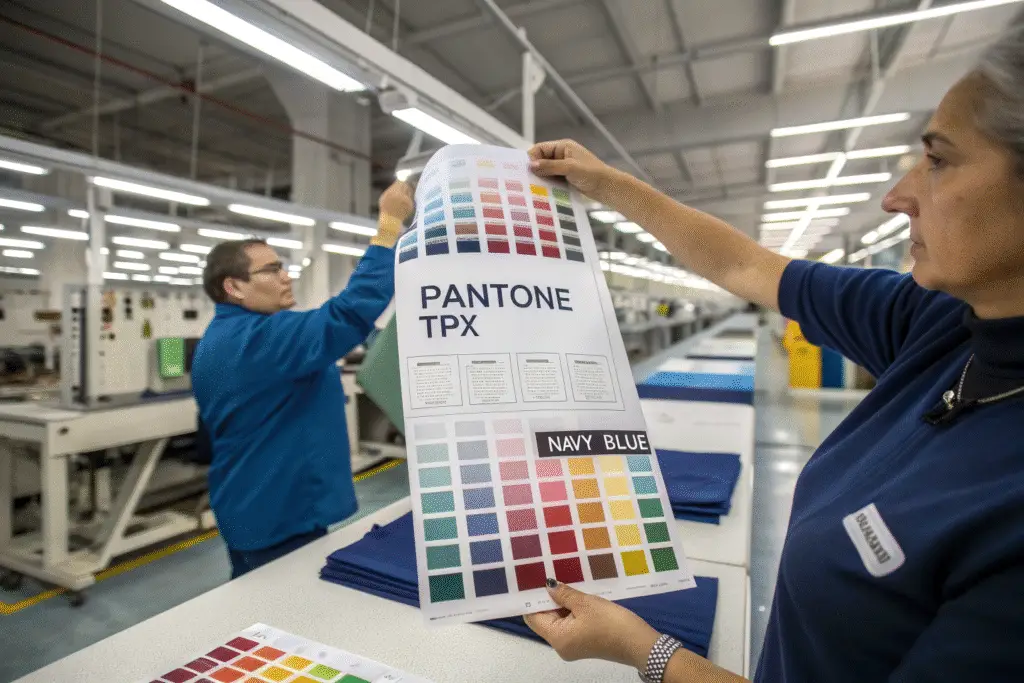
What tools are essential for accurate color definition?
The transition from digital concepts to physical products requires specific tools for maintaining color integrity. Physical color standards, particularly the Pantone Fashion, Home + Interiors guide, provide the most reliable reference because they use actual fabric swatches rather than printed paper. Consequently, both brand and manufacturer should maintain current editions of the same guide to ensure matching references.
Digital tools complement physical standards but require proper implementation. Monitor calibration ensures accurate color representation during digital reviews, while spectrophotometers provide objective color measurement through LAB values. These tools work together to create a comprehensive color management system that bridges digital and physical realms.
How do detailed technical packages prevent color variation?
Technical packages serve as manufacturing blueprints that prevent assumptions and misinterpretations. A complete tech pack includes not only Pantone numbers but also high-resolution, color-accurate images and specific performance requirements. This comprehensive approach ensures all parties share identical expectations.
For example, a properly prepared tech pack might specify: "Color: Pantone 19-4052 TCX (Classic Blue). Fabric: 100% Cotton Poplin. Colorfastness to Crocking: 4+ (Dry)." This detailed information enables manufacturers to replicate colors accurately while meeting durability standards. As a result, technical packages become the single source of truth throughout production.
Implementing Laboratory Dip Approval Processes
Laboratory dips provide the first physical verification of color accuracy before mass production begins. These small fabric samples, dyed to match specified standards, require meticulous evaluation. Since approving incorrect lab dips inevitably leads to bulk production failures, this stage demands careful attention and time allocation.
The evaluation process follows specific protocols to ensure accuracy. First, all lab dip assessments must occur under standardized lighting conditions, typically D65 daylight simulation. This eliminates the variable of metamerism, where colors appear different under various light sources. Additionally, evaluations should compare lab dips against physical standards rather than digital representations.
| Evaluation Phase | Critical Checks | Common Pitfalls |
|---|---|---|
| Initial Assessment | Color match under D65 lighting, fabric compatibility | Rushed evaluation, improper lighting conditions |
| Secondary Verification | Metamerism testing, colorfastness preliminary tests | Focusing only on color hue ignoring durability |
| Final Approval | Documentation matching, specification compliance | Insufficient documentation, verbal approvals |
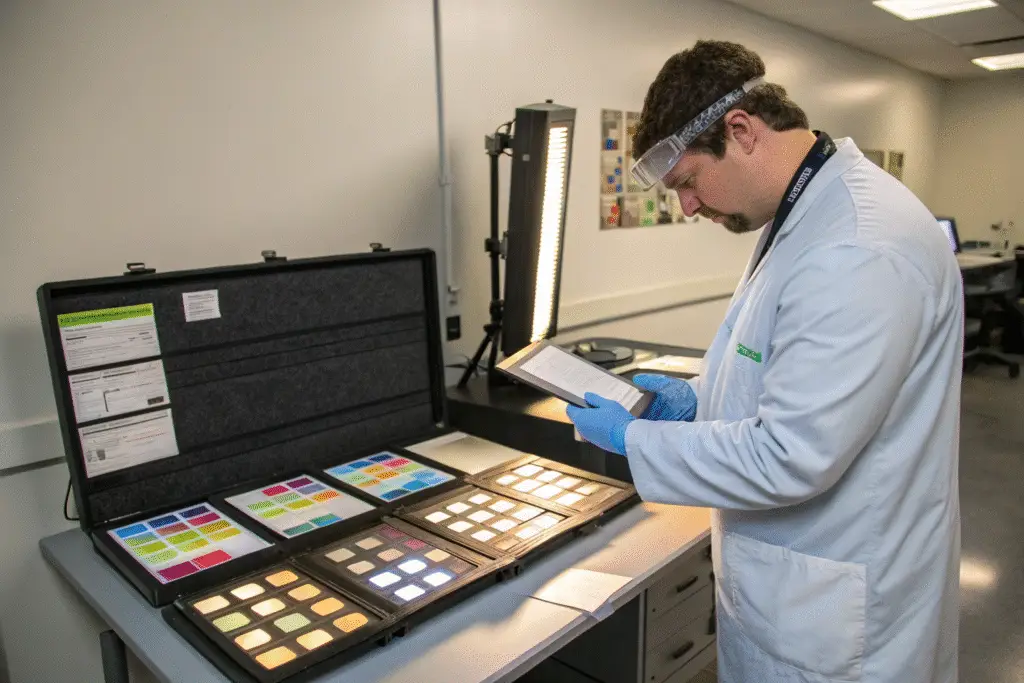
What determines the number of lab dip submissions required?
The complexity of color matching dictates the number of lab dip iterations needed. Standard colors on common fabrics typically require one or two submission rounds. However, complex colors, custom dye formulations, or challenging fabric blends often necessitate three or more revisions. This variability stems from the chemical complexities of dye absorption across different materials.
Manufacturers should therefore allocate sufficient time for multiple lab dip rounds within production schedules. Attempting to accelerate this process typically results in bulk production errors that require costly corrections. The laboratory phase ultimately determines production success, making thoroughness more valuable than speed.
What criteria justify lab dip rejection?
Several objective factors warrant lab dip rejection during the approval process. Visible color deviation from standards, whether in hue, value, or chroma, represents the most common rejection reason. Metamerism failures, where colors match under one light source but differ under others, also necessitate rejection.
Additionally, labs must reject dips demonstrating inadequate colorfastness properties during preliminary testing. Even perfect color matches become unacceptable if colors bleed or fade during normal use. Finally, labs must reject dips using incorrect substrate materials, as color appearance varies significantly across different fabrics.
Maintaining Color Consistency During Bulk Production
Transitioning from approved lab dips to bulk production introduces new challenges for color management. While laboratory conditions are controlled, mass production involves variables that can affect color outcomes. Therefore, manufacturers must implement rigorous quality control measures throughout the production cycle.
The bulk production phase begins with lot approval protocols. Before cutting operations commence, manufacturers must collect and evaluate swatches from each dye lot against approved lab dips. This critical checkpoint ensures color consistency before significant resources are invested in cutting and sewing operations. Only after formal approval should production advance to subsequent stages.
During manufacturing, continuous monitoring maintains color standards. Quality control teams conduct random inspections to identify variations within and between production lots. Spectrophotometers provide objective data by comparing bulk production readings against approved lab dip values. This data-driven approach eliminates subjective color assessment while providing documentation for quality assurance.
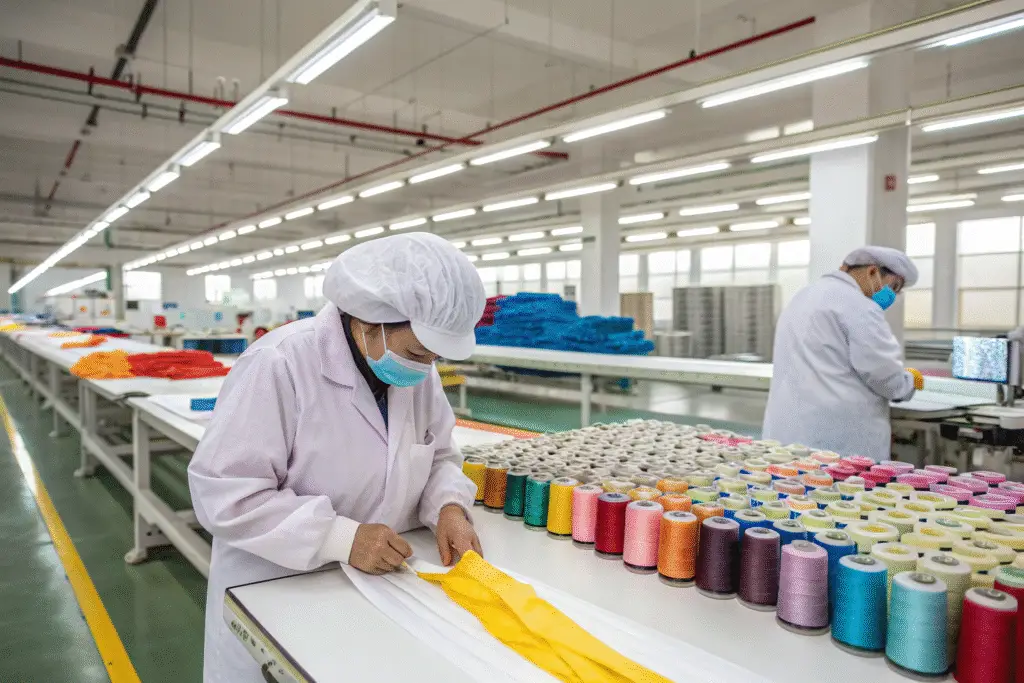
How do shade bands establish acceptable color ranges?
Shade bands define commercially acceptable color variation limits through physical swatch ranges. These tools acknowledge that industrial dyeing produces minor variations while establishing clear quality parameters. Consequently, shade bands serve as practical reference tools throughout production.
Quality inspectors use approved shade bands for rapid, consistent decision-making on the production floor. Fabric falling within the established range receives approval, while materials outside these parameters undergo rejection. This systematic approach maintains quality standards while accommodating practical manufacturing realities.
Why does in-process quality control prevent major color issues?
In-process quality control identifies problems during manufacturing rather than after completion. This proactive approach enables immediate corrective actions when color deviations occur. For instance, if inspectors detect shade variations in specific fabric rolls, production can pause while issues are resolved.
This methodology prevents small problems from escalating into major quality failures. Isolating affected materials early minimizes waste and rework costs. Ultimately, in-process monitoring protects delivery schedules while ensuring final products meet established color standards.
Addressing Common Color Challenges and Solutions
Even with optimized processes, color management faces recurring challenges that require specific solutions. Metamerism remains particularly problematic because colors that match under studio lighting may appear different in retail environments. Therefore, comprehensive evaluation under multiple light sources during lab dip approval is essential.
Dye lot variation presents another persistent challenge in mass production. Since industrial dyeing occurs in multiple batches, slight variations between lots are inevitable. The solution involves careful lot management throughout manufacturing, ensuring garments from different lots are distributed in ways that minimize visible variation to consumers.
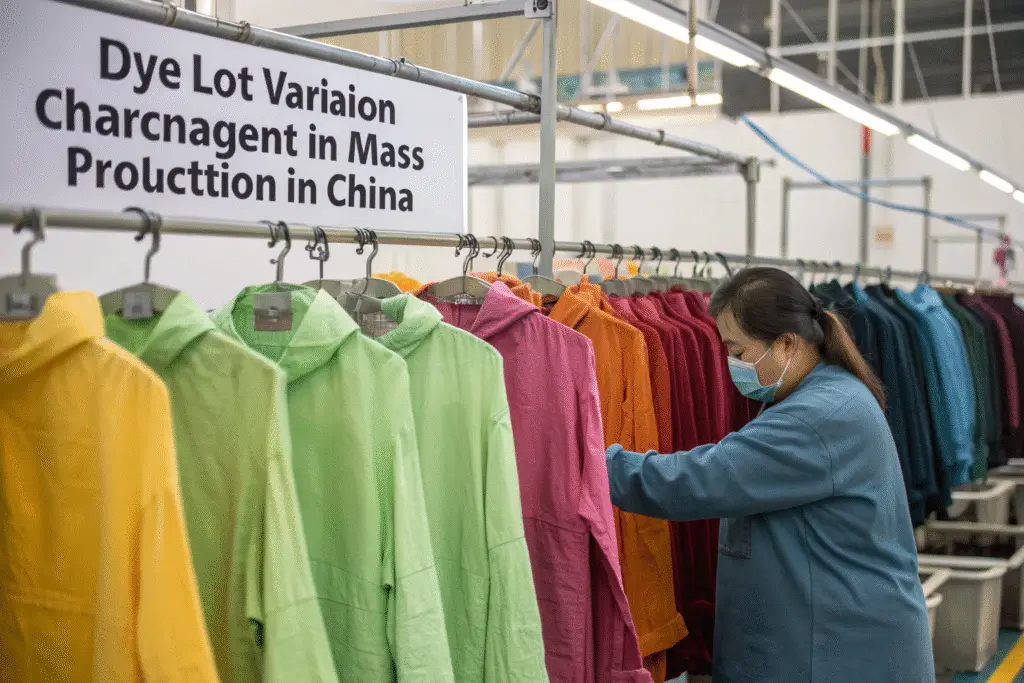
How does fabric composition influence color results?
Different fiber types interact uniquely with dye compounds, significantly affecting final color outcomes. Natural fibers like cotton absorb dyes differently than synthetic materials like polyester. Even fabric blends require specialized dyeing techniques to ensure uniform color absorption across fiber types.
These material characteristics necessitate testing colors on exact production fabrics rather than substitutes. Approving colors on alternative materials inevitably leads to unexpected results during bulk production. Understanding these material interactions helps manufacturers anticipate and address potential color issues.
What verification methods ensure supplier compliance?
Transparent verification processes build trust while ensuring quality standards. Manufacturers should provide documented evidence of their color management capabilities, including equipment calibration records and quality control procedures. Third-party certifications offer additional validation of manufacturing competencies.
Furthermore, facility audits—whether physical or virtual—allow brands to verify operational practices directly. Reputable manufacturers welcome these assessments as opportunities to demonstrate their commitment to quality. This transparency forms the foundation of successful long-term manufacturing partnerships.
Conclusion
Color consistency achievement relies on integrated systems rather than isolated efforts. The journey from initial concept to final product requires coordinated protocols across communication, laboratory testing, and production monitoring. Each phase connects to the others, creating a comprehensive framework for quality assurance.
Manufacturers who master this systematic approach transform color management from a persistent challenge into a competitive advantage. The methodology outlined provides a roadmap for eliminating color-related delays, rejects, and customer complaints. Ultimately, consistent execution of these processes ensures brand colors are reproduced accurately across production cycles.
Ready to eliminate color inconsistencies from your manufacturing process? Our systematic approach to color management ensures your brand colors are reproduced accurately every time. Contact our Business Director Elaine at elaine@fumaoclothing.com to discuss how we can become your trusted manufacturing partner.