Starting a new garment production order brings excitement, yet many brands face a critical challenge: effectively addressing sustainability from the very first meeting. While most recognize its importance, few know how to initiate this conversation productively. Consequently, this guide provides a structured approach to ensure sustainability becomes integrated into your production process from day one.
Discussing sustainable practices in your garment kick-off meeting establishes the foundation for aligning your brand’s values with your manufacturing partner’s capabilities. This initial alignment directly impacts your entire production cycle, from material selection to final delivery, ultimately ensuring your products meet both quality and ethical standards while building consumer trust.
A successful kick-off meeting extends beyond finalizing designs and costs—it forges a genuine partnership. By prioritizing sustainability discussions from the outset, you prevent misunderstandings, embed your values directly into the product, and establish a transparent supply chain. Let’s explore how to systematically structure this crucial conversation.
How to set clear sustainability goals upfront?
Establishing precise sustainability objectives at your kick-off meeting creates immediate alignment between your brand and manufacturer. Without clear goals, sustainability remains an abstract concept rather than an actionable plan. Therefore, begin by explicitly stating what you want to achieve, whether it involves using certified materials, reducing water consumption, or ensuring fair labor practices throughout production.
Clear goals serve as a practical roadmap for your manufacturer, enabling accurate feasibility assessment, appropriate material sourcing, and efficient production planning. For instance, instead of vague directives like "be more eco-friendly," specify measurable targets such as "achieve GOTS certification for our organic cotton line" or "implement 100% recycled packaging materials." This specificity transforms sustainability from an ambition into an executable strategy, ensuring all parties share identical expectations from the project’s inception.

What are the key sustainable materials to request?
When discussing materials, progress beyond basic "organic cotton" requests to include a comprehensive range of certified fabrics. Begin with Global Organic Textile Standard (GOTS) certified cotton, which guarantees both organic farming practices and fair labor conditions. Subsequently, introduce Recycled Polyester into your discussions, as it significantly reduces plastic waste while requiring less production energy compared to virgin polyester. Additionally, always inquire about fabric blends and their recyclability, since this critically impacts the product’s end-of-life environmental footprint. Presenting your preferred sustainable materials early enables your manufacturer to immediately verify availability and calculate costs, preventing delays later in the process.
How can you verify ethical manufacturing compliance?
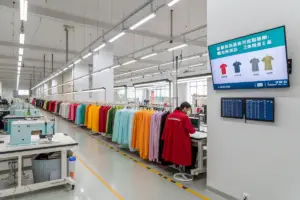
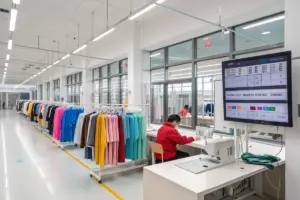
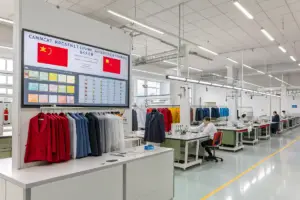
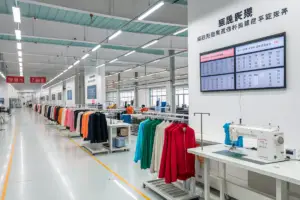
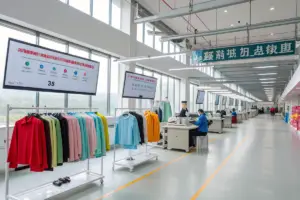
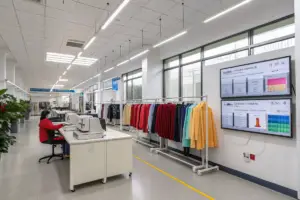
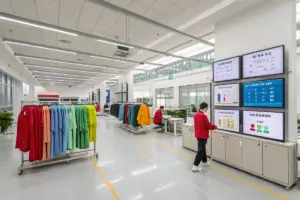
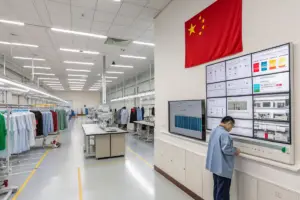
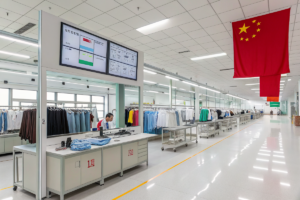
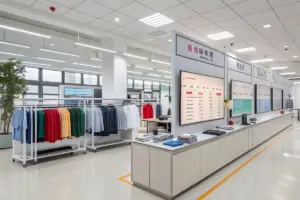
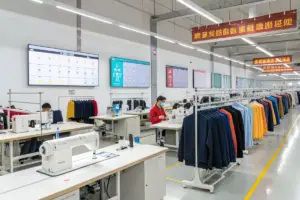
Verifying ethical manufacturing requires moving beyond certificate collection to active investigation. First, request detailed explanations of their social compliance audits and implementation procedures. Reputable partners willingly share third-party audit reports and demonstrate continuous improvement. Next, investigate their operational structure—specifically whether they own their production facilities or rely on subcontracting. At our facility, we maintain direct control over all 5 production lines and actively encourage client-appointed auditors, ensuring complete transparency in our ethical manufacturing processes. This comprehensive approach directly addresses the verification concerns that savvy buyers like you frequently encounter.
What questions ensure supplier eco-credentials?
Asking targeted questions during your kick-off meeting serves as your primary mechanism for verifying a supplier’s authentic sustainability commitment. Generic inquiries often yield misleading responses, whereas specific, detailed questions separate genuinely responsible partners from those merely employing sustainability as a marketing tactic. This rigorous approach simultaneously protects your brand from the reputational damage associated with falsified certifications.
Develop questions that demand concrete evidence rather than general assurances. For example, replace "Are you sustainable?" with "Can you provide the specific scope and validity dates for your ISO 14001 certification?" or "What percentage of your energy consumption comes from renewable sources?" This methodology not only identifies truly committed manufacturing partners but also establishes your expertise, setting elevated standards for the entire collaboration. Consequently, this due diligence becomes your strongest defense against greenwashing while building a foundation of mutual respect and transparency.

How to check for legitimate green certifications?
Verifying certification legitimacy requires a systematic approach. First, always request actual certification documents rather than accepting verbal assurances or logos on websites. Legitimate suppliers provide these willingly. Focus your verification efforts on major, internationally recognized certifications: for environmental management systems, prioritize ISO 14001, which demonstrates established frameworks for reducing environmental impact; for material safety, require Oeko-Tex Standard 100, confirming textiles contain no harmful substances. Furthermore, meticulously check the issuing certification body and validity dates to ensure they’re current and from accredited organizations. Implementing this verification step during sourcing prevents potential reputational damage and ensures your claims withstand scrutiny.
What are the signs of a transparent supply chain?
Identifying supply chain transparency involves observing specific behavioral patterns. Truly transparent suppliers voluntarily map their entire supply network, detailing fabric mills, dye houses, and component manufacturers. They should effortlessly trace finished garments back to raw material origins. Therefore, directly inquire about their traceability systems and monitoring procedures for sub-supplier compliance. If responses become evasive or lack concrete details, consider this a significant warning signal. In contrast, we practice radical transparency, providing partners complete visibility into each production stage—from raw material sourcing to finished garments—ensuring your sustainability standards permeate every tier of the supply chain.
How to integrate sustainability into product design?
Integrating sustainability during the design phase represents the most effective strategy for reducing your product’s environmental footprint. Since design decisions lock in approximately 80% of a product’s sustainability impact, addressing this during kick-off meetings creates significant environmental advantages. This approach encompasses material selection, durability considerations, and end-of-life planning before production commences.
Applying eco-design principles from the project’s inception simultaneously reduces waste and extends product lifespan. Consequently, we collaborate with clients to explore design alternatives that balance aesthetic appeal with environmental responsibility. For example, simplifying complex garment constructions can reduce material waste while maintaining visual appeal. This integrated methodology ensures sustainability becomes an inherent product quality rather than an expensive addition, ultimately delivering greater value to environmentally conscious consumers.

Why is design for longevity crucial for reducing waste?
Designing for longevity directly combats fast fashion’s disposable culture by creating durable, timeless garments that withstand multiple seasons. This strategy begins with specifying high-quality construction techniques and classic silhouettes that transcend temporary trends. Subsequently, selecting top quality fabrics that endure repeated laundering while maintaining appearance becomes essential. As a result, products designed for extended lifespans not only reduce textile waste but also strengthen brand reputation, cultivating customer loyalty through demonstrated commitment to durability and value.
How can material selection minimize environmental impact?
Material selection fundamentally determines your product’s environmental footprint, making it the most consequential design decision. During product development discussions, systematically evaluate low-impact alternatives using comprehensive lifecycle assessments. For instance, Tencel™ Lyocell, produced from sustainably sourced wood pulp through a closed-loop process that recycles nearly all water and solvents, typically consumes significantly less water than conventional cotton. Similarly, organic linen requires minimal pesticides compared to traditional crops. We guide clients through these complex comparisons, identifying materials that align with both sustainability goals and performance requirements, thereby transforming environmental considerations into competitive advantages.
| Material | Key Environmental Benefit | Common Uses |
|---|---|---|
| Organic Cotton | Grown without toxic pesticides; uses less water | T-shirts, Polos, Sweaters |
| Recycled Polyester | Made from PET bottles; reduces plastic waste | Activewear, Outerwear |
| Tencel™ Lyocell | Closed-loop production; low water impact | Blouses, Dresses, Shirts |
| Linen | Made from flax plant; requires few pesticides | Shirts, Trousers, Skirts |
How to align on logistics and DDP terms sustainably?
Completing your sustainable strategy requires addressing the logistical phase, where significant environmental impacts and operational risks reside. Therefore, your kick-off meeting must comprehensively discuss transportation methods and Incoterms arrangements. Aligning on sustainable logistics and Delivered Duty Paid (DDP) terms ensures the final product journey reflects your brand’s environmental values while providing operational reliability.
Selecting appropriate logistics partners and DDP mode agreements directly influences both carbon footprint and supply chain dependability. Under DDP terms, we assume responsibility for all risks and costs until goods reach your designated U.S. warehouse, eliminating logistical complexities from your responsibilities. This consolidated control enables optimized routing for efficiency and emissions reduction, simultaneously addressing cost-effectiveness and environmental performance while ensuring predictable delivery timelines.

What makes a shipping partner truly green?
Identifying genuinely sustainable shipping partners requires examining concrete environmental initiatives beyond basic compliance. During kick-off discussions, inquire about our logistics partners’ measurable emissions reduction targets and verification methods. Legitimate green carriers typically participate in carbon offset programs, invest in fuel-efficient vessel technologies, and increasingly utilize alternative fuels. We deliberately collaborate with forward-thinking logistics providers who document their carbon footprint reduction progress, enabling us to offer shipping options that consistently align with the sustainability standards embedded throughout your product’s creation.
How does DDP shipping prevent delays and ensure control?
The DDP mode inherently enhances supply chain control and reliability through consolidated responsibility. Since we manage the complete process from factory departure to your warehouse arrival, we proactively address potential customs clearance issues before they cause disruptions. This integrated management approach significantly reduces the shipping delays that frequently jeopardize seasonal selling opportunities—a critical concern for fashion brands. Consequently, our commitment to on-time delivery operates through this streamlined, controlled process, providing peace of mind while ensuring your sustainably produced collections reach markets precisely when needed.
Conclusion
Integrating sustainability into your garment kick-off meeting has evolved from optional consideration to business imperative. The systematic approach outlined—establishing clear goals, verifying credentials, designing responsibly, and selecting sustainable logistics—constructs a supply chain that is simultaneously ethical, transparent, and operationally superior. This comprehensive methodology transforms sustainability from marketing terminology into fundamental product value, building brand equity with increasingly conscious consumers.
Ready to partner with a manufacturer who seamlessly integrates sustainability throughout the production process? Let’s collaborate to bring your next apparel collection to life with responsibility woven into every fiber. For a direct conversation about your production needs, please contact our Business Director Elaine at: elaine@fumaoclothing.com.