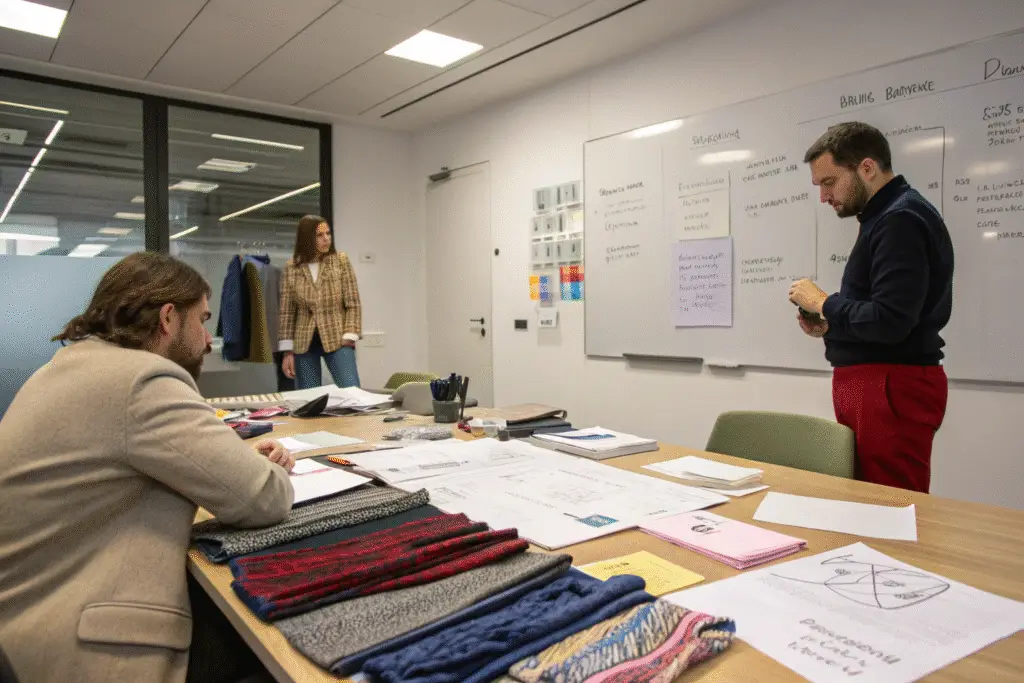
A successful apparel line starts long before the first stitch is sewn. It begins with a crucial conversation: the kick-off meeting. For many brand owners, this is where the vision for their collection meets the reality of production. But what happens when fabric sourcing, the very foundation of your product, isn’t clearly defined from the start? Incomplete fabric decisions can lead to cost overruns, delayed timelines, and products that don’t meet quality expectations. Mastering fabric sourcing in this initial meeting is the key to a smooth and profitable production journey.
Handling fabric sourcing in the apparel kick-off meeting requires focusing on three fundamental areas: design technical requirements, material compatibility, and cost-timeline implications. A structured approach to these elements ensures your vision translates into manufacturable products while maintaining quality and meeting business objectives.
Many brand owners enter kick-off meetings with design concepts but without considering how technical requirements impact production. This gap often leads to compromised designs or budget overruns. By addressing design specifications, material performance, and financial practicalities systematically, you can establish a clear roadmap that aligns creative vision with manufacturing reality.
How Do Design Technical Requirements Impact Fabric Choice?
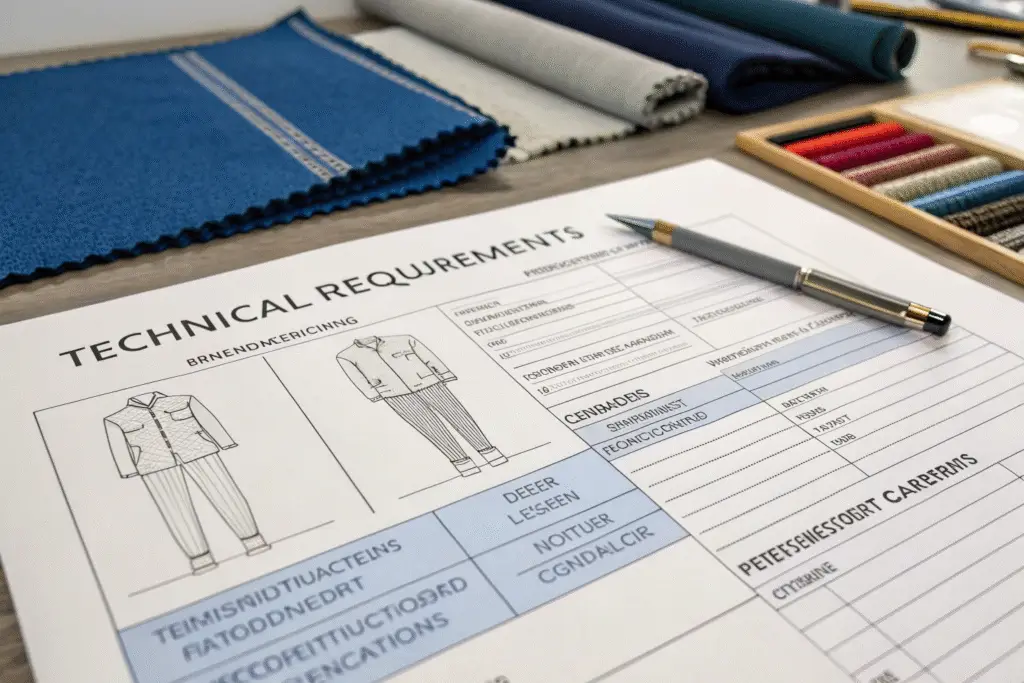
Design technical requirements form the blueprint for fabric selection. Every design element—from silhouette to construction details—dictates specific fabric characteristics needed for successful execution. Overlooking these technical aspects often results in garments that don’t perform as intended or require costly modifications during production.
The relationship between design and fabric is reciprocal. A structured blazer requires fabrics with body and stability, while flowy dresses need materials with excellent drape. Detailed artwork examination identifies potential production challenges—extremely fine lines may not embroider cleanly on certain fabrics, while large solid areas in screen printing might develop cracks if improperly executed. The manufacturer’s technical team can recommend adjustments to ensure your designs maintain integrity throughout the product lifecycle.
What specific design elements dictate fabric properties?
Several design elements directly determine fabric requirements. Seam construction influences fabric weight and stability—French seams require lighter fabrics while flat-felled seams work with heavier materials. Embellishment placement affects fabric density; sequins and beads need tightly woven foundations to prevent sagging. Garment fit determines stretch requirements; body-hugging designs need excellent recovery properties. Even care instructions impact fabric selection—designs requiring dry cleaning open up fabric options that wouldn’t survive home washing.
How can technical specifications prevent production issues?
Technical specifications serve as preventive medicine against production problems. Clearly documented specs for fabric weight tolerance prevent suppliers from delivering materials that are too heavy or light for the intended design. Color fastness requirements ensure dyes withstand washing and light exposure. Dimensional stability standards prevent shrinkage issues after production. Establishing these specifications during the kick-off meeting creates objective benchmarks for quality acceptance.
Why Does Material Compatibility Determine Product Success?
Material compatibility extends beyond basic aesthetics to encompass performance, care, and durability characteristics. The right fabric not only looks good but performs consistently under real-world conditions. Understanding how different materials behave in various applications prevents costly mistakes and ensures customer satisfaction.
Compatibility considerations span multiple dimensions. Fiber content affects moisture management, thermal regulation, and durability. Fabric construction influences drape, strength, and recovery. Surface treatments impact hand feel, appearance, and performance. A failure in any of these areas can render otherwise beautiful garments unwearable or unsuitable for their intended purpose.
How do you match fabric properties to garment function?
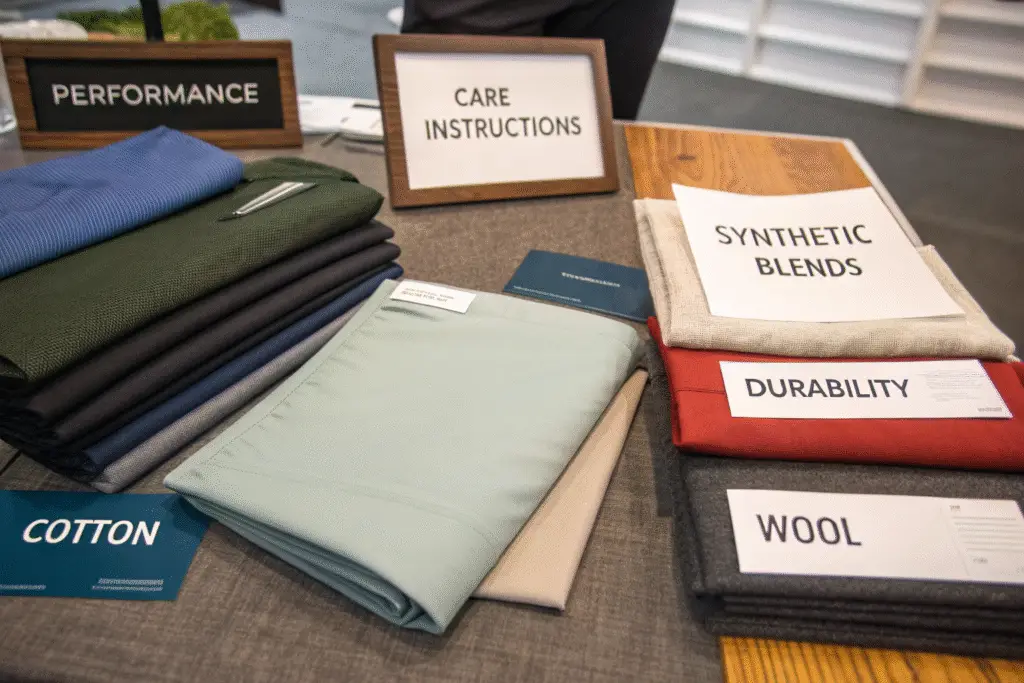
Matching fabric to function requires analyzing performance requirements across multiple parameters. Activewear demands moisture-wicking capabilities and four-way stretch for freedom of movement. Outdoor gear needs water resistance and breathability. Children’s wear requires durability, softness, and easy care. Formal wear prioritizes drape, luster, and luxury hand feel. Each category has distinct fabric requirements that must be identified during initial discussions to ensure the final product meets user expectations.
Several compatibility challenges aren’t immediately obvious. Dye absorption varies between natural and synthetic fibers, affecting color matching across different materials. Shrinkage rates differ between fabric types, causing distortion in multi-fabric garments. Abrasion resistance varies, leading to uneven wear patterns. Care requirements conflict when garments combine dry-clean-only elements with machine-washable components. Addressing these potential conflicts during the kick-off meeting allows for design adjustments or sourcing alternatives that prevent problems during production and use.
How Do Cost-Timeline Implications Affect Sourcing Decisions?
Cost and timeline considerations fundamentally shape fabric sourcing strategies. Every sourcing decision carries financial and scheduling consequences that impact overall project viability. Understanding these implications during the kick-off meeting enables informed decision-making that balances quality, budget, and delivery requirements.
The cost-timeline relationship often involves trade-offs. Standard fabrics offer lower costs and faster availability but limit design differentiation. Custom-developed materials provide uniqueness but require longer lead times and higher development costs. Availability fluctuations, minimum order quantities, and production complexity all influence both timing and budgeting decisions.
What cost factors beyond price per yard matter?
True fabric costing extends far beyond the price per yard or meter. Fabric yield efficiency affects how much material is actually used versus wasted. Marker efficiency varies by fabric pattern and width, impacting consumption rates. Production waste percentages differ between materials—slippery fabrics typically generate more waste than stable ones. Testing costs, import duties, shipping expenses, and storage requirements all contribute to the total landed cost that ultimately determines product profitability.
How do sourcing timelines impact production scheduling?
Fabric sourcing timelines create critical paths for production scheduling. Standard materials may be available in 2-3 weeks, while custom developments can require 8-12 weeks. Quality testing adds 1-2 weeks, and shipping from overseas mills can take 4-6 weeks. These timelines must be mapped against product launch dates to determine feasible sourcing options. Missing fabric delivery deadlines creates ripple effects through sampling, production, and final delivery, potentially causing missed selling seasons and lost revenue opportunities.
Conclusion
Successful fabric sourcing in apparel kick-off meetings requires balancing three interconnected pillars: design technical requirements, material compatibility, and cost-timeline implications. By addressing these areas systematically, brands can transform their sourcing approach from reactive problem-solving to proactive strategy development. This comprehensive methodology ensures that fabric decisions support both creative vision and business objectives throughout the product lifecycle.
The foundation of effective sourcing begins with choosing the right manufacturing partner. At Fumao Clothing, we integrate these three fundamental areas into every kick-off meeting, providing the technical expertise and strategic guidance needed to make optimal fabric decisions. Our approach ensures your designs translate into commercially viable products that meet quality standards, budget requirements, and delivery timelines. To experience how our systematic sourcing methodology can benefit your next collection, contact our Business Director, Elaine, at elaine@fumaoclothing.com. Let us help you build a stronger foundation for your apparel line through strategic fabric sourcing.