Custom logo design represents a crucial phase where your brand vision transforms into tangible apparel products. This development meeting serves as the foundation for your entire manufacturing journey, determining both the aesthetic appeal and production feasibility of your branded garments. When managed effectively, this meeting ensures your logo application meets quality standards while aligning with your commercial objectives and timeline requirements.
A strategically executed custom logo design meeting establishes the framework for successful apparel production, merging creative vision with manufacturing practicality to guarantee quality assurance, timely delivery, and brand consistency across all garment units.
Many brands encounter challenges during logo development that can lead to production delays, cost overruns, and unsatisfactory results. These issues typically stem from inadequate preparation, unclear communication, or insufficient technical knowledge. By implementing a structured approach to these meetings, you can avoid common pitfalls and establish a productive partnership with your manufacturer.
How to prepare for a logo design meeting?
Thorough preparation forms the cornerstone of any successful logo development discussion. Comprehensive planning demonstrates your professionalism while enabling efficient use of meeting time. Proper preparation ensures all critical aspects receive appropriate attention and prevents unnecessary revisions later in the production process.
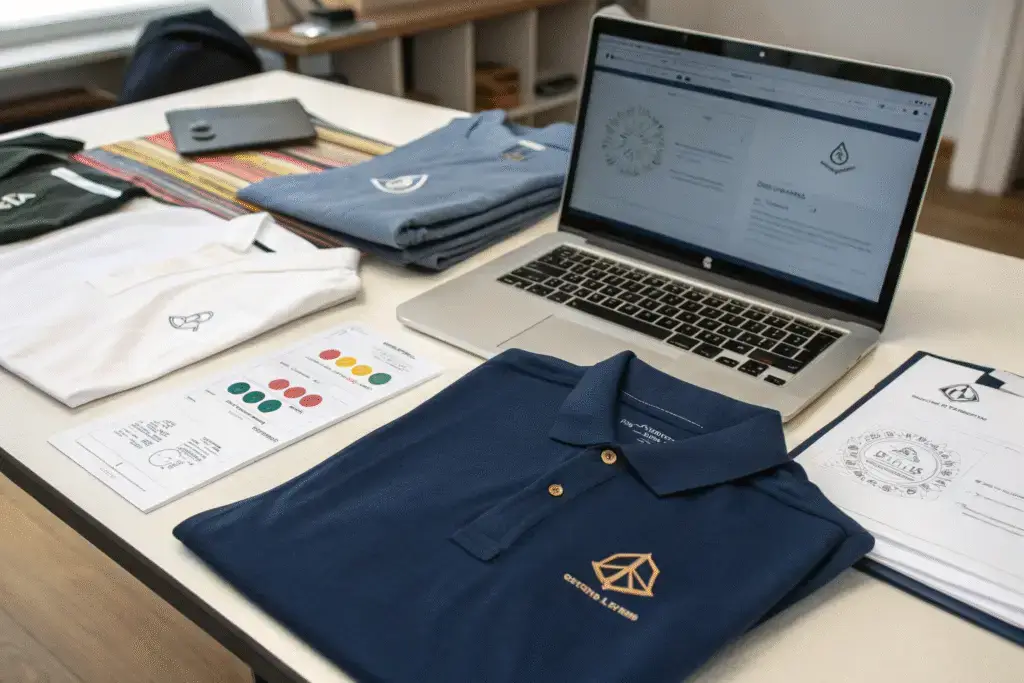
Begin by compiling a complete set of reference materials, including your brand style guide, previous logo iterations, and examples of logo applications you admire on similar garments. Clearly define your target demographic, as this influences the optimal application method. For detailed designs on limited editions, direct-to-garment printing often provides the best solution, whereas embroidery techniques typically deliver superior durability and premium appearance for classic styles like polo shirts.
What materials should you bring to the meeting?
Assemble a comprehensive brand kit containing your logo in high-resolution vector formats (.AI or .EPS) to ensure scalability without quality loss. Include precise Pantone color codes for accurate color matching and provide explicit guidelines regarding unacceptable logo variations. Bringing physical samples of garments with logo applications you appreciate offers tangible reference points for quality and aesthetic preferences.
How to set clear design objectives beforehand?
Establish specific design goals by determining whether you prioritize premium appearance, maximum durability, or cost efficiency. These priorities directly influence the selection of application techniques. Decide on exact logo placement and dimensions, considering standard industry practices—left chest logos typically measure 3-4 inches wide. Present your budget parameters to enable the manufacturer to recommend the most appropriate method, whether screen printing for large quantities or DTG printing for complex, full-color designs.
What are the key topics to cover during the meeting?
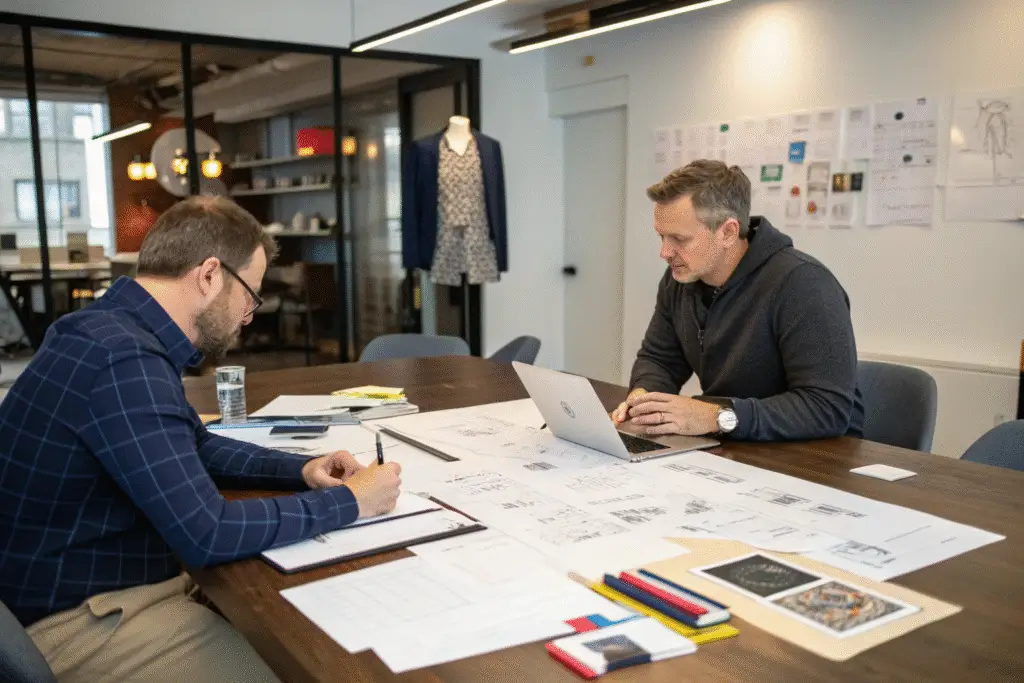
The development meeting itself requires focused discussion on technical specifications and practical considerations. A well-structured agenda ensures comprehensive coverage of all essential elements while facilitating informed decision-making. This conversation represents your opportunity to leverage the manufacturer's expertise for optimal results.
Center your discussion around three fundamental areas: design technical requirements, material compatibility, and cost-timeline implications. Detailed artwork examination identifies potential production challenges—extremely fine lines may not embroider cleanly, while large solid areas in screen printing might develop cracks if improperly executed. The manufacturer's technical team can recommend adjustments to ensure your logo maintains its integrity throughout the product lifecycle.
| Topic | Key Discussion Points | Why It Matters |
|---|---|---|
| Design Technicality | Artwork format, color separation, size scalability | Ensures production feasibility and visual sharpness |
| Material Compatibility | Logo technique interaction with selected fabrics | Determines final appearance, texture, and durability |
| Cost & Timeline | Per-unit costs, setup fees, production scheduling | Enables accurate budgeting and sales season planning |
How to discuss logo placement and sizing effectively?
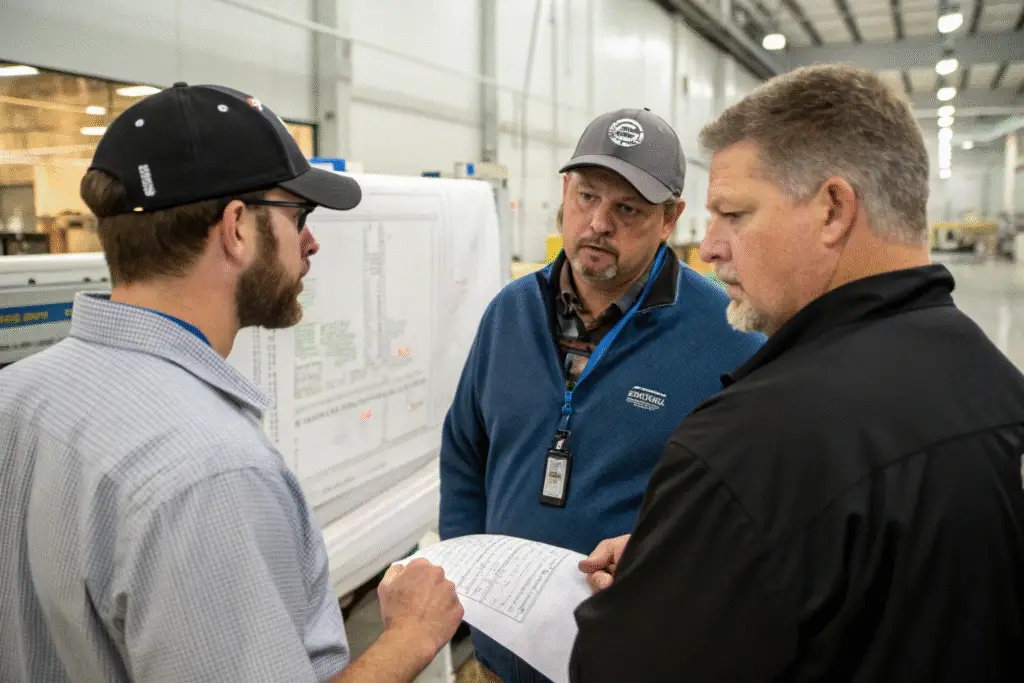
Utilize physical samples during placement discussions, creating mock-ups with tape to visualize positioning. Review standard sizing conventions for your specific garment type and solicit the factory's recommendations based on their experience. Manufacturers can showcase successful examples and highlight potential issues, helping you avoid production delays caused by last-minute sizing adjustments.
What questions to ask about production techniques?
Inquire about the advantages and limitations of each technique relative to your design complexity and order volume. For embroidery, discuss stitch density and its impact on different fabrics. For printing applications, ask about wash fastness testing protocols and durability standards. Request to examine physical samples of each technique on your actual chosen fabric—reputable manufacturers maintain extensive sample libraries demonstrating the quality and longevity you can expect.
How to ensure quality control for custom logos?
Quality assurance for custom logos initiates during the development meeting through established standards and clear expectations. This proactive approach prevents quality issues before production begins, safeguarding your brand reputation across all manufactured units.
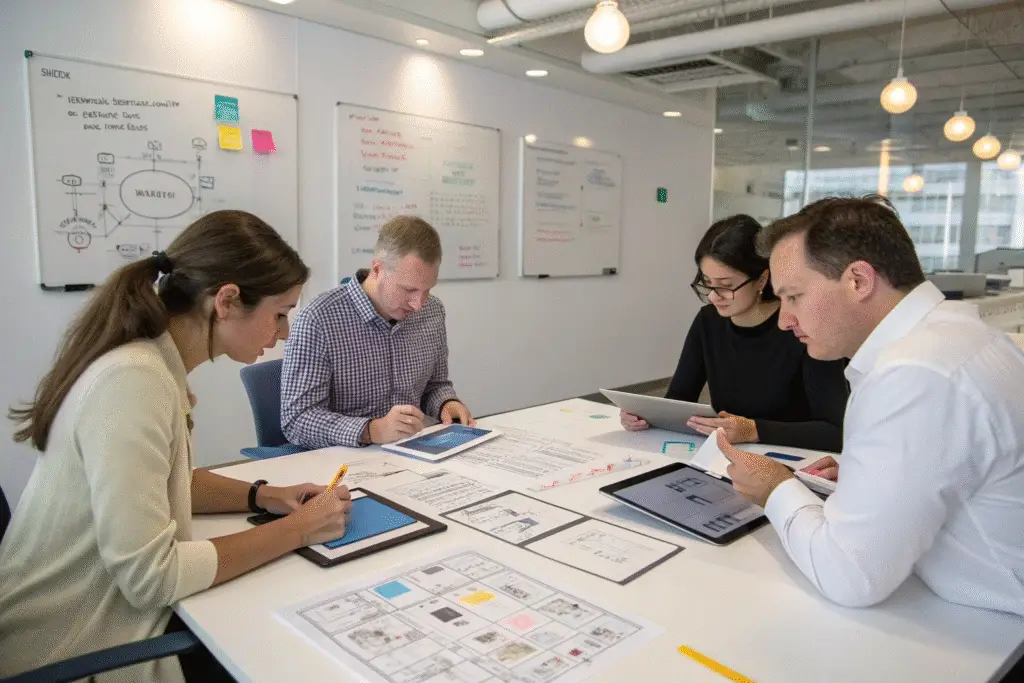
Implement a detailed approval protocol for logo prototypes, creating your primary defense against quality discrepancies. Require physical strike-off or embroidered samples before authorizing full production—these samples become the definitive quality benchmark for your entire order.
What are the standards for logo color matching?
Employ the Pantone Matching System (PMS) for precise color specification, providing exact codes for each logo color. Recognize that colors manifest differently across various materials—a vibrant hue on white cotton may appear muted on grey fleece. Professional manufacturers provide color matches on your actual production fabric for approval, implementing crucial textile color matching processes to ensure consistency.
How to create a perfect logo prototype sample?
The approved prototype sample establishes the quality standard for mass production. Conduct thorough inspection of alignment, edge definition, and overall appearance. Consider performing wash tests to verify application durability—check for embroidery puckering or print cracking/fading. Your sample approval indicates acceptance that all production units should match this standard, forming an essential component of comprehensive garment quality assurance that addresses concerns about quality misrepresentation.
How to handle feedback and revisions post-meeting?
Post-meeting feedback management maintains project momentum while preserving schedule integrity. Clear, organized communication during this phase distinguishes exceptional manufacturing partners from adequate ones, directly addressing the communication inefficiencies that frustrate many buyers.
Establish a single communication channel, ideally through a designated contact like our Business Director Elaine, to consolidate all feedback. Compile comments into a unified document supplemented with visual annotations—this methodology minimizes misinterpretation and reduces unnecessary correspondence.
What is the best process for sample approval?
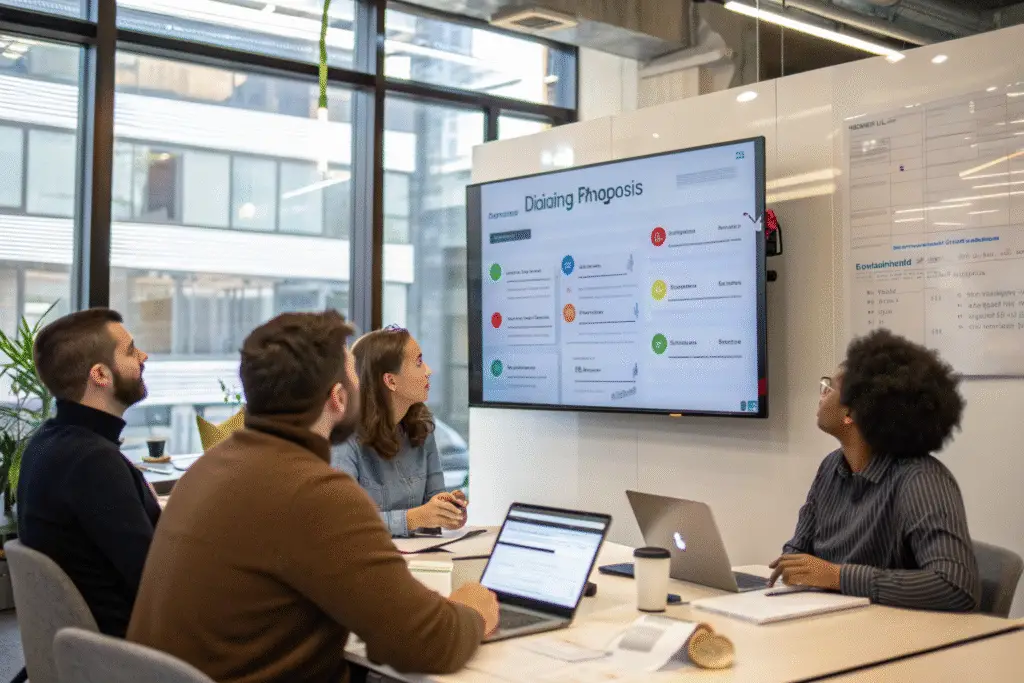
Implement a structured approval workflow: the factory first submits digital proofs based on meeting decisions, then produces physical prototypes upon your digital approval. Commit to providing feedback on physical samples within agreed timeframes—adherence to this schedule is vital for maintaining production schedules and preventing missed selling opportunities. Clearly categorize feedback as "Approved," "Approved with Comments," or "Revisions Required."
How to manage timelines after making changes?
Acknowledge that post-approval modifications inevitably affect timelines. Immediately request updated production schedules following revision confirmation. Seek transparent assessment of how changes impact critical path elements—simple color adjustments may cause minor delays while complete logo redesigns require significant rescheduling. Reliable partners provide honest timeline impacts and collaborate to minimize shipping delays, ensuring DDP terms are honored and market deadlines are met.
Conclusion
Successful custom logo design management during development meetings follows a systematic methodology encompassing thorough preparation, comprehensive technical discussion, rigorous quality standard establishment, and efficient feedback management. This structured approach converts a potentially challenging process into a strategic advantage, ensuring your branded apparel accurately embodies your vision while meeting quality expectations and delivery timelines.
Mastering this process fosters stronger manufacturer relationships while directly addressing prevalent industry challenges like communication breakdowns and scheduling delays. Should you seek a manufacturing partner committed to transparent communication, reliable delivery, and exceptional quality in every logo application, we welcome the opportunity to support your apparel vision. For personalized discussion regarding your next collection, please contact our Business Director, Elaine, at elaine@fumaoclothing.com.