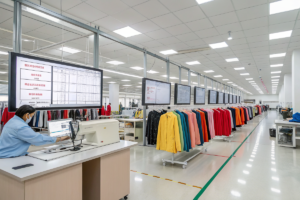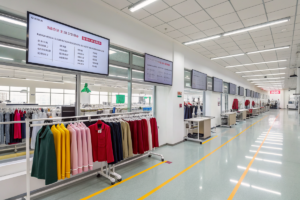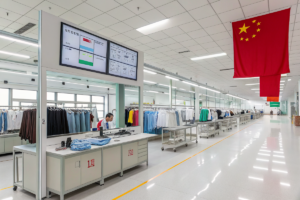
Starting a new clothing line brings excitement. You have creative designs and a planned budget. You also have a target timeline. However, one common hurdle can disrupt everything. That hurdle is sample rejection. This problem often occurs when sample approval is not clearly defined from the start. Discussing sample approval in the kick-off meeting is essential. It is not just a routine step. It builds the foundation for a smooth production journey. This process ensures your vision becomes a real product. The final product will meet your quality standards and market expectations.
A clear sample approval process is crucial when started early. It aligns the brand and the manufacturer on key points. These points include quality standards and design specifics. It also sets the project timeline from the beginning. This alignment prevents costly revisions and delays later. It transforms a potential conflict into a structured partnership. This proactive approach is a powerful tool. It ensures a successful garment manufacturing collaboration.
Moving from a design concept to mass production is complex. Many brands focus on main order details. They often overlook the sample stage. This oversight can lead to misunderstandings. Establishing the sample approval process early creates a clear roadmap. It keeps both teams aligned. It also prevents unexpected problems. Let us examine the key reasons this topic is vital for your kick-off meeting.
How Does Early Sample Approval Save Time and Money?
Early sample approval saves significant time and money. Approving samples without a clear benchmark causes problems. The needed revisions can stop production lines. They also increase costs. Setting approval criteria during the kick-off meeting creates an efficient workflow. This prevents expensive corrections during production.

Delayed sample approval creates a chain of hidden costs. First, it stops production lines. Factories plan their schedules based on set timelines. A late sample approval forces rescheduling. This leads to idle workers and machines. This downtime is a direct financial loss. Second, rushed revisions need faster shipping. This applies to new samples and materials. Expedited shipping costs much more than standard logistics. Finally, a delayed product launch can make you miss a key selling season. This impacts your sales and profit greatly. Establishing a clear quality control plan early avoids these issues.
How does a clear sample process prevent production errors?
A clear sample process prevents mass production errors. An approved sample becomes the physical standard for the entire order. The kick-off meeting should confirm every detail. This includes fabric weight and stitch type. It also includes color shade and trim placement. This approved sample guides the factory’s production lines. It also directs the workers. Without this standard, small mistakes in the first batch may go unnoticed. This can ruin a whole production run. Using a detailed production checklist based on the sample ensures every unit meets expectations. It saves you from the high cost of redoing an entire order.
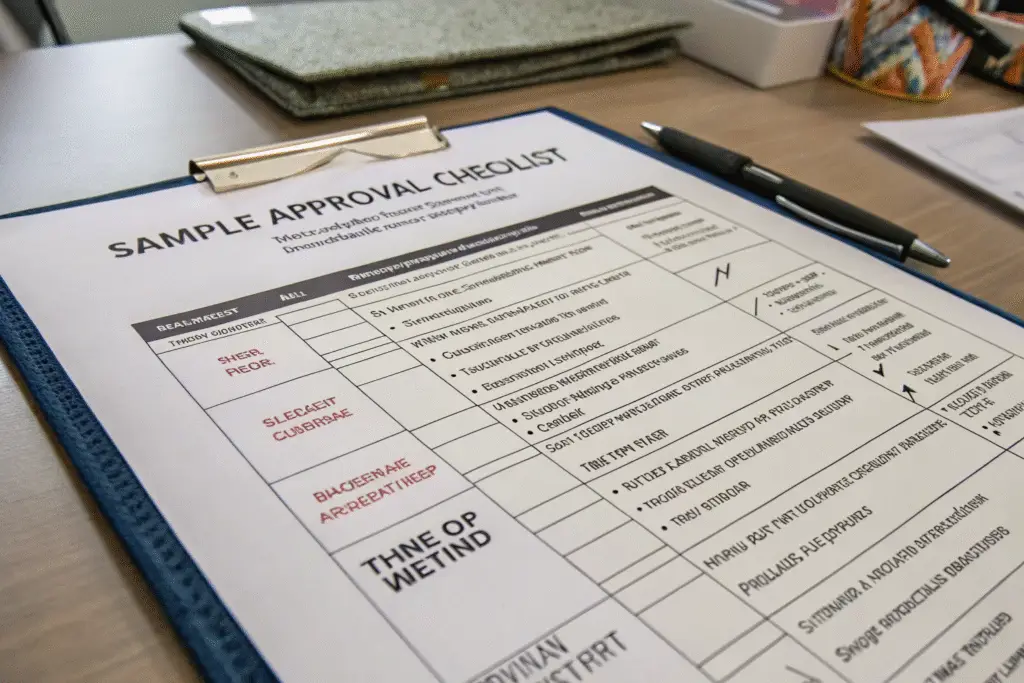
What Should Be Included in a Sample Approval Checklist?
A detailed sample approval checklist is important. It should be agreed upon during the kick-off meeting. It turns subjective feedback into clear, actionable steps. It ensures nothing is forgotten. This covers the fabric’s hand-feel and the final packaging. This document becomes the reliable reference for both parties. It makes communication smoother. It also ensures consistency.
Why is fabric quality and composition a top checklist item?
Fabric is the core of a garment. Its quality and composition affect the look and feel. They also influence durability and price. Checking the fabric against the agreed swatch is critical. This confirms the material blend. It checks the weight in GSM. It verifies the weave or knit type. It also assesses the hand-feel. A small change here can alter the product completely. For example, a heavier fabric composition than planned can make a summer shirt too warm. It can also make it more expensive. Confirming this with the first sample prevents a basic and costly bulk error.
How do you effectively evaluate stitching and construction details?
Stitching and construction make fabric into a strong garment. The evaluation must be careful. Check the stitches per inch (SPI). A higher SPI usually means better quality and durability. Look for even seam allowances. Ensure secure bar tacks at stress points. These include pockets and crotches. The inside finishing should be neat. The construction should allow comfortable movement. All parts like collars and cuffs must be symmetrical. They should be aligned properly. Using an industry guide like the ASTM clothing standards offers an objective way to check these details. It ensures the garment is both attractive and well-made.
How Does Sample Approval Impact Your Production Timeline?
Sample approval directly affects your production timeline. Any delay in approving a sample pushes back bulk production. It also delays the final delivery date. Planning this during the kick-off meeting creates a practical schedule. It allows time for revisions. This ensures your products reach the market on time.

What is a realistic timeline for the sampling cycle?
A realistic sampling cycle takes more time than many expect. Making a first proto sample usually takes 10-15 days. Shipping it from China to the U.S. takes 3-7 days by express mail. The brand then needs 5-7 days to check and give feedback. If changes are needed, a second sample takes another 10-15 days plus shipping. So, one smooth sampling round can take 3-4 weeks. Planning for two rounds in your schedule is a smart approach. It avoids last-minute stress. It also supports better efficient logistics planning for the final shipment.
How can delayed approval affect your final delivery date?
Delayed sample approval has a multiplying effect on your delivery date. Imagine your production time is 45 days. Shipping takes 30 days. A 15-day sample delay pushes your whole timeline back by 15 days. This delay might place production during the factory’s busy season. It could also coincide with a Chinese holiday. This adds more delays. Crucially, it may mean your goods miss the scheduled ship. This adds 1-2 weeks waiting for the next ship. Such a delay is a serious pain point for distributors. They depend on timely arrivals to supply retailers. This can cost significant sales and harm business relationships.
What Are Common Sample Approval Mistakes to Avoid?
Common mistakes can weaken the sample approval process. Knowing these pitfalls helps build a stronger system. We often discuss these with buyers like Ron during kick-off meetings. This protects your product quality and business interests.

Why is unclear feedback on samples a major hurdle?
Unclear feedback is a major hurdle in sampling. Comments like "the fit is off" are too vague. They are not helpful. They make the factory guess. This leads to more revision cycles and delays. Good feedback is specific and objective. Use numbers and standards. Instead of "fit is off," say "add 1 inch to the chest." Instead of "color is wrong," provide a Pantone number. Use tech packs and mark up photos. This clear communication is key to reliable apparel manufacturing. It helps us get your vision right the first time.
How can you verify supplier certifications and fabric authenticity?
Trusting only the sample is risky. Some suppliers may send a good sample but use cheaper materials in bulk. You must check their credentials early. Ask for relevant certificates at the kick-off meeting. For organic cotton, request the GOTS (Global Organic Textile Standard) certificate. For ethical production, ask about BSCI (Business Social Compliance Initiative) audits. A trustworthy factory like Fumao Clothing will share these documents openly. You can also ask for a bulk fabric swatch for final confirmation. This step ensures the real product matches the sample quality.
Conclusion
In summary, discussing sample approval early is a strategic need. It sets a clear quality standard. It creates a practical production schedule. It enables precise communication. This proactive method reduces risks. It controls costs. It builds trust between your brand and your manufacturer. Investing time in this first phase ensures your entire order runs smoothly. The final products will truly reflect your vision. They will satisfy your market.
We hope this explains the importance of sample approval. If you need a reliable partner who values clear communication and strong quality control, we can help. We handle production complexities. You can focus on growing your brand. For a smooth process in creating your apparel, contact our Business Director, Elaine. Her email is elaine@fumaoclothing.com. Discuss your next clothing order with her.