You select your private label clothing manufacturer. Your designs are finalized. The project excitement builds. Then communication errors occur. The first sample has the wrong color. The production schedule extends. Your initial enthusiasm becomes stress. This situation happens frequently. It usually starts with one overlooked step. That step is the kick-off meeting.
A kick-off meeting establishes the foundation for private label clothing success. It creates alignment between your brand vision and manufacturing capabilities from the beginning. This alignment prevents expensive mistakes. It ensures a smooth process from concept to delivery. Consider this meeting your production blueprint. Skipping it resembles constructing a building without plans. American apparel brands source from overseas partners like our Chinese factory. This initial coordination becomes crucial. It protects both your profits and brand reputation.
We will examine how this single meeting transforms into your most valuable production tool.
What constitutes a private label clothing kick-off meeting?
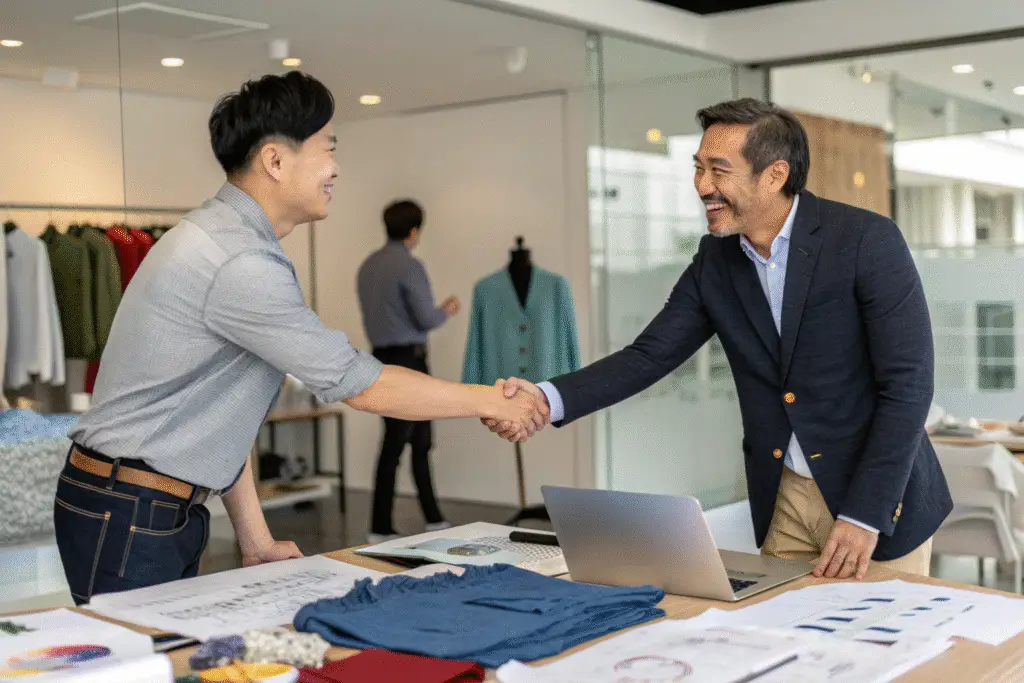
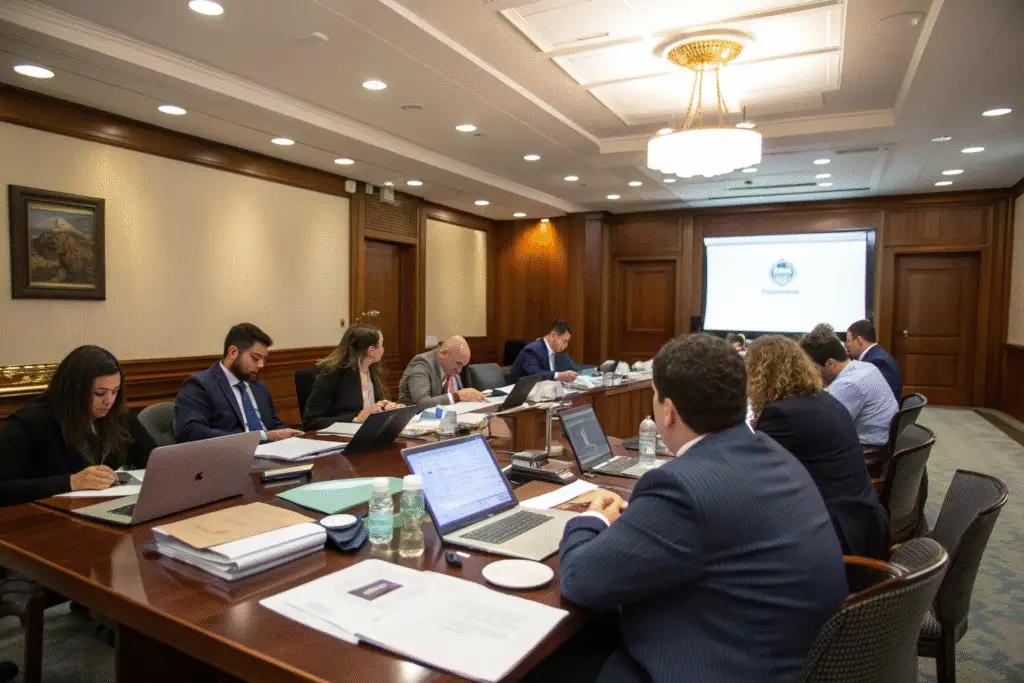
A private label kick-off meeting is the first official meeting. It occurs after signing the agreement with your clothing manufacturer. This is not an informal discussion. It represents a structured session involving all key stakeholders. The objective is aligning every product detail before physical production commences. This meeting establishes the partnership tone. It converts your vision into an actionable shared plan.
This meeting initiates your private label program strategically. It guarantees both teams understand identical requirements. The meeting shifts discussions from assumptions to agreements. Brand owners gain their best opportunity through this process. It ensures manufacturers comprehend your quality standards completely. It confirms they understand your brand identity. It verifies they recognize your business objectives.
Why is production initiation without this meeting risky?
Starting production without a kick-off meeting involves significant risk. This approach depends on hope and assumptions. You might assume the factory understands your specific "heather grey" shade. The factory might assume you accept standard polyester blends. These assumptions create mistakes. A formal meeting eliminates such guesswork. It mandates detailed specification discussions. This procedure forms our product development service core. We document all decisions thoroughly. This documentation creates a single reference guide. It directs the entire production process. It prevents expensive later revisions.
Which participants are essential for this meeting?
Correct attendance is vital for meeting effectiveness. Your brand side requires the decision-maker. This is typically the owner or CEO. It also needs the person overseeing product design and quality. Our manufacturing side includes the project manager. It involves a key quality control team representative. It requires a senior sample maker. These participants in one room or virtual call enable immediate technical answers. They permit instant manufacturability assessment for design ideas.
What key topics does a kick-off meeting address?
A successful kick-off meeting follows a clear agenda. We concentrate on four fundamental areas. These are design, quality, timeline, and logistics. Comprehensive topic coverage builds a solid production foundation. It converts abstract concepts into concrete measurable targets. This clarity enables our on-time delivery promise for American clients.
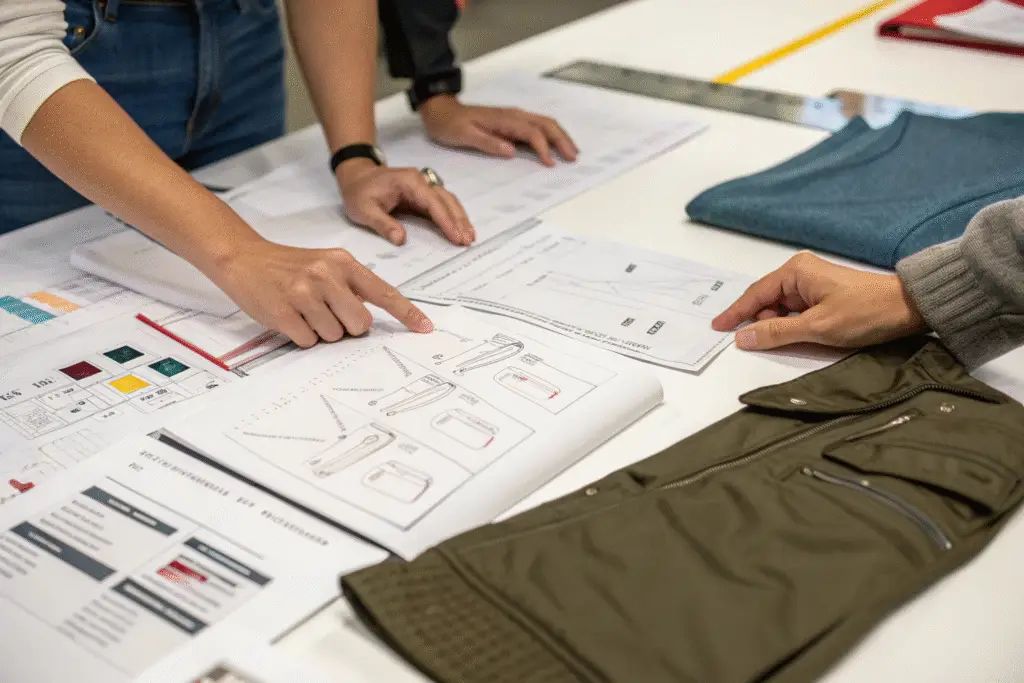
The discussion must be thorough. We examine every detail meticulously. We review the tech pack line by line. We inspect physical fabric swatches and trim cards. We establish definite quality check benchmarks. We create a realistic mutual schedule for all milestones. This covers proto-sample development to final delivery.
Which technical specifications require absolute clarity?
This phase involves deep technical examination. We review the approved sample thoroughly. We analyze the tech pack completely. We verify all garment specifications. These include fit, measurements, fabrics, and colors. Pantone codes standardize color communication. We confirm all trim components. These encompass buttons, zippers, labels, and packaging. This stage addresses special washes or finishes. Detail documentation prevents most production errors. Specific fabric confirmation illustrates this importance. GSM confirmation for jersey knit matters. Denim fabric construction verification is essential.
How do parties establish a definitive production timeline?
A realistic timeline requires collaborative development. We provide our standard production schedule first. This considers your order quantity and complexity. Then we synchronize it with your critical deadlines. These might include selling seasons or product launches. We divide the timeline into distinct phases. Each phase has clear deadlines and responsibilities.
| Phase | Milestone | Responsible Party |
|---|---|---|
| Pre-Production | Fabric Sourcing & Approval | Factory |
| Pre-Production | Proto/Sample Approval | Brand |
| Production | Bulk Fabric Cutting | Factory |
| Production | Sewing & Assembly | Factory |
| Production | Final Inspection & Shipping | Factory & Brand |
This shared schedule ensures mutual accountability. It facilitates your marketing and sales planning. It enables our proactive production line management. It ensures we meet your delivery expectations.
How does a kick-off meeting generate time and cost savings?
A kick-off meeting represents a high-return investment. It creates substantial time and cost savings. It achieves this by preventing errors and delays. The meeting consumes one to two hours. It can save weeks of rework. It can prevent thousands in lost inventory. It avoids missed sales opportunities. Business owners achieve cost efficiency through this process.
Consider a single mistake’s financial impact. Imagine logo embroidery placement errors on 5,000 units. The entire batch might require reworking. It might need complete disposal. The financial loss includes garment costs. It includes reproduction expenses. It incorporates intangible costs from delayed launches. A kick-off meeting systematically identifies these risks. It eliminates them proactively.
How does the meeting prevent expensive production errors?
The meeting prevents errors through absolute clarity creation. Mutual agreement on details reduces miscommunication chances significantly. We identify potential production challenges during this time. For example, complex stitch designs receive special attention. Our production manager verifies proper machinery availability. This proactive problem-solving defines our full-package manufacturing service. It ensures design feasibility at production scale. It protects your profit margins effectively.
How does the meeting improve communication efficiency?
The kick-off meeting establishes definitive communication protocols. We determine primary contacts for different issues. Design questions route to the project manager. Quality reports direct to the QC lead. This prevents email chain confusion. It builds personal relationships between teams. This personal connection is invaluable. It addresses the communication inefficiency challenge. Many buyers experience this when sourcing from China.
What risks accompany kick-off meeting omission?
Skipping the kick-off meeting constitutes a high-risk decision. It introduces unnecessary supply chain vulnerabilities. Without this foundational alignment, each subsequent step risks misunderstanding. The risks vary from minor issues to business-critical failures. These can damage client relationships and brand equity.
The most frequent outcomes include shipment delays. They involve products failing expectations. These represent primary pain points for business owners. Our experience demonstrates something clearly. Projects without proper kick-off meetings encounter more disputes. They require more remakes. They ultimately strain manufacturer-brand relationships.
Does omission cause shipment delays?
Yes, unequivocally. Delays directly result from poor initial planning. Fabric approval requires formal swatch sign-off. Without this, production cannot commence. Samples need multiple revisions with unclear initial briefs. This pushes entire schedules backward. You might miss crucial selling seasons. Our efficient export & logistics commitment depends on solid pre-production. This starts with the kick-off meeting.
How does omission impact final product quality?
Final product quality faces direct risk. Without shared quality benchmarks, factories use their standards. These might not match your standards. A kick-off meeting reviews your specific quality assurance checklist. We agree on stitch density per inch. We establish color matching tolerance levels. We confirm button pull-test strength requirements. Omitting this conversation removes enforceable inspection standards. This leaves final quality to chance.
Conclusion
A kick-off meeting transcends mere formality. It represents the most strategic initial step for private label clothing lines. It aligns your vision with our execution capabilities. It establishes transparent communication channels. It constructs a strong partnership foundation. This meeting directly addresses core pain points. These include shipment delays, quality issues, and communication inefficiencies. It transforms supplier relationships into collaborative partnerships. It ensures your brand achieves high-quality profitable outcomes.
We consistently observe this process converting ambitious concepts into market-ready products. It avoids common production headaches. You might seek a manufacturing partner valuing clarity and reliability. We recommend starting your next project correctly. We stand ready to align with your vision. We commit to delivering results. Please contact our Business Director Elaine for detailed discussions. Her email is elaine@fumaoclothing.com. We can build your success story together.