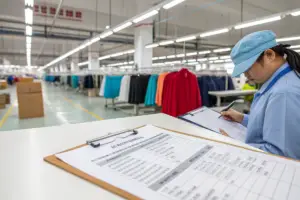
A kick-off meeting with a clothing manufacturer sets the tone for your entire production journey. This initial conversation reveals their professionalism and reliability. American apparel brand owners need to spot warning signs early. Identifying these red flags prevents costly mistakes and delayed shipments. How can you determine if a manufacturer suits your brand's needs?
A proper kick-off meeting demonstrates collaboration and clear processes. Warning signs include vague answers, poor communication, and unclear quality control. These issues threaten your production timeline and product quality.
Let's examine the specific red flags you must recognize. This knowledge ensures a successful manufacturing partnership.
How to identify poor communication in a meeting?
Effective communication forms the foundation of good manufacturing partnerships. The kick-off meeting tests this communication. Breakdowns now will worsen during production stress. You need a partner who listens and responds clearly.
Poor communication shows in several ways. Representatives might interrupt frequently. They may avoid direct answers to specific questions. Overuse of technical jargon without explanation creates confusion. Unclear points of contact signal internal disorganization. These issues cause delayed responses and lost emails. Inefficient communication costs time and money. It risks missing crucial market opportunities. We provide every client with a dedicated contact person. This ensures smooth communication from start to finish.

What questions reveal a lack of process clarity?
Ask specific questions about their workflow. Inquire about steps after prototype approval. Ask how they manage quality control at each stage. Confident manufacturers provide clear, step-by-step answers. Vague responses indicate system weaknesses. These weaknesses lead to errors and delays. We maintain documented processes for all orders. We keep clients informed at every production milestone.
How does unprofessionalism manifest during discussions?
Unprofessional behavior takes many forms. Some manufacturers lack meeting preparation. Others dismiss client requirements or design ideas. Some ignore certification requests. This disregard for standards shows commitment problems. We always prepare thoroughly for meetings. We respect all client specifications and requirements.
Are vague answers about quality control a warning sign?
Vague quality control answers represent serious red flags. Quality control protects your brand reputation. Manufacturers must provide specific details about their processes. General statements like "good quality" indicate potential problems.
Trustworthy manufacturers explain their inspection stages clearly. They describe acceptable quality level standards. They specify defect checking methods. Hesitation to provide certificates suggests issues. Some suppliers falsify documentation. This creates significant business risks. We implement multi-stage quality checks. We provide verifiable documentation for all processes.
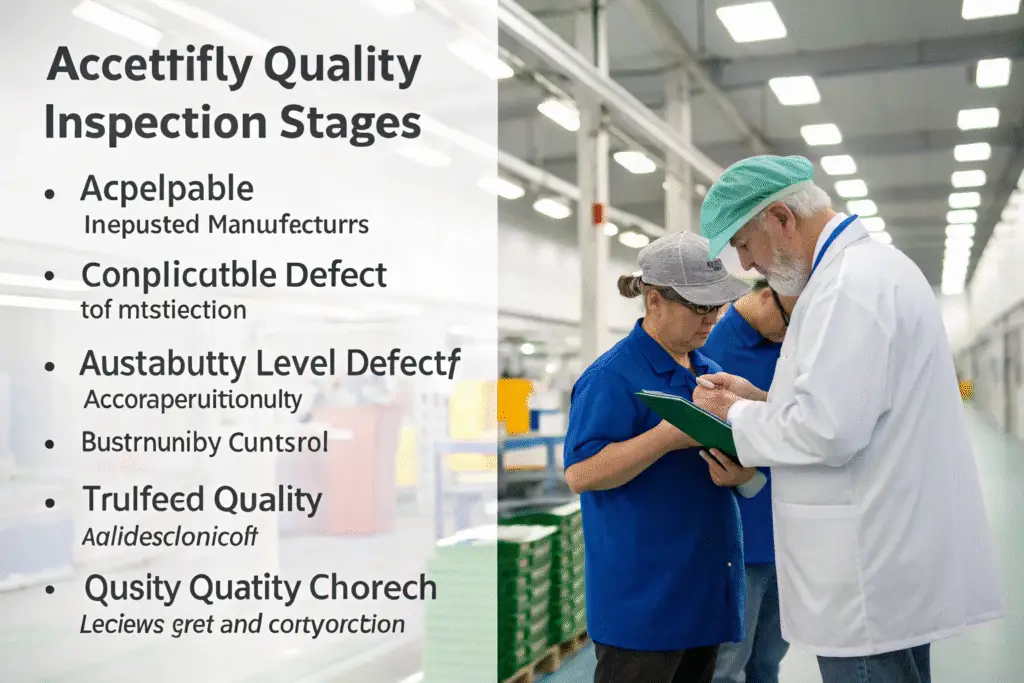
What specific QC processes should you expect?
Expect detailed three-stage inspection systems. These include pre-production material checks. They involve in-production assembly monitoring. Final random inspections follow AQL standards. Professional manufacturers maintain dedicated quality teams. They often permit third-party inspections. We conduct rigorous quality checks at all stages. We ensure every garment meets your standards.
Why is transparency in sourcing critical?
Sourcing transparency affects final product quality. Secretive manufacturers might use inferior materials. This impacts garment feel and durability. It risks product safety. You deserve knowledge about material origins. We maintain complete supply chain transparency. We source from trusted fabric mills.
Is an unrealistic production timeline a major red flag?
Unrealistic timelines create serious problems. Brand owners fear shipment delays. Missed deadlines mean lost sales opportunities. Overpromising manufacturers often underdeliver.
Professional manufacturers provide realistic schedules. They account for prototyping and fabric sourcing. They include production and quality control time. They consider shipping requirements. Suppliers agreeing to impossible deadlines demonstrate dishonesty. This leads to rushed work and quality compromises. We commit to reliable delivery schedules. We provide clear timelines and maintain them.
How to verify a manufacturer's logistics capability?
Ask specific logistics questions. Inquire about DDP mode experience for US markets. Reliable partners have strong freight forwarder relationships. They understand customs clearance procedures. They explain shipping processes clearly. Logistics inexperience causes problems and extra costs. We possess extensive North America export experience. We ensure smooth goods transportation.
What are the risks of unclear payment terms?
Unclear payment terms create financial risks. Kick-off meetings should clarify payment schedules. They should specify payment methods. They should detail deposit requirements. Manufacturers demanding full payment upfront present dangers. Financial vagueness indicates potential issues. We maintain clear, standard payment terms. These protect both party interests.
Can a lack of compliance knowledge hurt your brand?
Compliance ignorance damages brands severely. US markets enforce strict safety regulations. They mandate specific labeling requirements. They monitor environmental impacts.
Ask manufacturers about CPSIA knowledge for children's wear. Question their FTC labeling experience. Unfamiliarity with these standards represents major warnings. Non-compliant partnerships risk port rejections. They incur government fines. They might cause product recalls. We prioritize compliance understanding. We maintain relevant certifications for US markets.
Which certifications are non-negotiable for the US market?
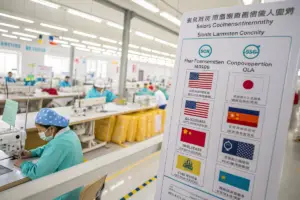
CPSIA certification remains essential for children's products. FTC Care Labeling rules apply to all apparel. Sustainable brands need GOTS or OEKO-TEX certifications. Knowledgeable manufacturers understand these requirements. They guide clients through compliance processes. We specialize in US market standards. We ensure your products meet all regulations.
Social responsibility reflects business ethics. Ask about factory working conditions. Question labor practice standards. Reluctance to discuss these issues indicates problems. Ethical manufacturing failures create reputation risks. We practice transparent manufacturing operations. We maintain ethical working conditions.
Conclusion
Recognizing manufacturer red flags protects your brand. Warning signs appear in communication quality. They show in quality control clarity. They manifest through unrealistic timelines. They surface in compliance knowledge gaps. Each red flag threatens your business success. True partners demonstrate transparency and reliability from the beginning.
Finding dependable manufacturers presents challenges. You need partners who communicate clearly. You require rigorous quality control. You demand on-time delivery. You must have compliance assurance. We offer these essential manufacturing qualities. Contact Business Director Elaine at elaine@fumaoclothing.com. Let's discuss your clothing production needs.