You want your clothing line to be flawless. You dream of happy customers and strong sales. But how can you make sure your vision becomes reality? The secret is to start quality control at the very beginning. This article will show you how to embed quality control from the kick-off meeting, ensuring a smooth and successful production journey with your apparel manufacturer.
Many brands wait until the final inspection to check quality. This is a big mistake. By then, it is often too late to fix problems without major costs and delays. True quality is built into the process from day one. A proactive approach, starting with a detailed kick-off meeting, sets the stage for a perfect final product. It aligns everyone on expectations and creates a clear roadmap for the entire production cycle.
Let’s explore the key steps you can take, from that first meeting onwards, to guarantee the quality your brand deserves.
What is a Kick-off Meeting and Why is it Crucial for QC?
A kick-off meeting is the first official meeting between you and your manufacturing partner after the order is placed. It is not just a formality. It is the foundation for your entire project. For quality control, this meeting is where you set the standards and expectations that will guide every step forward.
A well-structured kick-off meeting aligns both teams. It ensures that your brand’s definition of "quality" is the same as your factory’s. This early collaboration prevents misunderstandings and costly errors down the line. It transforms quality control from a final inspection into a built-in process.

Why should the kick-off meeting be your first QC checkpoint?
The kick-off meeting is your first and best chance to prevent quality issues. At this stage, your production line has not started. You can still make changes to designs, materials, and processes without incurring massive costs. It is much easier to correct a detail on a tech pack now than to alter 10,000 finished garments. This meeting establishes a "quality-first" mindset for the entire partnership. It shows your manufacturer that you are serious about standards, encouraging them to be equally diligent. A strong start, with clear quality control protocols defined, builds trust and sets a professional tone.
How do you structure a kick-off meeting for maximum quality assurance?
A successful QC-focused kick-off meeting has a clear agenda. First, review all product development documents together. This includes tech packs, CAD designs, and approved prototypes. Second, confirm all raw material specifications, such as fabric composition and weight. Third, agree on the inspection stages, like during cutting, sewing, and finishing. Using a checklist is vital. Here is a simple table you can adapt:
| Agenda Item | QC Focus Point | Owner |
|---|---|---|
| Tech Pack Review | Confirm stitch types, tolerances, and labeling. | Brand & Factory |
| Fabric Approval | Verify material tests and source. | Factory |
| Sample Timeline | Set deadlines for proto, fit, and pre-production samples. | Factory |
| Inspection Points | Agree on in-process quality checks. | Brand & Factory |
This structure ensures no critical quality parameter is overlooked. It makes everyone accountable from the start.
How to Define and Communicate Your Quality Standards Clearly?
Clear communication is the backbone of quality. Your manufacturer is not a mind-reader. Vague instructions like "make it high-quality" lead to disappointment. You must define and document your standards in a way that leaves no room for interpretation.
This process involves using precise technical language and visual aids. It is about creating a single source of truth that both your team and the factory team can refer to throughout production. When standards are clear, the chances of error drop significantly.
What tools are essential for communicating quality expectations?
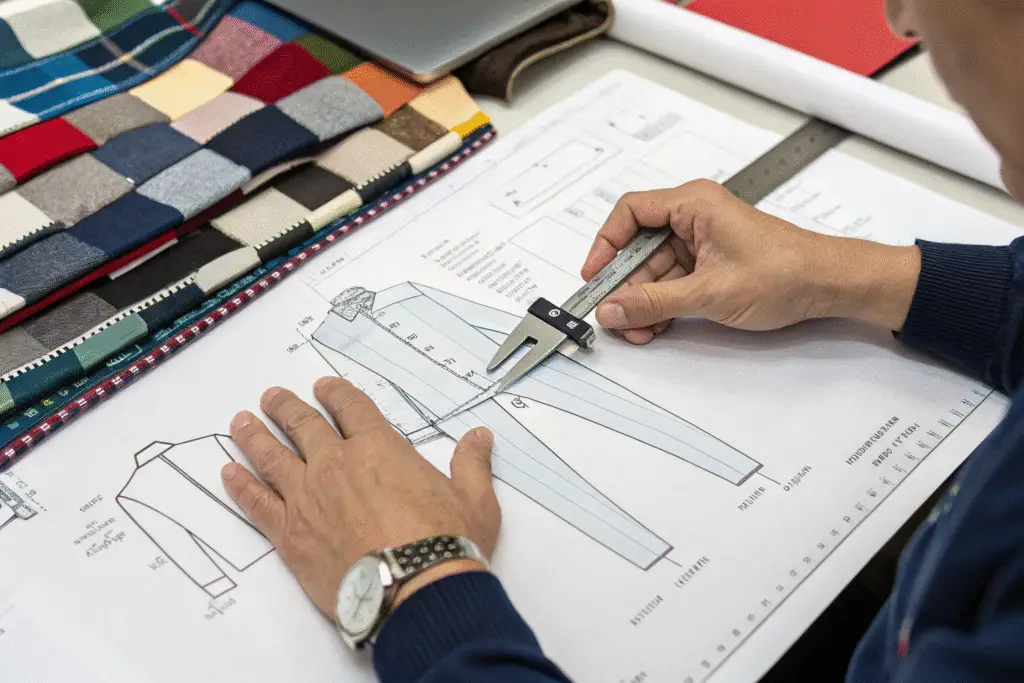
The most critical tool is a comprehensive tech pack. This document should include detailed sketches, all measurements with tolerances, bill of materials (BOM), stitch-per-inch (SPI) specifications, and labeling instructions. Alongside the tech pack, you should provide reference samples. A physical sample is worth a thousand words. It shows the factory exactly the hand-feel, color, and construction you expect. For colors, always use a standard Pantone Matching System (PMS) code. For fabrics, specify the exact grammage and composition. These tools turn subjective ideas into objective, measurable standards.
How can you avoid misunderstandings in technical specifications?
To avoid misunderstandings, use multiple methods of communication. Explain the tech pack over a video call. Point to specific areas and ask the factory manager to repeat the requirements back to you. This confirms their understanding. For critical details, like the placement of a logo, mark it clearly on both the digital file and a physical sample. Assume nothing. Always ask, "How will you ensure this standard on the production line?" This question forces the factory to think about the practical implementation of your garment quality standards. Document all agreements in a meeting summary and share it with both teams for future reference.
What are the Key Quality Milestones After the Kick-off?
Quality control does not end with the kick-off meeting. It is a continuous process. After the meeting, the project moves into sampling and production. Identifying and monitoring key quality milestones is how you maintain control and catch issues early.
These milestones are pre-defined checkpoints where the factory must stop and get your approval before moving forward. They are your safety nets. By insisting on these milestones, you ensure that the product evolves as planned and any deviation is caught and corrected promptly.
Which sampling stages are non-negotiable for QC?
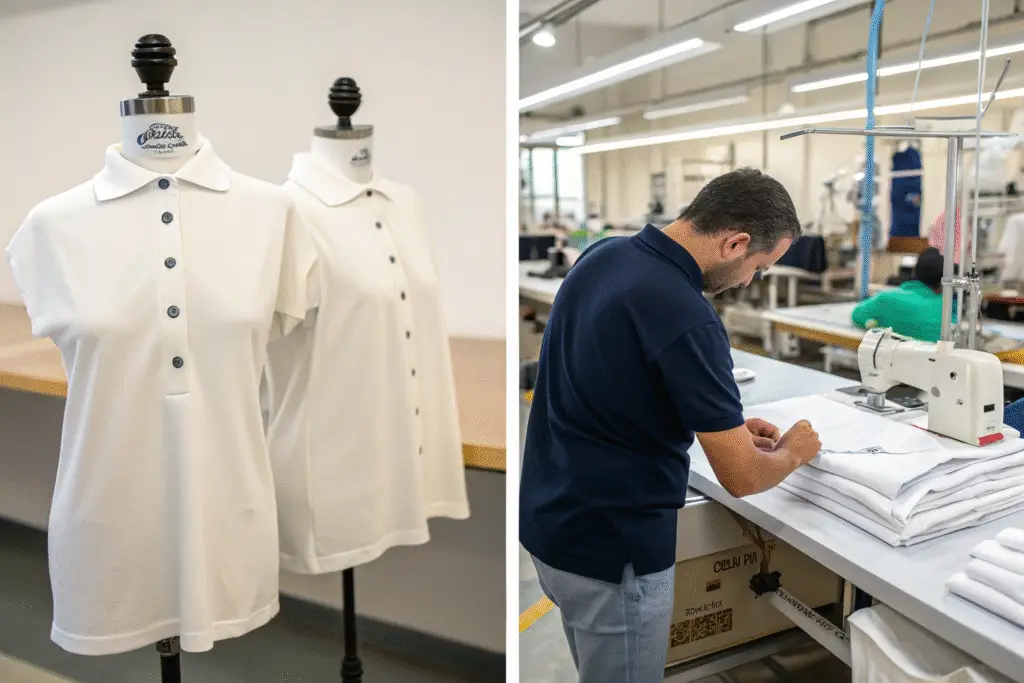
There are three critical sampling stages you should never skip. The first is the prototype sample. This checks the initial design and pattern. The second is the fit sample. This is made in the actual fabric to check the sizing and fit on a live model. The third is the pre-production sample (PP sample). This sample is made from the final production line’s fabric and trims, using the actual production methods. The PP sample is your final approval before mass production begins. It is your guarantee that the factory can replicate the quality you expect across thousands of units. Approving this sample is a major apparel manufacturing milestone.
How do in-process inspections prevent major defects?
In-process inspections happen during mass production, before the final product is complete. A quality control auditor from the factory or a third party checks random pieces at various stages, such as after cutting or during sewing. For example, they might check if the seams are straight and strong, or if the print alignment is correct. This is crucial because it finds problems early. If a sewing machine is misaligned, an in-process inspection can catch it after 100 pieces are made, not 10,000. This saves immense time and money. It is a core part of effective supply chain management, ensuring that errors are contained and corrected with minimal impact.
How to Build a Collaborative Relationship for Sustained Quality?
Quality is not just about checklists and inspections; it is about people. A strong, collaborative relationship with your manufacturer is your most powerful quality assurance tool. When your factory partner is invested in your success, they will go the extra mile to ensure quality.
This relationship is built on clear communication, mutual respect, and a shared goal. View your manufacturer as an extension of your own team. A partner who feels valued is more likely to proactively flag potential issues and work with you to find solutions.

What communication strategies foster a quality-focused partnership?
Establish a single point of contact on both sides to avoid mixed messages. Schedule regular update calls, but also be available for quick questions. Use a mix of communication channels—email for formal approvals, and instant messaging for fast clarifications. Most importantly, provide constructive feedback. When a sample is not right, explain precisely why and offer a solution. When the quality is good, say so. Positive reinforcement encourages continued good performance. This open dialogue is key to overcoming challenges like inefficient communication and builds a foundation of trust.
How does partnership transparency solve common pain points?
Transparency directly addresses major buyer pain points like delayed shipments and certificate falsification. An open partner will warn you early if a fabric shipment is late, allowing you to adjust your marketing schedule. They will willingly share all logistics and shipping documents and provide genuine certification from accredited labs. You can build this transparency by visiting the factory, either in person or via a virtual tour. When you see the production lines and meet the team, you build trust. This honesty turns a transactional supplier into a strategic partner who is as committed to your brand’s reputation as you are.
Conclusion
Ensuring quality control from the kick-off meeting stage is a proactive and strategic process. It begins with a detailed alignment of expectations, continues through clear communication of standards, is monitored via key production milestones, and is solidified through a strong collaborative partnership. This method transforms quality control from a last-minute panic into a smooth, built-in system. It saves you from the headaches of delayed shipments, defective products, and missed selling seasons. By investing time at the start, you secure a predictable, high-quality outcome for your apparel line.
If you are ready to partner with a manufacturer who understands this process and is committed to being your quality-driven extension, let’s talk. At Fumao Clothing, we build quality control into every step of our collaboration. Contact our Business Director, Elaine, today at elaine@fumaoclothing.com to start your next project on the right foot.