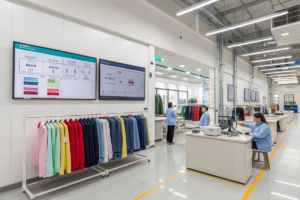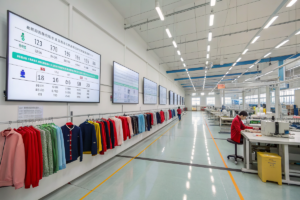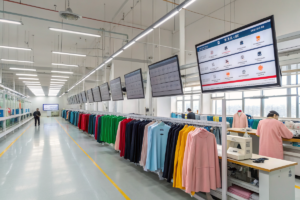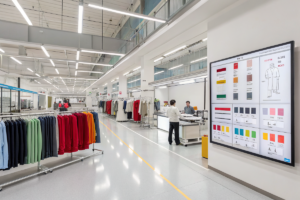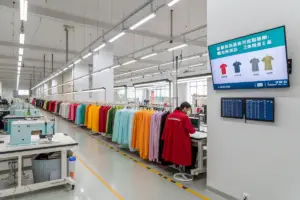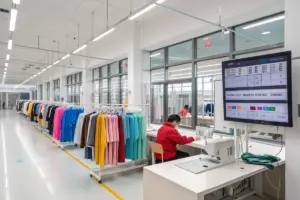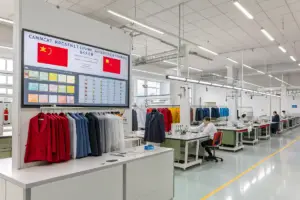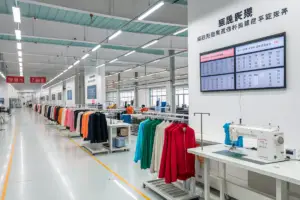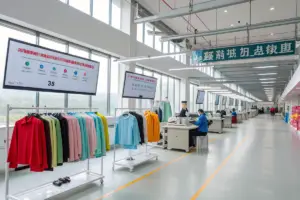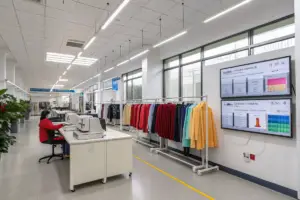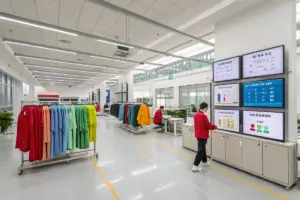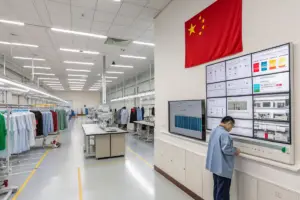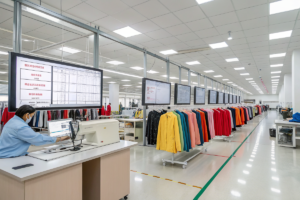
A successful apparel development meeting establishes your clothing line foundation. This meeting transforms creative concepts into production plans. Brand owners sourcing overseas need structured discussions. Poor communication often causes delays and extra costs. Many partners share stories about early misunderstandings. Asking the right questions prevents these problems.
Effective meetings address design specifications, fabric selection, production timelines, quality control, and logistics. This comprehensive approach ensures shared vision and smooth manufacturing. Proper questioning aligns expectations between brands and manufacturers.
This guide explores essential meeting questions. We examine four critical conversation areas. These insights will strengthen your manufacturer partnership. They will help ensure your collection succeeds.
What are the key design and specification questions?
Clear design specifications are fundamental. They translate creative ideas into manufacturable products. Ambiguity causes production errors and sample revisions. Detailed questions ensure mutual understanding between parties.
Critical design questions cover tech packs, materials, and sampling. Comprehensive tech packs eliminate interpretation gaps. Material confirmation prevents production issues. Understanding sampling stages manages time expectations effectively.
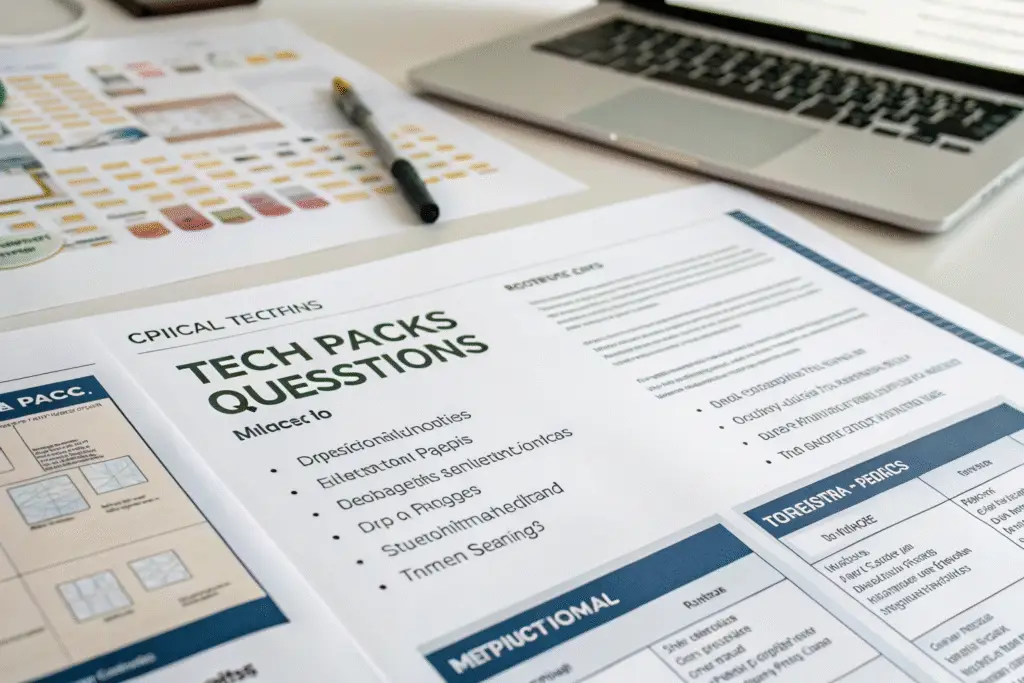
How detailed should your tech pack be?
Tech packs require extensive detail. They serve as your project’s primary reference document. Include precise flat sketches from all angles. Specify stitching and construction details clearly. List all materials completely. Cover main fabric, linings, and trims. Define your quality control standards explicitly. Reference industry norms like AQL 2.5. Provide clear grade rules for sizing. Include detailed measurements for each size. Comprehensive information reduces follow-up questions. It improves first sample accuracy. Vague tech packs cause multiple revisions. They waste time and money.
What fabric and trim details must you confirm?
Confirm every material aspect thoroughly. Start with fabric composition and weight. Specify material width and source. Determine if factories use existing suppliers. Identify needs for new material sourcing. Define trim types and sizes exactly. Specify colors and special features. Note custom requirements like logo patches. Request fabric testing reports for verification. Ensure materials meet market standards. Clarify responsibility for specialized trims. This prevents production interruptions. It guarantees final product matches your vision.
How to ensure quality control and compliance?
Quality protection safeguards brand reputation. Buyers value consistent high standards. Quality involves entire production process. Verify supplier systems and certifications thoroughly.
Quality assurance requires inspection discussions, certification verification, and social compliance. This confirms factory capability for consistent production. It addresses certificate authenticity concerns directly.

What are the critical stages for inspections?
Three inspection stages are essential. Initial Production Check happens after cutting. It verifies materials and cut components. During Production Check occurs at 20% completion. It identifies issues early. Final Random Inspection examines ready shipments. It uses random sampling against standards. Ask about factory adherence to international inspection standards. Request detailed stage reports. This layered approach prevents major quality failures.
Which certifications should your supplier have?
Suppliers need relevant market certifications. OEKO-TEX® STANDARD 100 ensures textile safety. GOTS certification validates organic claims. Social compliance audits like BSCI matter. They verify ethical manufacturing practices. Request actual certificate copies. Verify their authenticity independently. Reputable factories provide transparent documentation. This protects against certificate falsification risks.
What are the logistics and payment terms?
Logistics and payment terms support business operations. Shipping delays miss selling seasons. Clear terms ensure predictable supply chain movement.
Logistics discussions cover shipping methods, incoterms, and payment schedules. Understanding these elements aids inventory planning. It addresses delayed shipment concerns proactively.

How to choose the right shipping method?
Select shipping based on budget and timeline. Sea freight suits large economical orders. Air freight works for urgent shipments. Discuss options with suppliers early. Consider consolidated shipping for smaller quantities. Confirm customs clearance responsibility. DDP shipping simplifies your process. Suppliers handle everything under DDP. Verify factory on-time delivery history. This reduces delay risks significantly.
What is a standard payment structure?
Tiered payment structures are standard practice. Thirty percent deposits secure orders. Forty percent follows sample approval. Thirty percent balances precede shipment. This approach shares risk fairly. Avoid full upfront payments. Agree on payment methods clearly. T/T transfers are common. Letters of Credit provide bank guarantees. Outline terms in proforma invoices. This prevents financial misunderstandings.
How to establish a strong communication protocol?
Inefficient communication frustrates buyers. Untimely updates create uncertainty. Clear protocols build trust and transparency.
Strong protocols define contacts, tools, and update frequency. This prevents information gaps. It ensures proactive communication.

Who is your single point of contact?
Identify one primary factory contact. This person manages your entire order. They provide consistent updates and answers. Dedicated contacts prevent communication confusion. Request direct contact information during meetings. This builds accountable relationships.
What should a regular update include?
Updates should occur proactively. Establish regular schedule agreements. Weekly or biweekly updates work well. Good updates specify concrete progress. They report completed milestones clearly. Photos and videos from production help. This transparency enables better planning. It eliminates order progress uncertainty.
Conclusion
Proper questioning enables successful production runs. It transforms discussions into strategic sessions. Thorough coverage of design, quality, logistics, and communication builds strong foundations. This proactive method reduces risks and prevents errors. It ensures collections meet expectations and deadlines.
Want a partnership with guaranteed clarity and reliability? We can help realize your apparel visions seamlessly. Contact Business Director Elaine at elaine@fumaoclothing.com. Discuss your next clothing order with us. We become your trusted manufacturing partner.