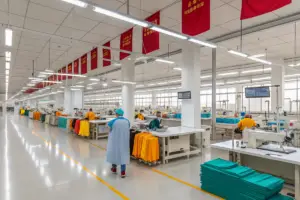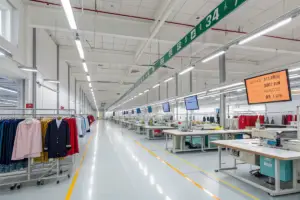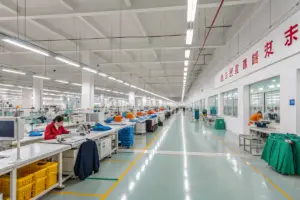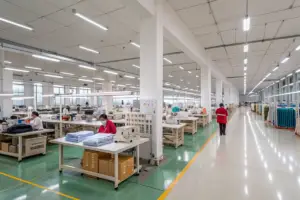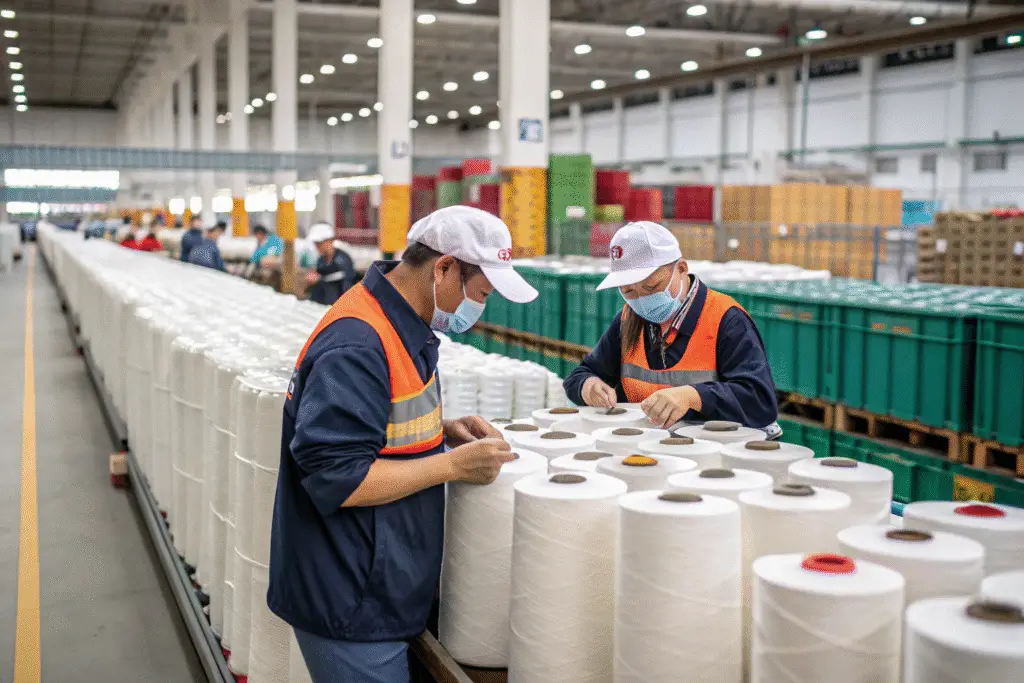
Finding the perfect yarn for your knitwear line presents a complex challenge that balances quality, cost, and reliability. This critical decision directly impacts your brand’s aesthetic, tactile appeal, and market reputation. Consequently, many brands struggle to source materials that meet their quality standards while maintaining budget constraints. The sourcing process requires comprehensive understanding of fiber properties, thorough supplier vetting, and meticulous logistics management. Failure at any stage can result in production delays and customer dissatisfaction. Through our extensive experience in apparel manufacturing, we’ve identified systematic approaches to overcome these challenges.
The most effective strategy for sourcing yarn involves partnering with an experienced manufacturer offering full-package services, including material sourcing, quality control, and reliable logistics. This integrated approach ensures premium materials at competitive prices while eliminating supply chain complexities. By leveraging established supplier networks and manufacturing expertise, this method significantly reduces time investment and mitigates risks. We have successfully implemented this model for numerous U.S. brands, delivering consistent results across diverse product categories.
Now, let’s examine the systematic process for securing optimal yarn for your collection, ensuring quality and value throughout the production lifecycle.
What Are The Key Factors In Choosing Knitwear Yarn?
Your knitwear’s fundamental quality originates from yarn selection, making this decision crucial for product success. Inappropriate yarn choices inevitably lead to compromised garment performance and customer disappointment. Therefore, understanding critical selection criteria becomes essential for achieving your quality objectives.
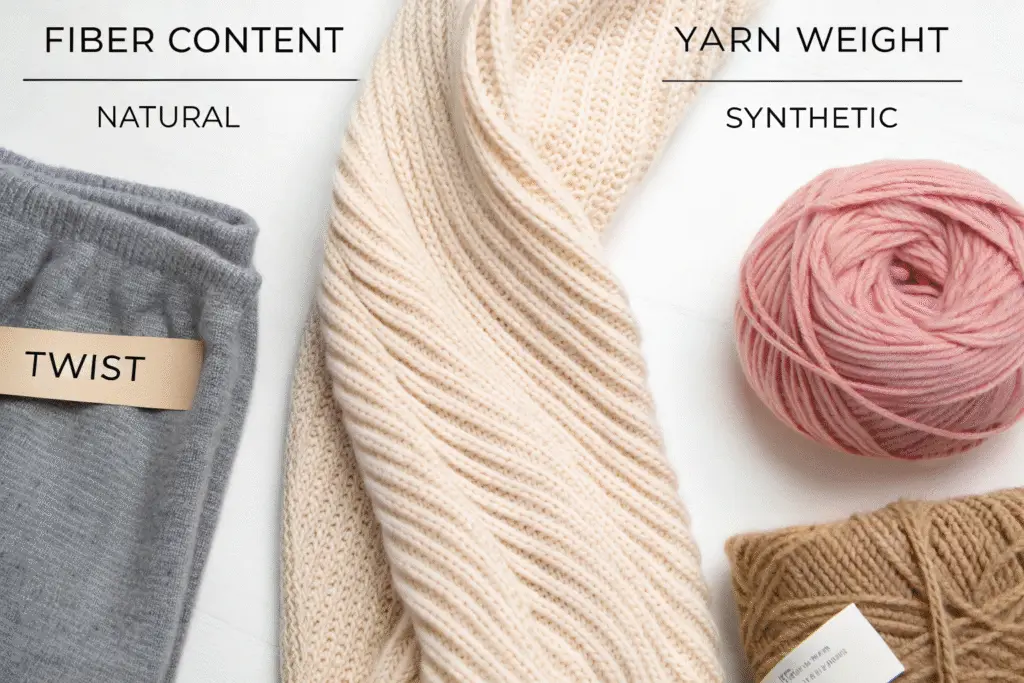
Three primary factors—fiber content, yarn weight, and twist—collectively determine the softness, durability, and drape of your final knitwear products. Fiber content establishes the basic material composition, ranging from natural to synthetic options. Meanwhile, yarn weight defines thickness and subsequent fabric density. Additionally, twist level directly influences strength and texture characteristics. Comprehensive understanding of these elements enables precise specification aligned with your design vision.
How Does Fiber Content Impact Your Knitwear?
Fiber content represents the foundational decision that dictates your knitwear’s essential character and performance capabilities. Natural fibers like cotton and wool provide superior breathability and comfort, while synthetic alternatives like polyester offer enhanced durability and cost efficiency. Furthermore, blended fibers strategically combine desirable properties from multiple materials. For example, cotton-polyester blends deliver comfort alongside shrink resistance and easy maintenance. Consequently, fiber selection directly determines garment performance characteristics and skin-contact experience. Simultaneously, this choice significantly influences cost structure and minimum order requirements from spinning mills.
Why Is Yarn Weight And Twist Crucial?
Yarn weight and twist constitute technical specifications with profound practical implications for your final products. Specifically, yarn weight governs thickness and directly correlates with resulting fabric density and weight. Finer yarns produce lightweight, delicate garments, whereas heavier yarns create substantial, warm knitwear. Similarly, twist level—referring to the tightness of fiber spinning—affects fundamental durability. High-twist yarns demonstrate superior strength and pilling resistance, while low-twist alternatives provide enhanced softness at the potential expense of longevity. Therefore, appropriate combination of these elements proves essential for achieving target fabric quality and stylistic objectives.
How To Find A Reliable Yarn Supplier?
Establishing relationships with reliable yarn suppliers forms the cornerstone of successful knitwear production, as material consistency directly affects manufacturing outcomes. Inconsistent yarn quality can compromise entire production batches, necessitating thorough partner evaluation processes.
Identifying reliable suppliers requires systematic verification of certifications, comprehensive review of performance history, and rigorous sample testing. Alternatively, partnering with full-package manufacturers possessing established supplier relationships often delivers superior efficiency and risk mitigation. This approach leverages manufacturers’ collective buying power and integrated quality systems, thereby insulating brands from direct supply chain disruptions while ensuring material consistency.

What Certifications Should You Look For?
Industry certifications provide objective evidence of supplier commitment to quality and compliance standards, making them indispensable evaluation criteria. Prioritize certificates like Oeko-Tex Standard 100, verifying textile safety through harmful substance testing. Similarly, GOTS (Global Organic Textile Standard) validates organic fiber integrity throughout production. These certifications deliver independent quality verification while protecting brand reputation and providing compelling marketing narratives. Consequently, we mandate certified yarn sources for all client projects, thereby streamlining the quality control pipeline and ensuring regulatory compliance.
Why Are Samples And Testing Vital?
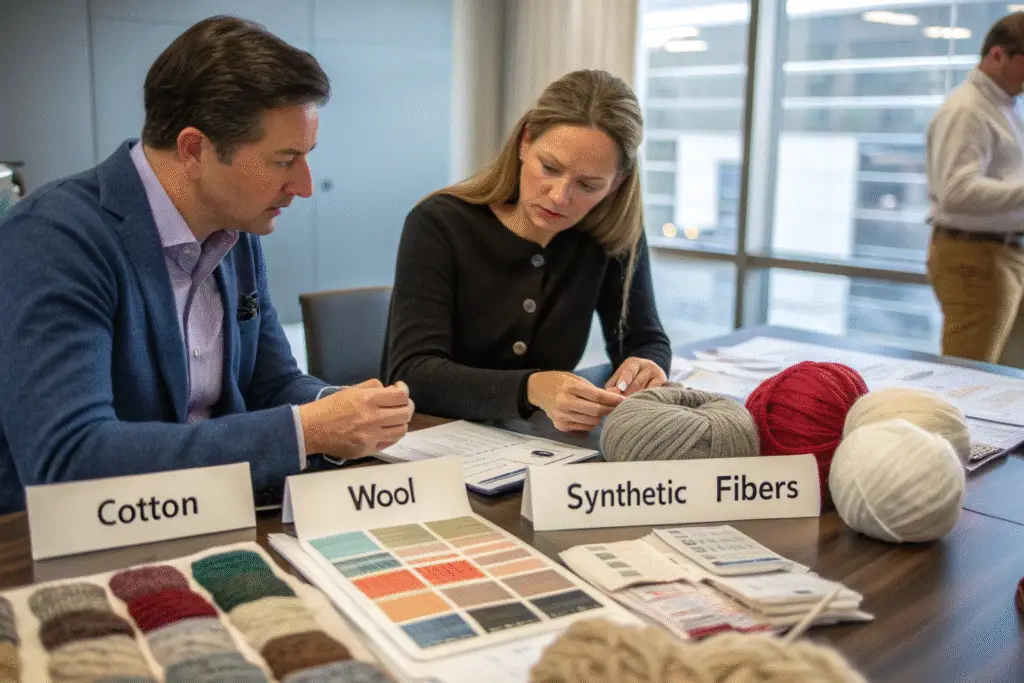
Physical sampling and laboratory testing constitute essential risk mitigation strategies before bulk commitment. Never proceed with production based solely on supplier assurances or documentation. Instead, systematically request yarn sample cards, then progress to knitted fabric swatches representing actual production conditions. Subsequently, conduct standardized testing for pilling resistance, dimensional stability, colorfastness, and tensile strength. This empirical approach reveals authentic material behavior while identifying potential issues before manufacturing scale-up. Accordingly, we integrate this validation methodology into our product development workflow for every new collection, ensuring predictable outcomes.
What Are The Pros And Cons Of Different Yarn Types?
Understanding comparative advantages and limitations across yarn categories enables informed decision-making aligned with business objectives. Each material type presents distinct trade-offs affecting cost, performance, and market perception.
Natural, synthetic, and blended yarns each offer unique benefits and challenges regarding cost structure, functional performance, sustainability profile, and consumer appeal. Your selection should strategically balance these factors according to brand positioning, target pricing, and quality requirements. The comparative analysis below clarifies key considerations:
| Yarn Type | Pros | Cons | Best For |
|---|---|---|---|
| Natural (e.g., Cotton) | Breathable, soft, biodegradable, high perceived value | Shrinkage potential, wrinkling, higher cost | Premium basics, comfort-focused apparel |
| Synthetic (e.g., Polyester) | Durability, wrinkle-resistance, cost-effective, supply consistency | Reduced breathability, perceived as less premium, environmental concerns | Activewear, budget-conscious collections |
| Blended (e.g., Cotton/Poly) | Combined benefits (comfort + durability), versatility | Sourcing complexity, recycling challenges | Balanced performance and value applications |
Is Natural Fiber Yarn Worth The Investment?
Natural fiber yarns command premium pricing but deliver corresponding value for quality-focused brands. Fibers like merino wool, pima cotton, and cashmere provide exceptional softness, breathability, and luxury perception that justify elevated price points. However, these materials necessitate specialized garment manufacturing protocols to address inherent characteristics like shrinkage potential. For brands targeting discerning consumers and sustainable positioning, this investment typically yields returns through enhanced customer loyalty and strengthened brand equity.
When Should You Consider Synthetic Or Blended Yarns?
Synthetic and blended yarns present practical solutions for specific performance and economic requirements. Consider these options when prioritizing durability, maintenance simplicity, or cost management. Synthetic fibers like polyester and nylon enhance garment strength, making them ideal for activewear and high-use applications. Similarly, cotton-polyester blends merge natural fiber comfort with synthetic durability and shrink resistance. These characteristics make blended yarns particularly suitable for uniform programs, educational apparel, and volume-driven fashion lines where value engineering and functional performance are paramount.
How To Ensure Quality And Avoid Delivery Delays?
Maintaining quality consistency and schedule adherence represents the most frequent sourcing challenge, where yarn delivery delays can derase entire production timelines and miss critical selling windows.
Proactive quality assurance involves implementing stringent quality control at spinning facilities combined with manufacturing partners possessing robust supply chain management and DDP (Delivered Duty Paid) logistics capabilities. This comprehensive approach establishes visibility and control throughout the supply chain, from raw material origin to final delivery destination.
What Quality Control Steps Are Non-Negotiable?
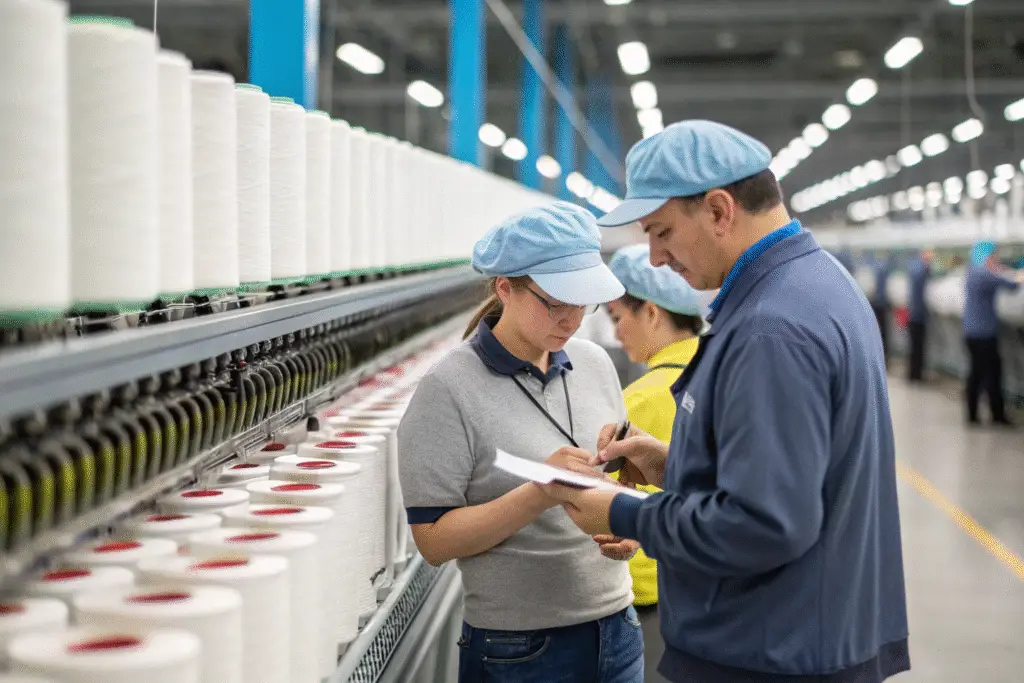
Multi-stage quality control protocols provide essential protection against substandard materials entering production. Initially, conduct pre-shipment inspections at spinning facilities to verify compliance before material movement. Subsequently, perform incoming quality checks upon yarn arrival at manufacturing facilities, testing for count consistency, strength parameters, and color uniformity. This systematic verification ensures every yarn batch meets specifications before production commitment. Consequently, we embed these procedures within our apparel manufacturing operations, delivering consistent quality across all client projects.
How Can DDP Logistics Simplify Your Sourcing?
DDP logistics solutions dramatically streamline international sourcing complexity by consolidating responsibility with your manufacturing partner. Under DDP terms, your manufacturer manages all logistics from production facility to U.S. destination port, encompassing transportation, customs clearance, and duty payments. This integrated approach eliminates fragmented logistics management while providing cost predictability and timeline reliability. Therefore, DDP implementation becomes particularly valuable for avoiding unexpected charges and scheduling disruptions, ensuring timely delivery for seasonal selling requirements through optimized shipping and handling.
Conclusion
Successful yarn sourcing requires integrated expertise across material science, supply chain management, and quality systems. From initial fiber selection through final delivery, each process stage directly impacts product quality and business outcomes. Strategic manufacturing partnerships transform this complexity into streamlined operations, providing access to quality materials, competitive pricing, and operational reliability.
We specialize in serving as this strategic partner for ambitious U.S. brands, delivering comprehensive sourcing and manufacturing solutions. Let us help transform your knitwear concepts into market-successful products through integrated expertise and reliable execution. For detailed discussion regarding your next knitwear collection, please contact our Business Director Elaine at: elaine@fumaoclothing.com.