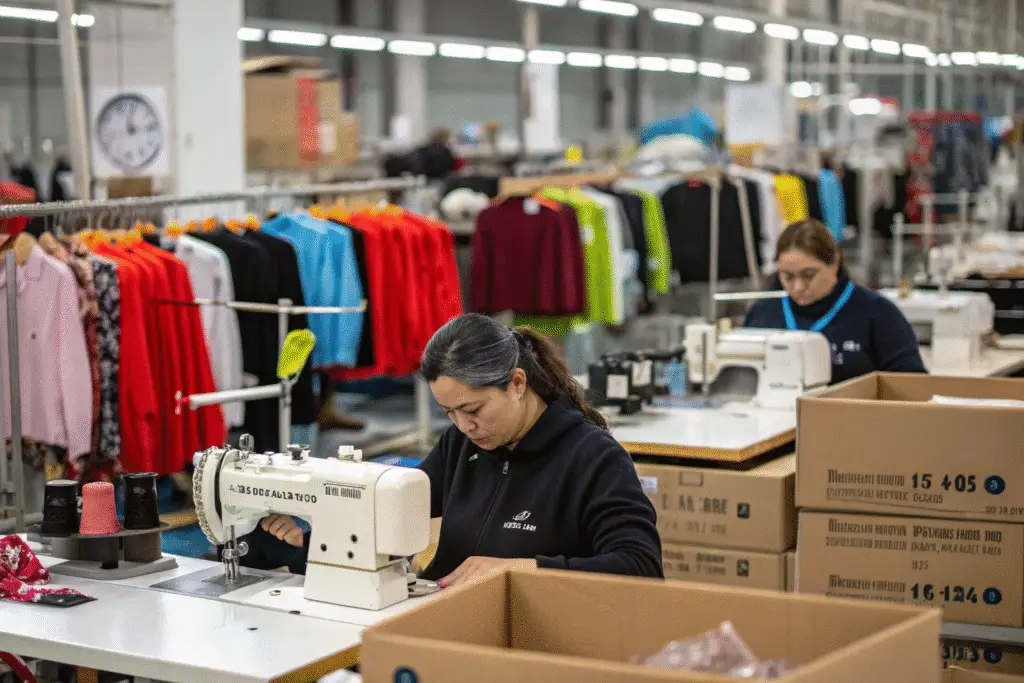
You launch a new clothing line with perfect designs and ready marketing. However, when your manufacturer misses the deadline, your products arrive late. Consequently, you miss the key selling season and watch your profits drop. This common nightmare illustrates why speed has transformed from luxury to necessity in today's fashion world.
Quick turnaround times in fashion manufacturing are critical because the industry operates on fast-changing trends and strict seasonal calendars; delays can cause brands to miss crucial selling windows, leading to lost sales, damaged reputation, and increased inventory costs, while speed enables capitalizing on trends, testing markets, and maintaining a competitive edge.
As fashion cycles accelerate, getting your products to market quickly determines business success. Therefore, let's systematically examine how production speed impacts various aspects of your operation and why it deserves strategic priority.
How Does Speed to Market Impact Your Bottom Line?
Getting your products to market fast directly determines your profit margins. When production slows, your revenue potential diminishes while costs accumulate. Conversely, accelerated production creates multiple financial advantages that strengthen your bottom line.
Slow production initiates a chain reaction of financial consequences. Initially, delayed shipments cause you to miss peak selling periods. Consequently, your new collection occupies warehouse space instead of store racks. This situation traps your capital and prevents reinvestment in future designs.
Fast turnaround times systematically enhance profitability through several mechanisms. First, they ensure product availability aligns with maximum consumer demand. This synchronization generates faster sales conversion and accelerated cash flow. Subsequently, you can maintain full pricing before resorting to discounts. Furthermore, this efficiency reduces inventory carrying costs while enabling quicker profit reinvestment into new collections.

What Are the Hidden Costs of Production Delays?
Production delays generate substantial hidden costs beyond obvious sales losses. For instance, manufacturers often resort to expensive air freight to compensate for time lost, dramatically eroding profit margins. Additionally, retailers frequently impose late delivery penalties, while excess inventory necessitates costly markdowns that undermine brand value. These cumulative expenses can transform potentially profitable orders into financial losses.
How Can Agile Manufacturing Increase Profit Margins?
Agile manufacturing methodology enhances profitability through strategic flexibility. By producing closer to selling seasons using real-time sales data, you order what actually sells rather than speculating on demand. This approach consequently reduces overproduction and associated waste. Moreover, faster production cycles facilitate smaller, more frequent batches, substantially lowering financial risk. For example, testing new styles with a small batch clothing manufacturer before full commitment leads to higher sell-through rates and optimized profit margins.
Can Fast Production Schedules Improve Product Quality?
Conventional wisdom suggests speed compromises quality, but properly managed fast production actually enhances it. The relationship between pace and quality depends entirely on implementation methodology and systematic controls.
While rushed production typically creates errors, strategically accelerated processes function differently. Efficient systems rely on standardized procedures and skilled personnel rather than haste. When factories optimize for speed, they necessarily streamline every operation, including quality verification. This systematic approach eliminates confusion and rework through controlled workflows.
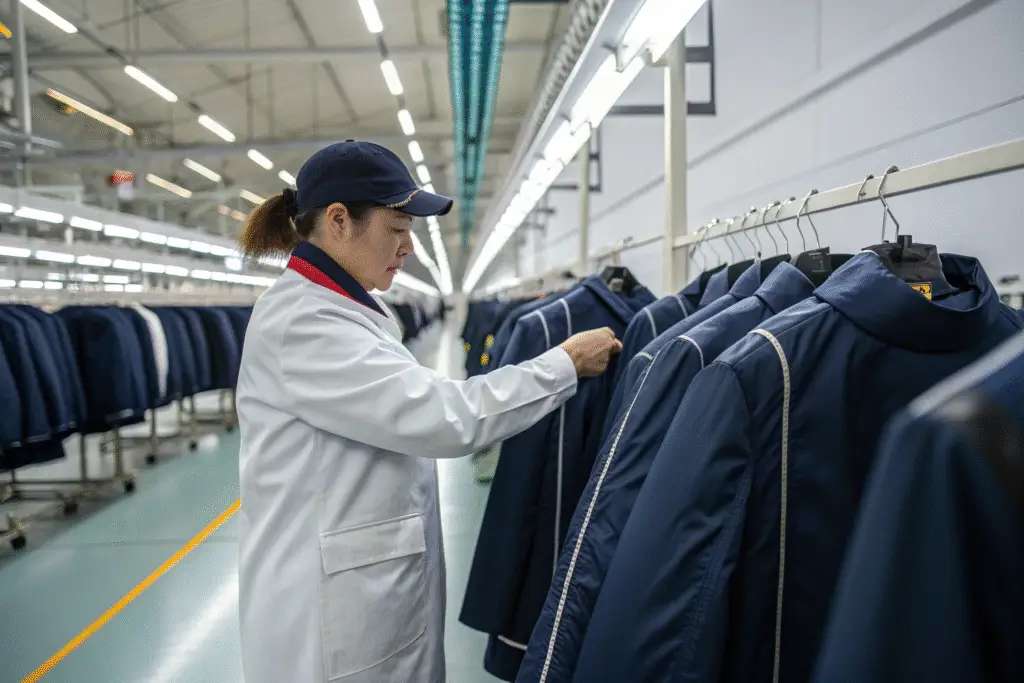
Accelerated production schedules improve quality by minimizing procedural inconsistencies. Tight, well-defined timelines establish clear protocols for every team member. This framework incorporates integrated quality control in textile manufacturing at each production phase. Consequently, issues are identified and resolved immediately rather than accumulating until final inspection. This proactive approach ensures greater consistency across all manufactured garments.
Why Does Streamlined Communication Enhance Quality Assurance?
Effective communication serves as the foundation for consistent quality, particularly in accelerated timelines. When information flows efficiently, sample approvals occur faster and feedback becomes more precise. This communication velocity prevents minor issues from escalating into major defects. Partnering with a full package clothing manufacturer further enhances this dynamic by consolidating all processes under single management. This integration eliminates communication gaps between multiple suppliers, ensuring consistent standard implementation from conception to completion.
How Does Advanced Technology Enable Both Speed and Precision?
Modern manufacturing technology simultaneously advances speed and accuracy through automation and data integration. Automated cutting systems produce perfectly consistent pattern pieces rapidly, surpassing manual capabilities. Similarly, digital printing applies complex designs with both velocity and exceptional detail. These technologies systematically reduce human error while generating valuable production data. This information enables proactive monitoring and predictive issue identification before quality compromises occur. Consequently, technological investment allows factories to maintain elevated standards without sacrificing production pace.
How to Ensure Supply Chain Reliability for On-Time Delivery?
Supply chain reliability forms the foundation of consistent on-time delivery. Since manufacturing represents only one link in this chain, comprehensive coordination from raw materials to final logistics determines ultimate success.
Supply chain disruptions typically originate from two primary sources: material availability and transportation logistics. When raw materials arrive late, production cannot commence as scheduled. Similarly, shipping delays during transportation negate even perfect manufacturing timing. Therefore, comprehensive supply chain management requires addressing both vulnerabilities simultaneously.
Ensuring supply chain reliability necessitates manufacturing partners with robust material networks and logistical expertise. Trusted suppliers with proven track records provide consistent material flow, while sophisticated logistics and planning systems manage transportation variables. Furthermore, reliable manufacturers implement contingency strategies for both sourcing and shipping. This comprehensive approach, combined with transparent communication, enables accurate planning for marketing and sales activities.

What Role Does Raw Material Sourcing Play in Timeline Stability?
Raw material availability fundamentally determines production timeline viability. Manufacturers with direct fabric mill relationships can secure materials faster, avoiding typical queue delays. Additionally, maintaining strategic raw material inventories for urgent orders provides crucial buffer against supply chain interruptions. This proactive sourcing approach, particularly when working with partners experienced in apparel sourcing, ensures consistent material flow aligned with production schedules.
Why is a Diversified Logistics Strategy Essential?
Single-method logistics dependency creates significant delivery vulnerability. While ocean freight offers cost efficiency, its inherent unpredictability threatens timeline reliability. Therefore, diversified logistics strategies combining sea and air transport provide optimal balance between economy and certainty. Furthermore, manufacturers with expertise in DDP (Delivery Duty Paid) shipping manage customs clearance efficiently, preventing unexpected delays and fees. This comprehensive logistical approach ensures seamless door-to-door delivery experiences.
What Strategies Help Achieve Faster Turnarounds Without Sacrificing Value?
Accelerated production need not compromise value when implementing strategic methodologies. The key lies in systematic optimization rather than simplistic rushing, creating efficiencies that benefit both timing and quality.
Achieving accelerated turnarounds while maintaining value requires manufacturers with specific operational capabilities. Multiple production lines prevent capacity overload, while integrated systems eliminate coordination delays between process stages. Additionally, manufacturing partners must maintain complete transparency throughout production cycles.
Strategic acceleration employs several key methodologies. Advanced production planning establishes realistic timelines accounting for all process phases. Utilizing full-package production services consolidates design, sourcing, manufacturing, and logistics under unified management, eliminating multi-vendor coordination delays. Furthermore, digital communication platforms facilitate immediate feedback, replacing inefficient email chains with streamlined decision-making processes.

How Does Pre-Production Planning Accelerate the Entire Process?
Comprehensive pre-production planning establishes the framework for subsequent manufacturing efficiency. By finalizing technical packages, approving materials, and confirming costs before cutting begins, the mass production phase proceeds without disruptive pauses. Manufacturers offering robust product development support guide this preparatory phase effectively, creating precise specifications that production teams execute flawlessly. This systematic approach prevents time-consuming revisions during active manufacturing.
Why is Partnering with an Agile Factory a Game-Changer?
Manufacturing partner selection fundamentally determines turnaround capability. Agile factories with multiple production lines can dedicate specific capacity to individual orders, preventing cross-client scheduling conflicts. Furthermore, facilities implementing lean manufacturing principles systematically eliminate time waste throughout operations. This manufacturing philosophy transforms suppliers from simple production facilities into strategic partners capable of delivering both speed and value consistently.
Conclusion
In contemporary fashion manufacturing, time efficiency directly translates to competitive advantage and profitability. Quick turnaround times have evolved from desirable attribute to essential requirement, impacting financial performance, product quality, and brand reputation. Through strategic supply chain management, technological integration, and manufacturing partnerships, brands can achieve accelerated production without compromising value.
The methodologies examined demonstrate that speed and quality need not conflict when implementing systematic approaches. From financial benefits to enhanced quality control, rapid manufacturing delivers comprehensive advantages when properly executed.
If you seek a manufacturing partner who understands the critical relationship between speed, reliability, and quality, let's discuss how we can support your objectives. We at Fumao Clothing specialize in delivering quality apparel with optimized turnaround times. Contact our Business Director, Elaine, today to explore how we can help bring your next collection to market efficiently and successfully. Reach her at: elaine@fumaoclothing.com.