In today's competitive fashion landscape, achieving perfect fit remains a persistent challenge for both brands and consumers. Consequently, ill-fitting garments lead to increased returns, negative reviews, and lost sales opportunities. For American apparel brands sourcing internationally, this problem becomes even more complex due to diverse body types across different regions.
Adjustable features in garment design serve as a strategic solution to fit variability, transforming static clothing into dynamic products that accommodate diverse body shapes while enhancing comfort and satisfaction. This approach not only addresses immediate fit concerns but also creates long-term value by reducing return rates and building customer loyalty.
As we examine this topic further, let's explore how integrating adjustable elements can provide your brand with a significant competitive advantage.
How Can Adjustable Features Improve Clothing Fit for Diverse Body Types?
Traditional sizing systems often fail to account for the natural variations in human body shapes, resulting in garments that fit imperfectly. This limitation directly contributes to customer dissatisfaction and represents a major challenge for quality-focused brands. Therefore, implementing adjustable features becomes essential for bridging this fit gap effectively.
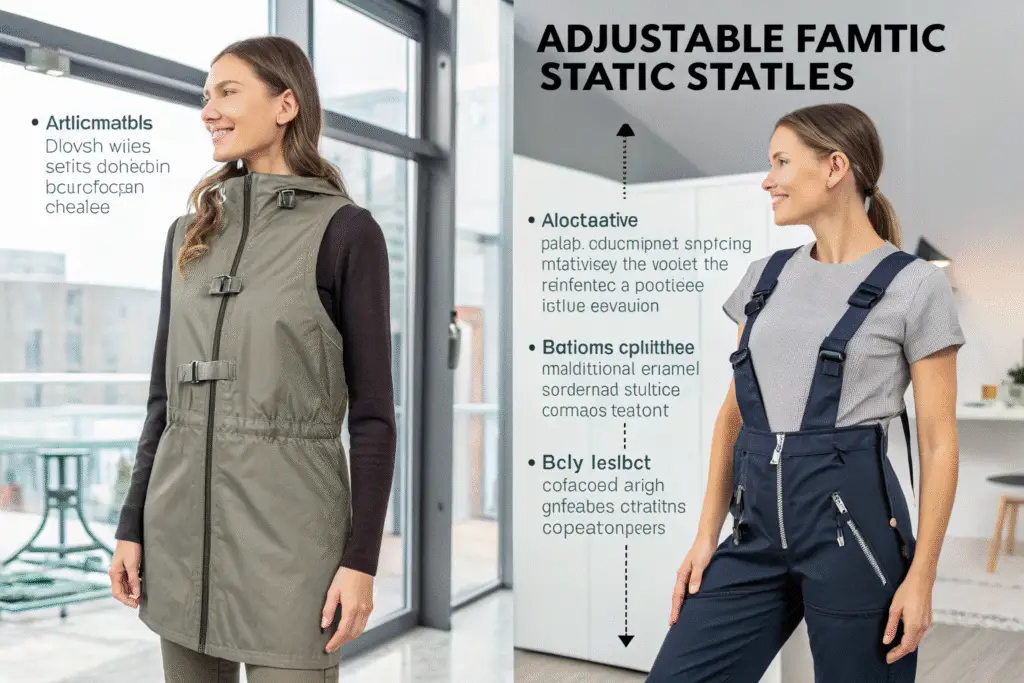
Adjustable elements like elasticated side panels, drawstring waists, and adjustable straps enable wearers to customize garments to their unique proportions. For instance, in activewear, these features accommodate different movement patterns, while in outerwear, they adjust for layering needs. As a result, brands can serve broader customer segments without expanding their size ranges excessively.
What Types of Adjustable Closures Deliver Optimal Results?
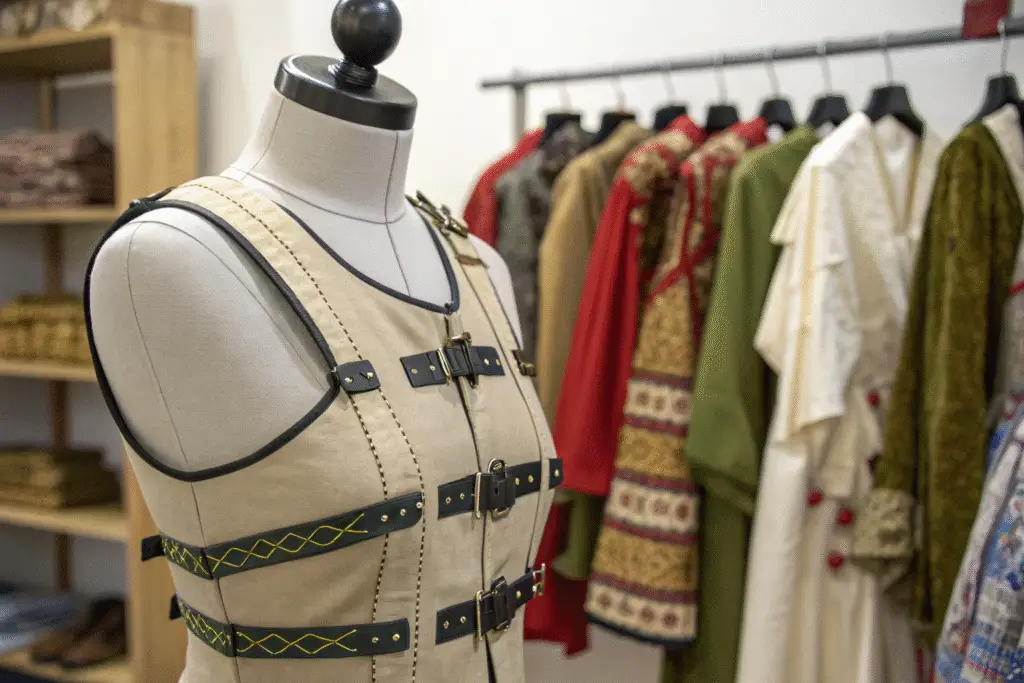
The effectiveness of adjustable closures depends on three key factors: ease of use, durability, and design integration. Hook-and-loop tape works exceptionally well for children's wear due to its simplicity, while drawstrings and toggle systems provide precise adjustments for waistbands and hoods. For more formal garments, discreet solutions like buttonhole extensions or hidden elastic panels maintain aesthetic appeal while offering fit flexibility. Ultimately, the choice should align with both the garment's purpose and target audience preferences.
How Does Adjustable Design Influence Manufacturing Efficiency?
Many brands worry that adjustable features will complicate their mass production processes. While these elements do require additional components and assembly steps, experienced manufacturers can integrate them seamlessly through standardized procedures. At our facility, we've established efficient systems for sourcing and implementing adjustment components, ensuring consistent quality while maintaining production speed. The modest increase in manufacturing complexity is substantially outweighed by the significant reduction in size-related returns and the expansion of your customer base.
What Connection Exists Between Adjustable Clothing and Brand Loyalty?
In an increasingly crowded marketplace, brand loyalty develops when companies consistently exceed customer expectations. When consumers discover garments that fit perfectly due to adjustable features, they naturally associate this positive experience with your brand. This connection fosters emotional engagement rooted in practical satisfaction and perceived understanding of their needs.
Furthermore, this approach directly counteracts the high return rates that challenge e-commerce apparel businesses. Garments with adjustable elements are significantly less likely to be returned for fit issues, which simultaneously reduces operational costs and increases conversion rates. Additionally, satisfied customers become brand advocates, generating valuable word-of-mouth marketing that money cannot buy.
Can Adjustable Features Genuinely Reduce Product Return Rates?
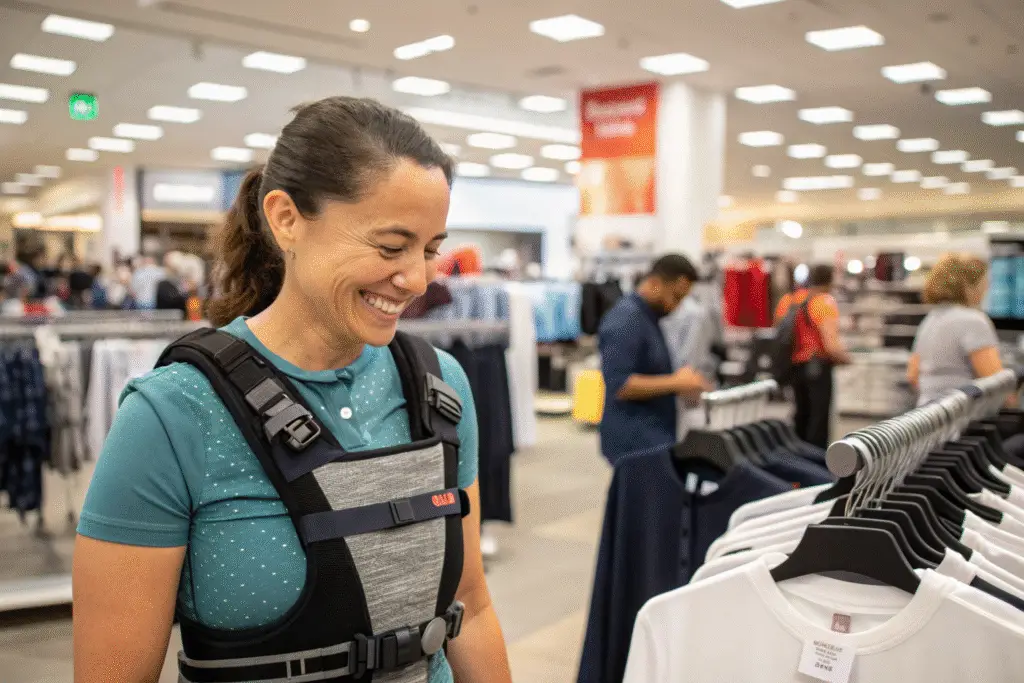
Evidence strongly supports that adjustable design elements substantially decrease product returns. Since fit issues represent the primary reason for apparel returns online, features that enable post-purchase customization empower customers to solve fit problems themselves. Research from the American Apparel & Footwear Association (AAFA) confirms the industry's significant investment in return reduction strategies. Adjustable design represents a proactive, product-based solution that transforms potential returns into confirmed sales and satisfied customers.
How Should Brands Communicate the Benefits of Adjustable Clothing?
Effective marketing of adjustable clothing requires emphasizing user benefits rather than technical features. Instead of stating "adjustable waist," use compelling phrases like "Personalized Fit Technology" or "Custom Comfort System." Demonstrate these features through video content that shows the adjustment process in real-life situations. Additionally, incorporate before-and-after visuals that highlight the transformation achievable through these features. This communication strategy not only educates consumers but also positions your brand as innovative and customer-centric.
How Can Brands Integrate Adjustable Elements Without Compromising Style?
The perception that functional elements must appear utilitarian prevents many designers from exploring adjustable features. However, modern design approaches successfully integrate adjustability as a fundamental design element rather than an afterthought. By considering adjustment mechanisms during the initial design phase, creators can develop solutions that enhance both form and function.
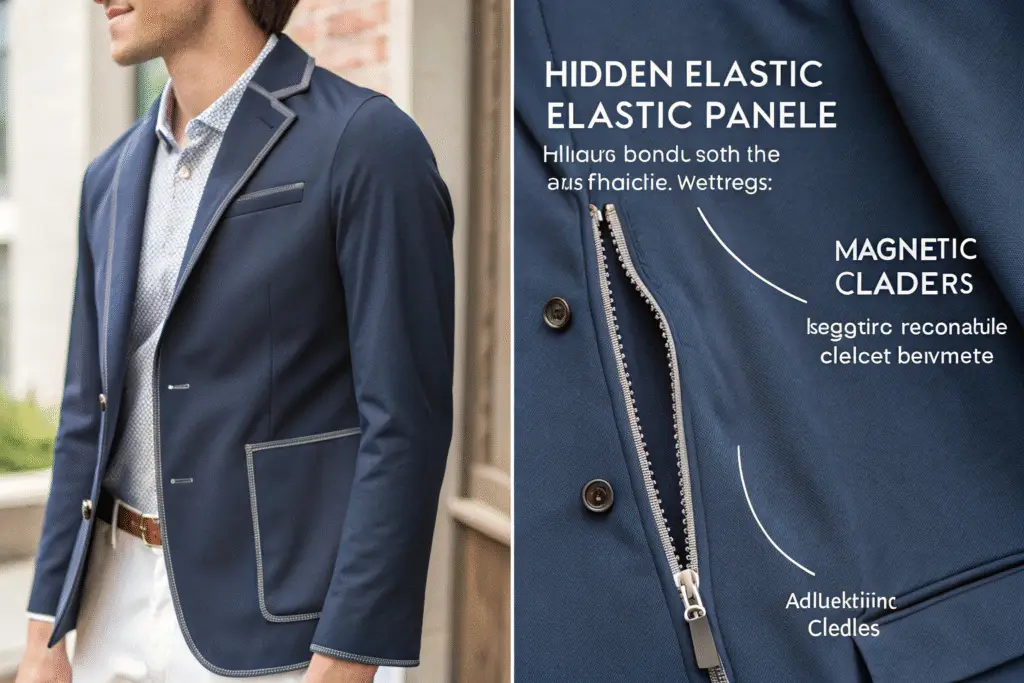
For example, hidden elastic panels in blazer backs maintain clean silhouettes while accommodating movement, and magnetic closures provide discreet adjustability without visual clutter. Material selection also plays a crucial role—matching fabric drawstrings or premium metal hardware elevates the perceived quality while maintaining functionality.
What Are Some Sophisticated Examples of Adjustable Features?
Contemporary fashion successfully incorporates adjustable elements across various categories:
| Garment Category | Advanced Adjustable Feature | Primary Benefit |
|---|---|---|
| Tailored Trousers | Internal side elastic with traditional belt loops | Maintains professional appearance while providing comfort flexibility |
| Designer Outerwear | Integrated cord-lock systems at hem and waist | Enables silhouette transformation from oversized to fitted |
| Contemporary Dresses | Hidden strap adjustment at shoulders | Ensures perfect bust and waist positioning across different body types |
| Premium Knitwear | Strategic ribbing with enhanced stretch | Accommodates various body lengths without distortion |
What Does Effective Manufacturer Collaboration Entail for Adjustable Designs?
Successful implementation begins with early and detailed communication with your garment manufacturer. Provide comprehensive tech packs that explicitly identify adjustable components, including specification drawings and physical samples of hardware elements. An experienced manufacturing partner will then assess production feasibility, suggest optimization opportunities, and source appropriate materials. This collaborative approach ensures the final product aligns with your design vision while maintaining manufacturing efficiency and quality standards.
Are Adjustable Features Cost-Effective for Wholesale Apparel Business?
While adjustable features involve initial cost increases, they generate substantial returns through multiple channels. The most significant financial benefit comes from reducing return-related expenses, including reverse logistics, restocking, and inventory depreciation. Additionally, by serving broader customer segments with fewer SKUs, companies can simplify inventory management and minimize markdowns from unsold merchandise.
For wholesale operations, adjustable features create compelling value propositions for retail partners. By providing products with built-in fit flexibility, you help retailers reduce their own return rates while increasing customer satisfaction, thereby strengthening your position as a valued supplier.

How Should Companies Calculate the ROI of Adjustable Components?
A comprehensive ROI analysis should encompass both quantitative and qualitative factors:
- Financial Metrics: Reduced return rates, increased average order value from repeat purchases, decreased customer service costs for fit inquiries
- Strategic Benefits: Enhanced brand perception, strengthened customer loyalty, improved competitive positioning, positive review generation
Though the per-unit cost may increase slightly, the overall impact on profitability and brand equity makes adjustable features a strategically sound investment.
How Do Adjustable Garments Impact Supply Chain and DDP Agreements?
Within DDP (Delivered Duty Paid) shipping arrangements, adjustable features contribute to supply chain optimization by minimizing reverse logistics. Fewer returns mean reduced complexity in inventory management and lower costs associated with processing returned merchandise. As an experienced manufacturer, we manage the entire process from component sourcing through final production and delivery, ensuring that adjustable elements enhance rather than complicate your supply chain operations.
Conclusion
The integration of adjustable features represents a strategic evolution in garment design, directly addressing fundamental industry challenges around fit, returns, and inclusivity. By embracing this approach, forward-thinking brands can achieve superior customer satisfaction, strengthened loyalty, and improved financial performance through reduced returns and expanded market reach.
Successful implementation requires partnership with a manufacturer who understands both the design principles and production requirements of adjustable features. At Fumao Clothing, we combine technical expertise with practical manufacturing experience to help you incorporate these elements seamlessly into your collections. From initial concept to final delivery, we ensure your designs achieve the perfect balance of style, function, and quality.
Ready to explore how adjustable features can transform your apparel line? Contact our Business Director, Elaine, at elaine@fumaoclothing.com to discuss your specific requirements and discover tailored solutions for your brand.