Meta Description:
Discover why partnering with an OEM clothing manufacturer in China can transform your fashion business. Learn about costs, benefits, sustainability, and how to choose the best supplier in 2025.
Introduction to OEM Clothing Manufacturing
In today’s fast-paced fashion industry, brands are constantly searching for efficient ways to bring their designs to life. One of the most effective strategies is to collaborate with an OEM clothing manufacturer in China. OEM, or Original Equipment Manufacturer, refers to companies that produce garments according to another brand’s design specifications, allowing fashion labels to focus on marketing and sales while leaving production to experts.
What Does OEM Mean in the Apparel Industry?
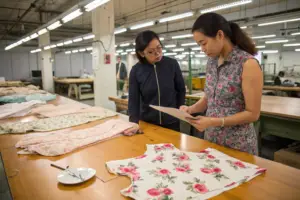
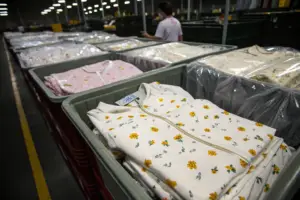
In the apparel sector, OEM manufacturing involves producing garments designed by a client brand but made under the manufacturer’s facility. The client provides sketches, patterns, or tech packs, while the manufacturer handles material sourcing, cutting, sewing, finishing, and packaging. This model enables brands—especially startups—to access large-scale production without investing in factories or equipment.
Difference Between OEM and ODM in Clothing Production
While OEM focuses on manufacturing client-designed products, ODM (Original Design Manufacturer) involves manufacturers offering pre-designed products that clients can rebrand. OEM is ideal for brands with unique designs seeking control over style and quality, whereas ODM suits those wanting quick, ready-made collections.
Why China Dominates the OEM Clothing Manufacturing Industry
A Brief History of China’s Textile and Garment Sector
China has held the global top spot in textile and apparel production for decades. Since the 1980s, reforms and foreign investments have transformed the country into a powerhouse of manufacturing excellence. The blend of skilled labor, robust infrastructure, and cutting-edge technology has made China the first choice for OEM clothing production worldwide.
Advantages of Chinese Manufacturing Infrastructure
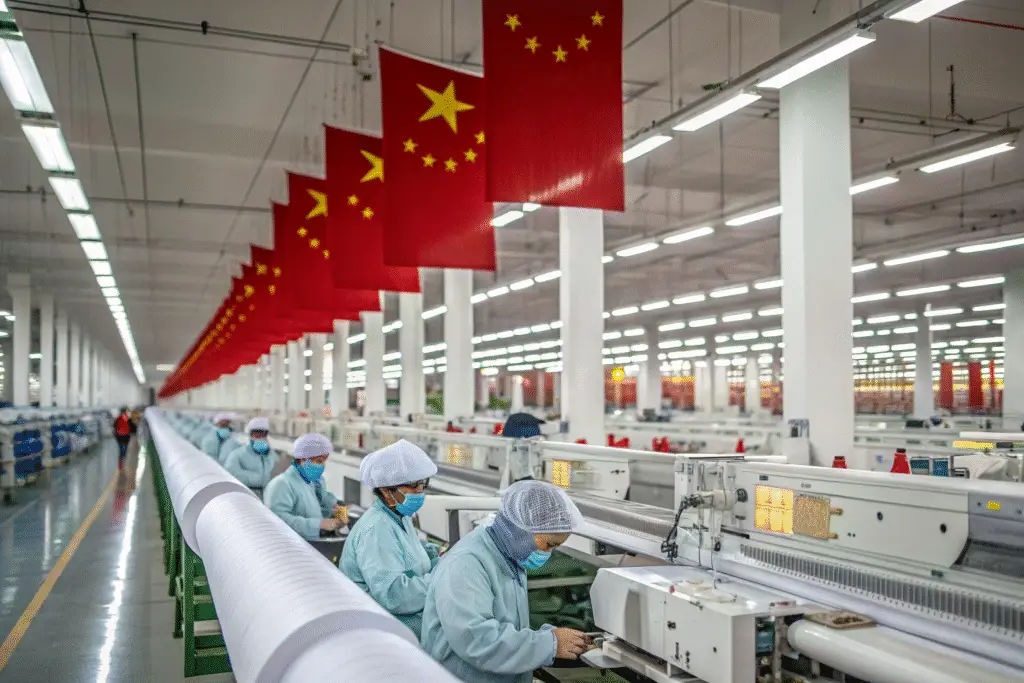
Chinese factories benefit from large-scale industrial clusters — from fabric weaving mills in Zhejiang to garment hubs in Guangzhou and Shenzhen. This interconnected ecosystem ensures rapid production, cost efficiency, and easy access to logistics.
The Role of Technology and Skilled Labor in Chinese Factories
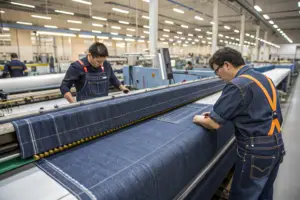
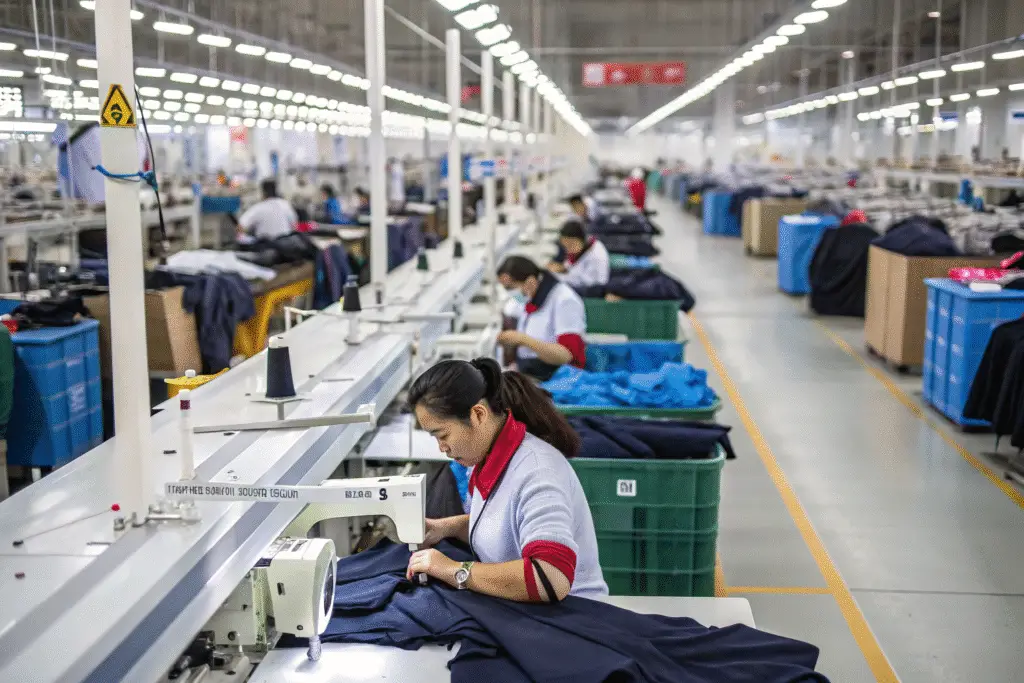
Modern Chinese OEM factories employ advanced machinery, CAD design software, and automated cutting systems to ensure precision and consistency. Additionally, skilled artisans handle the finer details, from stitching to embroidery, ensuring top-tier quality.
Key Benefits of Working with an OEM Clothing Manufacturer in China
Cost Efficiency and Economies of Scale
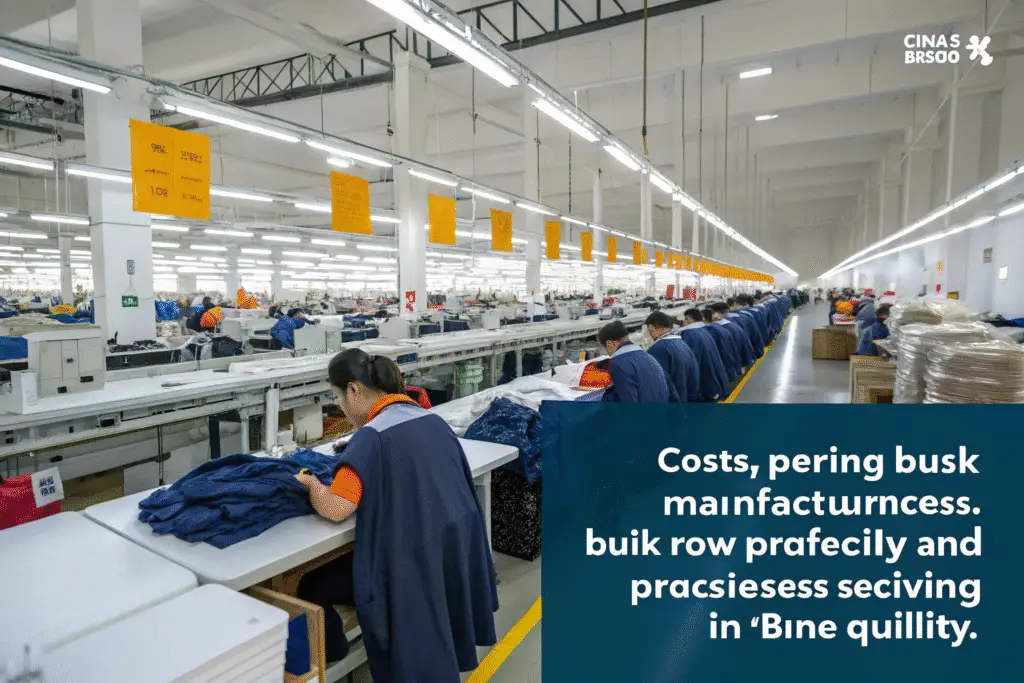
One of the most significant advantages of outsourcing to China is the cost-effectiveness of large-scale manufacturing. Due to bulk raw material purchasing and efficient processes, Chinese OEM clothing manufacturers can offer competitive pricing without sacrificing quality.
Access to High-Quality Fabrics and Materials
China’s textile market is vast, offering access to every fabric imaginable — from organic cotton and silk to advanced synthetics. Many manufacturers also have in-house fabric testing facilities to maintain consistent quality.
Flexible Production and Customization Options
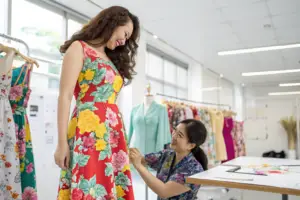
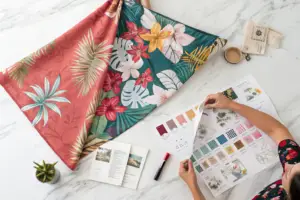
OEM manufacturers in China are known for flexibility. Whether you’re producing 100 custom T-shirts or 100,000 tailored jackets, these factories can adapt to your needs, offering embroidery, printing, labeling, and private branding services.
Streamlined Supply Chain and Logistics Support
With access to major shipping ports like Shanghai and Shenzhen, Chinese manufacturers can handle end-to-end logistics efficiently — ensuring smooth global delivery.
Step-by-Step Process of Partnering with an OEM Clothing Manufacturer in China
Step 1: Research and Shortlist Potential Suppliers
Start by searching verified suppliers on platforms like Alibaba, Made-in-China, and Global Sources. Look for OEM manufacturers with years of experience, good reviews, clear communication, and the ability to handle your preferred apparel category (e.g., sportswear, streetwear, or formal wear). Always check their business licenses and certifications.
Step 2: Evaluate Manufacturing Capabilities and Certifications
Before committing, evaluate the factory’s production capacity, turnaround time, and quality standards. Reputable OEM clothing manufacturers in China often hold ISO 9001, WRAP, or BSCI certifications—proof of ethical and high-quality manufacturing.
Step 3: Request Samples and Quality Checks
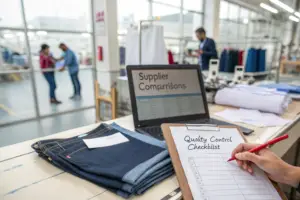
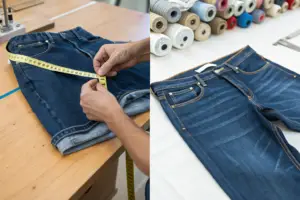
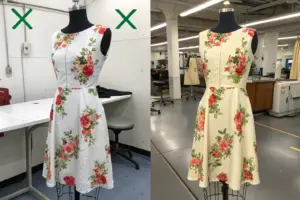
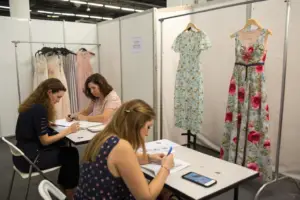
Never skip the sample stage. Request a pre-production sample to check for stitching quality, fabric feel, print accuracy, and fitting. You can also hire third-party inspection companies (like QIMA or SGS) for unbiased quality reports.
Step 4: Sign Contracts and Begin Production
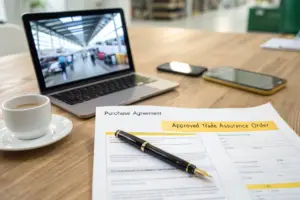
Once satisfied, sign a Manufacturing Agreement that clearly defines order quantities, delivery timelines, intellectual property protection, and penalties for delays or quality issues. Clear documentation ensures mutual trust and accountability.
Step 5: Quality Assurance and Shipment Management
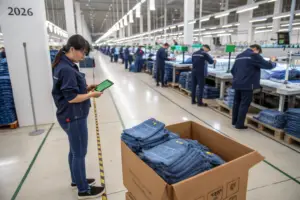
Most Chinese OEM factories offer in-house quality checks. However, it’s good practice to request mid-production and final inspections. Once cleared, the goods are packaged and shipped via air or sea freight, depending on urgency and budget.
Common Challenges and How to Overcome Them
Language and Communication Barriers
English proficiency varies among Chinese manufacturers. To avoid miscommunication, use visual references, tech packs, and translated contracts. Employing a bilingual sourcing agent can further smoothen collaboration.
Intellectual Property (IP) Concerns
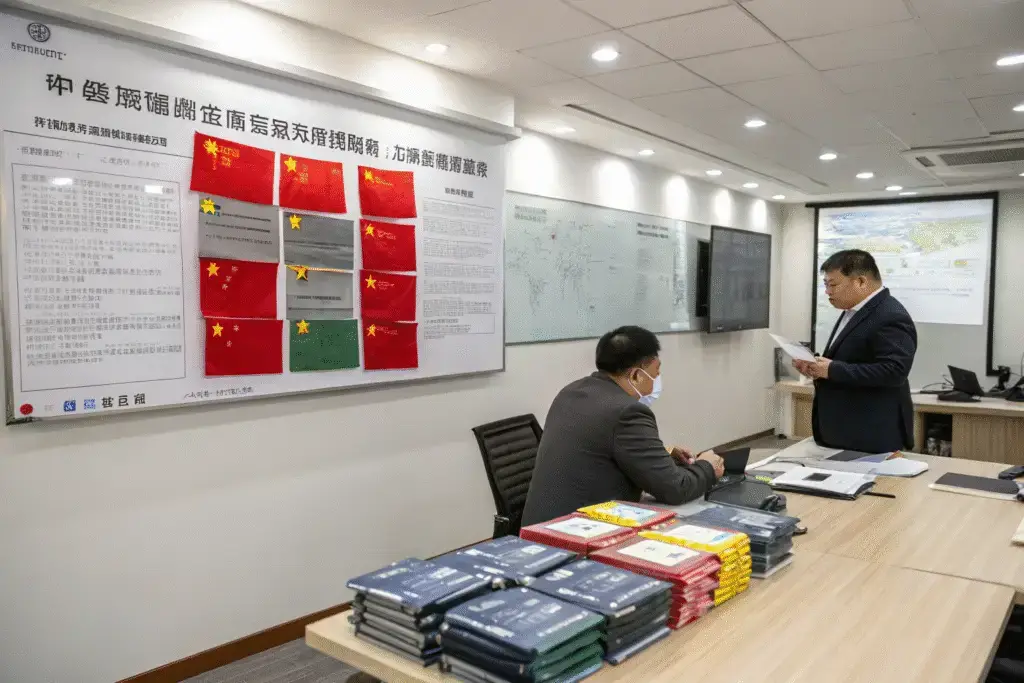
Many foreign brands worry about IP protection. Always register your trademarks in China and include a Non-Disclosure Agreement (NDA) in your contracts. Working with legally registered factories rather than middlemen minimizes the risk of design theft.
Ensuring Consistent Quality Control
Inconsistent quality can harm your brand reputation. Schedule periodic quality checks, use batch sampling, and maintain clear communication about specifications and tolerance limits throughout production.
How to Find a Reliable OEM Clothing Manufacturer in China
Using Verified B2B Platforms
B2B platforms like Alibaba, 1688, and Global Sources are ideal for discovering OEM manufacturers. Check supplier badges such as “Verified Manufacturer” or “Gold Supplier” for added credibility.
Visiting Trade Shows and Exhibitions
Events like the Canton Fair and CHIC Shanghai are great opportunities to meet manufacturers in person. These events allow you to assess product quality firsthand and build long-term relationships.
Partnering with Local Sourcing Agents
If you’re new to China’s manufacturing ecosystem, hiring a local sourcing agent can save time and reduce risk. They can visit factories, negotiate pricing, and ensure quality on your behalf.
Top OEM Clothing Manufacturers in China (2025 Edition)
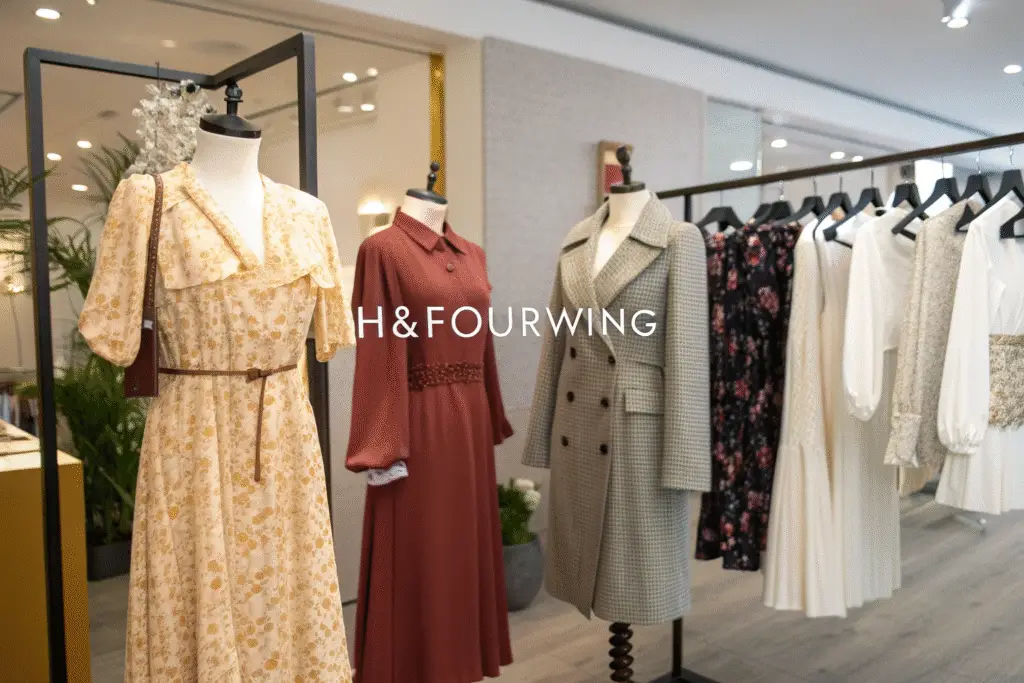
1. H&FourWing
Specializing in women’s fashion, H&FourWing offers OEM and ODM services with expertise in dresses, blouses, and outerwear. Known for their fast lead times and high-quality finishing.
2. D&J Fashion Supply Chain
With over 20 years of experience, D&J provides OEM manufacturing for major international fashion brands. Their factory emphasizes ethical production and advanced digital pattern-making.
3. Appareify
Appareify is gaining attention for its sustainable manufacturing approach, offering eco-friendly fabrics and small MOQ (Minimum Order Quantity) options suitable for startups.
4. Good Clothing Company
Focusing on sustainable and ethical apparel, this OEM manufacturer caters to eco-conscious brands worldwide, offering organic cotton, bamboo, and recycled polyester fabrics.
5. Berunwear
Renowned for sportswear and fitness apparel, Berunwear provides full-service OEM solutions, from design assistance to packaging and logistics support.
Sustainability in Chinese OEM Clothing Manufacturing
Eco-Friendly Materials and Dyeing Processes
Many leading OEM clothing manufacturers in China are now using organic cotton, bamboo fiber, Tencel, and recycled polyester. Eco-friendly dyeing and water-recycling systems have also become standard in modern textile mills.
Certifications: ISO, WRAP, and GOTS Standards
Sustainability is verified through certifications such as GOTS (Global Organic Textile Standard), OEKO-TEX Standard 100, and WRAP. These certifications confirm compliance with environmental and labor regulations.
Cost Breakdown: How Much Does OEM Clothing Production in China Cost?
Factors Affecting Pricing
The cost of OEM clothing depends on several factors:
- MOQ (Minimum Order Quantity)
- Fabric Type and Source
- Design Complexity (e.g., embroidery, printing, patterns)
- Packaging Requirements
- Shipping Method (Air vs. Sea)
Example of OEM Production Cost Estimates
| Product Type | MOQ | Estimated Cost per Piece (USD) |
|---|---|---|
| T-Shirts (Cotton) | 200 pcs | $4 – $8 |
| Hoodies (Fleece) | 150 pcs | $10 – $18 |
| Sports Leggings | 300 pcs | $6 – $12 |
| Denim Jeans | 100 pcs | $12 – $20 |
| Dresses | 200 pcs | $9 – $15 |
Prices are indicative and vary by fabric, design, and factory location.
Legal and Ethical Considerations When Outsourcing to China
Understanding Chinese Trade Regulations
Before exporting, familiarize yourself with import/export regulations, customs duties, and HS codes. Working with experienced freight forwarders ensures smooth customs clearance.
Ethical Labor and Compliance Standards
Always verify that your manufacturer adheres to ethical labor laws, provides safe working conditions, and prohibits child or forced labor. Ethical compliance strengthens brand reputation globally.
Future Trends of OEM Clothing Manufacturers in China (2025 & Beyond)
Rise of Smart Fabrics and Digital Design Tools
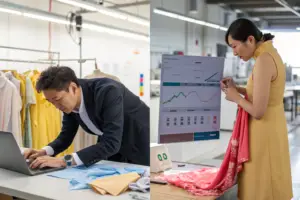
Smart textiles embedded with sensors are becoming mainstream, especially in sportswear. Chinese factories are also adopting 3D design software and virtual sampling, reducing waste and speeding up production.
Growing Focus on Sustainability and Transparency
Consumers now demand visibility into how their clothes are made. More OEM factories in China are adopting blockchain tracking systems to provide transparency from fiber to final product.
Integration of AI and Automation in Production
From AI-driven cutting machines to automated sewing lines, technology continues to redefine efficiency in apparel manufacturing, allowing faster, more accurate, and cost-effective production cycles.
FAQs about OEM Clothing Manufacturers in China
1. What’s the difference between OEM and ODM in clothing manufacturing?
OEM follows your design and specifications, while ODM offers ready-made designs that can be branded with your logo.
2. What’s the minimum order quantity (MOQ) for OEM clothing in China?
Typically between 100–300 pieces per style, though some factories offer smaller MOQs for startups.
3. How long does OEM clothing production take in China?
Lead time varies between 30–60 days, depending on order size and complexity.
4. Is it safe to share my designs with Chinese manufacturers?
Yes, if you work with registered manufacturers and sign NDAs and IP protection agreements.
5. Can I produce sustainable or eco-friendly clothing in China?
Absolutely. Many Chinese OEM factories now specialize in organic and recycled fabrics.
6. How do I ensure quality when manufacturing in China?
Request samples, use third-party inspections, and maintain clear specifications.
Conclusion
Partnering with an OEM clothing manufacturer in China offers brands unparalleled advantages—cost efficiency, customization, quality, and scalability. By selecting reputable manufacturers, ensuring ethical compliance, and embracing sustainability, you can build a strong global fashion brand that stands the test of time.
China’s OEM clothing sector isn’t just about affordable production—it’s about innovation, reliability, and long-term growth.
🔗 External Source:
For global apparel sourcing insights, visit Textile World.