As an experienced garment manufacturer working with American brands, I consistently find that understanding fabric fundamentals separates successful apparel lines from problematic ones. The distinction between circular knit and woven fabrics represents one of the most critical knowledge gaps for brands sourcing overseas. This comprehensive guide will walk you through both fabric types systematically, explaining not just their construction differences but how these impact your production, costs, and final product performance.
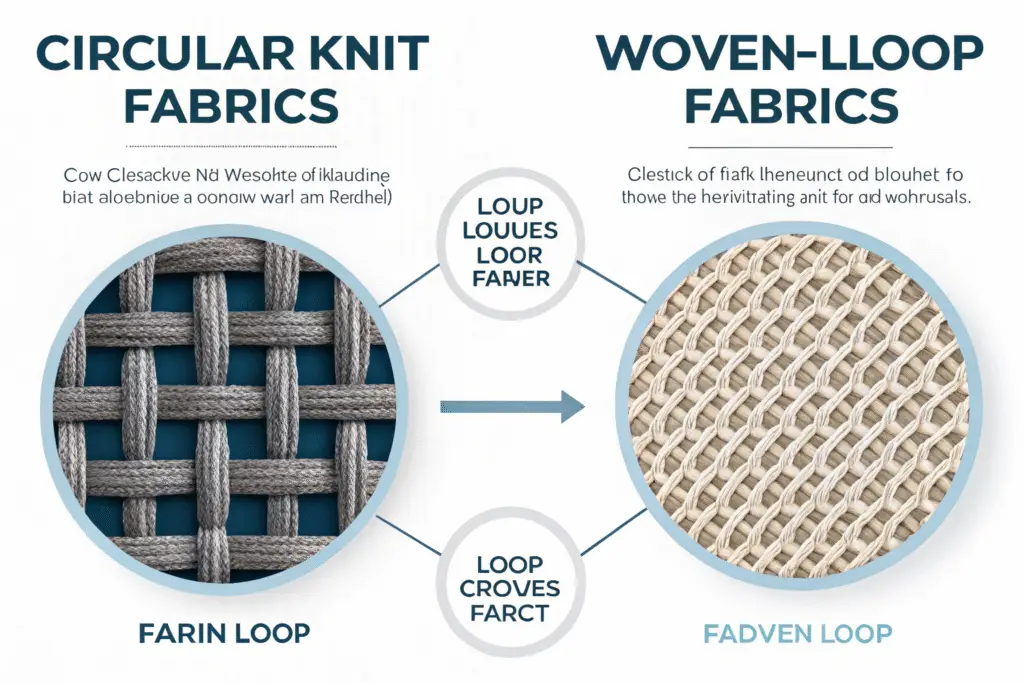
Circular knit fabrics feature interlocking loops that create stretch and flexibility, while woven fabrics utilize perpendicularly interlaced yarns that provide structure and stability. This fundamental construction difference dictates everything from garment design to manufacturing approach. For brands working with overseas manufacturers, this knowledge transforms vague specifications into precise technical requirements that ensure your vision translates accurately into finished products.
Let's examine both fabric types in detail, starting with their basic construction and moving through practical implications for your business.
Understanding Circular Knit Fabric Construction
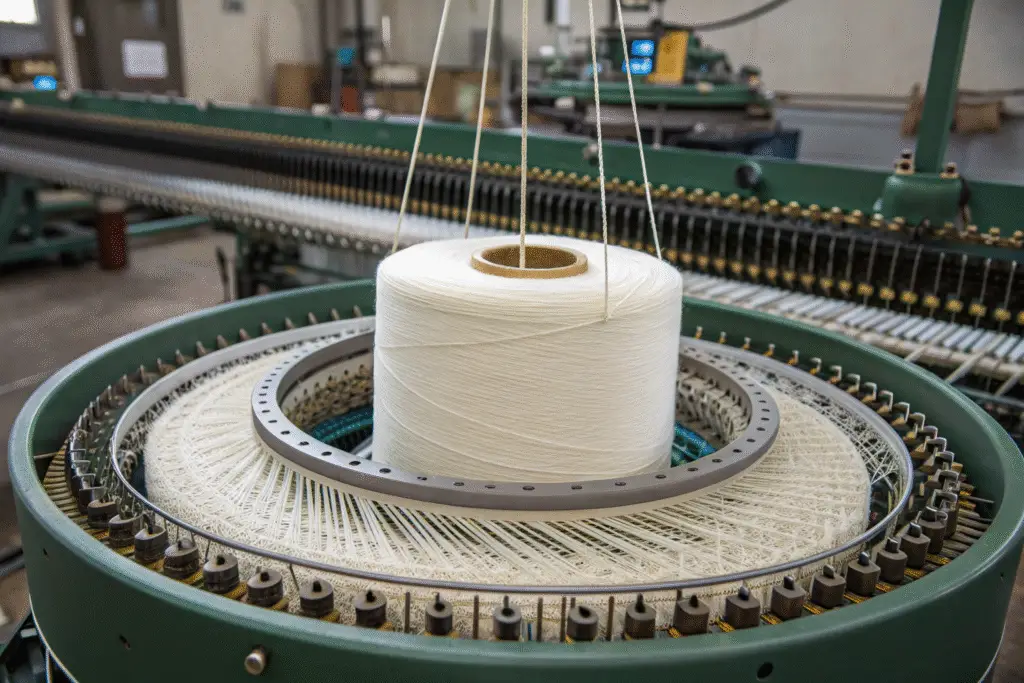
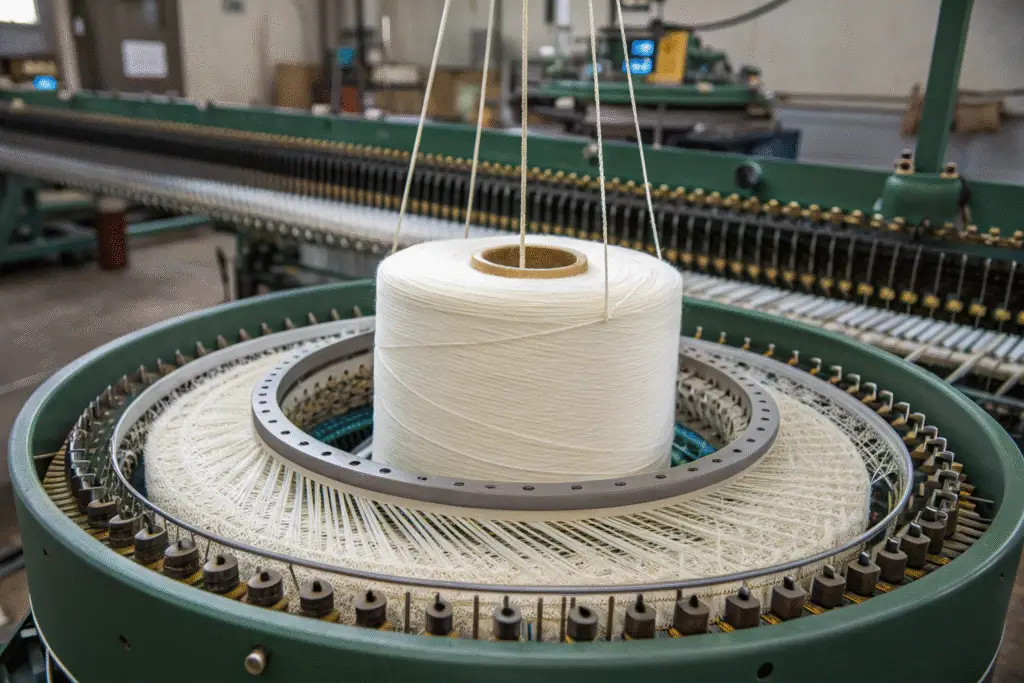
Circular knit fabrics begin with a remarkably different manufacturing approach than wovens. The process involves feeding a single continuous yarn into a circular knitting machine, where needles form it into interconnected loops that create a tubular fabric. This looping construction method fundamentally defines all subsequent characteristics of knit fabrics, from their signature stretch to their comfort against the skin.
The circular knitting process naturally creates fabrics with inherent elasticity. As the loops form, they create tiny openings that can expand and contract with movement. This built-in flexibility makes circular knits ideal for form-fitting garments that require freedom of movement. The tubular nature of the fabric also means it has no selvage edges, which affects how patterns are cut and garments are assembled. Understanding this construction helps explain why knits behave differently than wovens throughout the manufacturing process.
What Are The Primary Advantages Of Circular Knit Fabrics?
Circular knits offer several distinct advantages that make them indispensable for specific apparel categories. The most significant benefit is their natural stretch and recovery, which allows garments to move with the body while maintaining their shape. This characteristic makes them perfect for activewear, fitted tops, and comfortable casualwear. Additionally, the looped structure creates air pockets that provide natural insulation while remaining breathable, offering comfort across various temperatures.
Another advantage lies in manufacturing efficiency. Since circular knits are produced in tube form, they often generate less fabric waste during cutting than woven fabrics. The fabric's natural resistance to wrinkling also reduces the need for extensive finishing processes. These factors contribute to both cost efficiency and quicker production timelines. For brands prioritizing comfort, movement, and production efficiency, circular knits frequently represent the optimal choice.
How Do Different Knit Types Serve Different Applications?
The circular knit category encompasses several distinct fabric types, each with unique properties suited to specific applications. Single jersey represents the most basic knit structure, characterized by its light weight and good stretch, making it ideal for basic T-shirts. Interlock knit features a double-knit construction that provides more stability and thickness, serving well in premium T-shirts and casual dresses. Rib knit stands out with its pronounced vertical ribs and excellent crosswise stretch, perfect for cuffs, collars, and fitted garments.
Each knit type brings different performance characteristics to the finished garment. For instance, single jersey offers maximum stretch and breathability but may be prone to curling at cut edges. Interlock provides better shape retention and a more substantial hand feel, though with slightly less stretch. Understanding these distinctions allows brands to select the most appropriate knit type for their specific application, balancing factors like comfort, durability, and aesthetic requirements.
Exploring Woven Fabric Characteristics
Woven fabrics employ a completely different construction method that fundamentally shapes their characteristics. The weaving process interlaces two distinct yarn sets—warp yarns running lengthwise and weft yarns running crosswise—at perfect right angles to each other. This perpendicular interlacing creates a stable fabric structure with little inherent stretch, making wovens ideal for structured garments where maintaining shape is crucial.
The woven construction method naturally produces fabrics with greater dimensional stability than knits. Without the loop structure that allows stretching, woven fabrics maintain their shape consistently during wear and between washings. This stability makes them particularly suitable for tailored garments, structured outerwear, and any application where a crisp, professional appearance matters. The tight interlacing of yarns also typically creates fabrics with superior tear resistance compared to knits of similar weight.
How Do Weave Patterns Influence Fabric Performance?
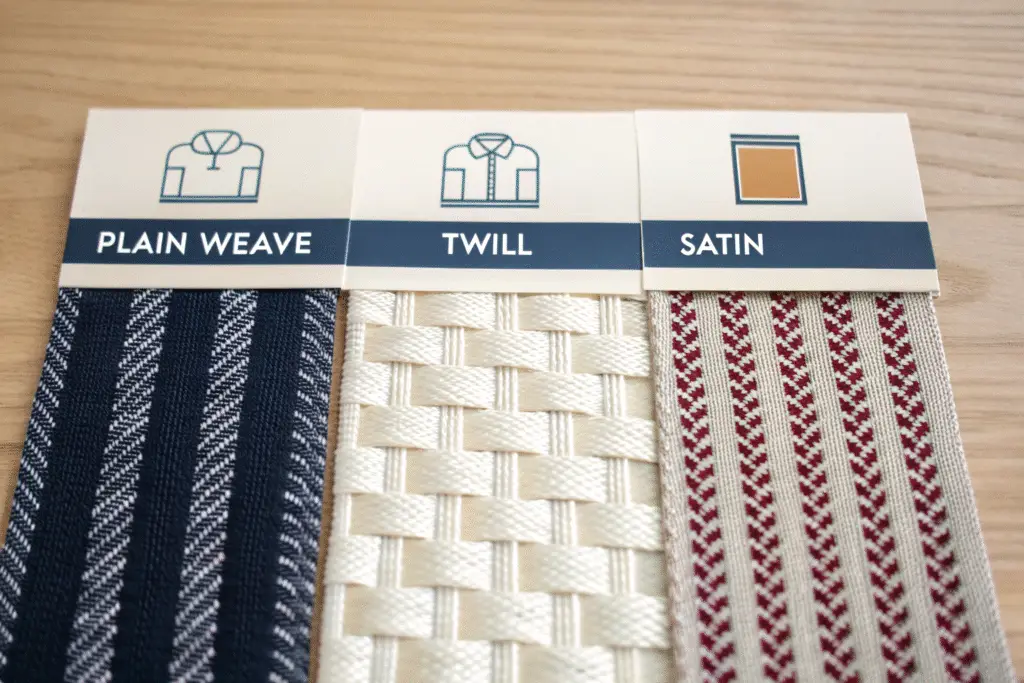
The specific pattern used to interlace warp and weft yarns significantly impacts the final fabric's characteristics. Plain weave represents the simplest pattern, with weft yarns alternating over and under warp yarns in a consistent pattern. This creates strong, versatile fabrics like poplin and chiffon that work well for shirts and blouses. Twill weave introduces a diagonal pattern by passing weft yarns over one or more warp yarns then under two or more, producing durable fabrics like denim and gabardine that resist wrinkling.
Satin weave creates a lustrous surface by allowing weft yarns to float over multiple warp yarns. This produces smooth, shiny fabrics ideal for formalwear and luxury items, though with potentially less durability than other weaves. Each weave pattern offers distinct advantages for specific applications, allowing brands to select fabrics that align with both aesthetic goals and performance requirements for their particular market segment.
When Does Woven Fabric Become The Clear Choice?
Woven fabrics become the obvious selection when garment structure, shape retention, and formal appearance take priority. Dress shirts, tailored trousers, blazers, and structured outerwear all benefit from woven fabrics' ability to maintain sharp silhouettes throughout wear. The crisp drape and clean lines possible with wovens make them essential for business attire and formalwear where professional presentation matters.
Beyond formal applications, wovens excel in scenarios demanding exceptional durability. Work uniforms, canvas products, and heavy-use items like denim jeans leverage woven fabrics' superior resistance to abrasion and tearing. The stability of wovens also makes them ideal for detailed prints and patterns that need to remain undistorted during wear and care. When your design calls for precise tailoring, maximum durability, or a polished aesthetic, woven fabrics typically deliver superior results.
Manufacturing Implications Of Fabric Selection
The choice between knit and woven fabrics carries significant implications throughout the manufacturing process. These differences begin at the pattern development stage and continue through cutting, sewing, and finishing. Understanding these manufacturing considerations helps brands make informed decisions that align with their production capabilities, timeline requirements, and quality expectations.
Pattern making represents the first major divergence between knits and wovens. Knit patterns typically incorporate negative ease, meaning they're cut smaller than the intended finished measurements since the fabric will stretch during wear. Woven patterns require positive ease, adding extra room to accommodate body movement since the fabric doesn't stretch. This fundamental difference in approach affects everything from initial sampling to final production sizing.
How Does Fabric Choice Impact Production Costs?
The cost implications of choosing between knits and wovens extend beyond simple material pricing. Knit production often involves specialized equipment, including coverstitch machines and specific cutting tables that prevent fabric distortion. These equipment requirements can impact initial setup costs. However, knit garments frequently require fewer sewing operations than comparable woven items, potentially reducing labor costs.
Woven garment production typically involves more complex construction techniques, including collars, plackets, and structured seams that increase labor requirements. The need for interfacings and reinforcements in many woven garments adds both material and labor costs. Additionally, woven fabrics generally produce more cutting waste since they're not tubular, though this varies by specific garment design. Understanding these cost factors helps brands make financially sound fabric selections for their price points.
What Timeline Considerations Should Influence Fabric Choice?
Production timelines differ significantly between knit and woven garments, impacting how brands plan their seasonal collections. Knit garments often move through production more quickly once fabric is available, thanks to simpler construction methods and fewer components. However, certain specialty knit fabrics may have longer lead times if they require custom dyeing or finishing.
Woven garments typically involve more complex assembly processes that extend production timelines. Multiple components like collars, cuffs, and plackets require additional cutting, preparation, and assembly steps. Structured elements like interfacings often need precise application, adding to the production time. Brands working with tight deadlines should factor these timeline differences into their development schedules and fabric selection decisions.
Selecting The Right Fabric For Your Apparel Line
Choosing between circular knit and woven fabrics requires careful consideration of multiple factors specific to your brand and products. There's no universal "best" choice—only the most appropriate selection for your particular application. Successful fabric selection balances technical requirements with business considerations to achieve the optimal combination of performance, aesthetics, and profitability.
Begin the selection process by clearly defining the garment's primary function and performance requirements. Consider how the garment needs to move with the body, what kind of silhouette you want to achieve, and what durability standards it must meet. These functional requirements will naturally point toward either knit or woven characteristics. Next, consider your target customer's comfort expectations and care preferences, as these significantly impact satisfaction with the final product.
What Key Questions Guide The Fabric Selection Process?
Several strategic questions can systematically guide your fabric selection decision. First, ask what primary function the garment serves and what movements it needs to accommodate. Second, consider what aesthetic you're trying to achieve—soft and flowing or crisp and structured? Third, evaluate your target price point and how fabric choice impacts overall costs. Fourth, think about care requirements and how they align with customer expectations.
Additional considerations include the garment's intended seasonality, since fabric weight and breathability requirements vary by climate. Also consider how the fabric choice aligns with your brand's overall identity and values. Methodically working through these questions provides a structured approach to what can otherwise feel like an arbitrary decision, ensuring your fabric selection supports both creative vision and commercial objectives.
How Can Your Manufacturer Support Optimal Fabric Selection?
An experienced manufacturing partner provides invaluable guidance throughout the fabric selection process. We help brands navigate these decisions by providing technical specifications, performance data, and physical samples for evaluation. Our expertise includes understanding how different fabrics behave during production and wear, allowing us to anticipate potential issues before they arise.
We also facilitate fabric testing to verify performance characteristics like shrinkage, colorfastness, and durability. This testing provides objective data to support selection decisions and mitigate risk. Additionally, we maintain relationships with numerous fabric mills, giving us access to a wide range of options and the ability to source materials that precisely match your requirements. This collaborative approach ensures your fabric choices align with both creative vision and practical manufacturing considerations.
Conclusion
The distinction between circular knit and woven fabrics represents a fundamental consideration in apparel development that impacts every aspect of your product. Circular knits, with their stretch, comfort, and efficient production characteristics, excel in applications prioritizing movement and casual aesthetics. Woven fabrics, with their structure, stability, and crisp appearance, serve ideally in tailored garments and formalwear where shape retention matters.
Successful apparel lines typically incorporate both fabric types strategically throughout their collections, leveraging the unique advantages of each to meet different customer needs. Understanding these fundamental differences enables brands to make informed decisions that align with their design vision, quality standards, and business objectives. This knowledge transforms fabric selection from a guessing game into a strategic decision that supports product success.
If you're seeking guidance on fabric selection for your next collection, we invite you to contact our Business Director Elaine at elaine@fumaoclothing.com. Our expertise in both knit and woven manufacturing ensures you receive comprehensive support in selecting the ideal fabrics for your specific applications, helping you create garments that excel in both performance and market appeal.