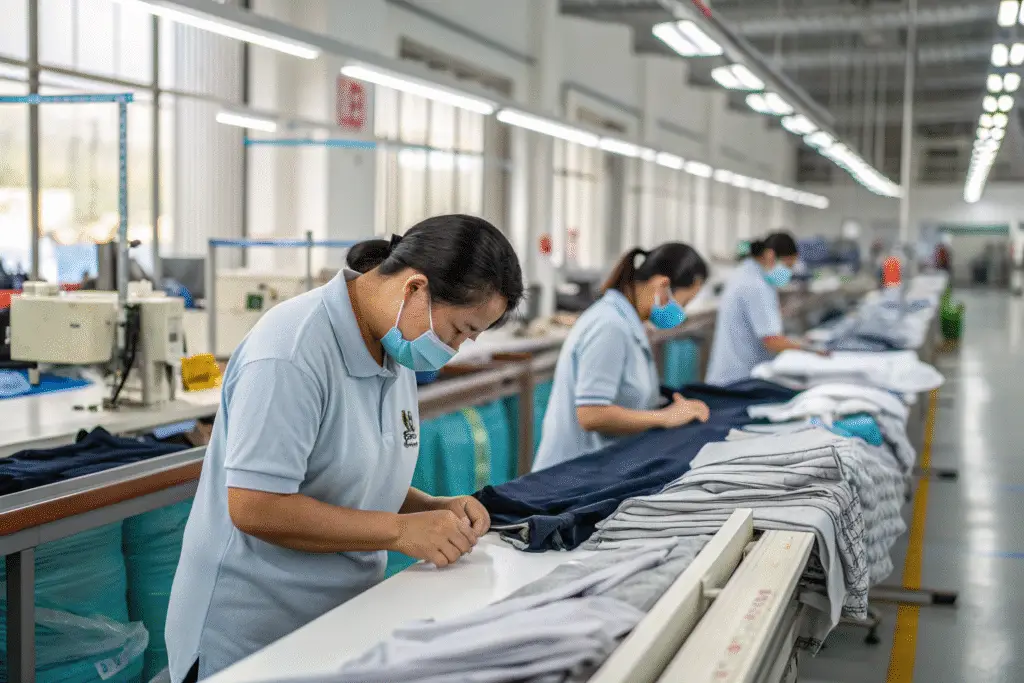
In today's global fashion market, ethical manufacturing has become a critical concern for apparel brands. As a business owner sourcing from overseas, you face increasing pressure from consumers and regulators to ensure your supply chain operates responsibly. This extends beyond product quality and pricing—it directly impacts your brand reputation and long-term viability in a competitive marketplace.
Social compliance in clothing production represents a comprehensive approach to ethical manufacturing, encompassing fair labor practices, safe working conditions, and environmentally responsible operations throughout your supply chain. This framework serves as your primary defense against reputational damage and production disruptions while ensuring the integrity of your sourced products. For American brands importing from manufacturing hubs like China and Vietnam, a socially compliant partner transforms from a simple vendor into a strategic asset that enhances brand value and customer trust.
Understanding and implementing social compliance requires a systematic approach. Let's examine how you can effectively verify and maintain ethical standards in your garment production process, converting potential risks into tangible competitive advantages.
Understanding Social Compliance Fundamentals
Social compliance begins with recognizing its fundamental principles and their direct impact on your business operations. This foundation enables you to make informed decisions when selecting and managing manufacturing partners.
At its core, social compliance ensures that factories producing your garments maintain ethical standards regarding worker treatment and operational safety. For business owners, this understanding provides crucial risk mitigation, protecting against scandals that could compromise brand integrity overnight.

Why Do Social Compliance Audits Matter for Your Business?
Social compliance audits function as your operational oversight mechanism in overseas manufacturing. These systematic evaluations assess factory operations against internationally recognized standards, providing tangible evidence of your supplier's ethical commitment. For buyers, audits represent essential due diligence that helps identify trustworthy partners and avoid those who might misrepresent their practices.
These audits verify critical operational aspects that directly affect your business interests. They examine wage compliance, working hour management, and factory safety protocols. By requiring valid audit reports from suppliers, you substantially reduce risks associated with factory shutdowns or labor disputes. Organizations like WRAP establish globally recognized benchmarks for these assessments, providing standardized evaluation criteria.
How Does Ethical Manufacturing Enhance Brand Profitability?
Social compliance represents a strategic investment rather than merely a cost consideration. Ethically compliant factories typically demonstrate greater operational stability and reliability, resulting in fewer production delays that could cause you to miss crucial selling seasons. Improved worker treatment correlates with reduced employee turnover, leading to higher product quality and fewer defects in your orders.
Beyond operational benefits, strong ethical credentials serve as powerful marketing assets. Your partnership with certified manufacturers can be leveraged in brand storytelling, appealing to the growing segment of conscious consumers. This ethical positioning may enable premium pricing while strengthening customer loyalty. The Fair Labor Association documents how ethical sourcing contributes directly to business success, demonstrating the clear connection between social responsibility and financial performance.
Implementing Effective Supplier Evaluation
Transitioning from understanding to action requires developing robust supplier evaluation processes. This practical implementation ensures your compliance standards translate into real-world manufacturing partnerships.
Effective vetting begins with actively investigating manufacturers' compliance claims rather than accepting them at face value. Your brand reputation depends on accurately distinguishing genuinely ethical factories from those merely presenting a compliant facade. This evaluation process forms your primary defense against supply chain risks.

Which Certifications Provide Reliable Compliance Verification?
Credible social compliance verification comes from globally recognized, independent certification bodies. These certifications maintain credibility through regular and often unannounced audit processes. Among the most respected standards are WRAP, BSCI (Business Social Compliance Initiative), and SA8000—each demonstrating a manufacturer's proven commitment to ethical practices.
The following table outlines key certifications for your reference:
| Certification | Key Focus | Why It Matters to You |
|---|---|---|
| WRAP | Ethical manufacturing, compliance with local laws | Comprehensive standard widely recognized in the U.S. market. |
| BSCI | Social performance and improvement | Common in European supply chains, shows commitment to progress. |
| SA8000 | Auditable social standard for workplaces | A rigorous, internationally accepted benchmark for social accountability. |
Prioritizing these certifications helps filter potentially unreliable suppliers while addressing your need for verified quality control and trustworthy manufacturing partners.
What Factory Visit Questions Reveal True Compliance?
Factory visits provide invaluable opportunities to observe operational realities behind certification documents. During these visits, asking targeted questions and carefully observing working conditions reveals much about a supplier's actual compliance status.
Essential inquiries should cover average working hours during peak seasons, wage structures including overtime compensation, and worker access to basic amenities like clean water and ventilation. Additionally, examine how policies are communicated to workers and whether anonymous feedback mechanisms exist. Combining these responses with direct observation of worker morale and factory conditions provides a comprehensive picture of operational ethics, directly addressing communication inefficiencies by assessing supplier transparency firsthand.
Building Comprehensive Compliance Programs
Moving beyond initial verification requires establishing comprehensive compliance programs that integrate ethical practices into daily operations. This approach ensures consistent adherence to standards throughout your manufacturing relationship.
Robust social compliance functions as an integrated system rather than a one-time certification achievement. You need partners who embed ethical considerations into their operational DNA, providing long-term protection for your orders against compliance risks that might emerge after initial audits.
How Does Ethical Material Sourcing Extend Compliance?
True social compliance extends throughout your entire supply chain, beginning with raw material procurement. Ensuring your manufacturer sources fabrics and components from ethical spinners, weavers, and dyehouses represents the next level of supply chain responsibility—often described as traceable sourcing.
This expanded approach matters because modern consumers increasingly investigate product origins. They question whether cotton was harvested by fairly compensated workers or if dyes meet environmental safety standards. Partnering with manufacturers who prioritize certified materials like organic cotton or recycled fabrics future-proofs your brand while providing authentic marketing narratives that differentiate you from competitors.
Why Are Worker Grievance Systems Essential?
Functional worker grievance mechanisms provide confidential channels for employees to report concerns without fearing retaliation. For your business, these systems serve as early warning mechanisms that identify and resolve minor issues before they escalate into major disruptions like strikes or factory closures that could delay your shipments.
Factories with effective grievance procedures demonstrate genuine commitment to their workforce, indicating management willingness to address concerns and improve operations. This approach typically results in more stable, productive workforces that consistently deliver higher quality garments. Selecting partners who value employee feedback represents a strategic investment in supply chain resilience and product quality.
Establishing Long-Term Compliant Partnerships
The ultimate goal involves transforming compliance from a verification exercise into an ongoing collaborative partnership. This evolution requires building relationships based on shared values and transparent operations.
Developing socially compliant supply chains means forging genuine partnerships rather than transactional vendor relationships. This approach integrates ethical considerations into your core business strategy, creating sustainable advantages beyond basic compliance requirements.

What Ongoing Role Should Buyers Play in Compliance Maintenance?
Maintaining social compliance requires active, ongoing engagement from your side as a buyer. You cannot outsource ethical responsibility entirely to suppliers. Instead, integrate compliance requirements into your fundamental sourcing criteria alongside cost and quality considerations, explicitly including them in purchase orders and formal agreements.
Schedule regular compliance-focused meetings with suppliers alongside production updates, requesting information about audit status and corrective actions. Demonstrating consistent prioritization of these issues encourages manufacturers to maintain high standards, addressing communication challenges while building relationships where potential problems can be discussed openly before impacting delivery schedules.
How Can Technology and Shipping Agreements Strengthen Compliance?
Modern technology provides powerful tools for enhancing supply chain transparency. Request that manufacturers implement platforms offering visibility into production stages and compliance documentation, including digital systems tracking working hours and wage payments that provide verifiable data.
Additionally, DDP (Delivered Duty Paid) shipping agreements can streamline logistics while maintaining ethical standards. Under DDP terms, manufacturers manage all logistics, risks, and costs until goods reach your U.S. warehouse. Socially compliant partners will ensure ethical standards extend throughout this logistics chain, providing comprehensive control managed by trusted partners that minimizes unexpected delays or final-stage ethical lapses.
Conclusion
Ensuring social compliance in clothing production requires a comprehensive, multi-stage approach. The process begins with understanding fundamental principles, continues through rigorous supplier evaluation, and culminates in building transparent, collaborative supply chain partnerships. This represents not a peripheral activity but a core business strategy that protects your brand reputation, ensures reliable delivery, and ultimately enhances profitability.
At Fumao Clothing, we position ourselves as your dedicated partner in achieving these objectives. We maintain recognized social compliance certifications while committing to the highest ethical standards across all operations, from fabric sourcing through final production. Let us help you develop a supply chain that aligns with your values and business requirements. To discuss how we can ensure your next apparel order meets the highest standards of social compliance, reliability, and quality, please contact our Business Director, Elaine, at elaine@fumaoclothing.com.