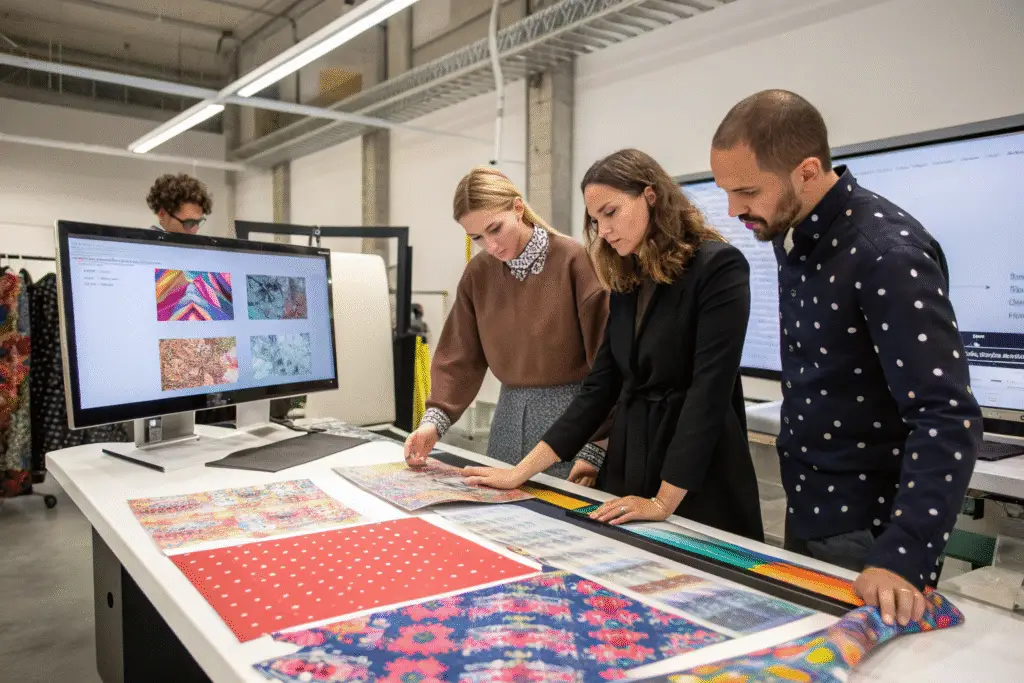
As an experienced garment manufacturer working with American brands, I understand how custom print fabrics can differentiate your products in a competitive market. Many clients seek unique designs but lack clarity about transforming concepts into production-ready textiles.
Custom print fabric development is a collaborative, multi-stage process converting creative concepts into commercial textiles through design creation, technical execution, and quality assurance. This systematic approach ensures your vision becomes market-ready apparel that meets quality standards and delivery timelines.
Understanding this workflow helps brands innovate while maintaining efficiency. With an experienced manufacturing partner, what seems complex becomes a streamlined operation.
How to Create Your Initial Custom Print Design?
The foundation of successful custom fabric development begins with translating your brand identity into a visual concept. This critical first phase establishes direction for all subsequent stages.
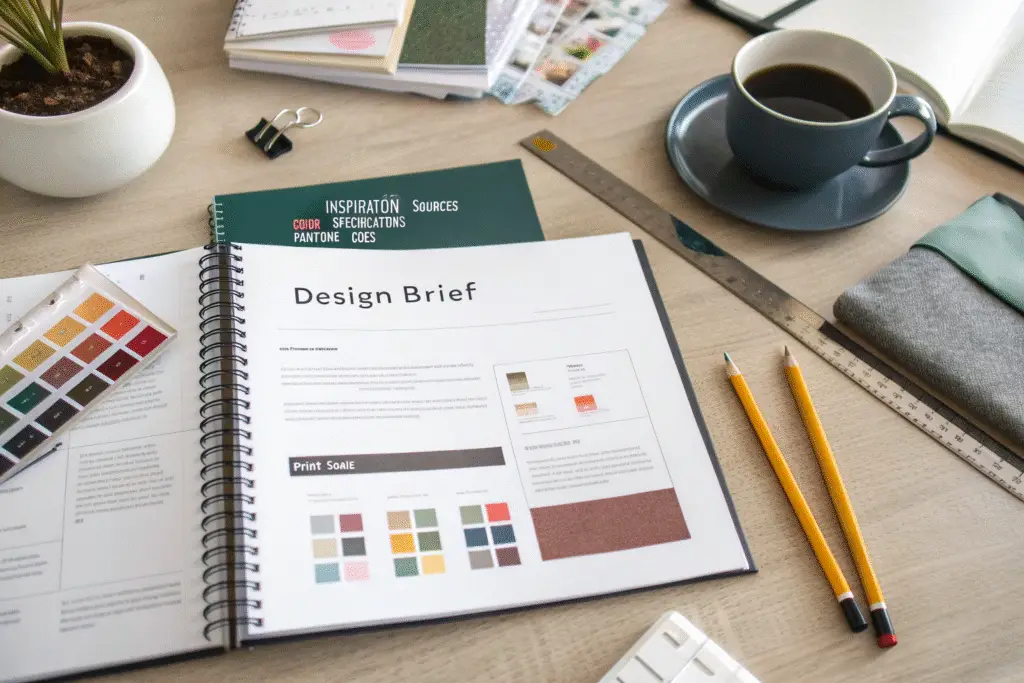
A comprehensive design brief aligns your creative vision with technical execution. Include inspiration sources, color specifications using Pantone codes, print scale preferences, and intended garment applications. This document prevents misunderstandings and ensures both teams work toward identical objectives from project inception.
What Elements Are Essential in a Design Brief?
Beyond basic sketches, your brief should detail inspiration sources—whether from nature, art, or cultural trends. Specify exact colors using Pantone codes and indicate preferred print scale. Mention intended fabric types since this affects print method selection. Comprehensive briefs enable accurate design execution while minimizing revisions.
How Does Digital Artwork Preparation Work?
Our graphic artists use specialized software to digitize approved concepts, creating clean, repeatable patterns with perfect alignment. We balance technical precision with artistic integrity, preparing final files according to digital textile printing requirements to ensure colors and details translate perfectly onto fabric.
What Are the Steps in Sampling and Prototyping?
Sampling transforms digital designs into physical fabrics, serving as a crucial quality checkpoint before full production. This phase validates design execution, color accuracy, and print quality.
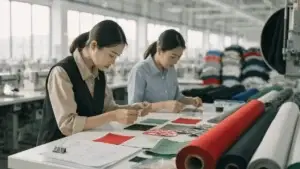
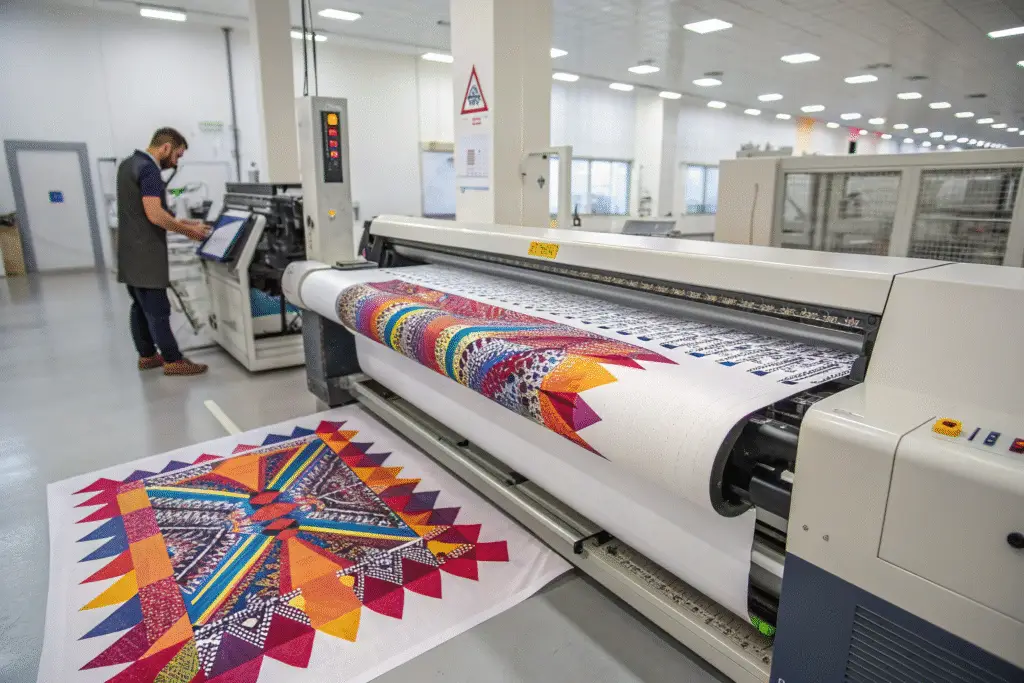
We produce lab dips or strike-offs—printed fabric swatches for your approval. This iterative process identifies issues with color matching, pattern alignment, or fabric hand-feel, allowing adjustments before mass production.
Why is a Print Strike-Off Critical?
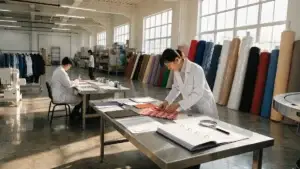
Strike-offs provide the first physical representation of your design, revealing aspects invisible on screen. Evaluate colors under different lighting, assess print texture, and verify pattern repetition. Approval authorizes bulk production, ensuring final fabrics match the agreed sample.
How is Color Consistency Maintained?
We employ standardized color management systems with calibrated monitors and Pantone Matching System (PMS) for universal color language. Rigorous quality control throughout printing compares production swatches against approved strike-offs under controlled lighting to maintain color consistency across all fabric rolls.
| Sampling Stage | Purpose | Key Checkpoints |
|---|---|---|
| Initial Strike-Off | First physical validation | Color accuracy, pattern alignment, design clarity |
| Fit Sample | Garment construction test | Printed fabric performance when cut and sewn |
| Production Sample | Bulk production verification | Confirms mass production matches approved standards |
How to Choose the Right Printing Method and Partner?
Selecting appropriate printing techniques and reliable partners directly impacts cost, quality, and timeline. The optimal choice depends on design complexity, order volume, and fabric type.
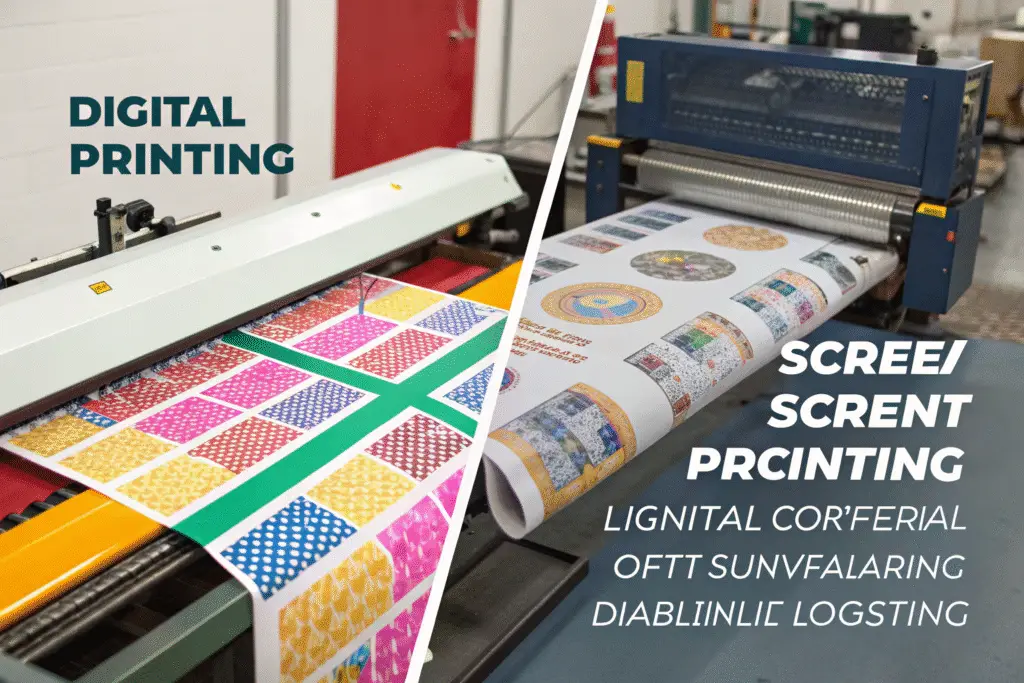
Digital printing suits intricate, multi-color designs and smaller batches, while screen printing offers cost efficiency for larger volumes. Your manufacturing partner should guide method selection while demonstrating transparent quality assurance processes and reliable logistics to prevent shipment delays.
What Printing Techniques Are Available?
Digital Printing functions like a fabric inkjet printer, ideal for complex designs and limited runs. Screen Printing uses mesh screens to transfer ink, perfect for bold designs on darker fabrics at scale. Sublimation Printing dyes fabric directly, creating permanent, vibrant prints ideal for polyester activewear. We help select the most effective solution for your specific project requirements.
What Defines a Reliable Manufacturing Partner?
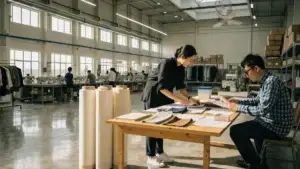
Beyond technical capabilities, reliable partners act as team extensions with proven expertise in your product category. They maintain robust quality systems, provide clear certifications, and ensure transparent communication through dedicated contacts. Our DDP (Delivered Duty Paid) service simplifies international logistics with guaranteed on-time U.S. delivery, eliminating missed selling seasons.
Why is Quality Control Crucial in Bulk Production?
Rigorous quality control maintains sampling standards across mass production, protecting your investment and brand reputation through systematic multi-stage verification.
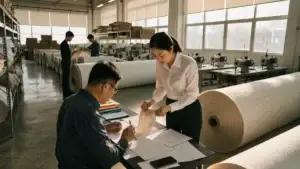
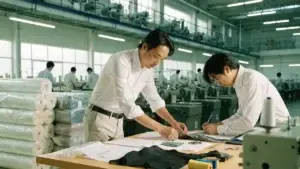
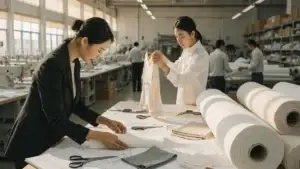
Our process begins with raw fabric inspection, continues with continuous printing monitoring, and concludes with testing for colorfastness and durability. This comprehensive approach ensures every delivered garment meets your quality expectations.
How is Printed Fabric Inspected for Defects?
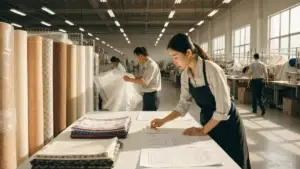
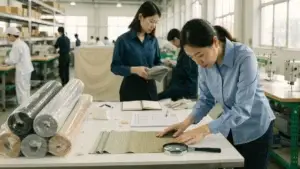
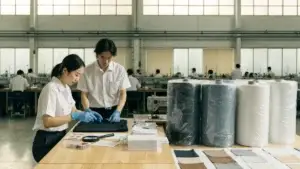
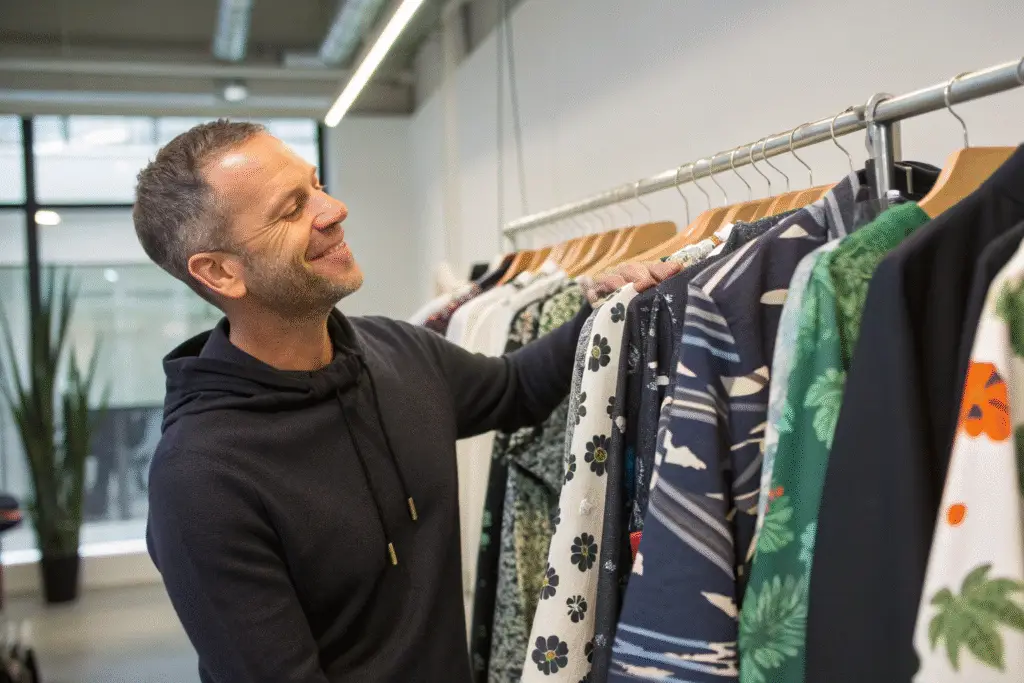
We combine automated and manual inspection methods, passing fabric over illuminated frames to identify misprints, streaks, spots, or uneven coloring. Random finished roll checks guarantee only flawless fabric advances to cutting and sewing operations.
What Tests Verify Print Durability and Safety?
We conduct laboratory tests simulating real-world conditions, including wash fastness (color retention), rub fastness (color transfer resistance), and perspiration fastness for skin-contact garments. We also verify compliance with international safety standards like OEKO-TEX Standard 100, ensuring your products are safe and durable for consumers.
Conclusion
Custom print fabric development is a detailed collaboration transforming creative concepts into commercial textiles through structured design, sampling, production, and quality assurance stages. Partnering with an experienced manufacturer who guides this process enables brands to deliver unique, market-ready apparel efficiently.
If you seek a reliable partner to navigate custom print development and bring your apparel visions to life, we provide the expertise and systems to ensure success. For discussion about your next project, contact Business Director Elaine at elaine@fumaoclothing.com.