As a U.S. apparel brand owner, you know that manufacturing costs directly impact your profit margins. Securing the best price involves building strategic partnerships that deliver mutual value, not just haggling over numbers.
Successful pricing comes from understanding cost drivers and collaborative partnerships, not aggressive bargaining. Smart brands work with manufacturers to find efficiencies while maintaining product quality and delivery reliability.
Let's explore proven negotiation strategies that balance competitive pricing with quality assurance.
What Factors Determine Garment Manufacturing Costs?
Understanding cost components is essential for effective negotiation. Without this knowledge, you're operating in the dark.
Garment costs are driven by fabric, labor, order quantity, and production complexity. These elements provide flexibility for finding mutually beneficial pricing through transparent cost breakdowns.

How Does Fabric Choice Impact Pricing?
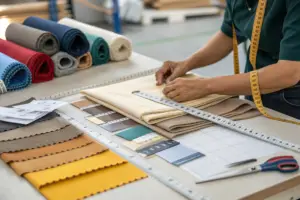
Fabric typically represents the largest cost component. Material type, weight, and source significantly influence pricing. Premium combed cotton costs more than standard alternatives but offers better durability. Work with your manufacturer to explore fabric sourcing options that meet quality requirements cost-effectively.
Can Order Volume Reduce Costs?
Larger orders significantly lower per-unit costs through economies of scale. Fixed expenses like pattern making spread across more units, improving efficiency.
| Order Quantity | Cost Per Shirt | Total Cost |
|---|---|---|
| 500 pcs | $12.50 | $6,250 |
| 1,000 pcs | $10.00 | $10,000 |
| 2,000 pcs | $8.75 | $17,500 |
Doubling orders from 500 to 1,000 units decreases cost per shirt by 20%. Order consolidation provides manufacturers with predictable workflow while securing better pricing.
How to Prepare for Successful Negotiations?
Proper preparation prevents financial losses and protects partnership potential.
Effective negotiation requires thorough research, clear cost analysis, and strategic planning. Knowing your target price and acceptable concessions positions you as a professional partner.

What's Your True Target Price?
Calculate comprehensive landed costs including manufacturing, shipping, and duties. This enables accurate quote assessment and focused cost reduction discussions.
Why Research Multiple Suppliers?
Obtaining multiple quotes provides essential market context. Send your tech pack to several manufacturers to understand competitive pricing. Investigate significant variations—are they using inferior materials or better processes?
What Negotiation Tactics Work Beyond Unit Price?
Look beyond per-piece costs to overall partnership value.
Successful negotiations consider payment terms, logistics, and long-term collaboration. Flexibility in these areas often secures better deals while strengthening relationships.

Can Payment Terms Reduce Costs?
Payment structure impacts total cost. While 50% deposit/balance is standard, offering 60-70% deposit may secure reductions by improving cash flow. Explore secure payment methods like Letters of Credit for mutual protection.
Does Long-Term Partnership Matter?
Communicating long-term intentions significantly influences pricing. Discuss future collection potential rather than single orders. Manufacturers invest more in relationships showing growth potential. Consider tiered pricing structures that improve with volume growth.
How to Avoid Hidden Costs and Ensure Value?
True value comes from transparent pricing that includes all necessary services.
Preventing hidden costs requires clear communication, detailed documentation, and quality commitment. This protects your brand and ensures products meet expectations.

How Do Tech Packs Prevent Issues?
Comprehensive tech packs eliminate ambiguity and extra charges. When every detail is specified, quotes become accurate and binding. Precise documentation saves thousands in corrections and delays.
What's the Real Cost of Poor Quality?
Compromising quality control for lower prices proves costly long-term. Defective shipments lead to returns, brand damage, and inventory losses. Reliable manufacturers integrate rigorous QC using standards like AQL. Paying for guaranteed quality costs less than product failures.
Conclusion
Successful price negotiation combines preparation, strategy, and partnership development. The goal is finding efficient paths to quality products within budget, not just the lowest price. Understanding costs, negotiating holistically, and preventing hidden expenses transforms manufacturers into strategic assets.
Ready to implement these strategies with a transparent partner? Contact Business Director Elaine at elaine@fumaoclothing.com to optimize your production costs.