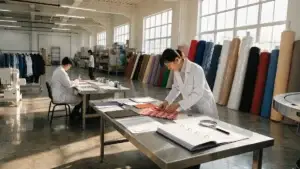
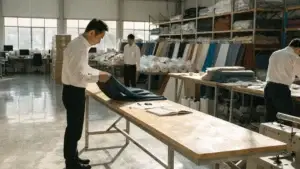
As a seasoned apparel manufacturer, I understand American brand owners' growing concerns about ethical supply chains. Creating warm, high-performance outerwear while ensuring humane sourcing practices presents a significant industry challenge. This guide provides a clear, actionable framework for sourcing down that aligns with your brand values and market expectations.
Successfully navigating ethical down sourcing requires building manufacturer partnerships based on three pillars: verifiable certifications, complete supply chain traceability, and transparent operational practices. This comprehensive approach ensures your outerwear meets both quality standards and ethical commitments while protecting your brand reputation.
The path to ethical down sourcing becomes manageable when you have the right information and manufacturing partners. Let's examine the essential steps to create outerwear that delivers both warmth and ethical integrity.
What Are The Key Certifications For Ethical Down?
Certifications serve as your primary verification tool, offering independent confirmation of ethical claims. For brand decision-makers, they provide recognizable standards that simplify sourcing decisions and build marketing confidence.
The Responsible Down Standard (RDS) stands as the globally recognized benchmark, managed by Textile Exchange to certify that down originates from animals not subjected to unnecessary harm. The Global Traceable Down Standard (Global TDS) emphasizes supply chain tracking, while Downpass certification includes unannounced audits for added verification.
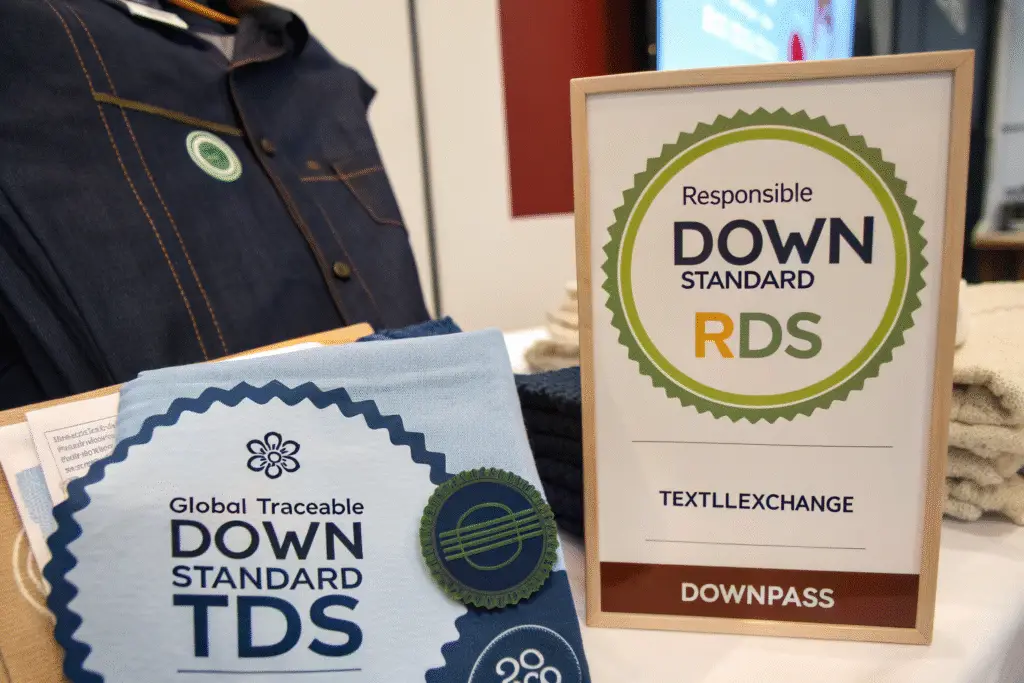
Why does RDS certification matter for brands?
RDS certification establishes the fundamental baseline by explicitly prohibiting force-feeding and live-plucking—practices that concern both consumers and brands. This certification provides verified assurance against animal cruelty while incorporating essential traceability systems. It represents the essential first step toward demonstrating animal welfare commitment, particularly in markets like North America and Europe where consumer awareness remains high.
How can you authenticate certification claims?
Always request formal certification documents from potential apparel manufacturers, including Transaction Certificates (TCs) for each shipment. Cross-reference certification numbers with the governing body's database, such as Textile Exchange for RDS verification. This documentation review protects against certificate falsification, addressing a common industry concern through concrete, verifiable evidence rather than supplier promises.
How To Ensure Traceability In Your Down Supply Chain?
While certification establishes standards, traceability provides the verification mechanism that makes ethical claims credible. For business owners, this system acts as an insurance policy, ensuring ethical assertions remain valid throughout the supply chain.
Effective traceability requires a documented chain of custody tracking down from origin farms through processing facilities to final manufacturing. As your manufacturing partner, we manage this documentation flow from certified processors, providing you with complete transparency.

What due diligence questions reveal true transparency?
Ask specific, direct questions to assess supplier credibility:
- "Can you provide Transaction Certificates for down shipments?"
- "How do you physically segregate certified versus non-certified materials?"
- "What's your process for mapping materials back to source farms?"
- "How frequently do you conduct internal audits?"
Transparent suppliers provide immediate, detailed responses to these inquiries, establishing clear communication standards that prevent misunderstandings and build trustworthy partnerships.
How does manufacturer management ensure integrity?
As your garment manufacturer, we maintain supply chain integrity through three key practices: rigorous sub-supplier vetting using only certified down processors, strict physical segregation of certified materials throughout production, and comprehensive documentation provision for your records and marketing needs. This systematic approach prevents material mixing and ensures consistent ethical standards.
What Is The Difference Between Down And Feathers?
Understanding the distinction between down and feathers proves crucial for product quality, accurate customer communication, and appropriate pricing. While consumers often use these terms interchangeably, they represent fundamentally different materials with distinct characteristics.
| Feature | Down | Feathers |
|---|---|---|
| Source & Structure | Undercoating; soft, quill-less clusters | Outer layer; flat with hard central quills |
| Performance | Superior insulation; lightweight compressibility | Poor insulation; stiff, potentially prickly |
| Business Impact | Higher cost; premium positioning | Lower cost; budget option |

How does material science affect performance?
Down's exceptional insulating capability stems from its three-dimensional cluster structure that effectively traps air, creating efficient warmth retention. Feathers, with their rigid quills, lack this air-trapping capacity and often cause discomfort by penetrating fabric layers. Selecting high down content means investing in premium performance with maximum warmth and minimum weight.
How does composition influence business decisions?
Fill composition directly determines both product cost and market positioning. A 90/10 down-to-feather blend commands higher pricing but delivers superior performance compared to 50/50 blends. Some manufacturers increase feather content to reduce costs, resulting in heavier, less warm garments. Precise material specifications with your clothing manufacturer ensure received quality matches pricing while enabling accurate marketing of product benefits.
How To Find A Reliable Ethical Down Manufacturer?
Identifying manufacturing partners who share your ethical commitment represents the crucial final step. This selection process extends beyond production capability assessment to evaluate shared values and verified operational practices.
Begin with targeted supplier research using platforms like Alibaba with specific search terms like "RDS certified down manufacturer." However, online profiles alone prove insufficient—thorough due diligence through direct engagement and documentation review remains essential for verifying ethical claims.

What warning signs indicate unreliable partners?
Several red flags should trigger caution during manufacturer evaluation: evasiveness regarding certification documentation, unrealistically low pricing suggesting uncertified materials, inability to clearly explain traceability processes, and histories of consistent delayed shipments indicating broader operational issues. These warning signs help identify partners likely to compromise ethical standards.
Why does direct verification through audits matter?
Factory audits provide the definitive verification method, whether conducted personally or through third parties. This process enables physical inspection of material segregation practices, on-site review of audit reports and certificates, and assessment of the manufacturer's genuine commitment to ethical operations. Partnering with manufacturers experienced in U.S. market standards ensures understanding of these requirements, while full-package production models that include ethical sourcing management provide comprehensive solutions from raw materials to finished products.
Conclusion
Ethical down sourcing success depends on integrating three core elements: verified certifications, comprehensive traceability systems, and manufacturing partners who consistently demonstrate ethical commitment. This integrated approach delivers value through enhanced product quality, strengthened brand reputation, and increased customer loyalty—transforming ethical sourcing from potential risk into competitive advantage.
The path to creating ethically responsible, high-performance outerwear becomes significantly smoother with the right manufacturing partnership. If you're ready to collaborate with a manufacturer who shares your commitment to ethical standards, we invite you to discuss how we can help bring your next outerwear collection to market. For detailed conversations about your specific needs, please contact our Business Director, Elaine, at elaine@fumaoclothing.com.