Finding the right velvet supplier who delivers consistent quality and meets deadlines can challenge even established apparel brands. This guide simplifies the process by breaking down velvet sourcing into manageable steps.
Successful velvet sourcing requires understanding fiber content, weight, and pile construction while partnering with a manufacturer offering full-package services from material selection to final delivery. This strategic approach ensures premium results for your evening wear and holiday collections.
What Are The Key Factors When Choosing Velvet Fabric?
Selecting suitable velvet involves balancing three essential elements that determine your final product's quality and performance.
The interplay between fiber content, fabric weight, and pile construction defines velvet's appearance, durability, and appropriate applications. Understanding these factors ensures your selection aligns with your design requirements and quality standards.
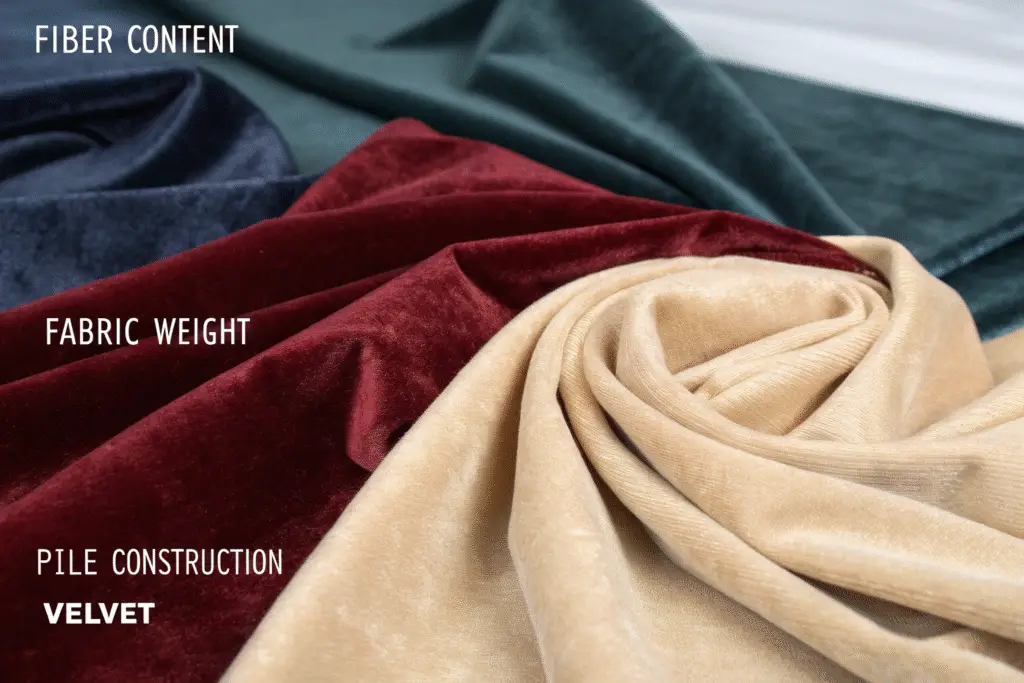
How Does Fiber Content Impact Velvet Quality and Cost?
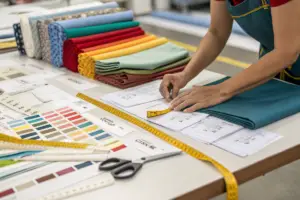
Fiber choice directly influences aesthetics, performance, and budget. Natural fibers like silk offer luxurious drape and sheen but command premium prices. Cotton velvet provides softer matte finishes with better durability. For commercial collections, high-quality synthetic blends deliver excellent color saturation and cost efficiency while maintaining comfort and appearance standards.
Why Is Fabric Weight and Pile Construction Crucial for Drape?
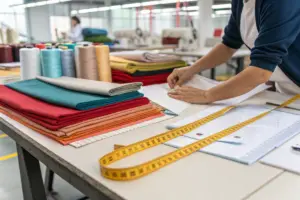
Weight determines how velvet moves on the body, with heavier versions providing structure for coats and jackets, while lighter weights enable flowing dresses and blouses. Pile construction—the density and length of surface fibers—affects both texture and durability. Dense, short piles resist crushing and maintain appearance, while proper fabric quality control ensures consistent performance across production runs.
How To Find A Reliable Velvet Garment Manufacturer?
Identifying a manufacturing partner requires evaluating specific capabilities beyond general production experience.
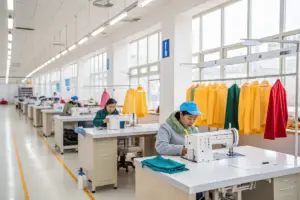
A reliable velvet specialist demonstrates expertise in handling the fabric's unique characteristics, maintains transparent communication protocols, and implements rigorous quality systems tailored to velvet's requirements.
| Vetting Criteria | Velvet-Specific Importance |
|---|---|
| Specialized Experience | Prevents pile damage through proper cutting, sewing, and finishing techniques |
| Quality Certifications | Standards like OEKO-TEX ensure fabric safety and quality |
| Sample Process | Verifies fabric behavior and construction before mass production |
| Communication Systems | Dedicated contacts prevent misunderstandings and ensure vision execution |

What Questions Should You Ask Potential Suppliers?
Essential inquiries should cover velvet experience through specific examples or case studies, quality control methods for identifying shading variations and pile inconsistencies, minimum order quantities, and realistic production timelines aligned with your selling seasons.
Why Are Communication and QC Systems Non-Negotiable?
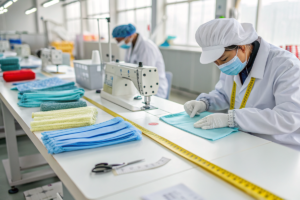
Dedicated project management eliminates communication gaps with sales representatives, while documented inspection processes during cutting, sewing, and finishing ensure bulk orders match approved samples. These systems prevent the quality variations and delays that compromise velvet collections.
What Does The Velvet Production Process Look Like?
Understanding manufacturing stages helps set realistic expectations and identifies potential quality checkpoints.
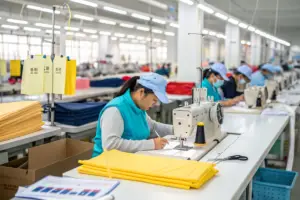
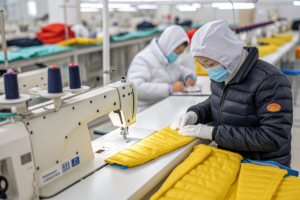
A structured approach from sampling through production ensures consistent execution while accommodating velvet's specific handling requirements throughout transformation from fabric to finished garment.
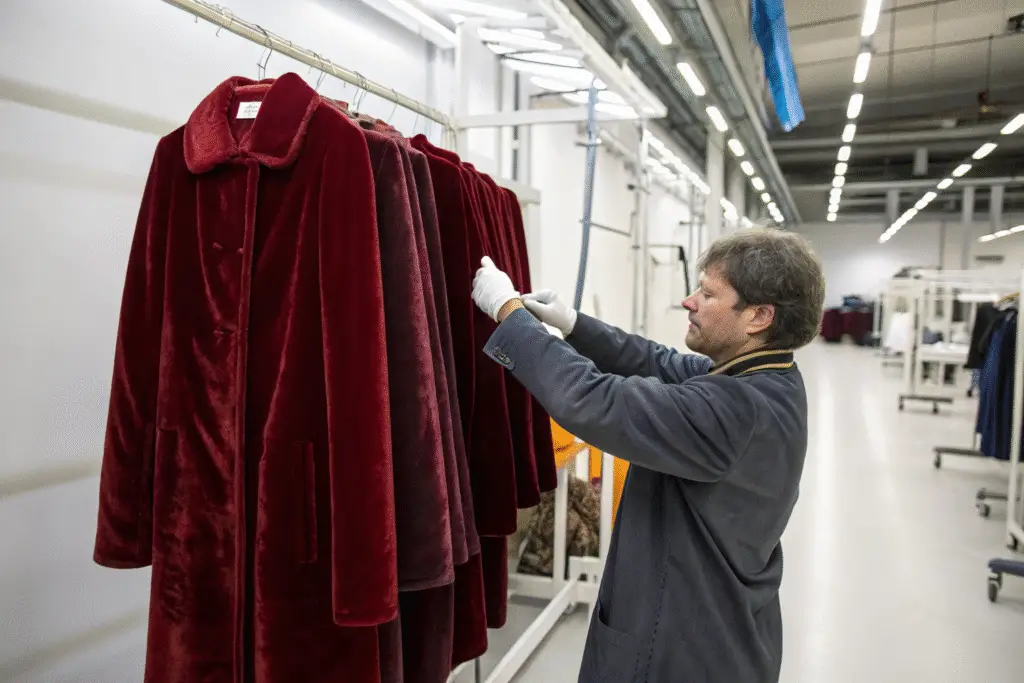
How Are Samples Developed and Approved?
Initial sampling tests velvet's reaction to patterns and construction techniques. This stage typically involves one or two revision rounds to perfect fit, seam behavior, and overall appearance before establishing the production standard that guides manufacturing.
What Steps Ensure Consistent Quality in Bulk Orders?
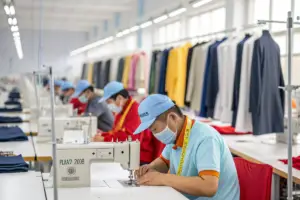
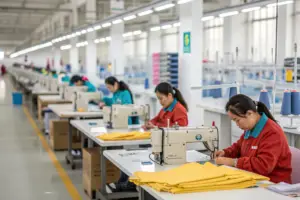
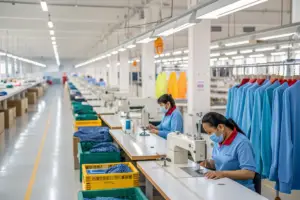
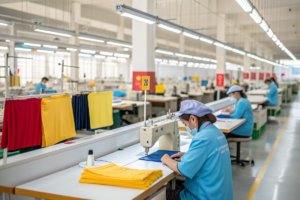
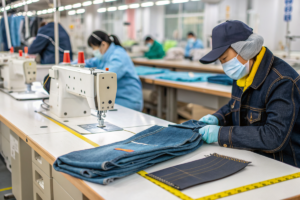
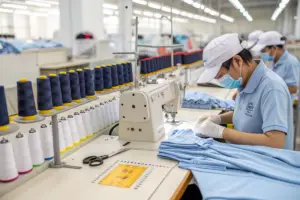
Precision cutting maintains uniform pile direction to prevent shading variations. Specialized sewing techniques like walking foot prevent layer shifting, while careful steam pressing revives pile without crushing. Consistent quality assurance throughout these stages maintains standards across the entire production run.
Effective logistics planning protects product quality and ensures market-ready availability.
Choosing appropriate shipping methods and protective packaging prevents damage while maintaining schedule integrity for time-sensitive holiday collections.
What Are The Best Shipping Options For Time-Sensitive Collections?
Air freight suits tight deadlines despite higher costs, while sea freight offers cost efficiency for larger volumes with advanced planning. DDP (Delivered Duty Paid) services simplify the process by consolidating logistics and customs clearance through a single provider.
How Can You Prevent Shipping Delays and Damage?
Proactive timeline management and protective packaging prevent crushing and pile damage. Partnering with manufacturers demonstrating proven on-time delivery records provides the reliability needed to meet seasonal selling windows.
Conclusion
Mastering velvet sourcing requires understanding material specifications, manufacturing capabilities, and logistics requirements. By addressing these elements systematically, brands can develop luxurious evening and holiday collections that meet quality expectations and delivery timelines.
Ready to develop your velvet collection with an experienced manufacturing partner? Contact Business Director Elaine at elaine@fumaoclothing.com to discuss your production needs.