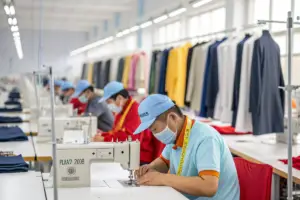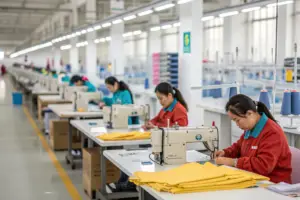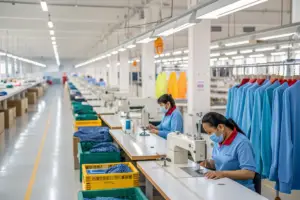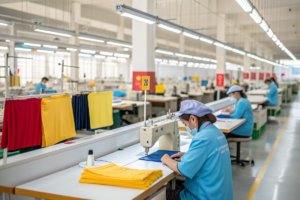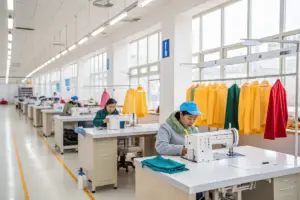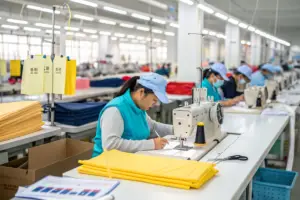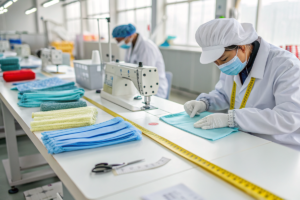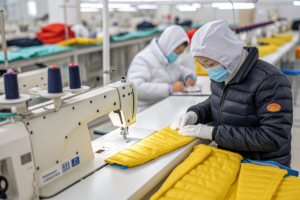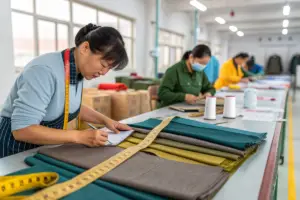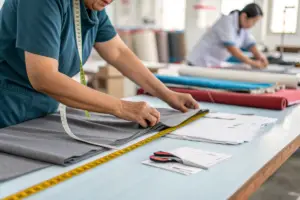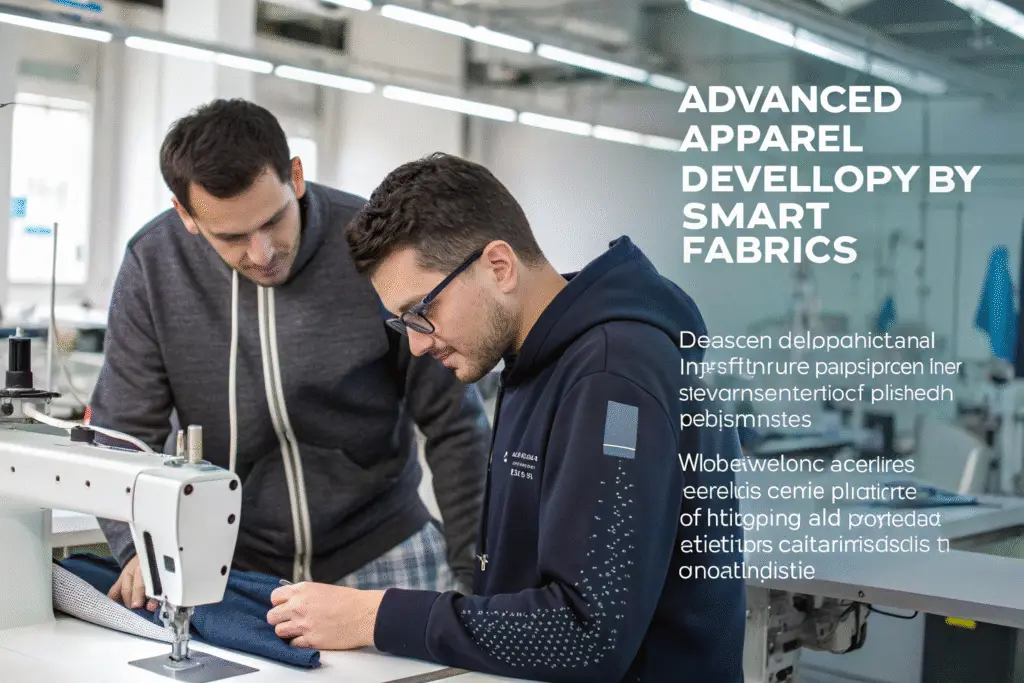
The fashion industry is actively exploring smart fabric integration. Brand owners often perceive this technology as limited to specialized athletic wear or conceptual prototypes. They question its practical application for mainstream apparel collections. The fundamental challenge involves successfully implementing technical textiles while avoiding common manufacturing complications. This systematic approach outlines the methodology from conceptualization to commercial distribution.
Developing a technical apparel line with smart fabrics requires integrating advanced textile solutions with electronic functionality. The comprehensive process encompasses market positioning analysis, technical textile selection, design engineering for both form and function, and manufacturing partnership establishment. Successful implementation depends on synergistic collaboration between innovative design principles and industrialized production capabilities.
This development pathway requires systematic planning but offers substantial market differentiation. We will analyze the complete product development lifecycle through discrete operational phases. The methodology addresses all critical path elements from initial concept validation to final logistics management. This framework enables the establishment of distinctive technical apparel collections within competitive market environments.
What are the initial strategic planning phases?
The foundational stage requires comprehensive strategic development before material selection. Establishing a structured framework guides project execution and prevents resource misallocation. Many ventures encounter difficulties by proceeding directly to production without completing essential preparatory work.
Market segment identification and value proposition development form the critical foundation. The technical apparel market contains multiple specialized segments. Strategic positioning may focus on athletic performance augmentation, physiological monitoring for healthcare applications, or interactive fashion systems. Conduct systematic market analysis to identify specific user requirements. This analytical clarity informs subsequent decisions regarding material specifications and marketing communication. Precise target audience definition establishes project parameters.

How to conduct effective market segmentation analysis?
Initiate with comprehensive gap analysis within existing market offerings. Evaluate competitive products while examining adjacent technological sectors. For example, expanding remote healthcare monitoring creates opportunities for integrated wearable systems. Utilize analytical tools including search trend analysis to validate consumer interest in specific functionalities. Participation in specialized industry events provides exposure to emerging textile technologies and consumer response patterns. The objective involves identifying convergence points between validated market needs and technical implementation capabilities.
What constitutes comprehensive technical feasibility assessment?
Concept validation requires manufacturing partnership engagement during preliminary stages. Technical designs often encounter production scalability challenges despite innovative potential. Feasibility analysis should evaluate electronic component integration, technical textile durability under operational conditions, and comprehensive cost structure development. Specific design implementations may require specialized manufacturing equipment for seamless conductive system integration. Early identification of technical requirements preserves development resources and bridges conceptual innovation with commercial viability.
How to evaluate and select appropriate technical textiles?
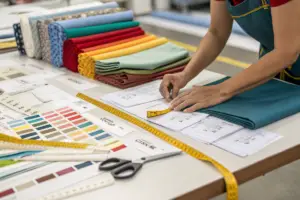
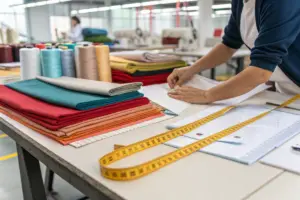
Material selection represents the fundamental differentiator in technical apparel development. Smart fabric categories demonstrate specialized performance characteristics aligned with specific applications. The evaluation process balances functional requirements, wearer comfort, and economic considerations across the product lifecycle.
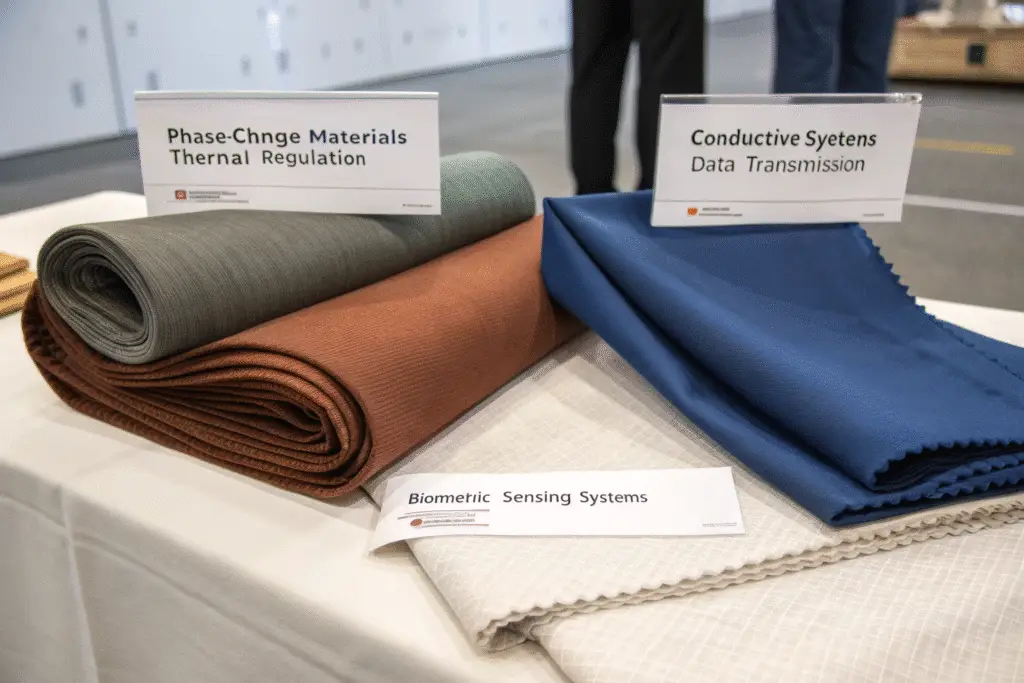
Primary technical textile classifications include phase-change materials for thermal regulation, conductive systems for data transmission, and physiological monitoring substrates. Each category serves distinct operational purposes. Thermal management textiles suit performance outdoor applications, while biometric sensing systems align with healthcare monitoring requirements. Material decisions directly influence user experience parameters and product value proposition.
What performance specifications determine textile selection?
Evaluation requires moving beyond marketing claims to empirical performance data. Critical metrics include durability under repeated laundering cycles and mechanical stress conditions. Request standardized testing documentation from potential suppliers. Breathability characteristics significantly impact comfort parameters, particularly in high-exertion applications. Additionally, analyze power management requirements and connectivity protocols for integrated electronic systems. These technical considerations directly influence final product architecture. Always conduct independent validation testing under simulated usage conditions to verify performance claims.
How do material decisions impact supply chain configuration?
Textile selection determines production scheduling and operational complexity. Technical fabric procurement typically involves extended lead times compared to conventional materials. Certain advanced textiles may have limited availability from specialized global suppliers. This creates potential supply chain vulnerabilities. Furthermore, technical textile processing often requires specialized manufacturing environments and operator expertise. Partnership with experienced production facilities capable of managing technical material supply chains becomes essential for project success.
What manufacturing considerations apply to technical apparel?
Technical apparel production differs fundamentally from conventional garment manufacturing. Electronic component integration introduces multiple complexity layers across production workflows. The operational challenge involves maintaining quality standards and functional reliability while achieving industrial production volumes.
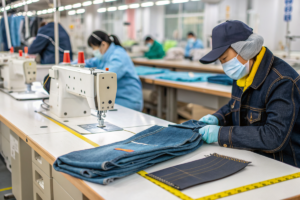
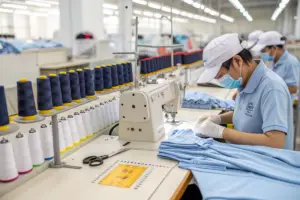
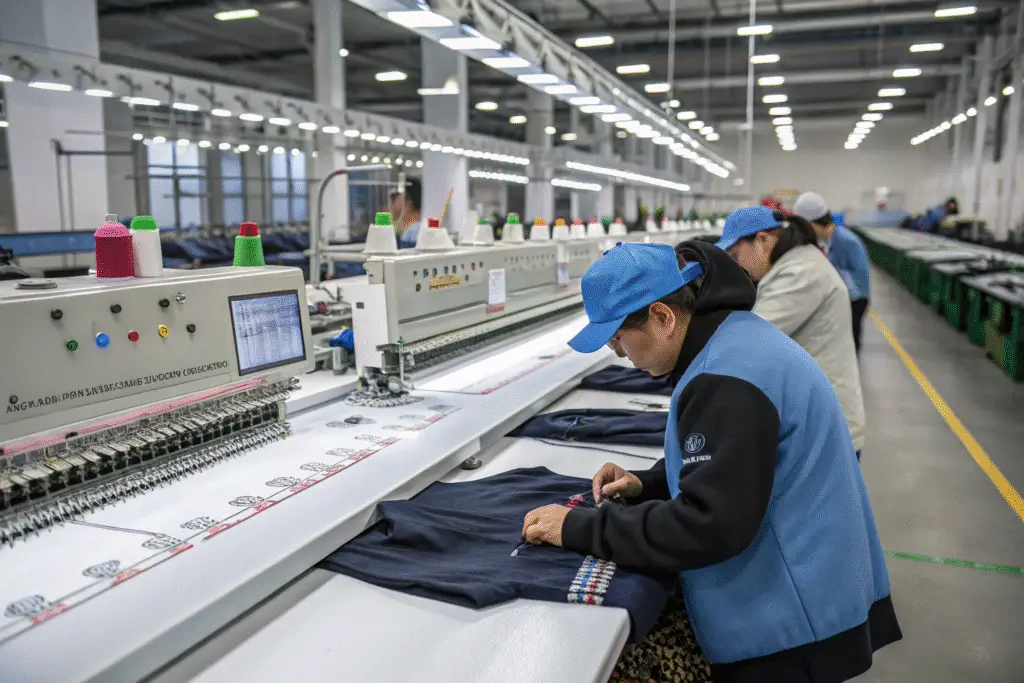
Primary manufacturing challenges involve specialized assembly processes. Standard sewing equipment may damage delicate electronic components and circuit systems. Production requires specialized equipment and technically trained operators. Quality assurance protocols become significantly more rigorous, requiring validation of both conventional apparel attributes and electronic system functionality. Logistics planning requires additional consideration for products containing integrated power systems, which may be subject to specialized transportation regulations.
How to implement quality assurance for integrated systems?
Comprehensive quality management systems are essential throughout the production lifecycle. Implementation begins with incoming material inspection and component validation. Establish systematic checkpoints during production for electronic integration verification. Post-assembly, every unit requires functional testing of both textile and electronic systems. For example, heated garments require validation of thermal elements and power management systems. This rigorous quality framework, supported by experienced manufacturing partners, ensures delivered products meet specified performance criteria and reliability expectations.
Why implement DDP terms for technical product logistics?
Complex, high-value products benefit from comprehensive logistics management. Delivered Duty Paid (DDP) Incoterms provide significant advantages for technical apparel shipments. Under DDP arrangements, the manufacturer manages international transportation, risk mitigation, and customs compliance procedures. For importers, this eliminates complexities associated with international freight coordination and unexpected import cost variables. Integrated logistics management ensures seamless transition from production facilities to distribution centers while protecting high-value shipments from customs-related delays.
How to establish viable commercial models for technical apparel?
Successful product implementation requires complementary business model development. Technical apparel involves elevated development and production costs, necessitating careful financial modeling across pricing, marketing, and scaling strategies.
Business model architecture must account for increased cost structures including technical materials, electronic components, and specialized manufacturing processes. These cost elements can be offset through premium pricing strategies supported by compelling value proposition communication. Market introduction may utilize phased rollout strategies, beginning with core collections for market validation before committing to full-scale production.
What pricing methodology supports technical product positioning?
Competitive strategy should emphasize value differentiation rather than price competition. Implement value-based pricing models that reflect research and development investment and unique product benefits. Technical products with physiological monitoring capabilities justify premium pricing compared to conventional alternatives through enhanced functionality. Marketing communication should effectively educate consumers regarding technological benefits, transforming cost structure into value justification.
How to protect technical innovation and design integrity?
While conventional apparel designs have limited protection options, technical innovations may qualify for intellectual property protection. Consult with specialized legal counsel regarding patentable elements. From manufacturing perspectives, protection involves partnership with reputable producers who respect confidentiality agreements and design security. Manufacturing partners should demonstrate systematic approaches to client asset protection, ensuring innovative concepts remain secure throughout the production lifecycle.
Conclusion
Technical apparel development using smart fabric systems requires methodical planning and execution. The process encompasses strategic market positioning, technical material selection, specialized manufacturing partnerships, and viable commercial model development. Each development phase contributes significantly to successful market introduction of innovative apparel products.
This development pathway presents significant challenges that benefit from experienced manufacturing partnerships. The appropriate production partner provides technical guidance and operational stability throughout the development lifecycle. For technical apparel development initiatives requiring specialized manufacturing expertise, please contact our Business Director, Elaine, at elaine@fumaoclothing.com. We provide comprehensive support for innovative apparel projects from concept through commercial distribution.