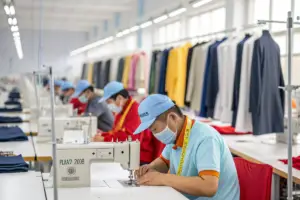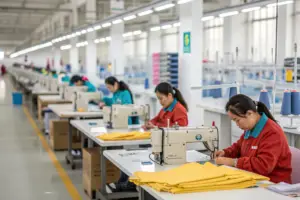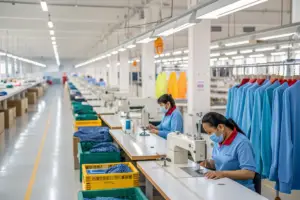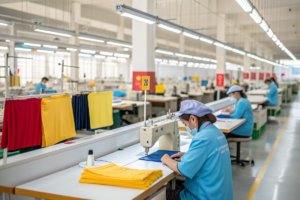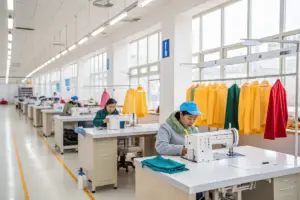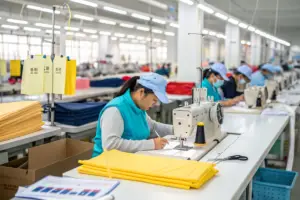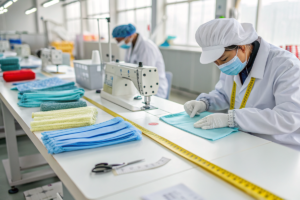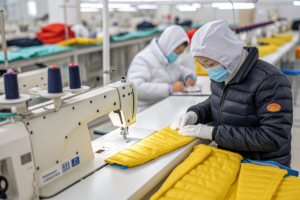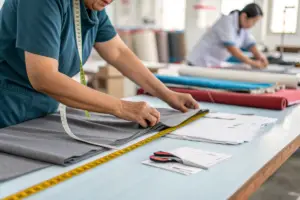
In today's global apparel market, brands face growing pressure to maintain ethical supply chains. Customers and business partners increasingly demand transparency and social responsibility. This creates complex challenges, particularly when manufacturing occurs overseas. How can you verify that your products are made in safe, fair, and environmentally responsible facilities? This concern occupies the minds of many business leaders in the fashion industry.
Ethical production ensures that garments are manufactured under conditions that prioritize worker safety, fair compensation, and environmental stewardship. It represents more than basic compliance—it requires an ongoing dedication to human welfare and planetary health throughout your supply chain. For brands sourcing from international manufacturers, this demands proactive collaboration and informed partnership selection. Let's examine how to build a supply chain that reflects your values while protecting your brand integrity.
What Are The Foundational Elements Of Ethical Manufacturing?
Ethical manufacturing operates according to established principles that guide business decisions and audit processes. Understanding these fundamentals represents the initial step for any company committed to responsible production. These principles extend beyond risk mitigation to encompass positive social and environmental impact.
The framework for ethical manufacturing incorporates three essential components: social accountability, environmental management, and operational transparency. Social accountability addresses working conditions, fair wages, and worker rights. Environmental management focuses on sustainable resource use, waste reduction, and pollution control. Transparency ensures visibility across all production stages and supply chain tiers. Manufacturer adherence to these principles is typically verified through independent assessments and certifications such as Worldwide Responsible Accredited Production (WRAP), which validates compliance with ethical workplace standards.
What Protocols Verify Safe Working Environments?
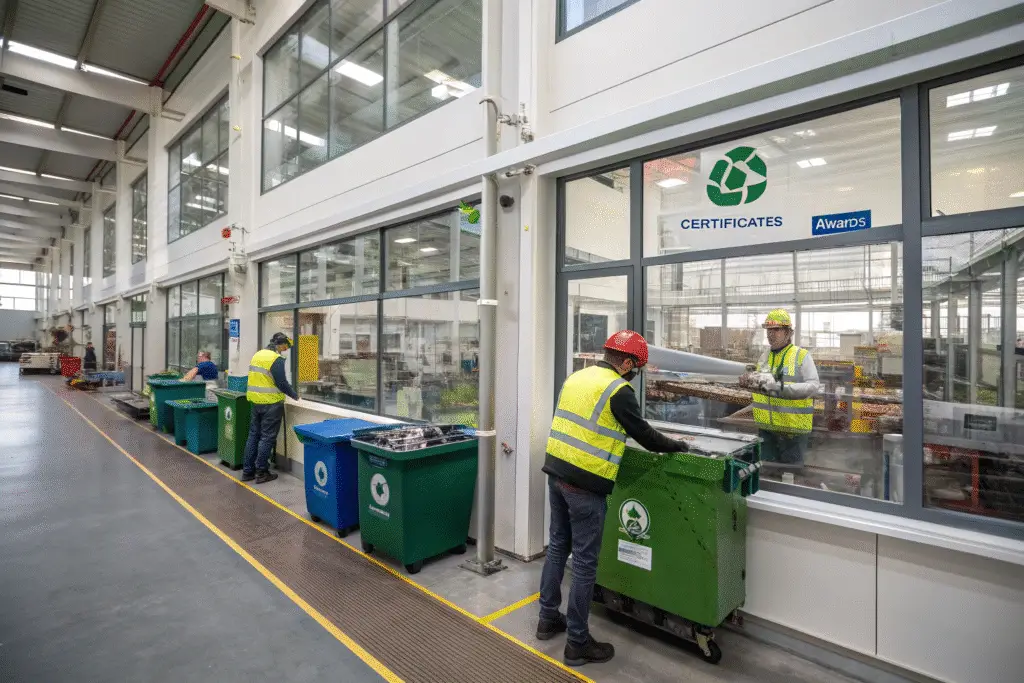
Verifying safe working conditions requires comprehensive assessment systems beyond initial factory inspections. Effective verification incorporates documented safety procedures, emergency preparedness measures, and equipment maintenance records. Reputable manufacturers maintain thorough documentation and welcome client reviews of their facilities.
Our manufacturing approach includes scheduled internal audits and independent third-party assessments. We maintain complete transparency for client evaluations. Additionally, manufacturers holding recognized Social Accountability International (SAI) SA8000 certification demonstrate compliance with international labor standards. This certification addresses critical areas including workplace safety, working hours, and compensation structures. Requesting and reviewing these certifications provides substantive evidence of manufacturing partners' commitments to safe working environments.
Why Does Environmental Management Matter?
Environmental management directly impacts brand reputation and regulatory compliance. It addresses resource conservation, chemical management, and waste reduction throughout production processes. Environmental negligence can result in legal penalties, reputational damage, and ecological harm.
Our environmental program emphasizes resource efficiency in wet processing operations and responsible chemical management. We implement systematic waste reduction and proper disposal protocols. Partnering with manufacturers certified to standards like the Global Organic Textile Standard (GOTS) for organic textiles ensures adherence to environmental and social criteria throughout production. This commitment safeguards both brand integrity and ecological systems.
How To Evaluate International Manufacturing Partners For Ethical Compliance?
Evaluating potential manufacturing partners across international borders presents unique challenges. Geographic distance, language differences, and cultural variations complicate assessment processes. However, systematic evaluation remains essential for identifying partners whose ethical standards align with your requirements.
Comprehensive partner evaluation combines documentation review, facility assessments, and ongoing performance monitoring. Beyond supplier representations, request audit reports and certification records. Utilize digital communication platforms for virtual facility tours. Inquire specifically about workforce stability measures and overtime management systems. Trustworthy partners demonstrate transparency and willingly share relevant information. We provide complete ethical compliance documentation to prospective partners, including certification history and audit reports.

Which Documentation Demonstrates Ethical Compliance?
Specific documentation provides objective evidence of ethical manufacturing practices. These records substantiate supplier claims regarding social and environmental performance. Essential documentation includes operational licenses, audit findings, and certification credentials.
| Critical documentation requests should include: | Document Category | Verification Purpose |
|---|---|---|
| Business Registration | Legal operating authority | |
| Social Compliance Audit Reports (e.g., BSCI, SMETA) | Labor standards adherence | |
| Environmental Management Certificates | Regulatory compliance | |
| Industry Initiative Membership | Continuous improvement commitment |
These documents, particularly those from accredited third-party auditors associated with programs like the amfori Business Social Compliance Initiative (BSCI), provide independent verification of operational standards. Careful document review forms the foundation of responsible partner selection.
Do Virtual Assessments Provide Adequate Evaluation?
Virtual facility assessments serve as effective evaluation tools, particularly during initial screening phases or when travel restrictions apply. They offer real-time observation opportunities for production environments. While not equivalent to comprehensive on-site audits, they provide valuable insights for preliminary assessment.
During virtual assessments, observers can evaluate facility organization, safety signage, and general working conditions. Interactive sessions with management personnel and production staff provide additional perspective. Request assessments that encompass primary production areas, finishing operations, and storage facilities. These virtual engagements help gauge operational transparency and management approach. We regularly facilitate virtual tours for international clients to establish trust before formal partnership agreements.
Which Certifications Validate Ethical Apparel Manufacturing?
While no single certification guarantees perfect compliance, several established standards provide reliable indicators of ethical manufacturing practices. These certifications offer independent verification that manufacturers meet specific social and environmental requirements. They streamline the due diligence process for brand partners.
Prioritize certifications addressing both social accountability and environmental management systems. For social compliance, WRAP and SA8000 represent industry benchmarks. For environmental performance, the ISO 14001 standard demonstrates systematic environmental management implementation. These certifications require rigorous assessment processes and continuous improvement commitments, indicating serious dedication to ethical manufacturing principles.
How Does SA8000 Certification Benefit Supply Chains?
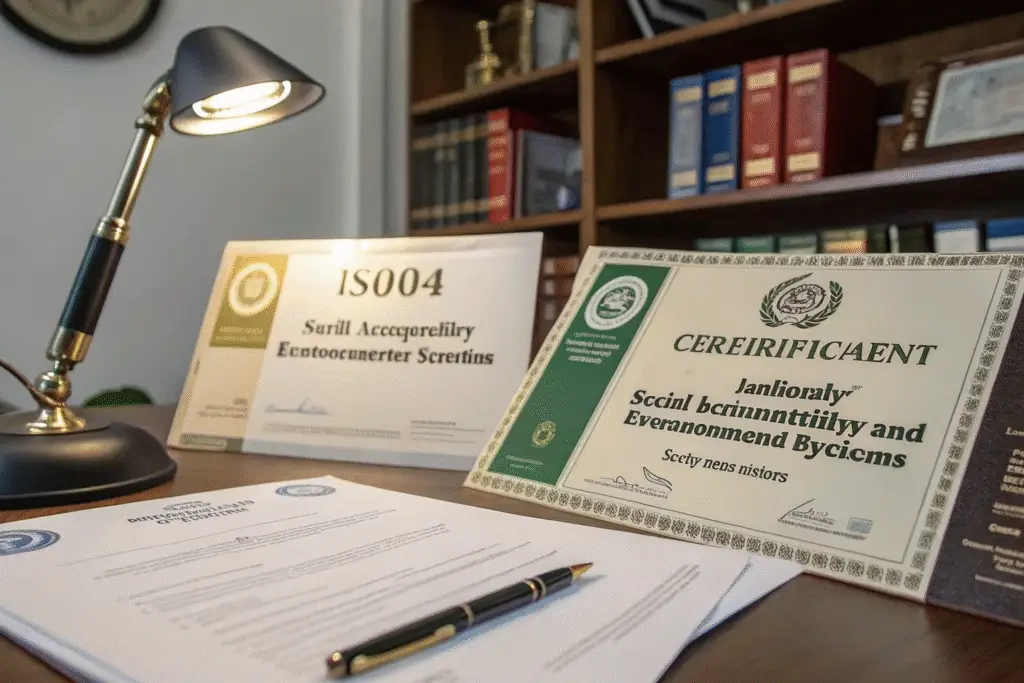
SA8000 certification establishes comprehensive social compliance requirements based on international labor principles and human rights standards. Understanding its framework enables informed assessment of manufacturing partners' workplace practices.
The SA8000 standard addresses nine critical domains:
- Child Labor Prevention
- Elimination of Forced Labor
- Occupational Health and Safety
- Freedom of Association
- Non-Discrimination
- Disciplinary Practices
- Working Hours Management
- Compensation Systems
- Management Implementation
SA8000 certified facilities maintain structured systems ensuring decent working conditions. This certification provides a robust framework extending beyond basic code of conduct compliance.
What Value Does Oeko-Tex Certification Provide?
Oeko-Tex certification delivers significant brand protection and consumer confidence benefits. It verifies that textile products contain no harmful substance levels exceeding established limits. This certification directly connects to product safety and manufacturing environmental practices.
For brand partners, Oeko-Tex certification enables confident marketing of textile products as safe for consumer use. The Oeko-Tex Standard 100 provides globally consistent testing and certification for textile materials and finished products. It demonstrates to consumers that brands prioritize product safety and responsible manufacturing. This represents both responsible business practice and effective market differentiation tool.
How To Develop Sustainable Ethical Manufacturing Partnerships?
Establishing ethical supply chains requires long-term relationship development rather than transactional interactions. This approach enables continuous improvement and reduces ethical compliance risks throughout business relationships.
Successful partnerships develop through open communication and aligned objectives. Transition from conventional buyer-supplier relationships to collaborative partnerships. Maintain regular dialogue addressing ethical performance alongside commercial terms. Schedule periodic review meetings discussing working conditions and sustainability targets alongside production schedules. We approach client relationships as partnerships, establishing mutual annual objectives for ethical and environmental performance improvement.

Why Does Communication Transparency Matter?
Communication transparency establishes relationship trust and prevents misunderstandings regarding requirements and expectations. It enables proactive issue resolution before challenges escalate into significant problems.
We maintain direct communication channels and provide partners with designated contacts and regular production updates. This includes transparent disclosure of potential schedule adjustments or production challenges. This communication approach builds confidence that orders receive responsible management without concealed unethical practices. It directly addresses the communication inefficiencies that frequently challenge international sourcing relationships.
How Do Collaborative Audits Enhance Supply Chain Integrity?
Collaborative audits, where client representatives participate in assessment processes, substantially strengthen supply chain integrity. They provide firsthand manufacturing condition observation opportunities. This cooperative approach builds deeper accountability and trust throughout business relationships.
During collaborative audits, participants can address specific concerns aligned with brand values and requirements. Direct facility observation supplements formal audit reports. This process validates manufacturer representations while demonstrating client commitment to ethical standards. It represents the most effective method for ensuring specific ethical requirements receive consistent implementation.
Conclusion
Maintaining ethical production standards throughout global supply chains requires continuous attention rather than one-time achievement. It demands systematic approaches, appropriate partnerships, and ongoing improvement commitments. Through understanding fundamental principles, implementing thorough partner evaluation, valuing meaningful certifications, and developing collaborative relationships, brands can establish supply chains that balance commercial efficiency with social and environmental responsibility. This approach protects brand reputation while meeting evolving market expectations.
If you require a manufacturing partner demonstrating genuine commitment to ethical production standards, we offer proven compliance and transparent operations. Let us demonstrate our dedication to safe, fair, and sustainable manufacturing practices. For responsible partnership in bringing your apparel concepts to market, please contact our Business Director Elaine at: elaine@fumaoclothing.com. We welcome opportunity to become your trusted manufacturing resource.