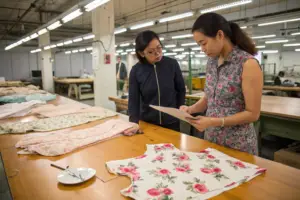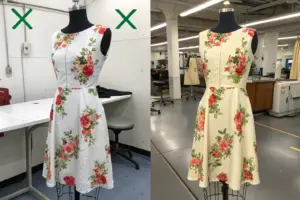
Every apparel brand strives for perfection. You select premium fabrics. You perfect the design details. You choose vibrant colors that represent your brand identity. Then a customer reports color bleeding after the first wash. This scenario damages brand reputation and customer trust. Colorfastness testing prevents these problems before products reach consumers.
Colorfastness testing evaluates how well fabrics retain their dye under various conditions. It measures resistance to fading from washing, light exposure, and friction. This quality control process protects brands from returns and reputation damage. It ensures garments maintain their appearance throughout their lifecycle. For brands sourcing internationally, this testing is as crucial as cost negotiation. It provides essential protection for your investment.
This article explores colorfastness testing comprehensively. We examine its fundamental principles. We analyze its business implications. We discuss international standards. We provide practical sourcing guidance. This knowledge enables better communication with manufacturing partners. It ensures delivered products meet quality expectations.
What Is Colorfastness Testing in Clothing Manufacturing?
Colorfastness testing simulates real-world conditions. It predicts how fabrics will perform during consumer use. Manufacturers expose materials to controlled washing, rubbing, and light exposure. They then measure color changes against standardized scales. This process provides objective data about dye performance.
International organizations establish testing protocols. The American Association of Textile Chemists and Colorists (AATCC) creates widely adopted standards. The International Organization for Standardization (ISO) provides global testing frameworks. These standards ensure consistent methodology across different laboratories and regions.
Which Factors Does Colorfastness Testing Measure?
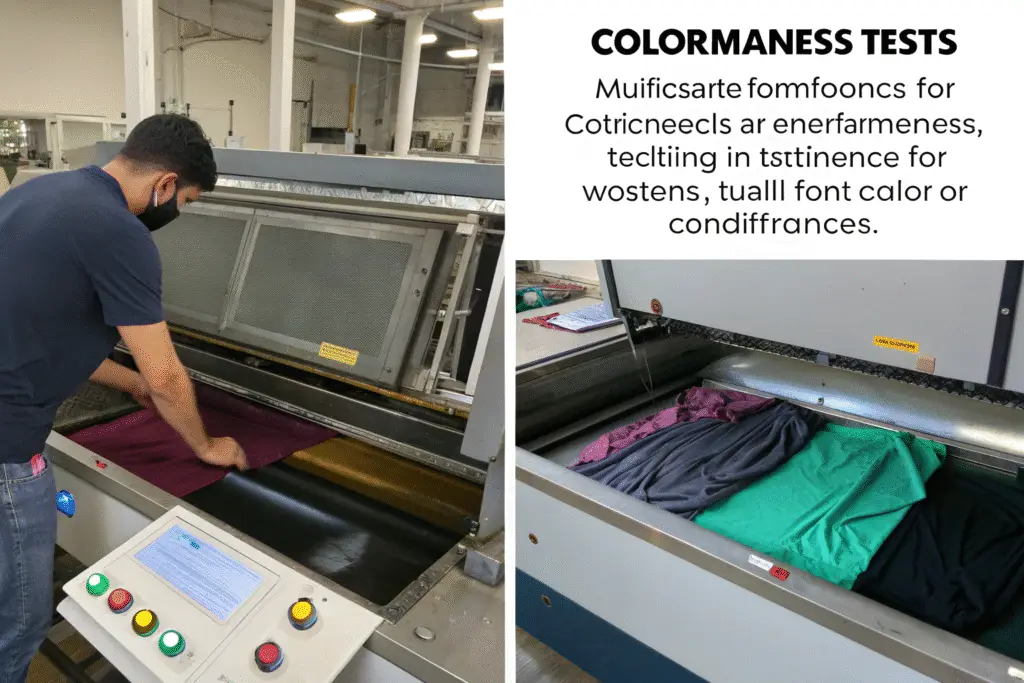
Testing covers multiple performance aspects. Colorfastness to washing assesses dye stability during laundering. It uses controlled temperatures and mechanical action. Colorfastness to rubbing measures color transfer through friction. This is crucial for dark fabrics and printed materials.
Colorfastness to light evaluates fading from sun exposure. This is essential for outdoor apparel and window treatments. Colorfastness to perspiration tests dye reaction to acidic and alkaline sweat. Each test generates numerical scores from 1 to 5. Higher numbers indicate better color retention.
How Do Manufacturers Conduct These Tests?
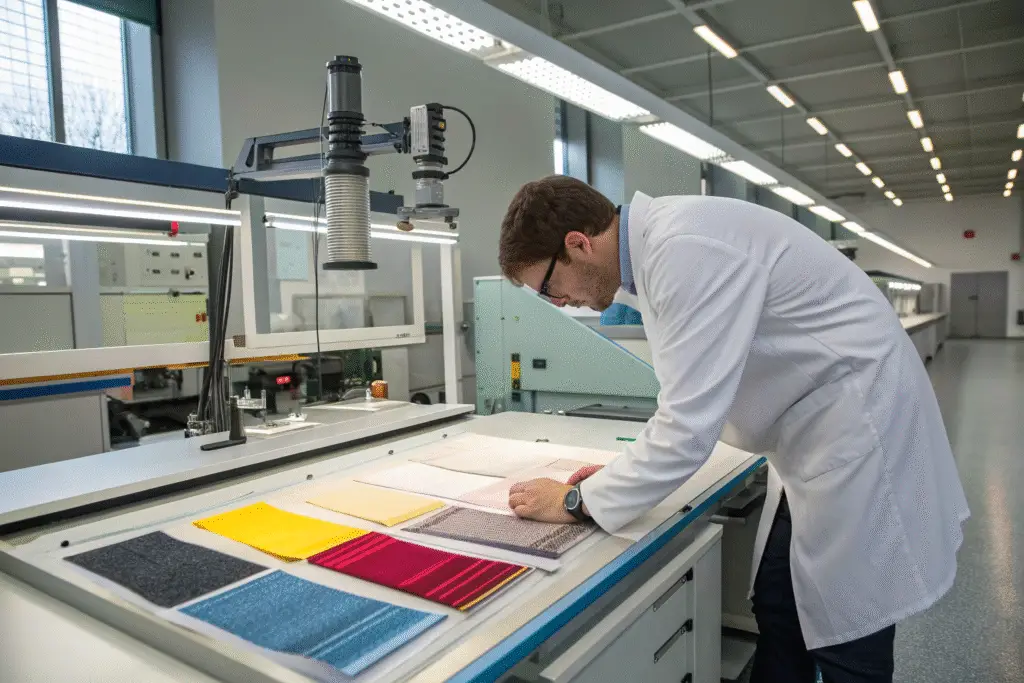
Testing requires specialized laboratory equipment. Crockmeters measure color transfer through mechanical rubbing. Xenon arc lamps simulate sunlight exposure for lightfastness testing. Washtesters replicate home laundering conditions precisely.
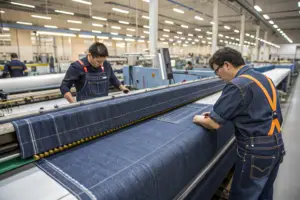
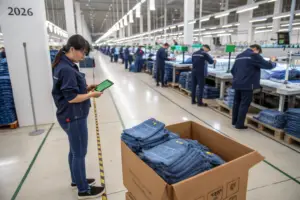
Professional manufacturers maintain in-house testing facilities. They follow standardized procedures for each test type. Technical staff interpret results according to established grading systems. This infrastructure ensures consistent quality monitoring throughout production.
How Does Poor Colorfastness Affect Your Business?
Product failures create immediate financial impacts. Returns and refunds reduce profit margins. Customers share negative experiences online. This damages brand reputation and consumer trust. Retail partners may discontinue poorly performing products.
Brand perception suffers from quality issues. Customers associate color fading with inferior manufacturing. This perception makes premium pricing difficult to maintain. Customer loyalty decreases when products fail to meet expectations.
What Are the Direct Financial Consequences?
Return processing involves multiple cost components. Shipping, handling, and administrative work require resources. The original product cost becomes a total loss. Marketing investment for customer acquisition yields no return.
Seasonal products face particular risks. Color issues discovered after delivery may miss entire selling seasons. Entire inventory batches might require write-offs. These situations create significant financial damage.
How Does Colorfastness Influence Customer Relationships?
Trust forms the foundation of customer relationships. Product failures break this trust immediately. Customers feel disappointed by quality shortcomings. They often share negative experiences within their social networks.
Customer retention rates decline after quality incidents. Acquiring new customers costs substantially more than retaining existing ones. The Harvard Business Review documents this economic reality. Colorfastness testing protects these crucial business relationships.
What International Standards Govern Colorfastness Testing?
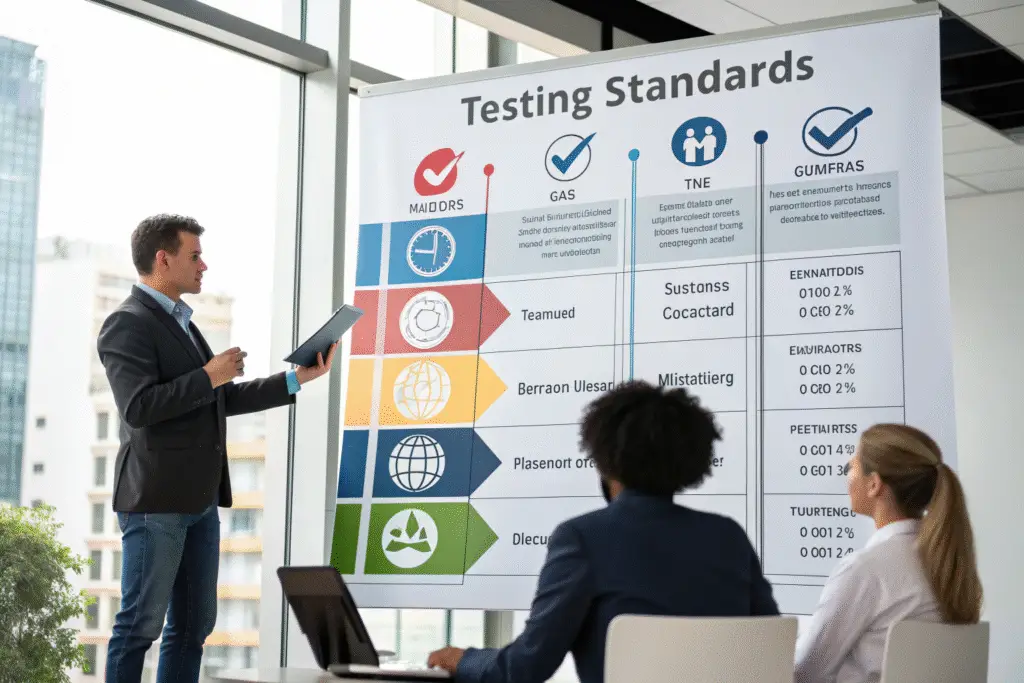
Global standards ensure testing consistency. The AATCC standards dominate American markets. ISO standards prevail in European and Asian regions. Professional manufacturers master both systems.
Standardized testing enables reliable supplier evaluation. Brands can compare results from different manufacturing locations. This consistency supports informed sourcing decisions. It establishes common quality language across international supply chains.
How Do AATCC and ISO Standards Differ?
AATCC methods provide detailed procedural specifications. They define exact parameters for each test type. The AATCC 61 standard simulates multiple home launderings. ISO standards offer broader methodological flexibility.
Market requirements often dictate standard selection. Major retailers specify preferred testing protocols. Regional regulations may mandate particular approaches. Manufacturers must accommodate all relevant standards.
How Should You Interpret Test Results?
Test results use numerical grading systems. The scale ranges from 1 (poor) to 5 (excellent). Evaluators compare tested samples to reference scales. They assess both color change and staining.
| Grade | Performance Level | Commercial Acceptability |
|---|---|---|
| 5 | Excellent | Premium products |
| 4 | Very Good | Standard expectation |
| 3 | Good | Basic acceptance |
| 2 | Poor | Unacceptable |
| 1 | Very Poor | Reject quality |
Most commercial applications require grade 3-4 or higher. Premium products demand grade 4 or better. Understanding these benchmarks helps brands set appropriate quality requirements.
How Can You Ensure Colorfastness When Sourcing From China?
Successful sourcing requires proactive quality management. Brands must select manufacturing partners carefully. Suppliers should demonstrate commitment through testing infrastructure. Transparent communication about quality expectations is essential.
Quality requirements should integrate into development processes. Discussions should occur before production commitment. Clear specifications prevent misunderstandings. This approach transforms quality from assumption to agreement.

What Questions Should You Ask Potential Suppliers?
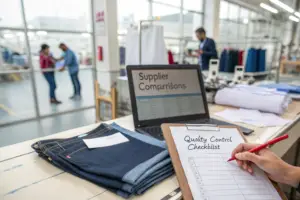
Direct questions reveal supplier capabilities. Ask about in-house testing facilities. Inquire about specific international standards they follow. Request sample test reports for review. Discuss their pass/fail criteria for colorfastness.
Professional suppliers welcome these questions. They demonstrate serious quality commitment. Evasive responses indicate potential risk factors. Transparency builds necessary trust for successful partnerships.
How Can You Verify Supplier Claims Independently?
Third-party verification provides essential validation. Independent inspection companies offer this service. They collect random production samples for laboratory testing. SGS and Intertek are recognized testing organizations.
Verification costs are minimal compared to risk exposure. This process confirms product quality before shipment. It demonstrates serious quality commitment to manufacturing partners. It provides peace of mind throughout the supply chain.
Conclusion
Colorfastness testing delivers crucial business protection. It safeguards brand reputation and customer relationships. Understanding testing methodologies enables informed sourcing decisions. International standards provide consistent quality measurement frameworks.
Product quality differentiation drives market success. Color consistency contributes significantly to perceived value. Professional testing ensures this consistency across production batches. It transforms quality from hope into certainty.
Our company implements rigorous colorfastness testing. We maintain complete in-house laboratory capabilities. We adhere to international standards for all client projects. We invite brands to discuss their specific quality requirements.
Please contact our Business Director Elaine at elaine@fumaoclothing.com. We ensure your apparel visions achieve market success with guaranteed color performance.