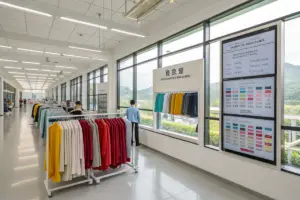
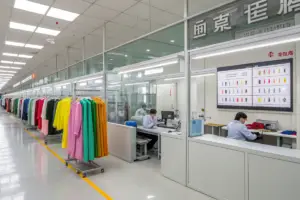
Brand owners frequently ask me about fashion versus basic clothing. This question is fundamental for business strategy. Understanding the distinction informs product development and manufacturing choices. It directly impacts inventory planning and customer targeting.
Fashion items follow seasonal trends and express creativity. Basic items provide timeless functionality and wardrobe foundations. This difference influences design processes, pricing models, and production cycles. Smart brands leverage both categories strategically. They balance innovation with reliability in their collections.
How to Define Basic Clothing Items?
Basic clothing forms the essential core of any apparel line. These garments see constant customer repurchase. They represent reliability and everyday wearability. Manufacturers prioritize consistency and durability for these products.
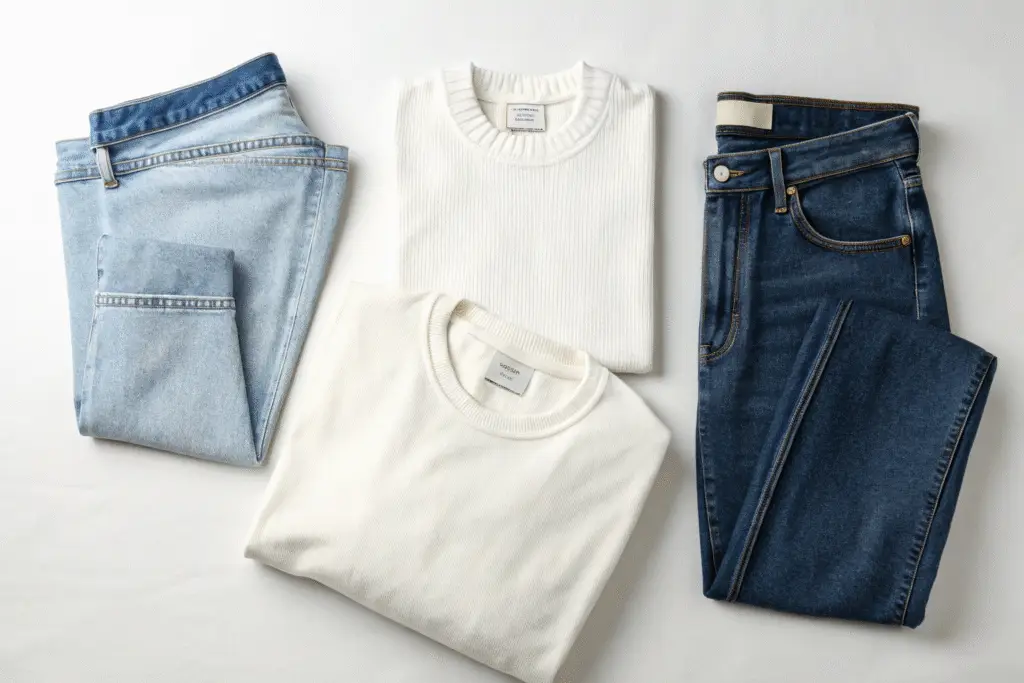
Simple designs define basic clothing. Neutral colors and classic silhouettes characterize these items. A perfect white t-shirt exemplifies this category. Comfortable jeans and quality polo shirts also qualify. Their primary purpose is versatile functionality. They resist short-term trend influences. This makes them steady revenue generators. Manufacturing emphasizes large quantity production. Design modifications remain minimal across seasons. This approach enables optimized factory operations. It also supports stable minimum order quantities for cost efficiency.
What Are the Key Characteristics of Basic Apparel?
Timelessness represents the first key characteristic. Basic apparel maintains relevance for multiple years. A well-made crewneck sweater demonstrates this longevity. Functionality provides another crucial attribute. These garments serve daily wear needs. They offer comfort and easy maintenance. Mix-and-match capability enhances their wardrobe value. Brands should select high-quality fabrics for these items. Durable materials like premium cotton work best. Neutral color palettes support versatility. Whites, blacks, and navys dominate this category.
Why Should Brands Invest in Basic Clothing Manufacturing?
Basic clothing ensures stable business revenue. Demand patterns remain highly predictable. This simplifies inventory management substantially. It reduces risks of dead stock accumulation. Consistent designs enable manufacturing efficiency. Production costs become increasingly competitive. Workers master repetitive quality standards. This reliability builds strong customer trust. Consumers depend on these essential products. This dependence fosters long-term brand loyalty.
What Makes a Garment a Fashion Item?
Fashion items embody creative expression and novelty. They capture current cultural moments. These pieces generate excitement and media attention. They showcase brand creativity and design innovation.
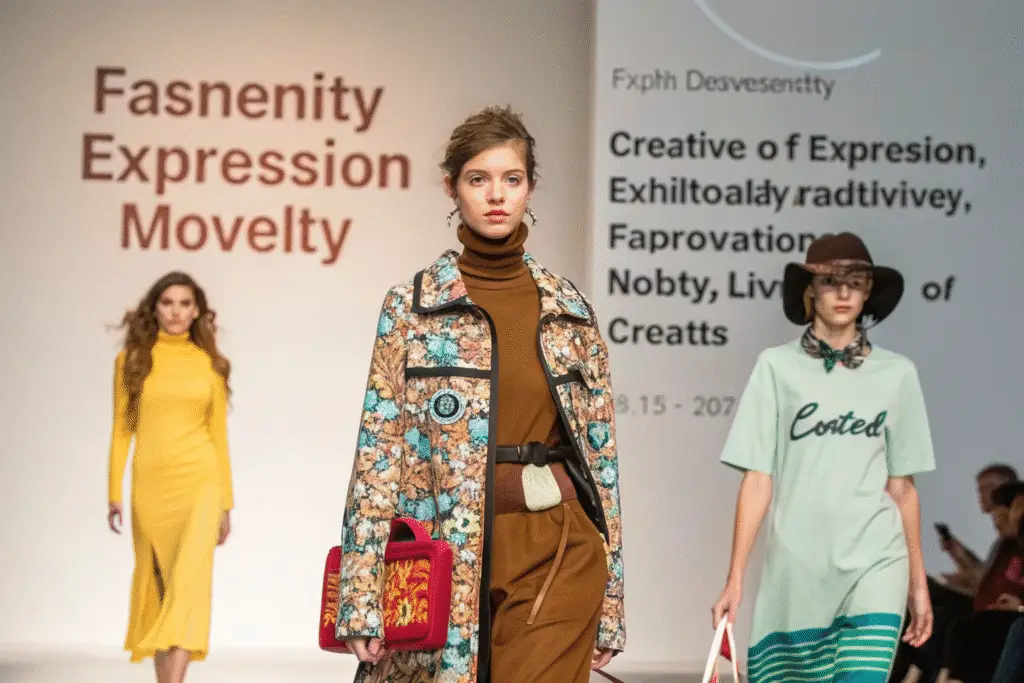
Trend direction determines fashion item characteristics. Bold prints and unique silhouettes define them. Special fabrications and decorative details add distinction. Their commercial lifespan typically spans one season. Some items remain relevant for merely months. Manufacturing requires adaptable approaches. Smaller production batches are standard. Complex construction demands skilled attention. Speed to market becomes critically important. Close collaboration drives successful product development. Factories must accommodate rapid prototyping.
How Do Trends Influence Fashion Clothing?
Trends dictate fashion clothing evolution. They transform colors and fabrics annually. Silhouettes and trims follow trend directions. Runway shows establish initial trend directions. Celebrity culture accelerates trend adoption. Social media spreads trends rapidly. Brands must respond with agility. This responsiveness creates competitive advantage. Efficient fast fashion implementation requires expert manufacturing partners. Factories must source new materials quickly. They must adjust patterns without delaying production.
What Are the Risks and Rewards of Fashion Items?
Fashion items offer substantial profit margins. Successful pieces generate significant brand buzz. They attract new customer demographics. They refresh brand identity each season. However, risks match these potential rewards. Short lifecycles create inventory challenges. Unsold stock becomes financial liability. Demand forecasting proves particularly difficult. Production costs rise with complexity. Strong manufacturer partnerships mitigate these risks. Transparent lead time communication is essential. Flexible production capacity provides crucial support.
How Does Production Differ for Basics vs. Fashion?
Manufacturing processes diverge significantly between categories. Each demands specific strategies and resources. Factories must allocate equipment and personnel appropriately.
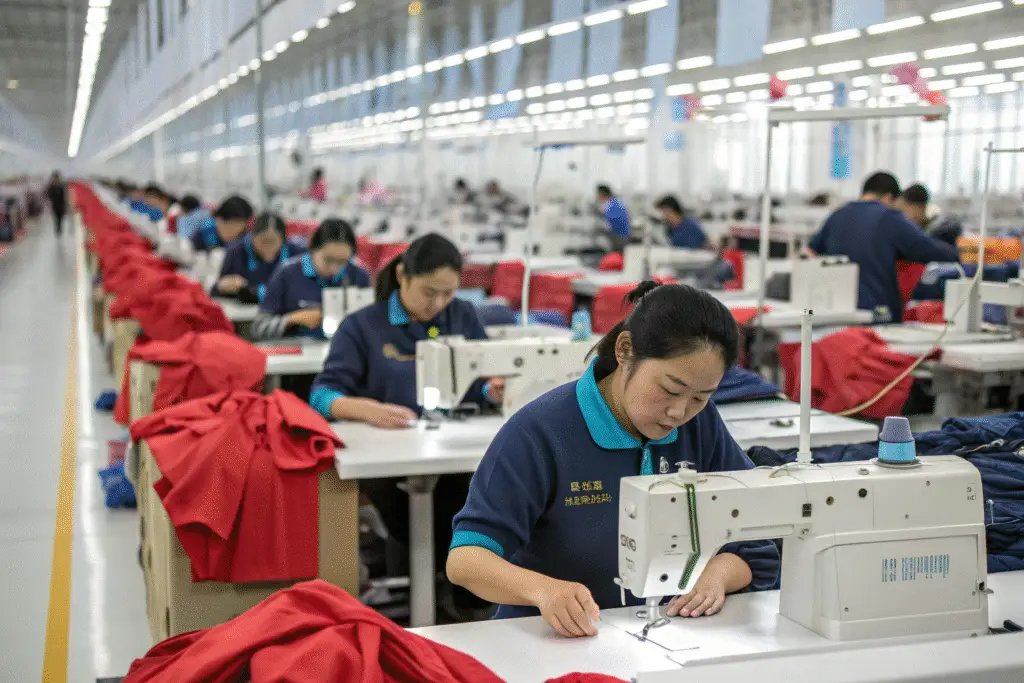
Basic clothing production emphasizes scale and consistency. High-volume lines manufacture identical units. Perfection in repetition becomes the primary goal. Fashion item production requires flexibility and precision. Smaller lines handle frequent style changes. Accuracy and speed drive these operations. Market timing determines success.
| Production Aspect | Basic Clothing | Fashion Clothing |
|---|---|---|
| Order Quantity | Large, consistent MOQs | Smaller, more variable batches |
| Production Line | Dedicated, high-speed | Flexible, multi-skilled |
| Focus | Efficiency & Consistency | Detail & Speed-to-Market |
| Fabric Sourcing | Bulk, standard materials | Diverse, often specialized |
What Are the Sourcing Strategies for Each Type?
Basic item sourcing prioritizes volume and consistency. Manufacturers secure bulk raw materials. Long-term mill relationships ensure price stability. Fashion item sourcing demands versatility and speed. Unique materials require specialized suppliers. Custom-developed fabrics involve longer lead times. Effective quality assurance systems must accommodate both approaches.
How Do Lead Times and MOQs Compare?
Minimum order quantities differ substantially between categories. Basic items command higher MOQs. Setup costs distribute across large productions. Lead times lengthen for initial orders. Repeat orders flow more predictably. Fashion items accept lower MOQs. This accommodates trend testing needs. Compressed timelines characterize these productions. Entire processes accelerate to capture trends. Expert supply chain management ensures timely delivery.
Why is a Balanced Product Mix Crucial for Brands?
Exclusive focus on either category creates business vulnerability. Balanced combinations enable sustainable growth. Basics provide financial stability. Fashion items deliver margin potential and excitement.
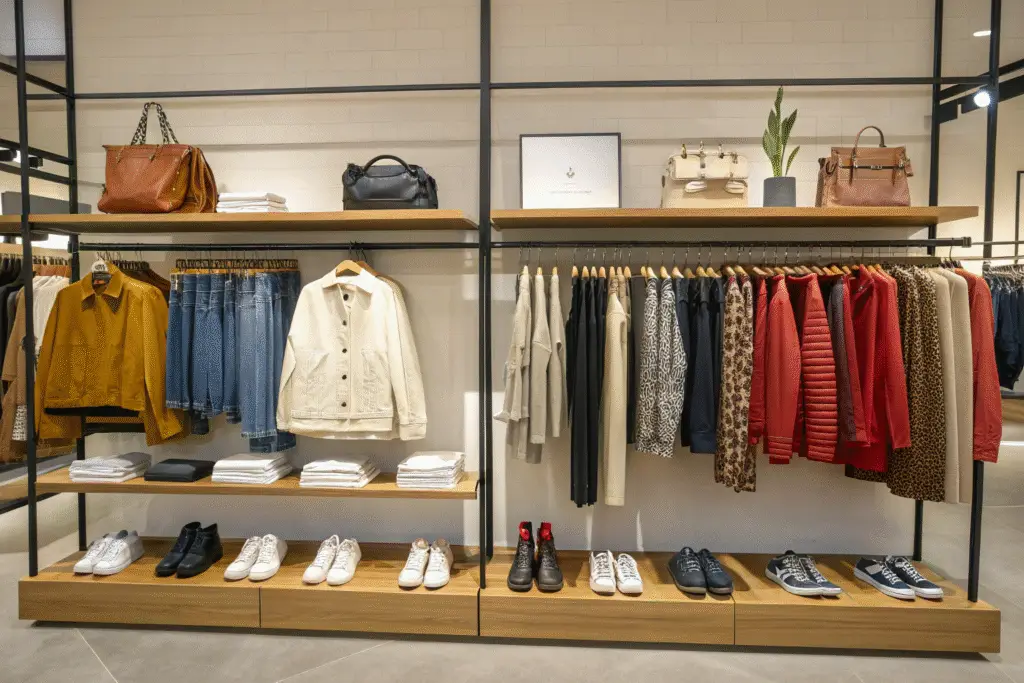
This balanced approach protects business health. Basic items generate consistent cash flow. This funds fashion item development. Basics ensure continuous product availability. Fashion items attract market attention. They introduce new customers to core offerings. Strategic synergy develops between categories.
 ")
")
How to Plan a Seasonal Collection with Both?
Start collection planning with basic foundations. Identify perennial bestsellers first. Build fashion stories around these anchors. A basic chino pairs with trendy printed shirts. This approach helps customers integrate trends. Full-package production partners assist this planning. They advise on basic carryovers and feasible trends.
What is the Financial Impact of This Strategy?
This strategy balances financial risk effectively. High-volume basics cover operational costs. Lower volumes of fashion items drive profitability. Business resilience improves with category diversity. Customers may skip fashion seasons. They always replace basic essentials. Dual category presence captures broader spending. Smart inventory management sustains this balance. Reliable manufacturers provide necessary flexibility.
Conclusion
Understanding the fashion-basic distinction builds business success. Basics deliver stability and predictable sales. Fashion provides creative expression and higher margins. Successful brands blend both categories strategically.
This balanced approach optimizes inventory management. It reduces financial risks substantially. It appeals to diverse customer preferences. Market understanding drives appropriate blending. Manufacturing partners enable this strategy. They handle volume production and complex fashion items. Our factory supports both production types effectively. We help brands develop cohesive product assortments. Contact our Business Director Elaine for consultation. Reach her at elaine@fumaoclothing.com to discuss your next collection.