Poor communication with your garment supplier can lead to costly mistakes, delayed shipments, and immense frustration. If you've ever felt like your messages are lost in translation or that your supplier isn't fully aligned with your vision, you're not alone. This breakdown in communication is one of the biggest pain points for brands sourcing from overseas.
Effective communication with your garment supplier is built on establishing clear, structured, and proactive channels from the very start. The best ways include setting clear expectations, utilizing the right technology, scheduling regular check-ins, and thoroughly documenting all agreed-upon details. Mastering these methods ensures your production runs smoothly and your quality standards are met.
Let's explore how you can transform your supplier communication from a source of stress into a strategic advantage, ensuring your next order arrives on time and to your exact specifications.
How to set clear expectations with your clothing manufacturer?
Misunderstandings in apparel production are expensive. Setting clear expectations from the outset is the most effective way to prevent them. This foundational step aligns your vision with the factory's capabilities, creating a roadmap for a successful partnership.
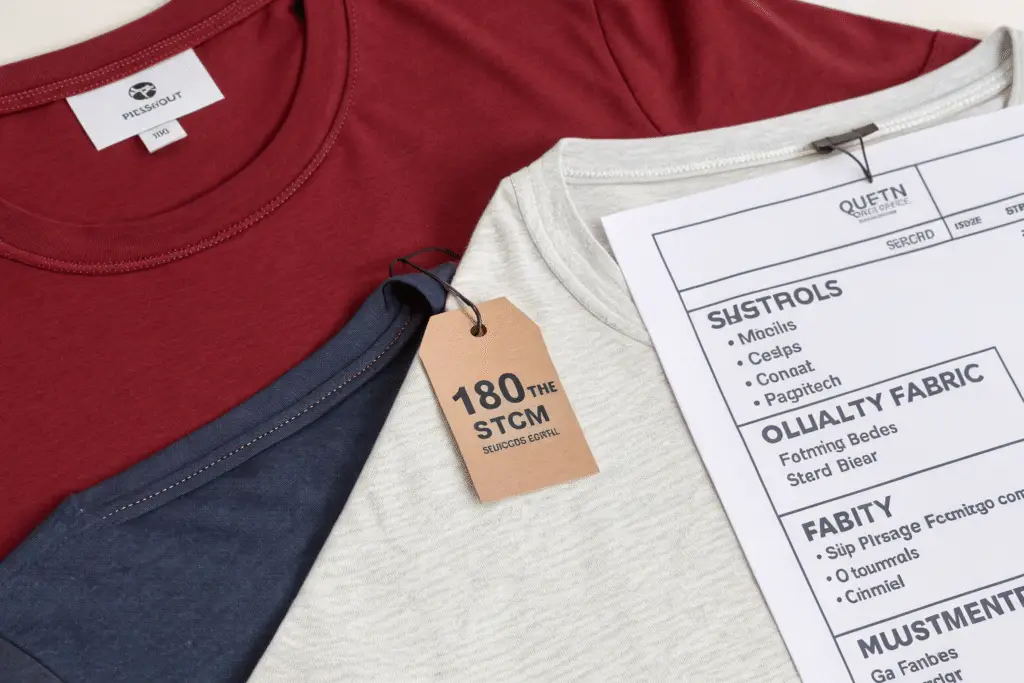
The key is to be specific and detailed from day one. Don't just say "high-quality t-shirt." Specify the fabric weight, like 180 GSM for a robust feel or 130 GSM for a lighter option. Provide a detailed tech pack with measurements, stitch types, and label placement. Clearly state your quality control standards and on-time delivery requirements. This level of detail removes ambiguity and gives your supplier a concrete target to hit.
What should be included in your initial design brief?
Your initial design brief is the single most important document you share. It should be a comprehensive package, not a simple sketch. Start with your target market and brand identity. Include detailed tech packs with flat sketches, construction details, and a complete bill of materials (BOM). Specify the exact fabric composition, weight, and source if you have preferences. Don't forget trim details like buttons, zippers, and labels. Providing physical sample garments or high-quality photos of desired products can also bridge the understanding gap. The more visual and precise you are, the fewer questions your supplier will have later.
How can a detailed tech pack prevent production errors?
A tech pack acts as the universal language between you and your manufacturer. It is a detailed blueprint that leaves no room for interpretation. A comprehensive tech pack includes graded spec sheets showing precise measurements for every size, detailed artwork for prints and embroidery with Pantone color codes, and clear instructions for stitching and finishing. By investing time in creating a meticulous tech pack, you directly prevent costly errors like wrong sizes, off colors, or misplaced logos. It becomes the objective standard against which all samples and production runs are measured, protecting both you and the supplier.
What are the most efficient tools for supplier communication?
In today's global supply chain, using the right communication tools is not a luxury; it's a necessity. The right tools bridge the time zone gap, keep conversations organized, and ensure nothing gets lost in a crowded inbox.
For daily communication, platforms like WhatsApp and WeChat are invaluable for quick, informal check-ins. However, for official approvals and tracking important decisions, email remains the gold standard. It creates a permanent record that can be referenced later. For complex discussions, especially those involving visual elements like designs or defect photos, scheduled video calls are incredibly effective. Using a shared cloud folder on Google Drive or Dropbox for all tech packs, invoices, and certification documents ensures everyone is always looking at the latest version of any file.

Why is email still crucial for garment sourcing?
Email provides a verifiable, time-stamped audit trail of all your critical communications. When you approve a sample, confirm a price, or agree on a delivery date, doing so over email creates a legal and binding record. This protects you if disputes arise later. It is also the best platform for sending formal documents like purchase orders, proforma invoices, and shipping details. While quick messages are useful, all major decisions and approvals should be confirmed via email to ensure clarity and accountability for both parties.
How can project management software streamline production?
For larger orders or brands working on multiple styles simultaneously, project management software like Trello, Asana, or Airtable can be a game-changer. These platforms allow you to create a shared production calendar, assign tasks with deadlines, and track the status of each stage of production—from fabric sourcing to cutting, sewing, and final inspection. This creates total visibility, so you know exactly where your order is without needing to send constant "check-in" emails. It turns the complex process of garment manufacturing into a transparent, manageable workflow.
How to ensure quality control through effective communication?
Quality control is not just a final inspection; it's a process that is built through continuous and clear communication at every stage. Proactive dialogue ensures that quality is woven into the product from the beginning, rather than being inspected in at the end.
The cornerstone of this process is the sample cycle. Never skip the pre-production sample (PPMS) stage. This is your chance to see a prototype and request changes before mass production begins. Maintain an open channel for your supplier to send photos or videos of potential issues they encounter, such as a fabric flaw. This collaborative approach to problem-solving is far more effective than rejecting a finished order. Discussing your inspection protocols, like the AQL standard, upfront also sets a clear quality benchmark.

What key questions should you ask during sample review?
When reviewing a sample, your communication must be targeted and critical. Don't just say "it looks good." Ask specific questions: Does the fabric handfeel match the standard you provided? Are the stitch density and thread color correct? Check the functionality of zippers and buttons. Compare the sample's measurements directly against the spec sheet you provided. Is the embroidery or print placement precise? Providing detailed, written feedback with photo annotations for each point ensures your supplier understands exactly what needs to be corrected for the next sample or production run.
Why is a pre-production meeting vital for quality?
A pre-production meeting, ideally held via video call, is your final opportunity to align with the factory's production managers and quality team before cutting begins. This meeting should review the approved sample, the final tech pack, and the quality checklist. It's the time to reconfirm key details like fabric inspection protocols, labeling instructions, and packing methods. This step ensures that everyone on the factory floor, from the cutter to the seamstress, is working from the same correct information, drastically reducing the risk of mass production errors.
How to manage timelines and prevent shipping delays?
Late shipments can cause you to miss crucial selling seasons, directly impacting your profitability. Proactive timeline management through consistent communication is your best defense against delays.
From the beginning, work with your supplier to build a realistic and detailed production calendar. This schedule should include key milestones: fabric sourcing, sample approval, production start, final inspection, and shipping date. Don't just focus on the final deadline; communicate at each milestone to ensure the timeline is on track. Be prompt with your feedback on samples, as your delays can cause cascading delays at the factory. Furthermore, understand their logistics process early on. Clarify if they handle all export formalities and if they work on a DDP basis, which simplifies the process for you as the buyer.

What is a realistic production timeline for clothing?
Pushing for an unrealistically short timeline often leads to quality compromises. A standard timeline for a garment order can range from 45 to 90 days, depending on complexity. This period includes fabric and trim sourcing (15-30 days), sample development and approval (10-15 days), mass production (20-30 days), and final inspection and shipping (10-15 days). Your constant communication helps monitor this timeline. A simple weekly update from your supplier, confirming that each stage has been completed on schedule, provides peace of mind and allows for early intervention if a delay is looming.
How can regular follow-ups keep your order on track?
Regular, structured follow-ups are essential. Instead of sending frantic, last-minute emails, establish a weekly check-in protocol. This can be a brief standing video call or a simple email template that the supplier fills out. Key questions to ask include: Is the fabric in-house? Has cutting begun? What is the current production completion percentage? Has the final inspection been scheduled? This proactive approach shows the supplier you are engaged and holds them accountable. It allows you to identify potential bottlenecks, like a delayed zipper shipment, early enough to find a solution without impacting the final shipping date.
Conclusion
Effective communication with your garment supplier is the backbone of a successful and stress-free sourcing experience. It's not a single action but a continuous strategy built on clarity, the right tools, quality focus, and timeline management. By setting clear expectations from the start, leveraging technology to stay connected, engaging proactively on quality control, and diligently managing the production schedule, you transform your supplier from a mere vendor into a true strategic partner. This collaborative approach minimizes errors, prevents delays, and ensures your products meet the high standards your brand deserves.
Ready to partner with a manufacturer who prioritizes clear, proactive communication as much as you do? At Fumao Clothing, we are committed to being a transparent and reliable extension of your team. Let's discuss how we can bring your next apparel collection to life seamlessly. For a direct conversation, please contact our Business Director, Elaine, at elaine@fumaoclothing.com.