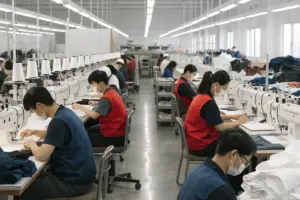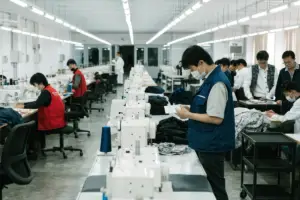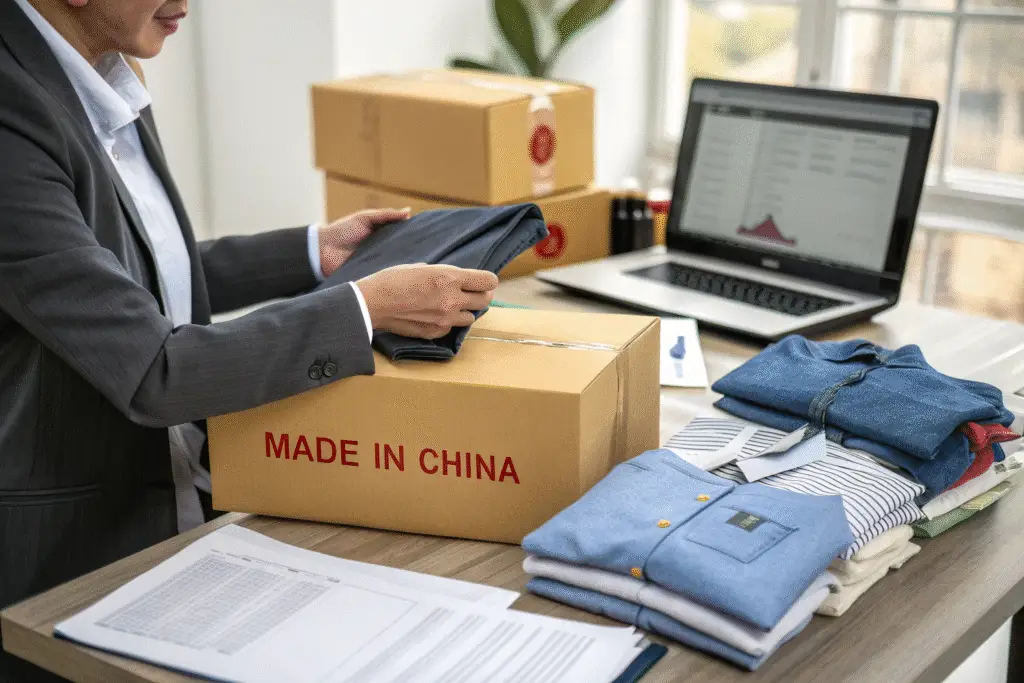
Sourcing clothing from China can feel like a big challenge. You want high quality products. You need competitive prices. But you also fear delays, communication problems, and quality issues. Many American brand owners share these worries. They have heard stories of shipments arriving late or products not meeting expectations. This uncertainty can cost you money and missed selling seasons. How can you navigate this complex process and feel secure in your decisions?
The key to confident sourcing from China lies in partnering with a manufacturer that prioritizes transparent communication, rigorous quality control, and reliable logistics. It’s about moving from a transactional relationship to a strategic partnership. A true partner acts as an extension of your team, ensuring your vision is executed flawlessly from concept to delivery. This eliminates the common pain points and builds a foundation for long-term success.
Let’s explore the proven strategies that can transform your sourcing experience. You can build a supply chain that is not only cost-effective but also dependable and high-quality.
How to find a reliable clothing manufacturer in China?
Finding the right partner is the most critical step. A reliable manufacturer ensures consistent quality, on-time delivery, and smooth communication. Without a good partner, your entire sourcing project is at risk. So, where should you start your search, and what should you look for?
Start your search on established B2B platforms like Alibaba and attend international trade shows. These platforms allow you to compare multiple suppliers quickly. Look for suppliers with Gold Supplier status or verified certifications. Trade shows offer a chance to meet representatives face-to-face and assess product quality firsthand. This initial vetting is crucial for building a shortlist of potential partners.

What are the key factors in vetting a potential supplier?
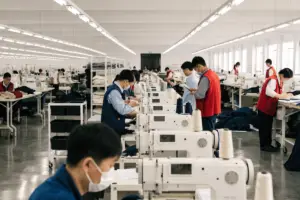
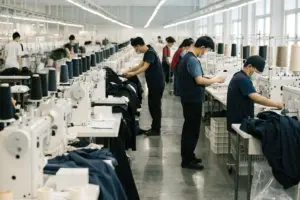
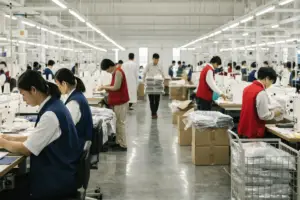
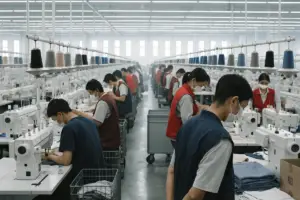
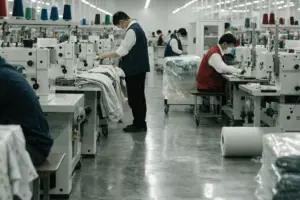
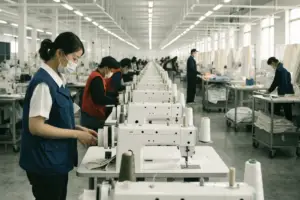
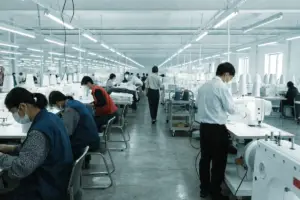
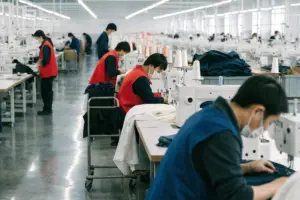
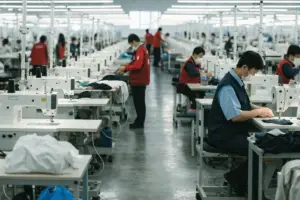
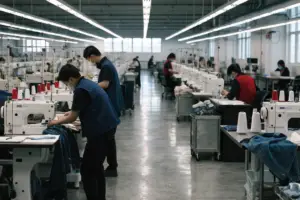
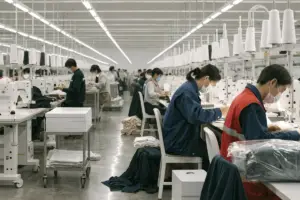
Vetting a supplier goes beyond just checking their website. You need to dig deeper. First, verify their business licenses and certifications. For apparel, important ones include OEKO-TEX for textile safety and BSCI for social compliance. Second, insist on a factory audit. Either conduct one virtually via a video tour or hire a third-party inspection company. This confirms they have the machinery and production lines they claim to have. Finally, check their export experience, specifically with the U.S. market. A manufacturer familiar with U.S. customs and consumer preferences will save you countless headaches.
Why is a sample review process non-negotiable?
Never skip the sampling stage. It is your first real check of a manufacturer’s capabilities. A professional factory will always be willing to create a pre-production sample. Pay close attention to the stitching, fabric quality, color accuracy, and overall construction. This step reveals their attention to detail and technical skill. We always send at least two sample rounds to our clients. This process ensures we are perfectly aligned before mass production begins. It is a small investment that prevents massive losses from a faulty bulk order.
How to ensure quality control when sourcing from China?
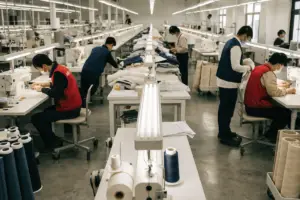
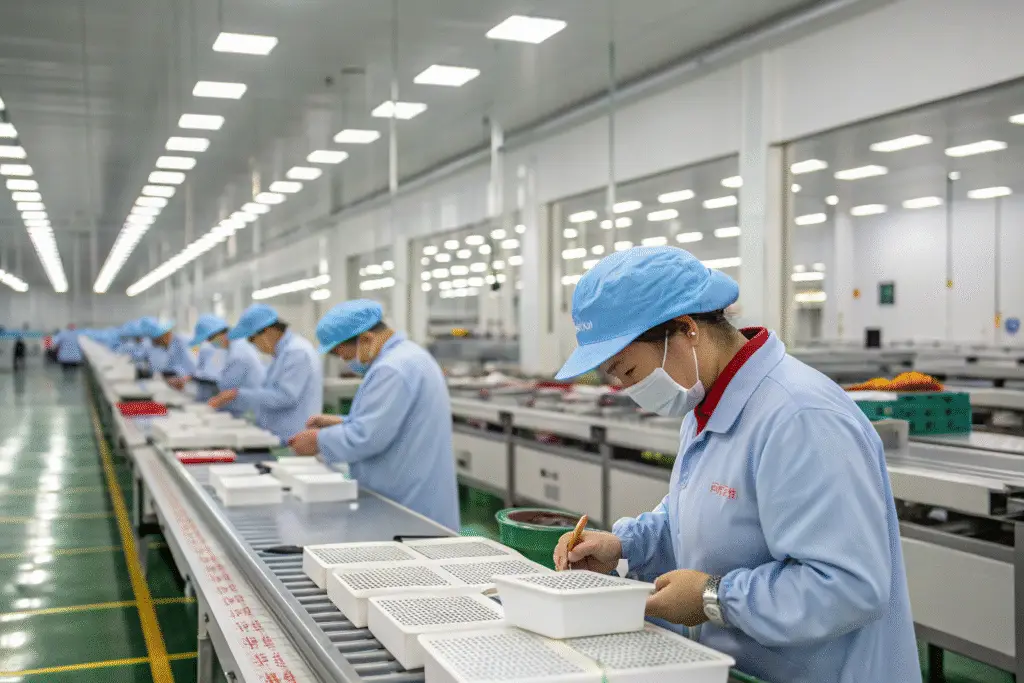
Quality is the cornerstone of your brand’s reputation. You cannot be there in person to check every stitch, so you need a system you can trust. Effective quality control is a proactive process, not a reactive one. It must be built into every stage of production, from raw material sourcing to the final packaging.
Implement a multi-stage inspection protocol. This starts with checking raw materials and continues through the production process. The most critical stage is the Final Random Inspection (FRI) before shipment. During FRI, a random percentage of the finished goods are checked against your pre-agreed specifications. This method is statistically reliable for catching defects and ensuring the bulk order matches the approved sample.
What should a detailed tech pack include?
A detailed tech pack is your primary tool for quality control. It is the blueprint for your garment. An ambiguous tech pack leads to misunderstandings and flawed products. Your tech pack must include:
| Component | Description |
|---|---|
| Flat Sketches | Technical drawings of the garment from all angles. |
| Bill of Materials (BOM) | A list of all fabrics, threads, zippers, and trims with specifications. |
| Colorways | Specific Pantone codes for each color. |
| Size Specs | Precise measurements for every size in both metric and imperial units. |
Additionally, include clear labels for care instructions and high-resolution photos of the sample. The more detailed your tech pack, the fewer quality issues you will face.
How can third-party inspections protect your investment?
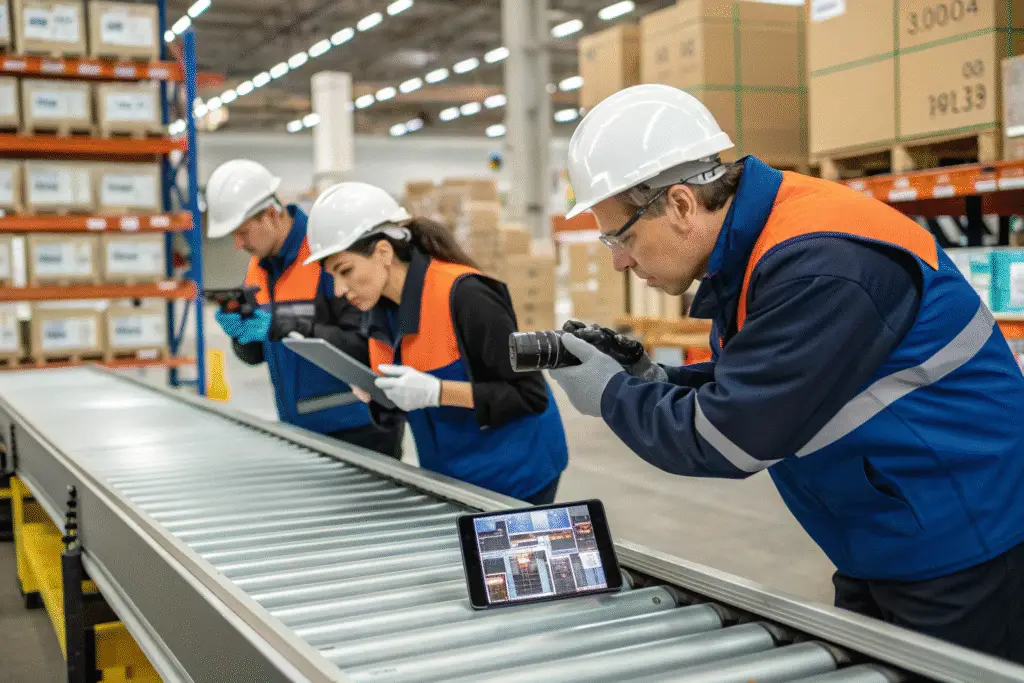
Even with a great partner, an independent eye is valuable. Hiring a third-party inspection company provides an unbiased report on product quality and packing. These inspectors follow internationally recognized standards, such as the AQL (Acceptable Quality Level), to determine if the product batch passes or fails. This is your final safety net. It gives you the confidence to approve shipment, knowing the goods meet your standards. For our clients, we provide full inspection reports with photos and data, offering complete transparency.
How to manage logistics and shipping from China?
Logistics is where many sourcing projects encounter problems. Complex paperwork, shipping delays, and unexpected costs can erode your profits. Understanding the process and choosing the right shipping terms are essential for a smooth landing of your goods in the U.S.
Choose a manufacturer that offers DDP (Delivered Duty Paid) services. With DDP, the supplier handles the entire shipping process, including paying the import duties and taxes. This means you get a clear, all-inclusive price upfront. There are no surprise fees when your goods arrive. This model simplifies the process for you and provides cost certainty. We specialize in DDP shipping to the U.S., ensuring a hassle-free experience for our clients.
What is the difference between FOB and DDP?
Understanding Incoterms is crucial. FOB (Free On Board) means you own the goods once they are loaded on the ship. You are then responsible for the main shipping cost, insurance, and import duties. DDP (Delivered Duty Paid) is a more comprehensive service. The supplier manages everything from factory to your designated warehouse in the U.S. For buyers who want a hands-off approach and predictable costs, DDP is often the better choice. It transfers the logistical risk and complexity to your supplier.
How to plan for shipping timelines and avoid delays?
Plan for buffer time. Shipping timelines can be affected by weather, port congestion, and customs inspections. Always discuss the production lead time and shipping schedule with your manufacturer in detail. Factor in an extra 1-2 weeks as a safety buffer to avoid missing your selling season. Work with a manufacturer that has a proven track record of on-time delivery. Ask for references from their other U.S. clients. Reliable partners are transparent about potential delays and communicate proactively.
How to improve communication with your Chinese supplier?
Inefficient communication is a major pain point. Time zone differences, language barriers, and slow responses can lead to mistakes and frustration. The solution is to establish clear, structured communication channels and protocols from the very beginning.
Assign a single point of contact. You should have one dedicated account manager who understands your project inside and out. This person becomes your go-to for all questions and updates. This eliminates the confusion of talking to multiple sales reps. At our factory, each client works directly with a Business Director like Elaine, ensuring consistent and knowledgeable support.

What tools facilitate smooth cross-border communication?
Use the right digital tools. While email is formal, instant messaging apps like WhatsApp or WeChat are great for quick updates and sharing photos or videos. For more complex discussions, schedule regular video calls. This helps build a personal relationship and allows for screen-sharing to clarify details. We use a combination of email for official confirmations and WhatsApp for daily quick communication, ensuring we are always on the same page as our clients.
Why are detailed purchase orders and contracts vital?
A detailed purchase order (PO) and contract are your legal safeguards. Your PO should reiterate all the details from the tech pack: item description, price, quantity, shipping terms, and payment schedule. The contract should explicitly outline procedures for handling delays, quality rejections, and certificate falsification. Having these documents in place sets clear expectations for both parties and provides a reference point if any disputes arise. It moves the relationship from informal promises to professional commitments.
Conclusion
Sourcing clothing from China with confidence is entirely achievable. It requires a methodical approach: finding a verified manufacturer, enforcing rigorous quality control, understanding logistics, and establishing crystal-clear communication. By treating your supplier as a strategic partner, you mitigate risks and build a supply chain that supports your brand’s growth.
You do not have to navigate this journey alone. If you are looking for a dependable, high-value manufacturing extension for your apparel brand, let’s talk. We can help you bring your visions to market successfully, with the quality and reliability you need. For a direct conversation, please contact our Business Director, Elaine, at elaine@fumaoclothing.com. Let’s build something great together.