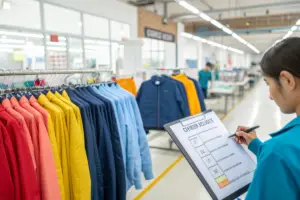
Developing a cohesive collection is a fundamental challenge for any fashion brand. It's the bridge between creative ideas and commercial success. A well-developed collection tells a clear story, resonates with your target audience, and solidifies your brand identity in a crowded marketplace. Many brands struggle with maintaining consistency across different pieces, leading to a confusing message for customers and lost sales opportunities.
A cohesive fashion collection is a curated group of garments and accessories that share a common theme, color story, silhouette, or fabric narrative, creating a unified and impactful brand statement that drives customer loyalty and sales. It's more than just a set of individual items; it's a strategic product lineup where each piece supports and enhances the others. This synergy makes it easier for your customers to build outfits and, crucially, to buy multiple items from the same collection.
As a factory owner who has partnered with hundreds of U.S. brands, I've seen firsthand how a cohesive collection streamlines the entire production process, from fabric sourcing to final assembly. Let's explore the key steps to building a collection that not only looks good but also performs exceptionally well in the market.
How to define your collection's theme?
A strong theme is the foundation of your entire collection. It acts as the guiding principle that informs every subsequent decision, from color to cut. Without a clear theme, you risk creating a group of disjointed items that fail to tell a compelling story or connect with your audience. A well-defined theme provides focus and inspiration throughout the development process.
Your collection's theme should be a direct reflection of your core brand identity. It can be inspired by anything—a specific era in art, a cultural movement, a personal narrative, or even a unique texture. The key is to ensure it is authentic to your brand and relevant to your target customer. This thematic consistency is what makes a collection memorable and shoppable. For instance, a brand inspired by coastal living might build a collection around the theme "Oceanic Drift," influencing everything from the color blue to fluid silhouettes.
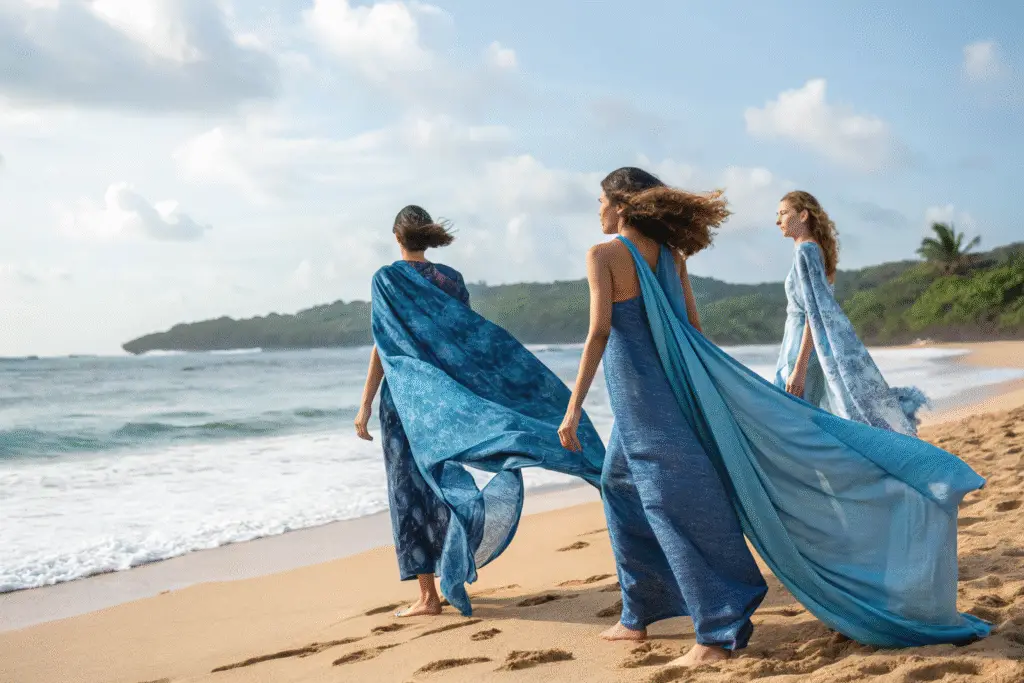
What inspires a powerful collection theme?
Inspiration is everywhere, but strategic brands know how to channel it effectively. Look beyond current trends and tap into sources that align with your brand's long-term vision. Art, architecture, travel, and even historical events can provide rich material. We encourage our partners to create a physical or digital mood board early in the process. This board becomes a visual contract that keeps the entire team—designers, our product developers, and factory technicians—aligned. A consistent theme also simplifies fabric sourcing, as you are looking for materials that support a specific narrative rather than a random assortment of textiles.
How to ensure your theme resonates with your target market?
A beautiful theme is useless if it doesn't connect with the people who buy your clothes. You must bridge the gap between your creative vision and commercial reality. Start by analyzing your customer data. What are their lifestyles, values, and purchasing habits? If your target market is professional women, a theme built around "Powerful Elegance" with versatile, high-quality pieces will resonate more than a theme based on festival fashion. Test your theme concepts through simple surveys or focus groups before committing to production. This market alignment is critical for ensuring your cohesive collection also becomes a commercially successful one.
How to build a cohesive color palette?
Color is often the first thing a customer notices. A strategic and limited color palette is one of the most powerful tools for creating visual unity across your collection. It ensures that nearly every item can be mixed and matched, increasing the average order value and strengthening the collection's identity. A disjointed color story, however, can make even the most beautifully designed pieces look out of place.
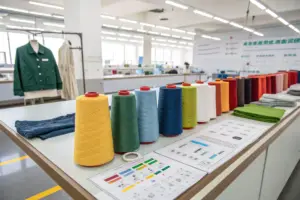
Start by selecting a core color that embodies your theme. Then, choose a set of complementary secondary colors and a few accent shades. A common industry practice is to use the 60-30-10 rule: 60% of the collection in your dominant color, 30% in a secondary color, and 10% for accents. This ratio creates a natural balance and rhythm. This disciplined approach to color is something we implement at the very beginning of the product development cycle, ensuring all dyed fabrics align perfectly with the approved lab dips.
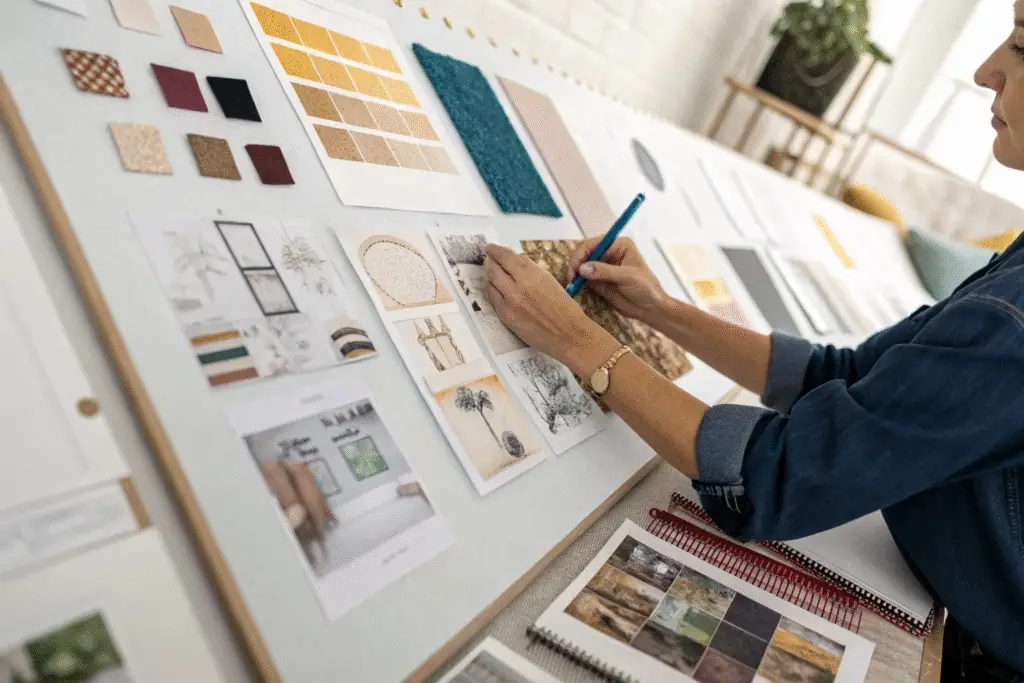
Why is a limited color palette more effective?
A limited palette forces creativity and enhances cohesion. Instead of offering twenty different colors, focus on five to seven that work perfectly together. This makes the decision-making process easier for your customer and simplifies your inventory management. From a manufacturing standpoint, it optimizes fabric sourcing and dyeing processes, reducing waste and cost. You can order larger quantities of fewer colored fabrics, which often leads to better pricing and a more streamlined production line in our factory.
How to apply your color palette across different garments?
| Garment Type | Color Application Strategy |
|---|---|
| Statement Pieces | Use dominant and accent colors to create focal points. |
| Core Basics | Utilize dominant and secondary colors for versatility. |
| Layering Items | Stick to neutral secondary colors to ensure mixability. |
Consistency is key. Your chosen colors should be applied strategically across different product categories. For example, your primary color might be used for key outerwear pieces, while the secondary neutrals form the base of your knitwear and wovens. This structured approach guarantees that a customer can pick any top and any bottom from the collection and create a harmonious outfit, which is the ultimate goal of a cohesive collection.
How to select fabrics for a unified collection?
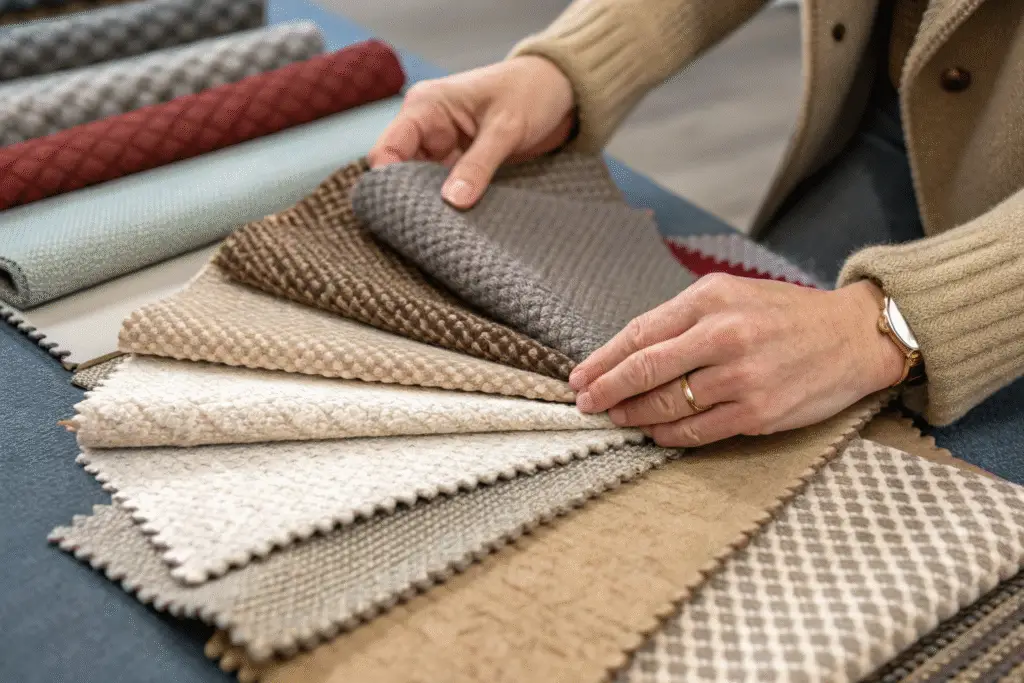
The fabrics you choose are the physical manifestation of your collection's theme. They influence the drape, feel, and overall aesthetic. A cohesive collection often relies on a curated selection of fabrics that share a common thread—perhaps literally, in terms of fiber content, or figuratively, in terms of texture or weight. This creates a tactile harmony that customers can see and feel.
Your fabric selection must balance creativity with practicality. The materials should not only look good together but also be suitable for the intended garments and season. We advise our partners to consider the full-package manufacturing process from the start, ensuring that the chosen fabrics are available in sustainable quantities and meet the required quality assurance standards for durability and comfort.
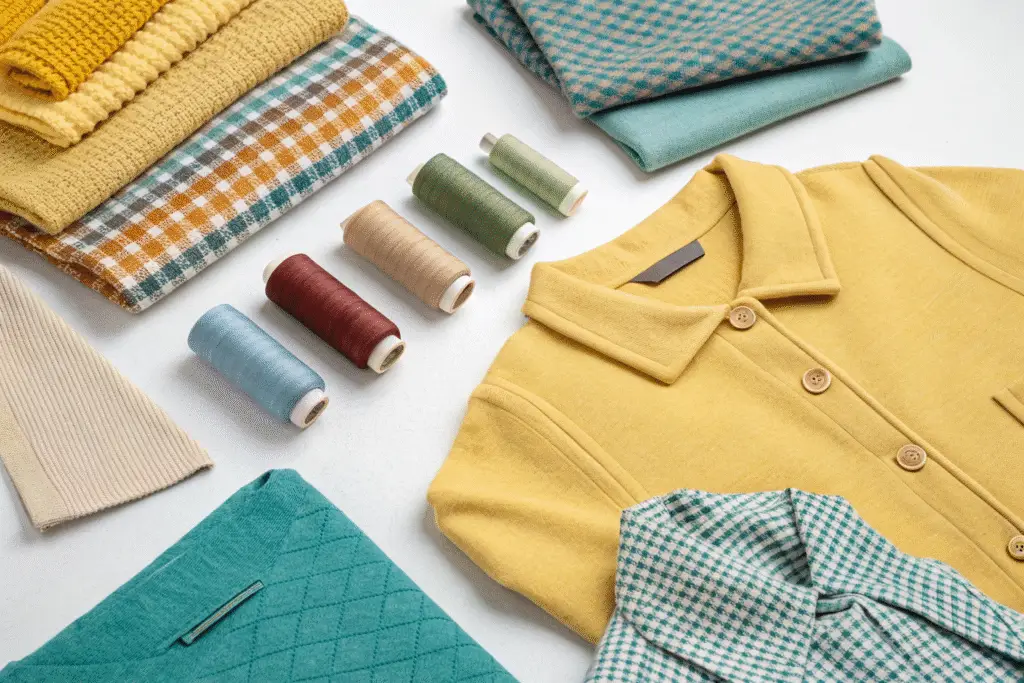
What are the key factors in fabric selection?
Several critical factors guide fabric selection for a unified line. First, consider the season and functionality. A winter collection would logically lean towards heavier knitwear and wool blends, while a summer line might feature lightweight linens and cottons. Second, ensure the fabrics work well together in terms of care and maintenance; mixing a dry-clean-only fabric with machine-washable items can create a poor customer experience. Finally, always prioritize quality and feel—this is a cornerstone of the value we deliver to our brand partners.
How to create a fabric story that enhances cohesion?
A fabric story is a narrative that connects your material choices to your overall theme. For a theme like "Urban Utility," you might select durable twills, technical canvases, and robust cotton blends. This story ensures that every fabric, from a woven shirt to a pair of trousers, contributes to the same aesthetic and functional goal. By building this story early, you can source materials more efficiently and provide our factory with clear direction, leading to a smoother production process and a final product that feels intentional and refined.
How to maintain design consistency across styles?
Design consistency is what ties all the individual pieces of your collection into a single, recognizable family. It's achieved through the repeated use of specific design elements, such as silhouettes, details, trims, or prints. This repetition creates a rhythm that the customer's eye follows, making the collection feel intentional and polished rather than random.
Consistency does not mean every item is the same. It means there is a common design language. For example, a collection might consistently use oversized silhouettes, or perhaps it features a specific type of pocket or button across multiple garments. This level of detail requires close collaboration between your design team and our technical developers to ensure these elements are executed flawlessly in production.
Which design elements should you focus on?
Focus on a few key design elements and apply them throughout the collection. Key elements often include:
- Silhouette: Are the shapes fitted, oversized, or A-line?
- Necklines: Are you using specific crewnecks, V-necks, or collars repeatedly?
- Details: This includes pockets, plackets, seams, and topstitching.
- Trims: Buttons, zippers, and labels should be consistent in style and quality.
By controlling these elements, you create a strong visual identity. For instance, using the same custom-developed button on ablouse, acoat, and askirtis a subtle but powerful way to create unity.
How to balance consistency with variety?
The challenge is to be consistent without being boring. The goal is to offer a range of styles that all feel like part of the same story. You can achieve this by creating "hero" pieces that fully embody the theme and more basic "core" items that support them. The core items, like a simple t-shirt or trousers, often use the collection's core colors and fabrics, while the hero pieces might incorporate the more adventurous accents and details. This strategy ensures there is something for every customer while maintaining the overall cohesive feel of the collection.
Conclusion
Developing a cohesive fashion collection is a strategic process that blends art with commerce. It begins with a clearly defined theme, is brought to life through a harmonious color palette and a curated selection of fabrics, and is solidified by consistent design elements across all styles. This methodical approach not only results in a beautiful and compelling product line but also simplifies manufacturing, strengthens your brand identity, and ultimately drives sales by making it easy for customers to understand, desire, and purchase multiple pieces.
A cohesive collection builds trust and loyalty, turning one-time buyers into lifelong brand advocates. If you are ready to bring your next cohesive collection to life with a manufacturing partner that understands the intricacies of theme, color, and consistency, we are here to help. For a seamless partnership from development to delivery, please contact our Business Director Elaine at elaine@fumaoclothing.com to discuss your project.