The fashion industry is changing. Brands face more pressure to be eco-friendly. Customers want sustainable choices. They also want high quality and style. As a garment factory owner, I see this shift every day. Our partners in the US are always asking: what's new in green materials? They want to stay ahead. They need fabrics that are good for the planet and their profit.
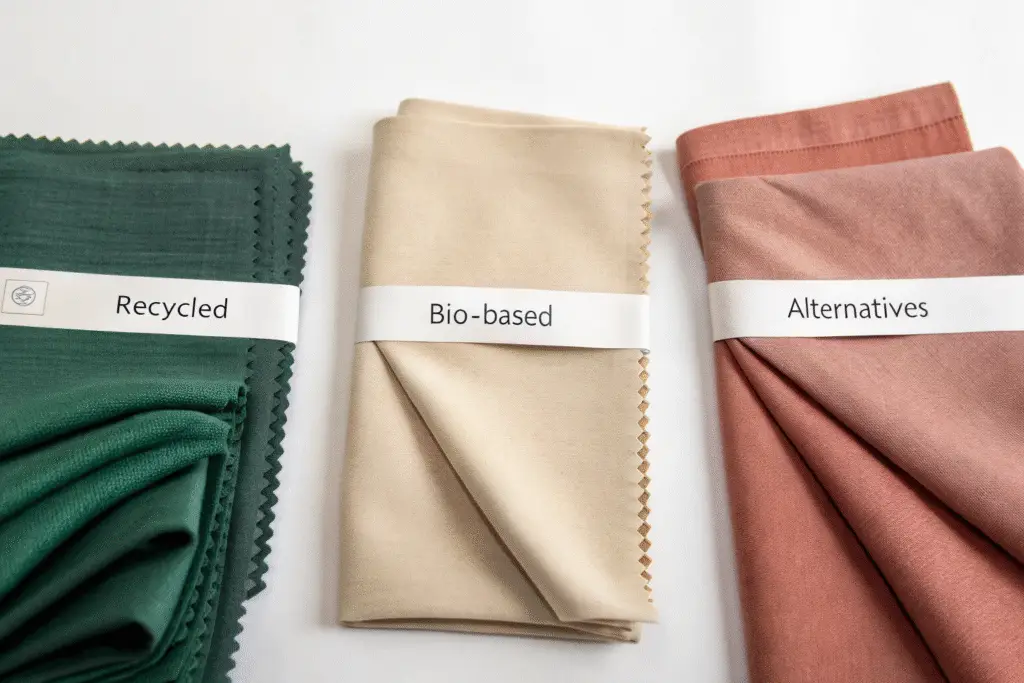
The latest innovations in sustainable fabrics include materials made from recycled waste, bio-based alternatives developed through advanced biotechnology, and new production processes that drastically reduce water, energy, and chemical use, all contributing to a more circular fashion economy. These are not just future ideas. They are here today. They are changing how we make clothes. We use many of these fabrics in our production lines for our American clients.
This article will guide you through the most exciting new sustainable fabrics. You will learn what they are. You will see why they matter for your brand. Let's explore the future of fashion together.
How Can Recycled Materials Like RPET and ECONYL® Reduce Fashion's Footprint?
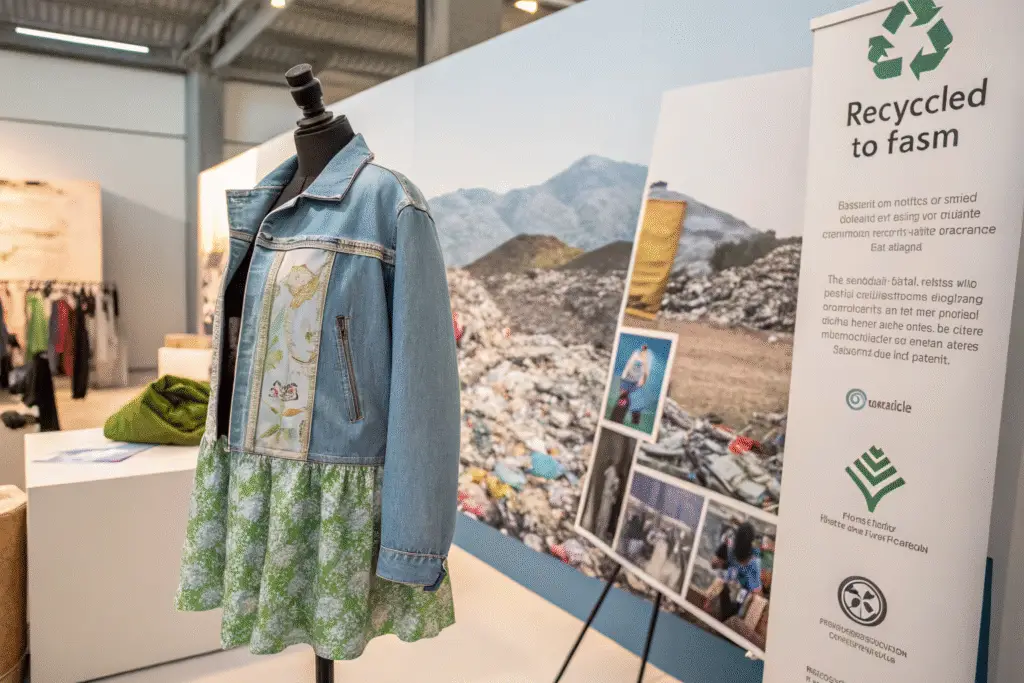
The problem for many brands is waste. The fashion industry creates too much of it. But what if waste could become the raw material? This is now a reality. Using recycled materials cuts down on landfill and pollution. It also saves resources. This is a key area where we help brands make a real change.
Using recycled materials directly tackles fashion's environmental problems. It gives a second life to existing waste. This reduces the need for new, virgin resources. It also lowers energy use and greenhouse gas emissions. For a brand, this means you can offer products that are truly eco-friendly. This meets the growing demand from conscious consumers.
What Are The Benefits Of Using Recycled Polyester (RPET)?
Recycled Polyester, or RPET, is a game-changer. It is mainly made from recycled plastic bottles. This process stops bottles from going to landfills. It also uses much less energy than making new polyester from oil. Choosing RPET helps clean up the planet. It also gives your brand a strong sustainability story. We have used RPET for many activewear and sportswear orders. The quality is just as high as virgin polyester. The fabric is durable and perfect for a wide range of clothing. You can learn more about its impact through the Textile Exchange organization.
The production of RPET is highly efficient. It reduces energy consumption by up to 50% compared to virgin polyester. It also helps reduce our reliance on petroleum. For brands, sourcing RPET is becoming easier. Many global suppliers are certified. This ensures the material's origin is genuine. When you work with a manufacturer like us, we handle the sourcing of certified recycled fabrics. This makes your supply chain simpler and more transparent.
How Does ECONYL® Regenerate Nylon Waste?
ECONYL® is another brilliant innovation. It is a regenerated nylon made from waste like fishing nets, fabric scraps, and industrial plastic. This process cleans our oceans and landfills. The resulting yarn is exactly the same as new nylon. It can be recycled over and over without losing quality. This is a powerful step towards a circular economy. We recommend ECONYL® for swimwear and outerwear because of its strength and elasticity.
The process behind ECONYL® is fascinating. It starts with collecting nylon waste from all over the world. This waste is then purified and processed back to its original raw material. The lifecycle of ECONYL® is a closed loop. This greatly reduces the global warming impact compared to normal nylon. For a brand owner, using a material like ECONYL® is a clear statement. It shows a deep commitment to environmental health. It also appeals to a market that values ocean conservation.
Are Bio-Based Fabrics The Future Of Sustainable Fashion?
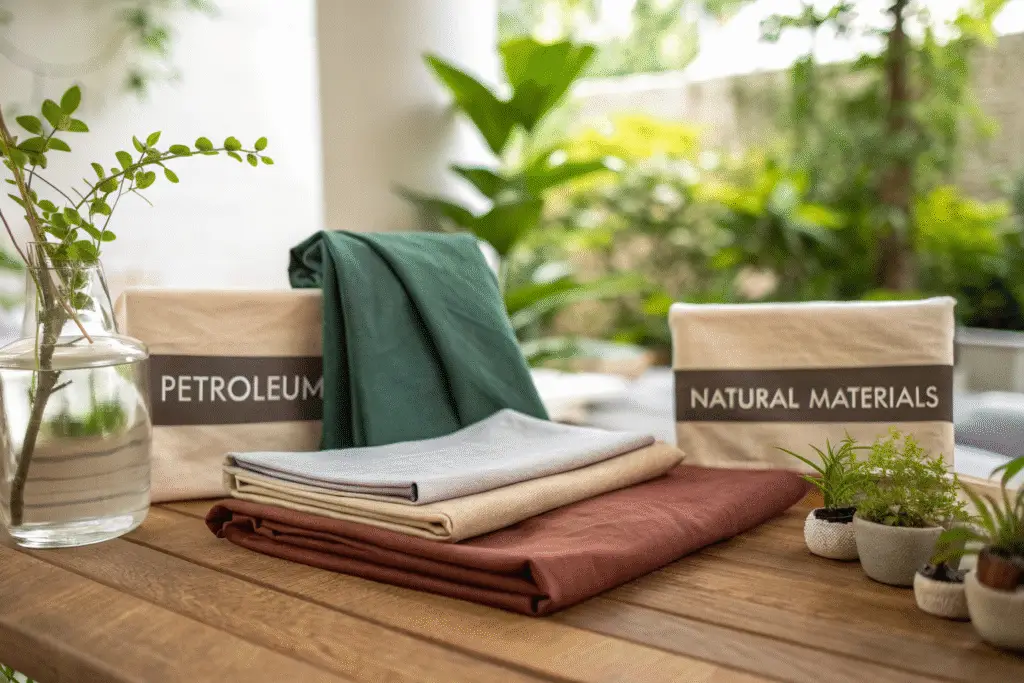
Many people think sustainable means only recycled. But there is another path. Bio-based fabrics come from renewable sources. They are not made from petroleum. They come from plants and other natural materials. These fabrics are breaking new ground. They offer a way to make clothes that are part of nature's cycle. We are excited to develop samples using these new materials for our clients.
Bio-based fabrics represent a fundamental shift from synthetic, oil-derived materials. They use annually renewable resources. This reduces the carbon footprint of the final product. Many of these fabrics are also biodegradable or compostable under the right conditions. This offers an end-of-life solution that petroleum-based fabrics cannot. They are a key part of the future because they work with nature, not against it.
What Makes Tencel™ Lyocell So Eco-Friendly?
Tencel™ Lyocell is a star in the bio-based world. It is made from wood pulp from sustainably managed forests. The closed-loop production process is its biggest advantage. It recycles over 99% of the water and solvents used. This makes it incredibly efficient and low-waste. The fabric itself is smooth, breathable, and very strong. It is ideal for creating high-quality men's wear shirts and women's wear blouses that feel luxurious.
The environmental credentials of Tencel™ are certified. The wood source is from FSC or PEFC certified forests. This ensures biodiversity is protected. The closed-loop process is award-winning for its low environmental impact. For your brand, using Tencel™ is not just about a soft fabric. It is about partnering with a technology that respects ecosystems from start to finish. It is a premium material that commands a premium position in the market.
How Is Orange Fiber Transforming Fruit Waste Into Fashion?
Orange Fiber is a stunning innovation. It creates a silky, soft fabric from the leftover pulp of orange juice production. This is a perfect example of a circular economy. It takes waste from one industry and turns it into a valuable resource for another. The fabric can be blended with other materials like silk or cotton. It gives a unique, luxurious feel. This is for brands that want to offer something rare and story-worthy.
The process of making Orange Fiber saves thousands of tons of citrus waste from being dumped. This waste would otherwise release methane, a potent greenhouse gas. By converting it into fiber, we prevent this pollution. The resulting fabric is rich in citrus fruit antioxidants, which are beneficial for the skin. For a forward-thinking brand, this material offers a powerful narrative. It combines Italian design with cutting-edge sustainability. It is a true example of "waste to wonder."
What New Processes Make Fabric Production Greener?
The fabric itself is only part of the story. How it is made is equally important. Traditional dyeing and finishing use huge amounts of water and chemicals. This is a major pain point for the environment. But new technologies are changing this. They are making the manufacturing process itself much cleaner and more efficient. At our factory, we are always looking for ways to adopt these greener methods.
Innovative production processes are crucial because they address the hidden environmental costs of clothing. They focus on reducing water consumption, eliminating harmful chemicals, and saving energy. This makes the entire supply chain more sustainable. It also often leads to a higher quality product with better performance. For a brand, this means a lower environmental impact and a cleaner, safer product for the customer.
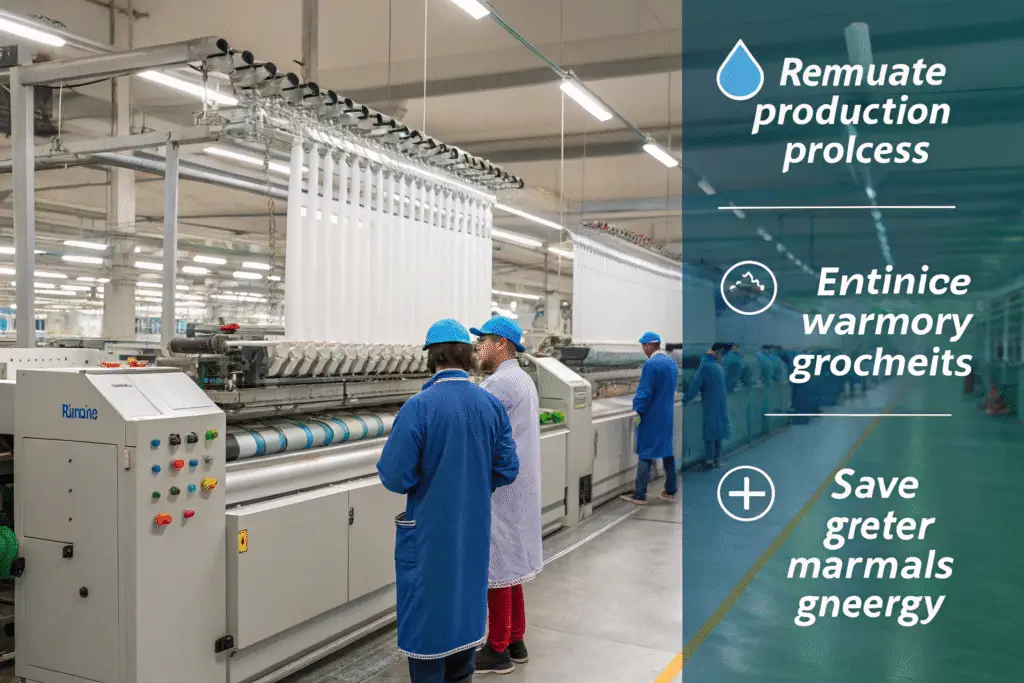
How Does Waterless Dyeing Technology Work?
Waterless dyeing is a revolutionary technology. It uses supercritical carbon dioxide (CO2) instead of water to dye fabrics. In this process, CO2 is placed under high pressure. It becomes a fluid that can carry dye deep into the fiber. After dyeing, the CO2 gasifies. Nearly all of it is captured and reused. The dye left behind is almost 100% absorbed by the fabric. This means no wastewater is produced.
The benefits are massive. It saves millions of liters of water. It also reduces energy use because there is no need to dry the fabric after water dyeing. The colors produced are vibrant and penetrate the fiber well. This technology is especially good for synthetic fabrics like polyester. While it requires a high initial investment, it represents the future of responsible textile processing. Supporting manufacturers who use such technologies is a direct investment in a cleaner planet.
Why Is Digital Printing A Sustainable Choice For Designs?
Digital printing is a far more sustainable alternative to traditional screen printing. Screen printing uses a lot of water to wash the screens and requires large amounts of paste dye. Digital printing applies ink directly onto the fabric in precise patterns, like an inkjet printer. This drastically reduces water usage and waste. It also allows for much more detailed and complex designs without limitation.
Here is a quick comparison:
| Feature | Traditional Screen Printing | Digital Printing |
|---|---|---|
| Water Usage | Very High | Very Low |
| Waste Generation | High (chemicals, paste) | Low |
| Design Flexibility | Low (requires screens per color) | Very High |
| Setup Cost | High for small batches | Low for small batches |
This makes digital printing perfect for customization and small runs. You can test designs without huge minimums. This reduces deadstock and aligns with a more demand-driven production model. It gives brands the agility to respond quickly to market trends.
How Can Brands Successfully Integrate These Sustainable Fabrics?
Knowing about new fabrics is one thing. Using them successfully in your collection is another. The main challenge for brands is the transition. They worry about cost, supply, and customer acceptance. But the strategy is clearer than ever. Start small, tell your story, and partner with the right manufacturer. We guide our partners through this process step by step.
Brands can successfully integrate sustainable fabrics by viewing them not as a cost, but as a strategic investment. The key is to start with a flagship product line. Use this to build your story and test the market. Then, work with a transparent supplier who can ensure a consistent flow of certified materials. Finally, communicate the benefits clearly to your customers. They are willing to support brands that are genuine about their green efforts.
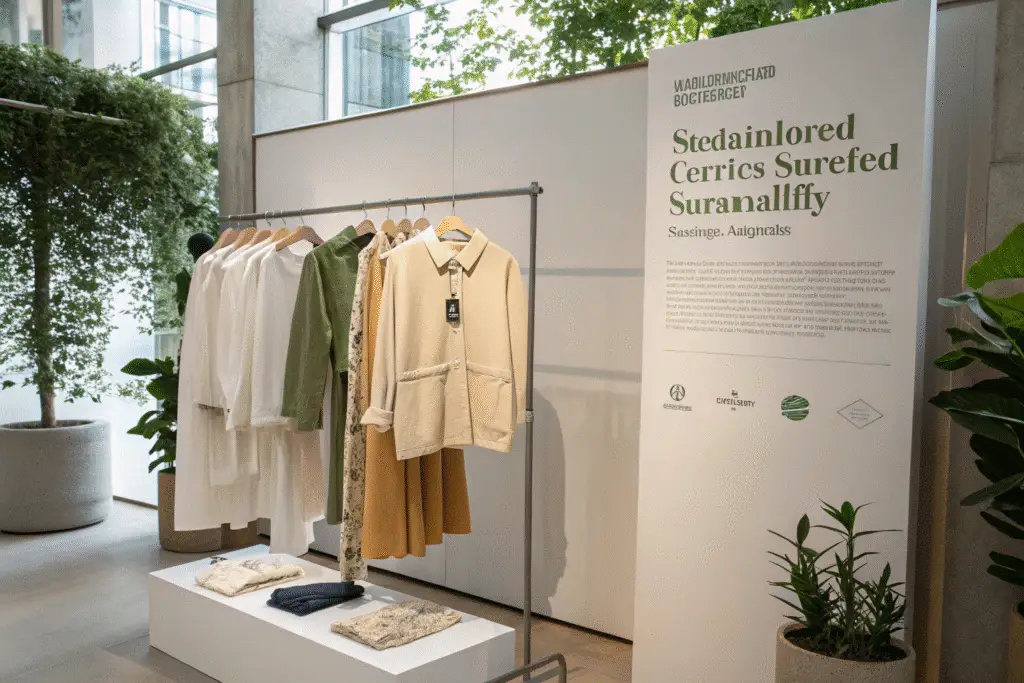
What Is The First Step To Sourcing Eco-Friendly Fabrics?
The first step is to define your sustainability goals. What is most important for your brand? Is it saving water, reducing plastic waste, or using natural materials? Once you know your goal, you can choose the right fabric. The next step is to find a manufacturing partner who understands these materials. They should have experience in sourcing and working with them. We have a dedicated team for product development with sustainable materials. We help you select the best fabric for your design and budget.
It is also crucial to ask for certifications. Certifications like Global Recycled Standard (GRS) for recycled content or Oeko-Tex for safety from harmful substances provide proof. They protect your brand from false claims. A good manufacturer will have these certificates readily available. They will offer full transparency from the raw material to the finished garment. This due diligence is your best protection against the risk of suppliers falsifying documents.
How To Communicate The Value Of Sustainable Fashion To Customers?
Communication is everything. Do not just say "this is green." Tell a specific story. For example, "This T-shirt is made from 5 recycled plastic bottles. It saved 10 liters of water in production." Use the tags and labels on your clothes to explain the innovation. Use your website and social media to show the process. Customers connect with stories they can understand and trust. They want to be part of the solution.
Be honest and avoid "greenwashing." If a product is 50% recycled, say that. Explain your journey and your goals for the future. This builds trust. Use visuals. Show the source of the material, like the ocean nets for ECONYL®. Show the final beautiful product. This connects the environmental benefit with the desirable fashion item. When customers see the value, they understand the price. They become loyal advocates for your brand.
Conclusion
The world of sustainable fabrics is full of exciting innovations. We have explored materials made from recycled plastics and fishing nets. We have seen fabrics born from wood and fruit waste. We have looked at processes that dye clothes without water and print designs with minimal waste. These are not just trends. They are the new foundation of a responsible fashion industry. They offer real solutions to the environmental challenges we face.
For a brand, embracing these materials is a smart business decision. It future-proofs your products. It builds a deeper connection with your customers. It aligns your company with the values of the modern market. The journey may seem complex, but you do not have to do it alone. The right manufacturing partner can guide you, source for you, and ensure quality.
We at Fumao Clothing are dedicated to being that partner. We have the experience and the networks to bring your sustainable apparel visions to life. Let us help you navigate this new landscape and create clothing that is good for your business and the planet. For a direct conversation on how we can start, please contact our Business Director Elaine at: elaine@fumaoclothing.com.