Starting your own clothing line is an exciting venture. But it can also feel overwhelming. One of the biggest hurdles you will face is finding the right production partner. Your choice of a clothing manufacturer can make or break your brand before it even launches. So, how do you navigate this critical decision, especially when you’re just starting out and every dollar counts?
Selecting a clothing manufacturer for your startup involves a careful evaluation of your production needs, the manufacturer’s capabilities and quality control, their communication efficiency and logistics, and a clear understanding of their pricing and compliance. A reliable partner like Fumao Clothing understands the unique challenges startups face and provides the support necessary to bring your apparel visions to market successfully, ensuring quality, timely delivery, and competitive pricing.
This guide will walk you through the key steps to find a manufacturing partner that is not just a supplier, but an extension of your team. We will break down the complex process into manageable parts, helping you make an informed choice that sets your startup on the path to success.
How to define your apparel production needs?
Before you even start searching for a manufacturer, you need a clear plan. Knowing exactly what you need will save you time and help you communicate effectively with potential partners. A well-defined project is easier to quote and produce accurately.
Clearly defining your apparel production needs involves specifying your product types, target audience, and detailed technical requirements. This foundational step ensures you find a manufacturer whose capabilities align perfectly with your startup’s vision, preventing costly misunderstandings and delays down the line.
What product categories are you focusing on?
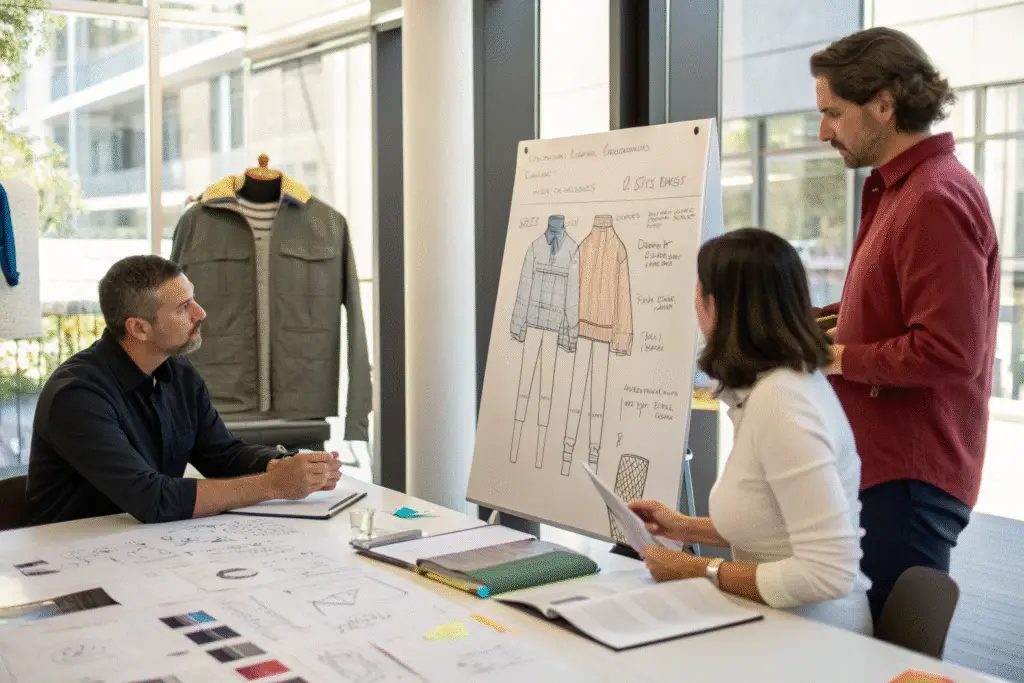
Start by listing the types of garments you want to produce. Are you launching a line of premium knitwear like T-shirts and sweaters? Or are you focused on woven items such as shirts and trousers? Perhaps it’s activewear or outerwear. Different manufacturers specialize in different product categories. At Fumao Clothing, we produce a comprehensive range of apparel, including men’s wear, women’s wear, and kids’ wear. Knowing your product focus helps you narrow down manufacturers with the right expertise and machinery for your specific items. This is a fundamental aspect of effective fashion product development.
What are your quality and compliance standards?
Quality is non-negotiable. You must define the quality standards you expect for your brand. This includes the type of fabric, stitching details, and overall finish. Also, consider compliance. If you are selling in the U.S., you may need specific certifications. Be upfront about these requirements. Ask potential suppliers about their quality control processes. For instance, we have rigorous quality checks at every stage of production. Clarifying these points early on ensures the final product meets your expectations and protects your brand’s reputation.
What to look for in a manufacturer’s capabilities?
Once you know your needs, the next step is to vet the manufacturers. You need to look beyond the surface and assess their real capabilities. A manufacturer’s experience and infrastructure are direct indicators of the service level you can expect.
When evaluating a manufacturer’s capabilities, look for a proven track record with your product type, transparent communication channels, and a full-package service offering. This ensures they can handle your order from fabric sourcing to finished goods, providing a seamless and stress-free production experience for your startup.
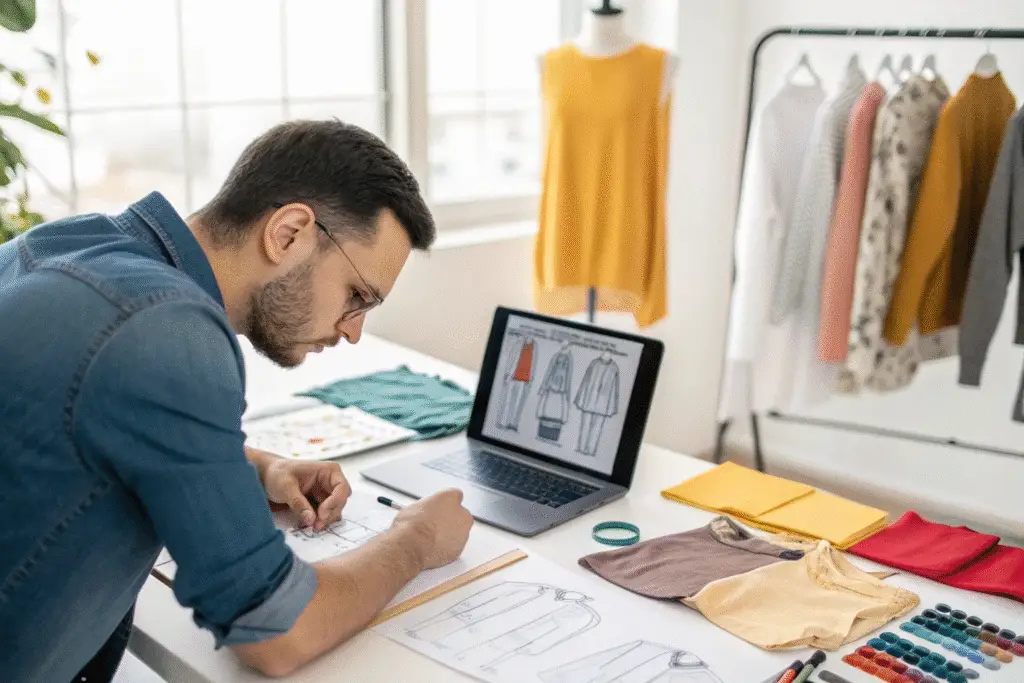
Do they offer full-package production?
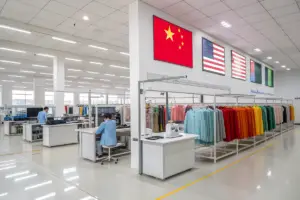
For startups, a full-package or turnkey production model is often the best choice. This means the manufacturer handles everything from sourcing raw materials to producing the finished garment. This saves you the hassle of coordinating with multiple suppliers. At Fumao, we offer this integrated service. We manage fabric procurement, cutting, sewing, finishing, and quality control. This end-to-end solution allows you to focus on marketing and growing your brand, rather than getting bogged down in complex production logistics.
Can they handle your order volume and complexity?
| Feature | Small, Local Shop | Large, Overseas Factory (e.g., Fumao) |
|---|---|---|
| Minimum Order Quantity (MOQ) | Often lower | Flexible, designed for growing brands |
| Cost-Effectiveness | Higher per-unit cost | Highly competitive pricing |
| Service Range | May be limited | Full-package, end-to-end |
| Scalability | Limited | High, with multiple production lines |
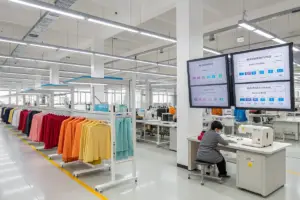
It is crucial to discuss order volume. What is their Minimum Order Quantity (MOQ)? As a startup, you might not need thousands of pieces initially. Look for a factory that offers flexible MOQs. Also, consider complexity. Do you have intricate designs or special techniques? Ensure the manufacturer has the technical expertise and equipment. With 5 production lines, we are equipped to handle orders of varying complexity and scale, ensuring we can grow with your brand. Understanding a factory’s production capacity is key to a successful partnership.
How to ensure quality control and reliable delivery?
Two of the biggest pain points for brands are inconsistent quality and late shipments. These issues can destroy customer trust and cause you to miss crucial selling seasons. Therefore, you must prioritize a manufacturer’s commitment to quality and on-time delivery.
Ensuring quality control and reliable delivery requires a manufacturer with robust in-house inspection protocols and a proven logistics framework. Partnering with a manufacturer that prioritizes these aspects mitigates risks for your startup, guaranteeing that your products meet quality standards and reach your market on time.
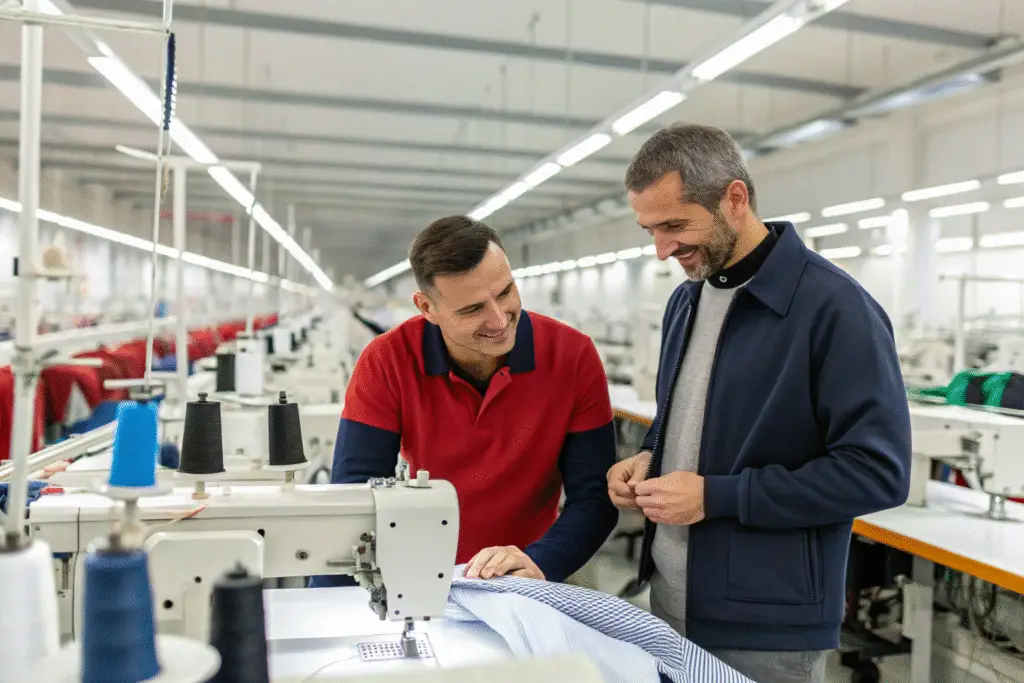
What is their quality assurance process?
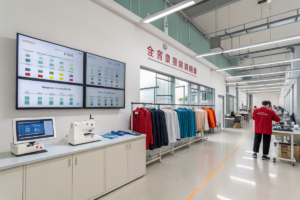
Do not just take their word for it. Ask for a detailed explanation of their quality control process. A reliable manufacturer will have multiple checkpoints. This includes checking raw materials, monitoring the production line, and conducting a final random inspection on finished goods. We implement a multi-stage inspection system to catch any defects early. This proactive approach is far more effective than trying to fix problems after production is complete. It is also a good practice to ask for pre-production samples to approve before the full order runs.
How do they manage logistics and shipping?
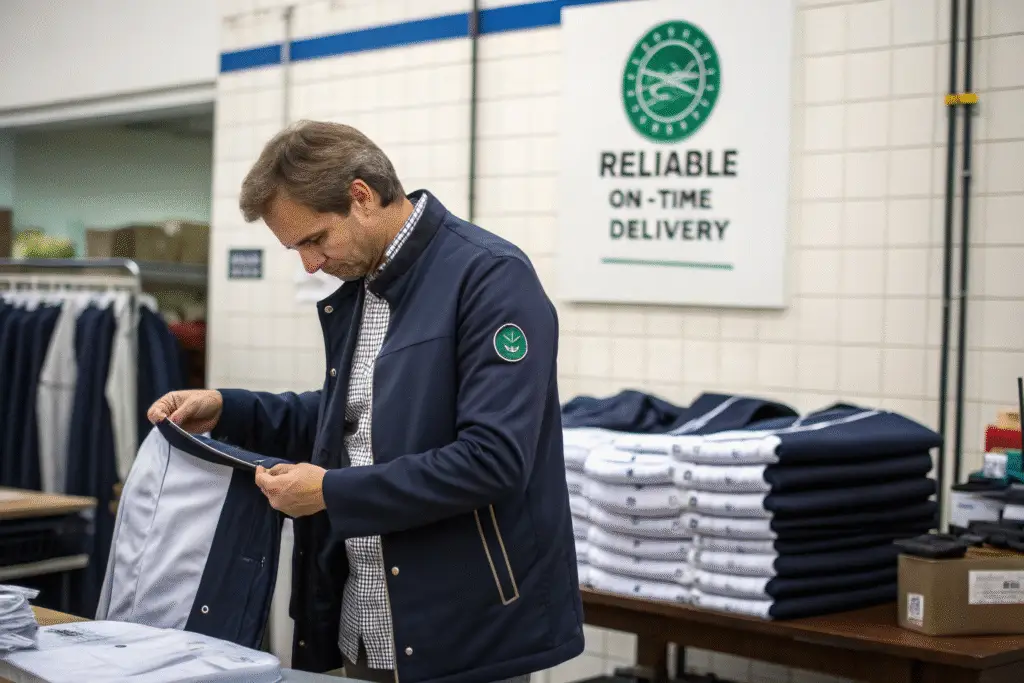
Logistics is a critical part of the supply chain. Delayed shipments are a common complaint. You need a partner with a strong logistics plan. Ask about their shipping options and experience with your target market, like North America. We specialize in efficient export and logistics to the U.S., handling all the complexities for you. We also offer DDP (Delivered Duty Paid) services, which means we handle all costs and risks until the goods are delivered to your door. This transparency prevents unexpected charges and delays, giving you peace of mind.
Cost is always a major factor, especially for a startup. However, the cheapest option is rarely the best. You need to understand the pricing structure and ensure it offers good value without hidden costs that could jeopardize your budget.
Navigating pricing and payment terms involves seeking transparent, all-inclusive quotes and secure payment methods. A trustworthy manufacturer will provide a detailed cost breakdown and flexible payment plans that protect both parties, ensuring a fair and sustainable partnership for your growing business.
What is included in the price quote?
When you receive a quote, make sure it is comprehensive. Does it include the cost of fabric, trims, labor, and shipping? Some factories give a low initial price but then add on charges later. We believe in transparent and competitive pricing. Our quotes are detailed and all-inclusive, so you know exactly what you are paying for. This allows you to accurately calculate your profit margins and avoid any unpleasant surprises.
What are the standard payment methods?
Understanding payment terms is crucial for your cash flow. Common methods include a T/T (Telegraphic Transfer) with a deposit paid upfront and the balance paid before shipment. Always use secure payment channels. Be wary of suppliers who ask for full payment upfront. Established manufacturers will offer balanced terms that protect both you and them. Discussing this openly is a sign of a professional and reliable partner.
Conclusion
Choosing the right clothing manufacturer is one of the most critical decisions you will make for your startup. It requires careful research and clear communication. Remember to start by defining your own needs. Then, thoroughly vet potential partners on their capabilities, quality control, and logistics. Finally, ensure their pricing and payment terms are transparent and fair. A good manufacturer does more than just make clothes; they become a strategic partner in your brand’s journey.
We understand the challenges you face because we have partnered with many ambitious U.S. brands to help them grow. If you are looking for a dependable, high-value manufacturing extension for your apparel line, let’s talk. We can help you navigate these decisions and bring your visions to life. For a personalized discussion on your production needs, please contact our Business Director, Elaine, at elaine@fumaoclothing.com.