Finding the right customization for your wholesale clothing order can feel overwhelming. You want your brand to stand out, but you also need to manage costs and ensure quality. Many brand owners struggle to balance creative vision with practical manufacturing constraints. We understand this challenge intimately. This guide will break down the best customization options available, helping you make informed decisions that elevate your brand and satisfy your customers.
The best customization options for wholesale clothing combine aesthetic appeal with practical manufacturing processes, including fabric selection, logo application techniques, unique stitching, and tailored packaging. These elements work together to create a unique product identity without compromising on production efficiency or cost-effectiveness. By focusing on these key areas, brands can differentiate themselves in a crowded market.
Let’s explore the most effective ways to customize your apparel line and add significant value to your brand.
How to Choose the Right Fabric for Your Custom Clothing Line?
The foundation of any great custom garment is the fabric. Your choice here impacts everything from the final look to how the garment feels and holds up over time. For wholesale, you need a fabric that not only aligns with your brand’s aesthetic but also meets practical demands for durability and cost.
Choosing the right fabric for your custom clothing line depends on your target market, garment type, and desired price point. You must balance customer expectations with production realities. For instance, activewear demands stretch and moisture-wicking properties, while a luxury line might focus on natural fibers like silk or premium cotton. Understanding your end-consumer is the first step to narrowing down fabric options.
What fabric types offer the best value for wholesale orders?
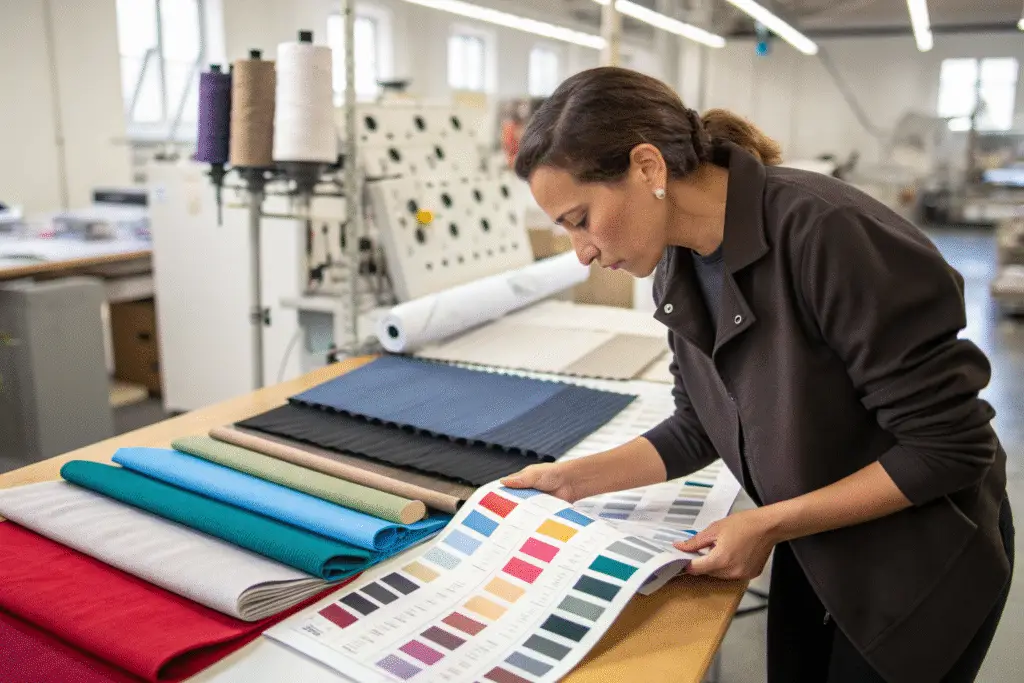
For most wholesale orders, cotton and polyester blends often provide the best value. 100% combed cotton is a customer favorite for its softness and breathability, making it ideal for basic t-shirts and polo shirts. However, for enhanced durability and cost-effectiveness, a cotton-polyester blend is superior. This blend resists shrinking and wrinkling better than pure cotton, which is a major advantage for both manufacturing and the end-user. For more technical garments, consider fabrics with built-in properties. Moisture-wicking polyester is essential for sportswear and activewear. Brushed fleece is perfect for cozy sweaters and outerwear linings. The key is to work with a manufacturer that offers a wide range of fabric libraries. This allows you to select the perfect material without paying a premium for custom-developed textiles.
How does fabric weight impact the quality and cost?
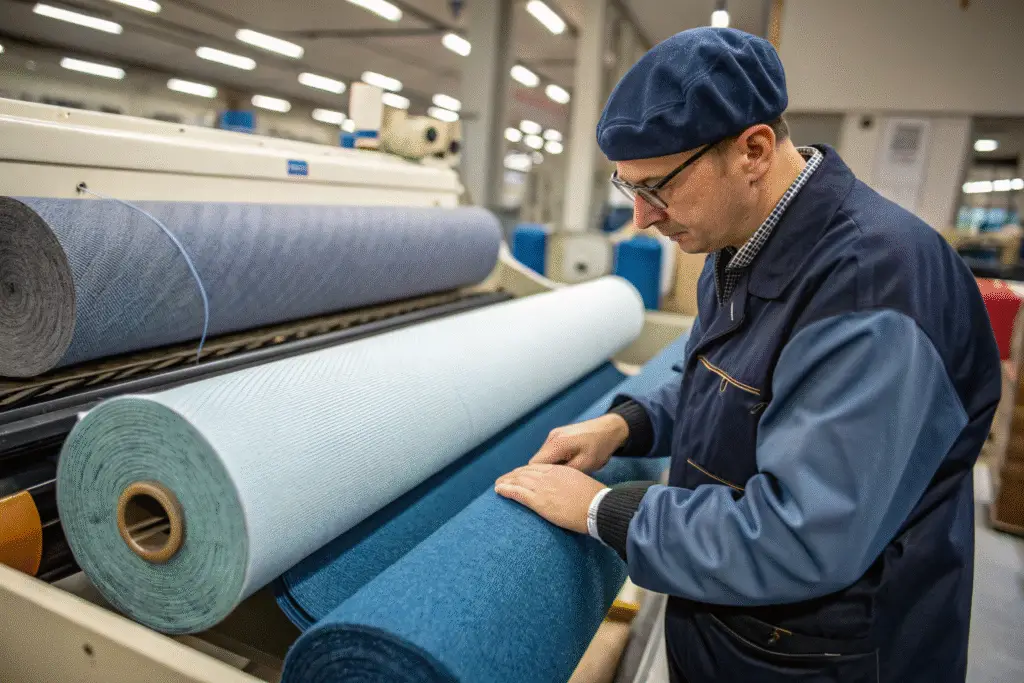
Fabric weight, measured in grams per square meter (GSM), directly influences the perceived quality, durability, and cost of your garments. A heavier fabric typically feels more substantial and lasts longer, but it also costs more. For example, a premium heavyweight t-shirt might use 180-200 GSM fabric, while a standard tee might be 150-160 GSM. It’s a critical specification to discuss with your clothing manufacturer. Lighter weights are suitable for layering pieces or warm-weather apparel, while heavier weights are better for standalone items like hoodies or winter wear. Understanding this balance helps you control your landed cost while still delivering a product that meets your quality standards. Always request fabric samples to feel the weight and texture firsthand before placing a large wholesale order.
What Are the Most Effective Logo Placement Techniques?
Where you put your logo is just as important as the logo itself. Strategic placement maximizes brand visibility and enhances the garment’s design. The goal is to make your branding feel like an integrated part of the product, not an afterthought.
The most effective logo placement techniques are those that align with consumer expectations for your specific garment category while offering a touch of uniqueness. Classic placements, like the left chest for polo shirts or the center back for jackets, are popular for a reason—they work. However, exploring subtle alternate placements can help your brand feel fresh and considered.
Is screen printing or embroidery better for brand identity?
The choice between screen printing and embroidery hinges on your brand’s identity and the garment type. Screen printing is ideal for large, full-color graphics, detailed artwork, and all-over prints on t-shirts and woven shirts. It lays flat on the fabric, offering a modern and seamless look. Embroidery, on the other hand, creates a textured, raised effect that conveys premium quality and durability. It is most commonly used for logos on polo shirts, caps, and outerwear like jackets and coats. For many brands, a mixed-media approach is the best strategy. You might use embroidery for the main chest logo to signal quality and screen printing for a larger back design to showcase more complex artwork.
How can unique placement increase brand recognition?
Moving beyond standard placements can significantly boost your brand’s memorability. Consider a sleeve print, a tagless neck label with printed branding, or a small logo on the bottom hem of a t-shirt. For woven garments like dress shirts, a custom-embroidered inside cuff or a branded collar stay can add a luxurious, discovery-like element. These subtle touches show attention to detail and make the customer feel they are wearing something special. When you partner with a full-package manufacturer, they can provide expert guidance on the technical feasibility and cost implications of these unique placement ideas, ensuring your vision is executed flawlessly.
Why is DDP Shipping Crucial for International Orders?
For U.S. brands sourcing from China, logistics can be a major pain point. Navigating international shipping, customs clearance, and unexpected fees is complex. Choosing the right shipping term is not just a logistical decision; it’s a financial and risk-management one.
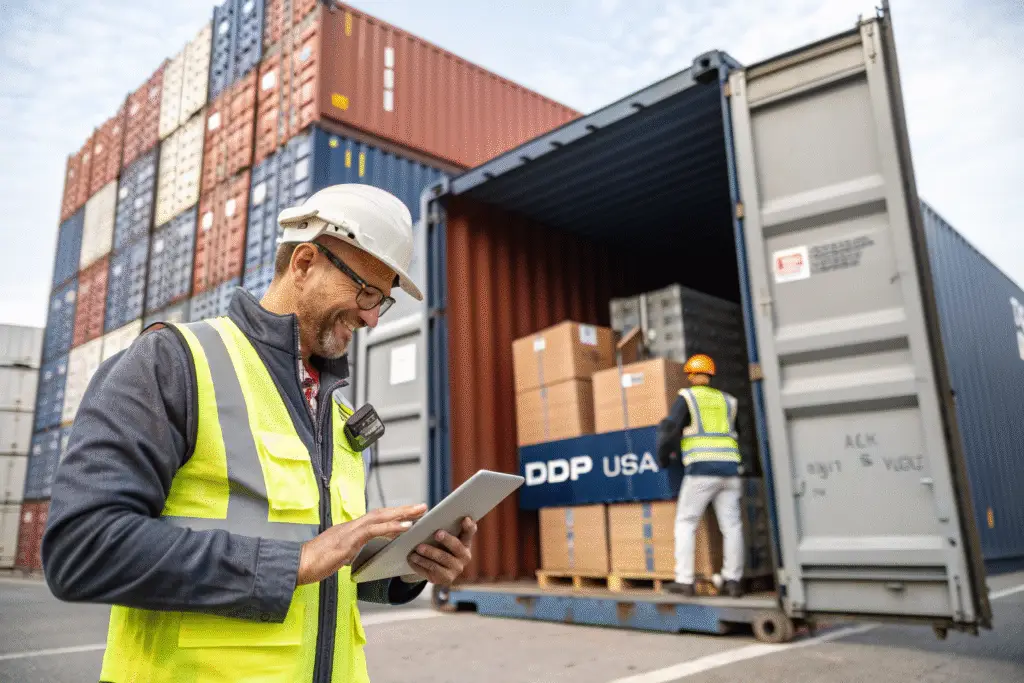
DDP (Delivered Duty Paid) shipping is crucial because it provides cost predictability and simplifies the supply chain for the U.S. buyer. With DDP, the seller (the manufacturer) assumes all responsibility and cost for delivering the goods to your warehouse door in the USA, including all freight, insurance, and import duties. This eliminates surprises and allows you to calculate your exact cost per unit upfront.
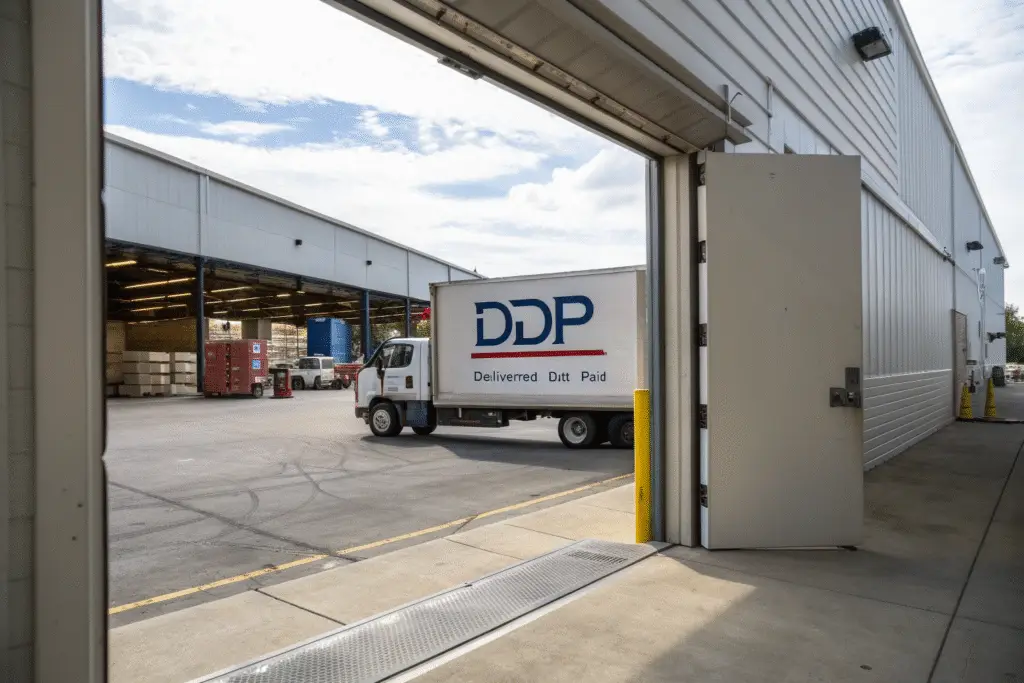
With non-DDP terms like EXW or FOB, the buyer is responsible for arranging and paying for the main freight, customs brokerage, and import duties after the goods leave the factory. This often leads to hidden costs and stressful administrative delays. A DDP supplier manages the entire process. They have the expertise to handle U.S. customs clearance efficiently, which drastically reduces the risk of your shipment being held at the port. This reliability is key to maintaining your product timeline and ensuring you receive your goods in time for your selling season. It turns a complex international shipment into a simple, door-to-door service.
What logistics certifications should your supplier have?
A reliable partner will have verifiable logistics certifications and partnerships. Look for manufacturers who have a proven track record of DDP shipments to North America. While not a single certificate, membership in international trade organizations or partnerships with major global freight forwarders are strong indicators of logistics capability. Furthermore, a manufacturer with a strong focus on quality control will often have audit reports that vouch for their operational excellence. This end-to-end control, from the production line to your delivery dock, is what makes a supplier a true partner rather than just a vendor.
How to Ensure Quality Control in Wholesale Manufacturing?
Quality is non-negotiable. One bad batch can damage your brand’s reputation and erode customer trust. For business owners like Ron, who are sensitive to quality, a rigorous and transparent QC process is the most critical part of the partnership.
Ensuring quality control in wholesale manufacturing requires a multi-stage inspection system implemented by the factory, coupled with clear communication of your standards. It’s about building checks into the process from raw material to finished goods, not just inspecting the final product before shipment.
What are the key stages of garment quality inspection?
A professional quality assurance process happens in three key phases. First is the Pre-Production Inspection, which checks incoming fabrics and trims against your approved standards. Second is the During Production Inspection (DUPRO), which occurs when 20-30% of the order is complete. This allows for mid-course corrections to stitching, sizing, or assembly issues. Finally, the Final Random Inspection (FRI) is performed on finished, packed goods. A statistically significant sample is checked for defects in workmanship, labeling, packaging, and overall appearance. This structured approach catches problems early, saving time and money.
Beyond product quality, verifying your supplier’s social compliance is essential for brand integrity. Certificates like BSCI or SMETA audit the factory’s working conditions, ensuring ethical practices. Reputable manufacturers will provide valid, verifiable certificates. Be wary of suppliers who are hesitant to share this information, as falsification of certificates is a known pain point. Partnering with a factory that prioritizes ethical manufacturing not only protects your brand but also contributes to a more stable and reliable production environment, reducing the risk of disruptions.
Conclusion
Choosing the best customization options for your wholesale clothing is a strategic process. It involves selecting the right fabric, applying your branding effectively, securing your supply chain with DDP shipping, and insisting on rigorous quality control. Each of these elements contributes to creating a final product that strengthens your brand and delights your customers. By understanding these core options, you can move forward with confidence, making decisions that balance creativity, cost, and quality.
We at Fumao Clothing are dedicated to being more than just a manufacturer; we are your partner in bringing your apparel visions to life. We offer the full-package services, proven expertise, and reliable delivery you need to succeed in the competitive U.S. market. If you’re ready to discuss your next custom clothing order, we invite you to contact our Business Director, Elaine, at elaine@fumaoclothing.com. Let’s build something great together.