As a U.S. apparel brand owner, you know consumer demand for sustainable fashion is exploding. But navigating the shift to eco-friendly production can feel overwhelming, especially when managing complex global supply chains. You need a strategy that is both genuinely green and commercially viable, without compromising on quality or delivery timelines. This guide will show you practical, actionable steps to integrate sustainability into your clothing line, drawing from our direct experience as a manufacturer deeply committed to these principles.
Transitioning your clothing line to eco-friendly practices is a strategic process that involves selecting certified sustainable materials, implementing ethical manufacturing processes, optimizing transparent and green logistics, and building a credible brand story around your sustainability efforts. It requires a committed partnership with a manufacturer who shares your values and possesses the technical expertise to turn your vision into a market-ready product. This journey not only benefits the planet but also strengthens your brand's position in a competitive market.
Let's explore the key areas where you can make a significant and authentic impact, transforming your brand into a leader in the sustainable fashion space.
How to Source Sustainable Fabrics and Materials?
Choosing the right materials is the first and most crucial step in building an eco-friendly clothing line. The foundation of any garment is its fabric, and this decision impacts the entire product lifecycle, from resource consumption to end-of-life. By starting with sustainable raw materials, you set a strong, credible foundation for your entire collection.
To source sustainable fabrics, focus on materials with recognized certifications like GOTS for organic cotton or recycled polyester. Partner with a manufacturer that has established relationships with certified mills and can provide transparent traceability for all raw materials. This ensures the integrity of your supply chain from the very beginning. We help our clients navigate this complex landscape, connecting them with trusted suppliers of organic, recycled, and innovative low-impact fabrics.

What Are the Best Certified Sustainable Fabrics?
The "best" fabric often depends on your brand's specific needs, but several certified options lead the market. Organic cotton, certified by the Global Organic Textile Standard (GOTS), is a popular choice because it's grown without toxic pesticides and uses less water than conventional cotton. Another excellent option is recycled polyester, often made from post-consumer plastic bottles, which reduces waste and energy consumption. Fabrics like Tencel™ Lyocell, derived from sustainably sourced wood pulp, are also gaining traction for their closed-loop production process that recycles water and solvents. When you work with us, we provide a curated selection of these certified materials, complete with their documentation, so you can make an informed choice that aligns with your brand's values and budget.
How Can You Verify Material Sustainability Claims?
Verifying sustainability claims is critical to avoid greenwashing. The most reliable method is to insist on third-party certifications. Look for certificates from OEKO-TEX®, which tests for harmful substances, or the Recycled Claim Standard (RCS), which verifies recycled content. A transparent manufacturer will not only provide these certificates but also facilitate traceability. For instance, we maintain a digital record for major orders, allowing our clients to see the journey of their fabric from the mill to our cutting room. This level of supply chain transparency is essential for building trust with your customers and ensuring your claims are legitimate.
How to Reduce Environmental Impact in Manufacturing?
Once sustainable materials are sourced, the next step is to ensure the manufacturing process itself minimizes environmental harm. This involves energy consumption, water usage, and chemical management within the factory. A true eco-friendly product is born from a responsible production facility.
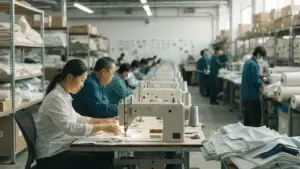
Reducing manufacturing impact involves adopting water-saving technologies, using low-impact dyes, and implementing energy-efficient systems in the factory. It's about a continuous improvement mindset, where waste is minimized at every stage of production. We have invested in modern machinery and trained our teams specifically to uphold these standards, ensuring that the making of your garment is as clean as the materials it's made from.

What Are Key Green Manufacturing Techniques?
Key techniques focus on resource efficiency. In our facility, we have implemented:
- Water Recycling Systems: Especially in dyeing and washing, we treat and reuse water.
- Energy-Efficient Machinery: Our newer sewing and knitting machines consume less electricity.
- Low-Impact Dyes: We utilize dyes that require less water and fix to fabric more efficiently, reducing runoff.
- Cutting Room Waste Reduction: We use advanced pattern-making software to optimize fabric layout, dramatically reducing waste. This scrap fabric is then collected for recycling into new materials or other products, moving us closer to a circular model.
How to Manage Chemical Usage and Waste?
Proper chemical management is non-negotiable. We adhere to the ZDHC (Zero Discharge of Hazardous Chemicals) Manufacturing Restricted Substances List (MRSL). This means we only use approved, safer chemicals in our processes. Furthermore, we have a strict waste management protocol that segregates and disposes of any chemical waste responsibly through licensed partners. We provide our clients with detailed reports on our chemical compliance, giving you the confidence that your products are made safely for both the environment and the end-wearer.
How to Optimize Eco-Friendly Packaging and Logistics?
The journey of your garment doesn't end at the factory. Packaging and shipping are major sources of waste and carbon emissions. Optimizing this final leg is essential for a fully integrated sustainable supply chain.
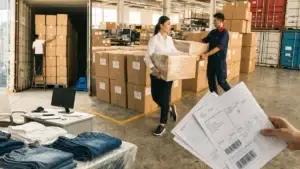
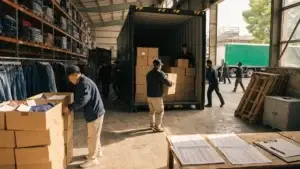
Optimizing for eco-friendliness means shifting to recycled and recyclable packaging materials and consolidating shipments to reduce carbon footprint. Choosing a supplier that offers DDP (Delivered Duty Paid) service ensures they manage this complex logistics chain efficiently and transparently. We have streamlined this for our U.S. clients, using minimalist packaging from sustainable sources and working with logistics partners to optimize container space and select greener shipping options.

What Are Sustainable Packaging Alternatives?
The goal is to eliminate single-use plastics. We have successfully transitioned to:
- Recycled Cardboard: For hangtags and boxes.
- Biodegradable Poly Bags: Instead of conventional plastic for garment protection.
- Paper Tape and Stickers: For sealing cartons.
We also work with brands to design a "unboxing experience" that is both brand-positive and environmentally conscious, often reducing the overall amount of packaging material used without compromising product quality during transit.
How to Green Your Shipping and Fulfillment?
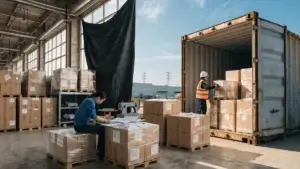
Consolidation is key. By producing in larger, well-planned batches and consolidating orders, we fill containers more efficiently, which reduces the number of shipments and the associated emissions per garment. Our DDP (Delivered Duty Paid) service model is a major advantage here. We handle the entire logistics process, allowing us to make centralized, data-driven decisions that optimize routes and carriers. This not only reduces the administrative burden on you but also gives us the control to implement greener logistics practices from our door to your warehouse.
How to Build a Marketing Strategy Around Sustainability?
A genuine sustainability effort deserves a powerful and authentic story. Communicating your journey effectively builds brand loyalty and connects with the values of your target audience. However, this marketing must be rooted in real, verifiable actions.
Building a marketing strategy around sustainability requires transparency and storytelling. Share your journey, the specific steps you're taking, and the partnerships you've formed, like working with a certified green manufacturer. Use certifications as proof points to back up your claims. We support our clients by providing the necessary documentation and content—from factory photos to certification details—that helps them tell a compelling and honest story to their customers.

How to Communicate Your Eco-Journey Authentically?
Avoid vague terms like "green" or "eco-friendly" without context. Instead, be specific. You can say, "Our new t-shirt line is made in a Fair Trade Certified facility using GOTS organic cotton and low-impact dyes." Share the story behind your manufacturer—why you chose to partner with us and the concrete environmental practices we employ together. This builds a narrative of partnership and deep commitment, which resonates more strongly with consumers than a simple product claim.
What Are the Pitfalls of Greenwashing in Fashion?
Greenwashing—making misleading environmental claims—is a significant risk that can destroy brand credibility. The biggest pitfall is making a claim you cannot substantiate. For example, calling a product "100% sustainable" is nearly impossible to prove. Instead, focus on your specific, verifiable achievements. Use the recognized certifications we discussed earlier as your guide for what to communicate. By being transparent about both your progress and your ongoing challenges, you build trust and show that your commitment is real and evolving.
Conclusion
Implementing eco-friendly practices in your clothing line is no longer a niche trend but a business imperative. It's a comprehensive journey that spans from your initial material selection through manufacturing and all the way to the customer's doorstep. This process requires a strategic, committed approach and, most importantly, the right manufacturing partner who possesses the expertise, transparency, and shared values to guide and execute your vision. By taking these steps, you not only contribute positively to the environment but also future-proof your brand, build deeper consumer trust, and create a powerful point of differentiation in the market.
If you are ready to transform your apparel line with genuine, implementable eco-friendly practices, we should talk. Let's partner to build a collection that is both beautiful and responsible. For a direct conversation on how we can help, please contact our Business Director, Elaine, at elaine@fumaoclothing.com.