As a parent and a clothing manufacturer, I know kids are tough on their clothes. Stains, spills, and endless play put every garment to the test. You need clothes that can keep up with your child's energy without falling apart after a few washes. This is a constant challenge for brands aiming to deliver value.
The best materials for durable kids' wear are those that combine strong fibers with smart fabric construction. Cotton, especially combed and ring-spun cotton, is a top contender for its softness and strength. Polyester blends and fabrics like corduroy also offer exceptional resistance to wear and tear, ensuring clothes last through multiple children. The key is selecting the right fabric for the right garment type.
Choosing the wrong material can lead to unhappy customers and returns. Let's explore the best fabric choices to ensure the kids' clothing you source or create stands the test of time and active play.
What is the most durable fabric for children's clothing?
When sourcing kids' wear, durability is non-negotiable. From my experience running a garment factory, the answer often comes down to a few trusted workhorse materials that withstand the rigors of childhood.
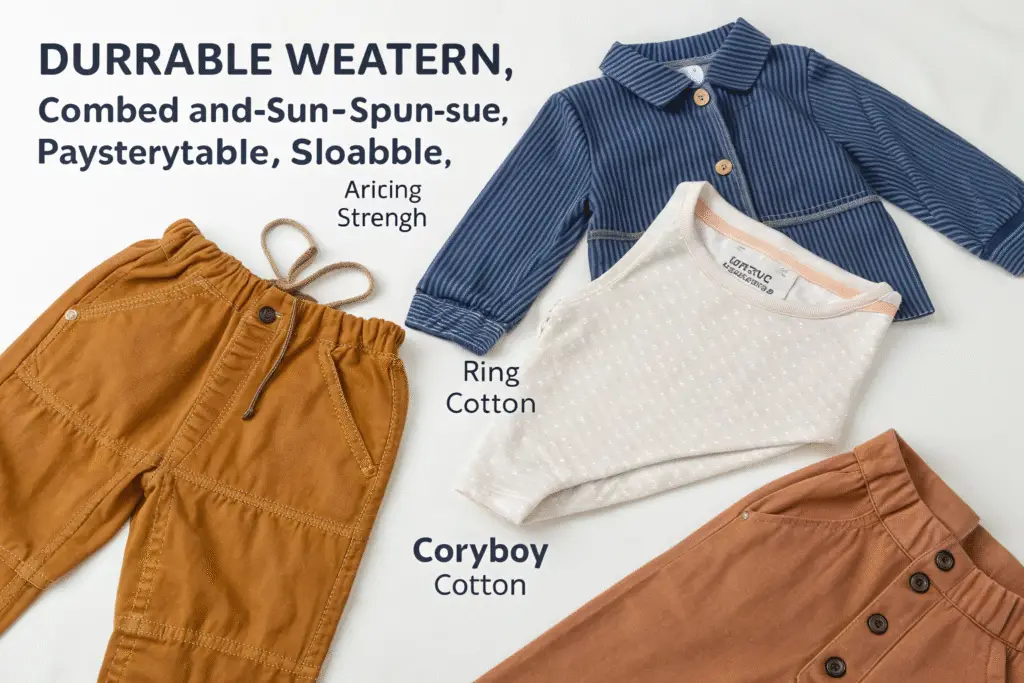
The most durable fabric for children's clothing is, without a doubt, high-quality cotton. Specifically, fabrics like combed cotton and ring-spun cotton offer a superior balance of softness and strength. These processes create a finer, stronger yarn that is less likely to pill or break. For even more resilience, cotton blended with synthetic fibers like polyester creates a fabric that resists shrinking, fading, and wrinkles, making it a practical choice for school uniforms and everyday playwear.
Why is cotton a top choice for durable kids' wear?
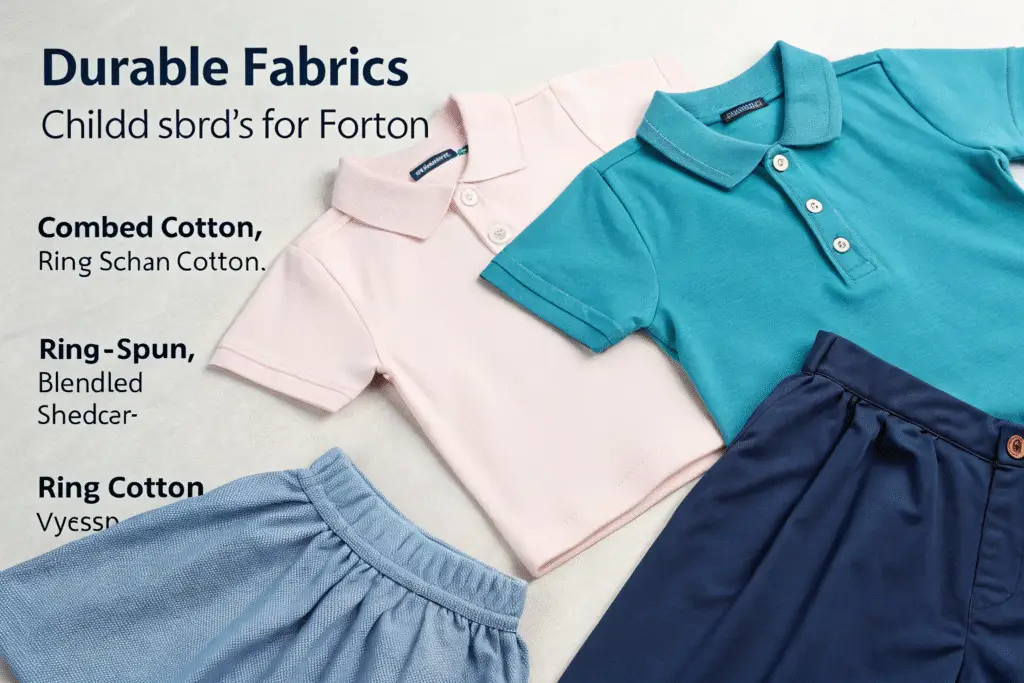
Cotton is a natural fiber beloved for its breathability and comfort, but not all cotton is created equal. For durability, the construction matters. Combed cotton is processed to remove shorter fibers and impurities, resulting in a smoother, stronger yarn that produces a more durable fabric. This is crucial for kids' wear that undergoes frequent washing. Furthermore, the Global Organic Textile Standard ensures that organic cotton is produced with high environmental and social criteria, but the certification itself doesn't automatically mean the fabric is weaker or stronger; it's the yarn quality and weave that determine durability. For brands focused on value, specifying combed or ring-spun cotton to your manufacturer ensures a longer-lasting product that parents will appreciate.
How do fabric weaves and knits impact longevity?
The way a fabric is constructed is as important as the fiber itself. A tight weave or knit dramatically enhances a garment's ability to resist tearing and abrasion. For instance, a jersey knit is flexible and comfortable for t-shirts, but a interlock knit is often thicker and more durable, making it ideal for premium kids' items. For woven items like pants and jackets, twill weaves (like denim or chino) are exceptionally tough because the diagonal rib pattern distributes stress more effectively than a plain weave. When you work with a reliable clothing manufacturer, they can advise on the best fabric construction for your specific product line, ensuring your designs are not only cute but also built to last.
How to choose breathable yet sturdy materials for kids?
Finding the sweet spot between breathability and sturdiness is key to customer satisfaction. Parents want clothes that are comfortable for all-day wear but can also survive playground adventures.
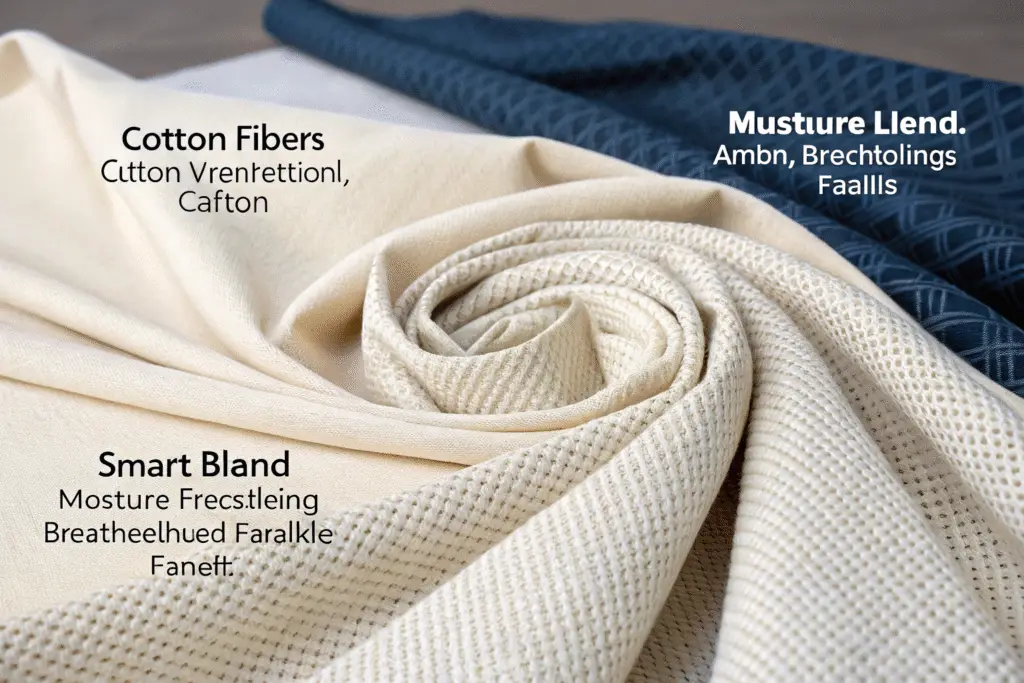
The best approach is to look for natural fibers or smart blends. Cotton remains the gold standard for breathability, as its fibers allow air to circulate, keeping children cool and dry. For sturdiness, a cotton-polyester blend is a masterful solution. The cotton provides breathability and softness, while the polyester adds tensile strength and color retention. Another excellent option is linen, which is highly breathable and surprisingly strong, though it can wrinkle easily. For activewear, moisture-wicking fabrics that incorporate breathable mesh panels offer both ventilation and durability.
What are the best fabric blends for active children?
For kids who are always on the move, fabric blends are your best friend. A classic 50/50 cotton-polyester blend is a workhorse for a reason. It is less prone to shrinking and fading than 100% cotton, and it holds its shape well after repeated washes. When you need performance, look to fabrics used in activewear. These are engineered to be lightweight, breathable, and resistant to abrasion from sports equipment. They also dry quickly, which is a huge plus for parents. Sourcing these technical fabrics requires a supplier with expertise in performance apparel to ensure quality and consistency.
Why is fabric weight and thread count important?
Beyond the fiber type, the weight of the fabric (measured in GSM - grams per square meter) is a critical indicator of durability. A heavier GSM generally means a more robust fabric. For example, a kids' t-shirt around 180-200 GSM will be much more durable than one at 130 GSM. Similarly, for woven fabrics, a higher thread count often indicates a tighter, denser, and more durable weave. However, balance is essential; a very high thread count sheet may be less breathable. A good manufacturer will help you select the optimal fabric weight and construction for each garment type, ensuring it is both sturdy and appropriate for the season and activity.
What kids wear materials are easiest to maintain?
Low maintenance is a major selling point for busy parents. Easy-care fabrics reduce stress and extend the life of the garment, which directly translates to brand loyalty.
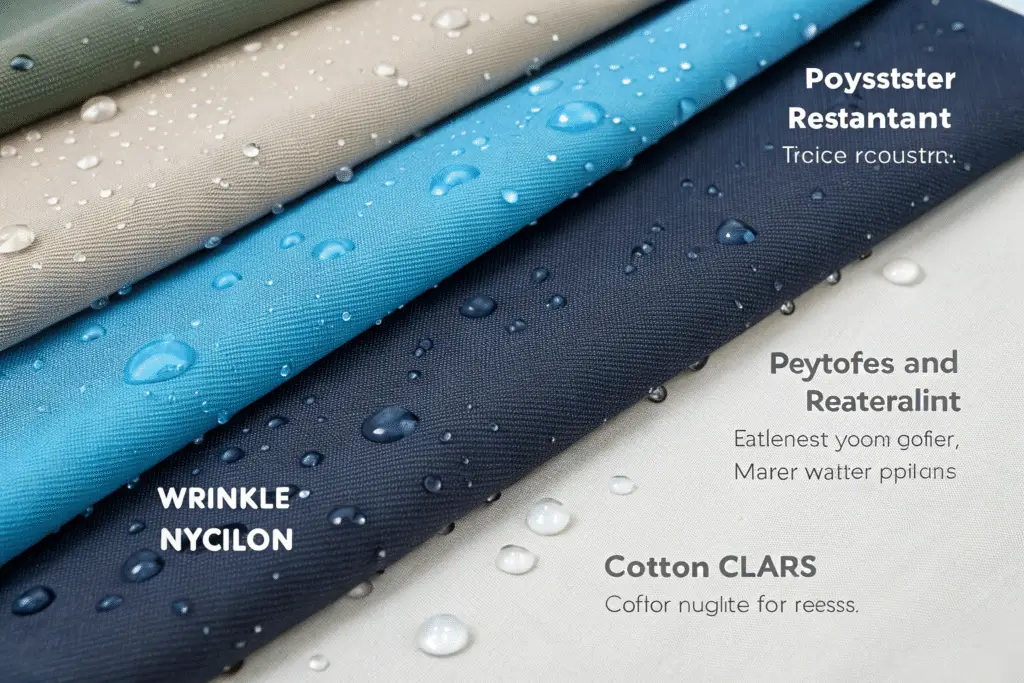
The easiest materials to maintain are those that resist wrinkles, stains, and shrinkage. Polyester and nylon are champions in this category. They are inherently wrinkle-resistant and hold their color vibrantly through many washes. Cotton-polyester blends inherit these easy-care properties while feeling softer against the skin. For outerwear, materials with a Durable Water Repellent finish cause water to bead up and roll off, making spills easy to wipe away. Furthermore, fabrics with tight weaves are less likely to snag and are easier to treat with stain-release sprays.
How does fabric choice affect stain resistance and washing?
Stain resistance is a top priority. Synthetic fibers like polyester are less absorbent than cotton, giving you more time to treat a spill before it sets. Fabrics with a smooth surface, like a sateen weave, also release stains more easily than rough textures. When it comes to washing, colorfastness is crucial. A key part of our quality control process is testing for color bleeding and shrinkage. We ensure that the dyes and fabrics we use can withstand standard washing and drying cycles without fading or deforming. This reliability is what builds trust between a brand and its customers.
What role do fabric finishes play in maintenance?
Modern fabric finishes can dramatically improve a garment's performance and ease of care. For example, a Teflon or similar stain-resistant finish creates an invisible barrier on the fabric, causing liquids to pool on the surface instead of being absorbed. Anti-pill finishes reduce the formation of those annoying little fuzz balls on sweaters and sweatshirts, keeping clothes looking newer for longer. When discussing your order with a manufacturer, inquire about available finishes. A supplier with strong product development capabilities can apply these treatments to make your kids' clothing line more appealing to practical-minded parents.
Are sustainable materials durable for everyday kids' wear?
Today's consumers are increasingly eco-conscious, but they will not compromise on durability. The good news is that sustainability and longevity often go hand-in-hand.
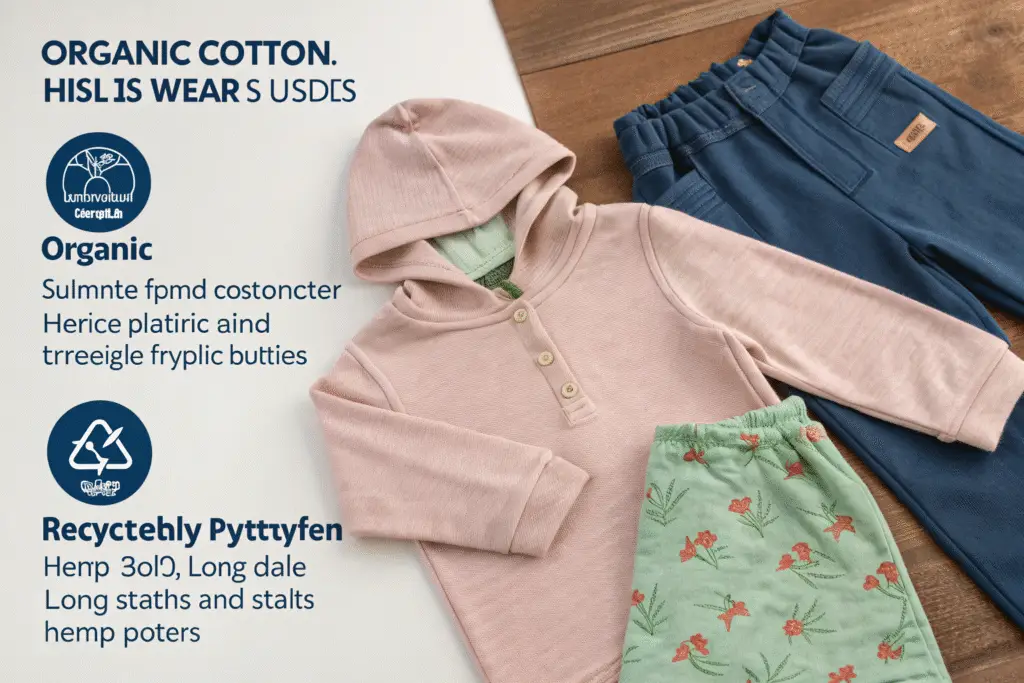
Yes, many sustainable materials are exceptionally durable for kids' wear. Organic cotton, when made with high-quality, long-staple fibers and robust construction, is just as durable as conventional cotton. Recycled polyester, made from post-consumer plastic bottles, possesses the same strength and durability as virgin polyester. Hemp is another fantastic sustainable fiber; it is naturally strong, abrasion-resistant, and becomes softer with each wash. Choosing durable sustainable materials is a powerful way to align with your customers' values while delivering the product performance they expect.
How does the durability of recycled materials compare?
Recycled materials have come a long way. Recycled polyester (rPET) is virtually identical in performance to its virgin counterpart. It offers the same excellent durability, wrinkle resistance, and color retention. The process of recycling does not degrade the strength of the polymer chains. Similarly, recycled nylon is a strong and resilient material often used in activewear. Sourcing these materials from a supplier with strong ethical manufacturing practices ensures that the environmental benefits are genuine and the final product meets high-quality standards.
What certifications should I look for in durable sustainable fabrics?
Certifications provide a verifiable claim to your sustainability efforts. For durability within the sustainable space, look for certifications that also imply quality. The Global Recycled Standard verifies the recycled content in a product, ensuring you get what you pay for. While OEKO-TEX Standard 100 certifies that a textile is free from harmful substances, it is often a marker of a manufacturer that pays attention to detail and quality control, which correlates with better-made, more durable garments. Partnering with a factory that holds these certifications simplifies your sourcing process and builds a trustworthy narrative for your brand.
Conclusion
Choosing the right materials for kids' wear is a strategic decision that impacts customer satisfaction, brand reputation, and repeat business. Durability, breathability, easy maintenance, and sustainability are not mutually exclusive. By focusing on high-quality cotton, intelligent fabric blends, sturdy constructions, and certified sustainable options, you can build a kids' clothing line that parents trust and children love to wear. As a manufacturer, we see firsthand how the right fabric choice leads to fewer returns and happier customers.
Your brand deserves a manufacturing partner that understands these nuances. Let us help you navigate these choices to create kids' wear that stands out in the competitive market. For a partnership that prioritizes quality and reliability, contact our Business Director Elaine to discuss your next clothing order at elaine@fumaoclothing.com.