Finding reliable plus size clothing manufacturers can feel like a daunting task. The market demands both style and quality, and sourcing partners who understand this balance are key. Many brands struggle to find suppliers who offer trendy designs, consistent sizing, and dependable delivery for their plus size lines. This process is crucial for meeting the needs of a diverse and growing customer base.
Sourcing trendy plus size women's clothing requires a strategic partner that excels in design adaptation, quality fabric sourcing, inclusive sizing, and reliable, transparent production. The right manufacturer will help you navigate the specific challenges of the plus size segment, turning them into a competitive advantage for your brand. A true partner ensures your designs are not only fashionable but also comfortable, flattering, and built to last.
Let's explore the key strategies to successfully source trendy plus size apparel that will delight your customers and drive your brand's growth.
How to find a reliable plus size clothing manufacturer?
Identifying a manufacturer who is both reliable and skilled in plus size garment construction is the critical first step. It goes beyond just checking a factory's website. You need a partner with a proven track record in this specific niche, one who understands the nuances of scaling patterns and selecting flattering fabrics.
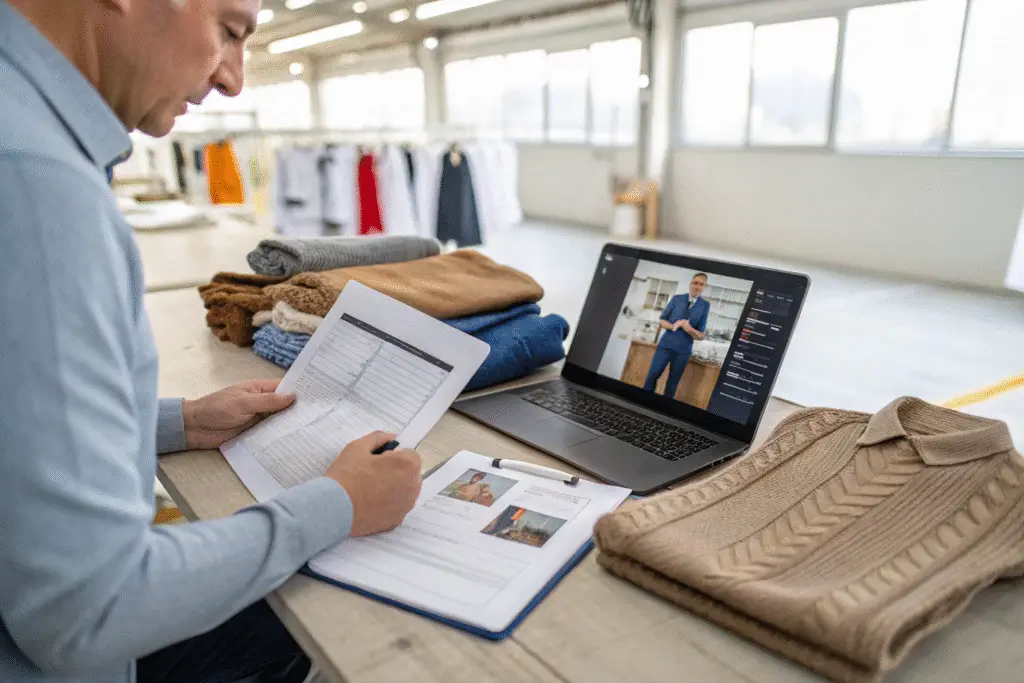
The most reliable manufacturers will have a dedicated portfolio showcasing their plus size work. They should be able to provide references and evidence of their experience with similar brands. Look for suppliers who are transparent about their process and have certifications that verify their quality and ethical standards. A reliable partner communicates clearly and sets realistic expectations from the start.
What certifications should you look for?
Certifications are a clear indicator of a factory's commitment to quality and social responsibility. For plus size clothing, where fabric durability and construction are paramount, certain standards are non-negotiable. Look for manufacturers that hold OEKO-TEX® or Global Organic Textile Standard (GOTS) certifications for their fabrics, ensuring they are free from harmful substances and produced sustainably. These certifications provide peace of mind regarding material quality.
On the production side, audits like the Social & Labor Convergence Program (SLCP) or those from Amfori BSCI demonstrate a factory's ethical treatment of its workers. This is increasingly important to today's consumers. Furthermore, factories with a robust ISO 9001 quality management system are more likely to deliver consistent, high-quality products batch after batch. Always ask for proof of these certifications.
How can you verify a manufacturer's plus size experience?
Verifying a manufacturer's expertise requires a proactive approach. First, request a detailed lookbook or portfolio of their previous plus size collections. This allows you to assess their design capability and finishing quality. Second, ask for specific client references, preferably from other U.S. or European brands they have supplied. A confident manufacturer will gladly connect you.
| Verification Method | What It Tells You |
|---|---|
| Sample Evaluation | Assesses fit, fabric quality, stitching, and overall finish. |
| Factory Audit Report | Confirms production capacity, working conditions, and equipment. |
| Visit Their Facility | Provides a firsthand view of their operations and quality controls. |
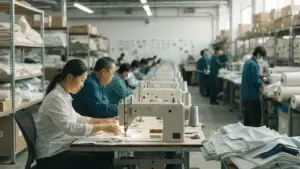
Finally, if possible, plan a visit to their facility. There is no substitute for seeing their production lines and quality control processes in person. This due diligence ensures they have the technical skill and equipment to handle the specific pattern-making and grading required for plus size apparel, preventing costly errors down the line.
What are the key design elements for trendy plus size apparel?
Designing for the plus size market requires a thoughtful approach that prioritizes both style and fit. Trendy is not just about applying the latest fashion to larger sizes; it's about adapting those trends to flatter and celebrate diverse body shapes. The goal is to create clothing that makes the wearer feel confident and stylish.
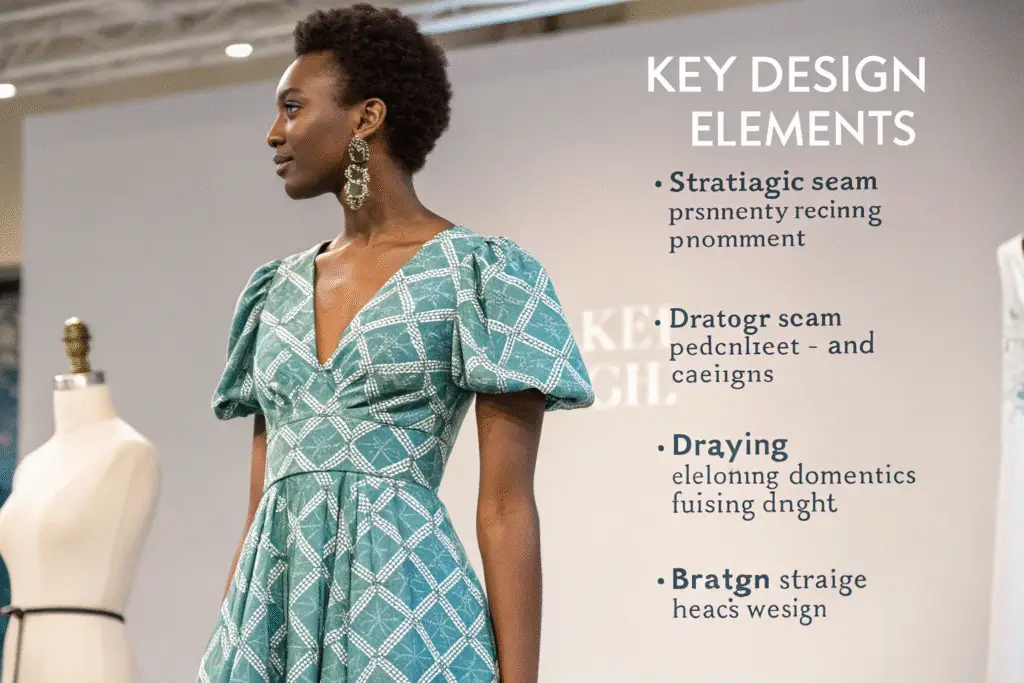
Key design elements include strategic seam placement, the use of draping and ruching to create shape, and selecting necklines that balance proportions. Incorporating elements like A-line silhouettes, empire waists, and vertical details can be incredibly flattering. The choice of prints is also important; while all-over prints are popular, their scale must be carefully considered to ensure they enhance the garment.
How to choose flattering fabrics and prints?
The foundation of any great plus size garment is its fabric. The material must have the right weight, drape, and recovery to be both comfortable and shape-retaining. We recommend fabrics with a bit of stretch, such as premium cotton-spandex blends or sturdy double knit fabrics, which offer comfort and ease of movement without losing their form.
For prints, the rule is to consider scale and placement. Large, bold prints can be stunning if placed correctly, while smaller, all-over patterns are often a safe and trendy choice. Avoid stiff, bulky fabrics that add unnecessary volume. Instead, opt for materials that skim the body. The right fabric choice, combined with expert pattern grading, is what separates a good plus size garment from a great one.
Why is inclusive pattern grading crucial?
Inclusive pattern grading is the technical backbone of well-fitting plus size clothing. It is the process of creating a full size range from a base pattern, and it requires more than just uniformly increasing measurements. Poor grading leads to garments that are boxy, tight in the wrong places, or simply unflattering.
Expert graders understand how a woman's body changes with size. They adjust armholes, necklines, and darts to ensure the garment's proportions remain balanced. This attention to detail ensures that a Large and a 3XL are both equally stylish and comfortable. Proper fit development is an iterative process involving multiple fit samples to perfect the block patterns, guaranteeing consistency across your entire collection.
How to ensure quality control in plus size garment production?
Quality control in plus size apparel is not just a final inspection; it's a philosophy integrated into every stage of production. The stresses on seams and fabrics are different in larger sizes, so your quality standards must be adapted and rigorously enforced. A single poorly made garment can damage your brand's reputation.
A comprehensive QC process starts with incoming fabric inspection, continues with in-line checks during cutting and sewing, and ends with a final random inspection of finished goods. For plus size, pay extra attention to seam strength, stitch density, and the durability of zippers and elastics. Consistent quality is what builds long-term trust with your customers.
What are the critical checkpoints during inspection?
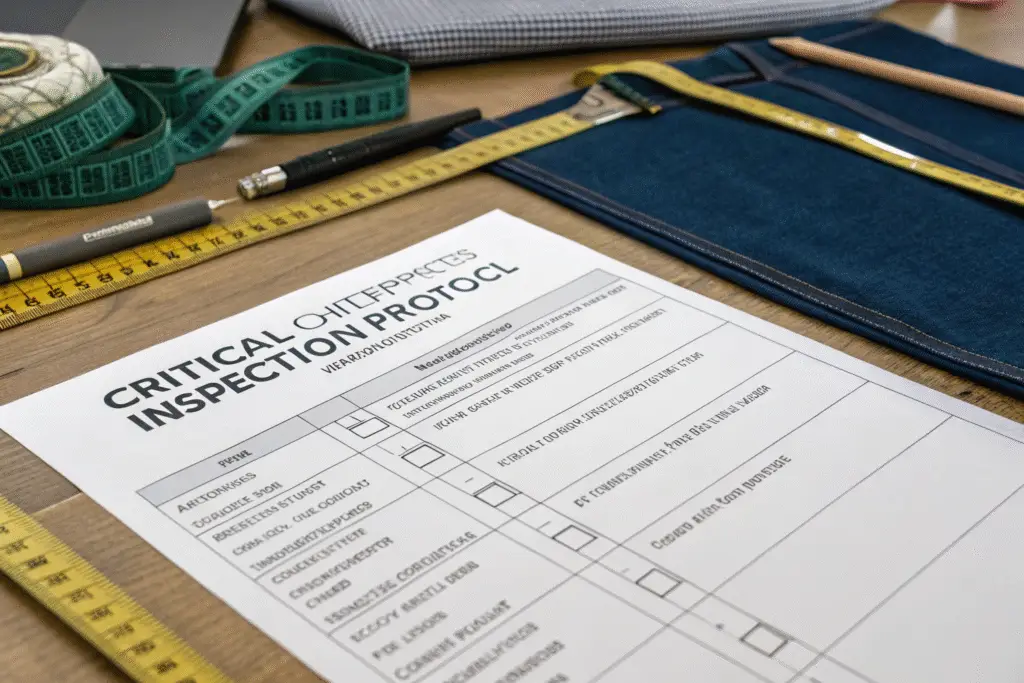
A detailed inspection protocol is your best defense against subpar products. Critical checkpoints for plus size garments include reinforcing stress points like armholes and side seams. Inspectors should also verify that all measurements align with the approved size chart tolerances, ensuring consistency across the entire production run.
Another key area is fabric flaws. Every panel should be checked for defects before cutting. During the final inspection, focus on the finish: are buttons and rivets secure? Is the garment free of loose threads? Is the print or embroidery aligned correctly? Using a detailed quality control checklist that is tailored to plus size construction ensures nothing is missed.
How to establish clear quality standards with your supplier?
Establishing clear quality standards begins with a detailed Tech Pack. This document should include not just designs and measurements, but also explicit instructions on stitch types, seam allowances, and fabric performance. Provide your manufacturer with approved gold seal samples that physically represent your expected quality level.
Communication is key. Hold a pre-production meeting to walk through every detail of the Tech Pack and sample. Agree on an Acceptable Quality Limit (AQL) for final inspection, which is a standardized sampling procedure to determine if the entire batch meets your requirements. This proactive alignment prevents misunderstandings and ensures you both are working towards the same quality goal.
What is the most efficient logistics model for US import?
Choosing the right logistics model is essential for getting your trendy plus size collections to market on time. Delays can mean missing crucial selling seasons, directly impacting your profitability. The efficiency of your supply chain is a major competitive advantage, especially in the fast-paced fashion industry.
For U.S. importers, Delivered Duty Paid (DDP) is often the most efficient and hassle-free model. Under DDP, your manufacturer handles the entire process—shipping, customs clearance, and duties—until the goods are delivered to your warehouse door. This simplifies your logistics, provides cost certainty, and reduces your administrative burden.

Why choose DDP for your clothing imports?
Opting for DDP Incoterms offers significant benefits. It transfers the risk and complexity of international shipping from you to your supplier. You get a single, all-inclusive price, so there are no surprise fees for customs duties, taxes, or port charges. This model is ideal for brands that want to focus on marketing and sales rather than navigating international trade regulations.
A reliable manufacturer with experience in U.S. exports will have established partnerships with freight forwarders and a deep understanding of U.S. Customs and Border Protection requirements. This expertise ensures smooth clearance and timely delivery. By managing the logistics, we help our partners avoid the common pitfall of delayed shipments, protecting their selling seasons.
How to plan for shipping and avoid delays?
Proactive planning is the key to avoiding shipping delays. Start by building a realistic production timeline with your manufacturer that includes buffer time for potential setbacks. You should confirm the shipping schedule well in advance, considering factors like Chinese holidays, peak seasons, and potential port congestion.
Maintain open communication with your supplier for regular updates. A professional manufacturer will provide you with a detailed production schedule and keep you informed of any issues. They should also help you choose the most reliable shipping method, whether by sea or air, based on your timeline and budget. This collaborative planning ensures your trendy plus size clothing arrives when you need it.
Conclusion
Sourcing trendy plus size women's clothing successfully hinges on a strategic partnership with a manufacturer that truly understands the niche. It requires a focus on reliable production, thoughtful design adapted for fit, rigorous quality control, and a streamlined logistics model. By prioritizing these elements, you can build a strong, profitable plus size collection that resonates with your customers and stands out in the competitive market.
The entire process, from initial design to final delivery, should be seamless and transparent. Finding a manufacturer who acts as an extension of your team is invaluable. If you are looking for a dependable partner to bring your high-quality, trendy plus size apparel visions to life, we are here to help. For a discussion on how we can support your brand's growth, please contact our Business Director Elaine at elaine@fumaoclothing.com.