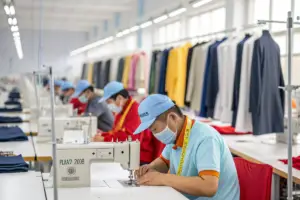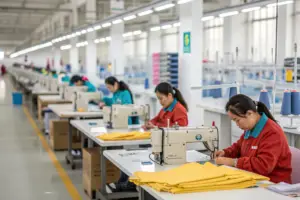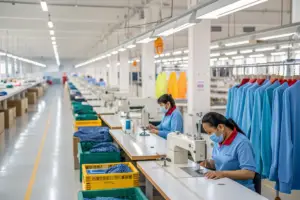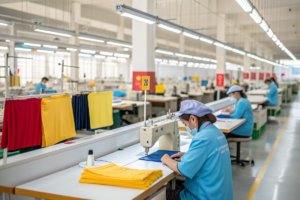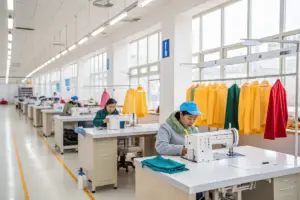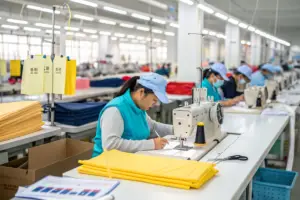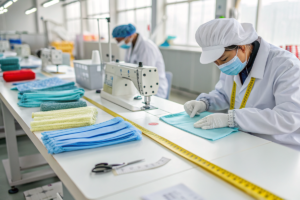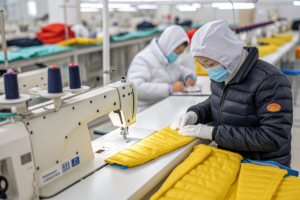
Starting a private label clothing line is an exciting venture for any apparel brand. You have the vision and the market, but the path from idea to a profitable collection can seem complex. Many brand owners struggle with finding a manufacturing partner who can deliver on quality, price, and, most importantly, reliability. This guide will demystify the process and show you how a strategic partnership with the right manufacturer is the cornerstone of success.
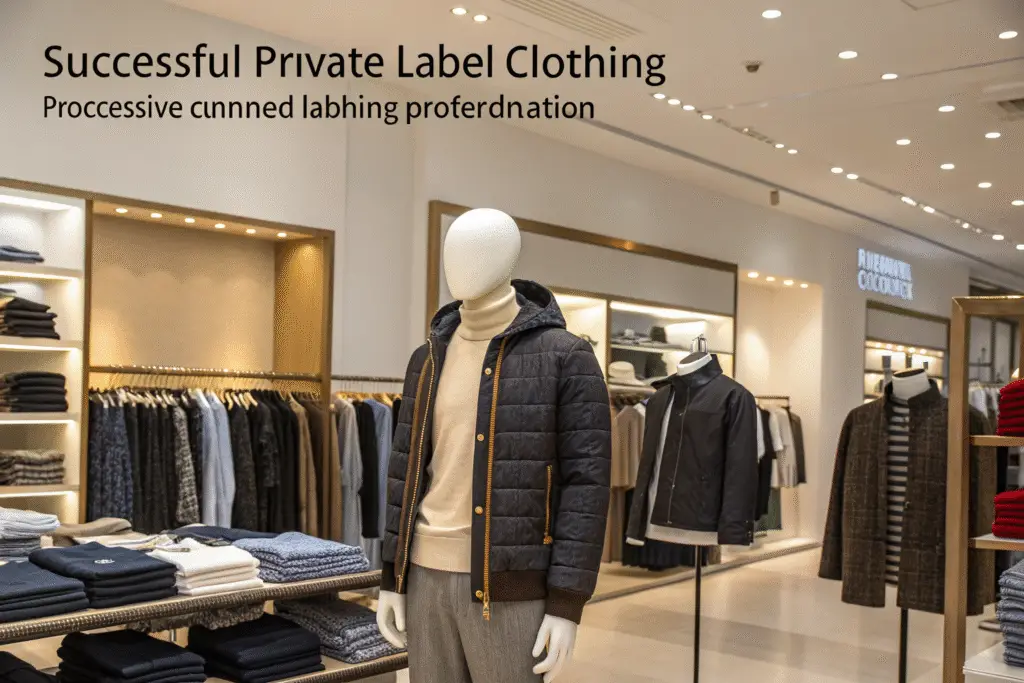
A successful private label clothing line requires a clear brand identity, a deep understanding of your target market, high-quality product development, and a reliable manufacturing partner to bring your vision to life efficiently and profitably. The journey involves meticulous planning, from initial design to final delivery, and choosing a manufacturer that offers full-package services can significantly streamline your operations and mitigate risks.
The allure of launching your own clothing brand is undeniable. However, the reality of production delays, communication breakdowns, and quality inconsistencies can quickly turn that dream into a headache. This article will walk you through the essential steps, providing a clear roadmap to navigate the complexities of private label apparel manufacturing. By the end, you will be equipped with the knowledge to build a thriving brand.
What Are The First Steps In Developing A Private Label Clothing Line?
The first steps are all about laying a solid foundation. Before you even think about production, you must define your brand's core identity and understand the market you are entering. Rushing this phase often leads to costly mistakes down the line. A clear strategy at the outset will guide every decision you make.
The initial phase involves conducting thorough market research, defining your brand identity, identifying your target customer, and creating a solid business plan. This groundwork ensures your clothing line has a unique position and a clear direction before you engage with a manufacturer for sampling and production.
How Do You Define Your Brand Identity And Target Market?
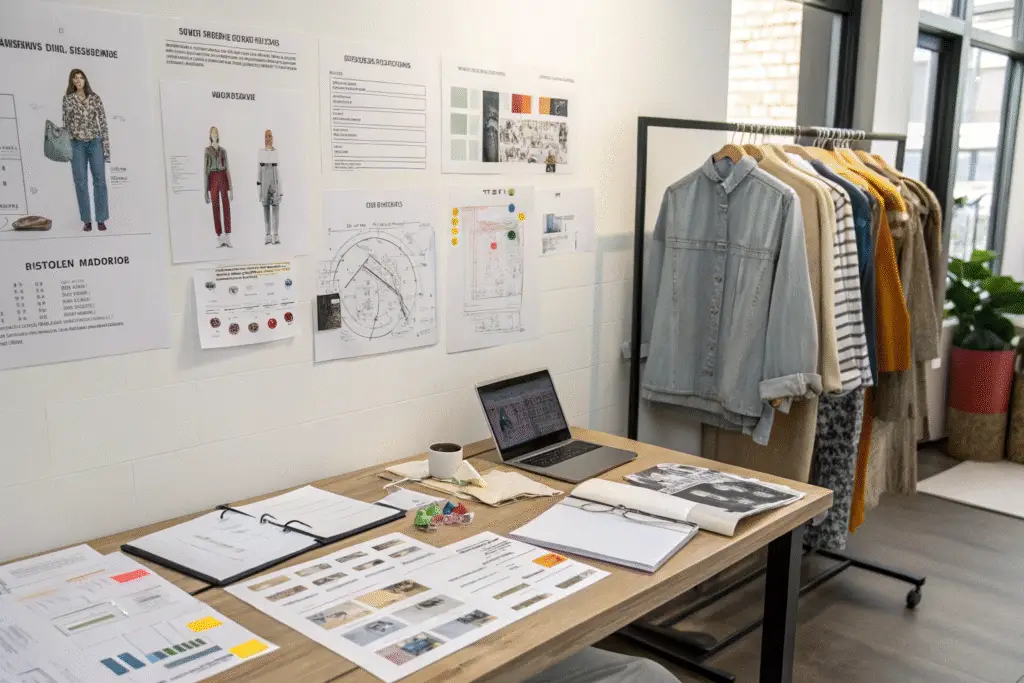
Your brand identity is your promise to your customer. It encompasses your brand's name, logo, values, and the overall aesthetic. Start by asking yourself what makes your brand different. Simultaneously, you must pinpoint your target market. Who are they? What are their spending habits? Where do they shop? Creating detailed customer personas can be incredibly helpful. For instance, if you are targeting eco-conscious millennials, your material choices and marketing claims must align with those values. This clarity will inform every aspect of your product development.
What Should Be Included In Your Initial Business Plan?
A business plan is your roadmap. It does not need to be a hundred-page document, but it must outline your financial and operational goals. Key components include an executive summary, a market analysis, a clear definition of your product line, a marketing and sales strategy, and detailed financial projections. Your financial plan should account for minimum order quantities (MOQ), cost per unit, shipping, and import duties. Understanding concepts like DDP (Delivered Duty Paid) incoterms is crucial for accurate budgeting, as it ensures you know the total landed cost of your goods without surprise fees.
How To Choose The Right Private Label Clothing Manufacturer?
Selecting your manufacturing partner is one of the most critical decisions you will make. The right partner acts as an extension of your team, while the wrong one can cause delays, quality issues, and financial loss. You need a manufacturer that is not just a supplier but a strategic ally in your brand's growth.
You choose the right manufacturer by thoroughly vetting their experience, communication capabilities, quality control processes, and service offerings. Look for a partner with a proven track record in your specific product categories, who provides clear communication, and offers full-package services including quality assurance and reliable logistics.
What Key Factors Determine A Reliable Manufacturing Partner?
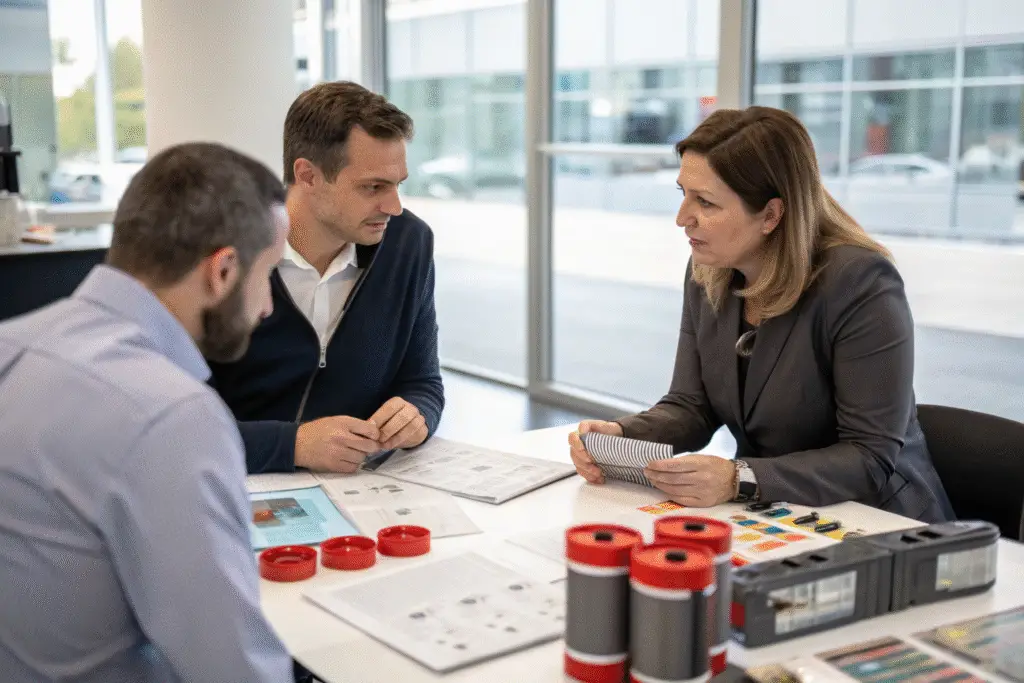
Reliability is measured by several key factors. First, examine their experience with businesses similar to yours and their expertise in your product categories, such as knitwear or woven garments. Second, assess their communication. Do they respond promptly and clearly? At our company, we assign a dedicated project manager to each client to prevent the inefficiencies that buyers like Ron often face. Third, verify their certifications and quality control processes. Always ask for samples and, if possible, conduct a factory audit to ensure they operate to the standards they claim.
Why Is Full-Package Service Important For Your Brand?
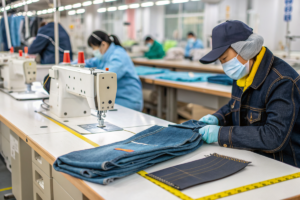
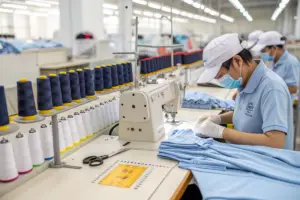
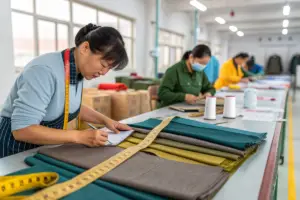
A full-package manufacturer handles everything from sourcing raw materials to production, quality control, and final export logistics. This streamlined approach saves you the hassle of coordinating with multiple vendors, reduces your operational overhead, and minimizes the risk of errors. For a brand owner, this means you can focus on marketing and sales while we manage the complex production process. It also directly addresses the pain point of delayed shipments, as a single point of responsibility for the entire supply chain enhances accountability and timing precision.
What Does The Product Development And Sampling Process Involve?
This is where your ideas take physical form. The product development and sampling process is an iterative dialogue between your design vision and our technical expertise. It is a crucial phase to perfect the fit, fabric, and functionality of your garments before mass production begins.
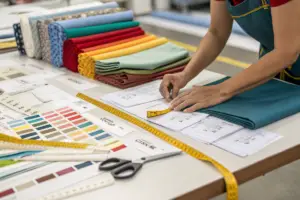
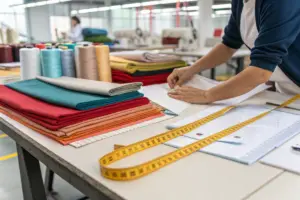
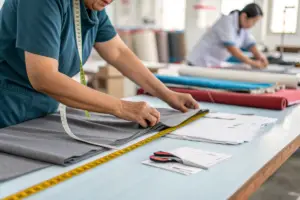
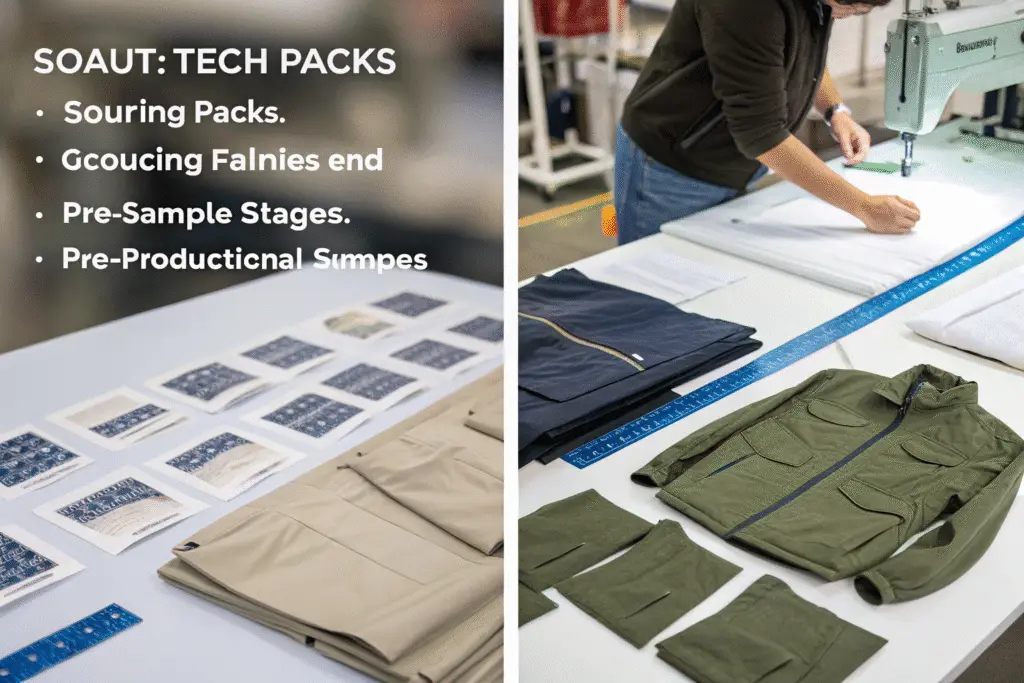
The process involves creating tech packs, sourcing fabrics, and producing multiple sample stages (proto, fit, and pre-production samples). Each stage is reviewed and refined to ensure the final product perfectly matches your specifications and quality expectations before bulk manufacturing is approved.
How Can You Ensure Your Designs Are Accurately Translated Into Samples?
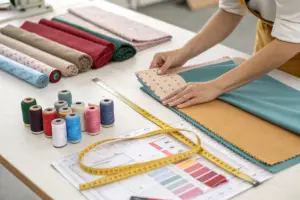
Accuracy starts with a comprehensive tech pack. This document should include detailed sketches, garment measurements (spec sheets), bill of materials (BOM), and clear instructions on stitching, labeling, and packaging. The more detailed your tech pack, the closer the first sample will be to your vision. We encourage open communication during this phase; your feedback is essential. We once worked with a brand that provided very basic sketches. Our design team helped them flesh out the technical details, resulting in a sample that exceeded their expectations and saved them from a costly production error.
What Are The Critical Stages Of Garment Sampling?
The sampling process typically has three key stages. First, the proto sample is made with similar materials to check the initial design and silhouette. Second, the fit sample is created with the actual fabric to assess the fit, often on a standard fit model. We provide detailed reports with photos and measurements. Finally, the pre-production sample (PPA) is made from the actual production line with all correct materials and trims. This final sample is your green light for bulk production. Approving this sample is your confirmation that everything is as it should be.
How To Manage Quality Control And Logistics For Your Clothing Line?
Managing quality and logistics effectively is what separates successful brands from the rest. It is the final, critical mile where your products are perfected and delivered to your doorstep. A robust system here protects your brand's reputation and ensures your customers receive their orders on time.
Effective management involves implementing rigorous in-line and final inspections based on standardized AQL (Acceptable Quality Limit) standards, and partnering with a manufacturer that has strong logistics expertise to handle shipping, customs, and DDP delivery directly to your U.S. warehouse.
What Does A Comprehensive Quality Control Process Look Like?
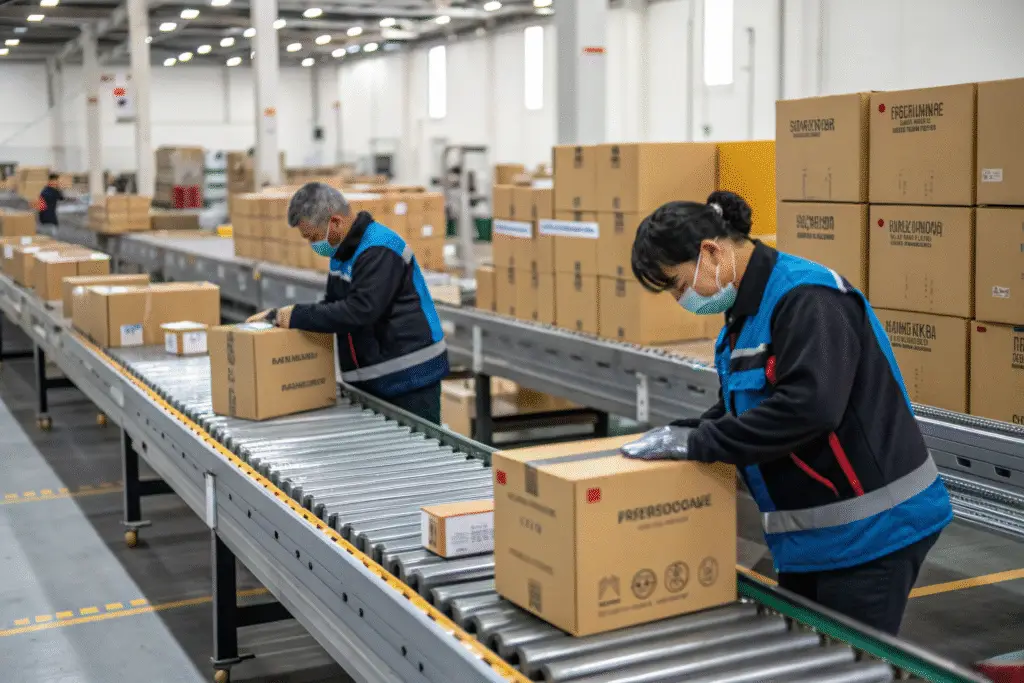
A comprehensive QC process is multi-layered. It starts with checking raw materials upon arrival. During production, we conduct in-line inspections to catch issues early. The most critical stage is the final random inspection, based on the AQL standard. For general apparel, this means checking a statistically significant number of pieces from finished batches for defects in workmanship, fabric, color, and measurements. We provide detailed QC reports with photos, so you have full visibility into the product quality before it ships, giving you peace of mind.
How Can You Streamline Shipping And Avoid Delays?
Streamlining shipping begins with choosing the right incoterm. We highly recommend DDP (Delivered Duty Paid) for our U.S. clients. Under DDP, we manage the entire logistics chain, including ocean freight, customs clearance, duties, and taxes, delivering the goods directly to your door. This eliminates the complexity for you and prevents unexpected delays at U.S. customs. We also provide real-time tracking information. Our logistics team plans shipments with buffer time built-in to account for any unforeseen circumstances, directly addressing the industry-wide pain point of missed selling seasons due to delayed shipments.
Conclusion
Building a successful private label clothing line is a detailed journey that blends creative vision with operational excellence. From defining your brand and understanding your market, to selecting a manufacturing partner that offers reliability and full-package services, each step is crucial. The development and sampling process ensures your designs are perfectly translated into products, while rigorous quality control and streamlined logistics guarantee that those products reach you and your customers on time and to the highest standard. By mastering these elements, you transform the challenge of apparel production into a competitive advantage for your brand.
If you are ready to bring your apparel visions to market with a partner that prioritizes your success, we are here to help. Let's discuss how we can become the dependable, high-value manufacturing extension for your ambitious brand. For a personalized consultation on your private label clothing production, please contact our Business Director, Elaine, at elaine@fumaoclothing.com.