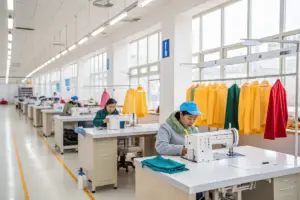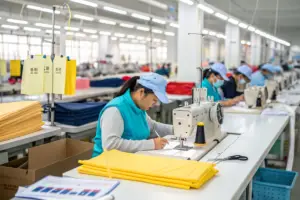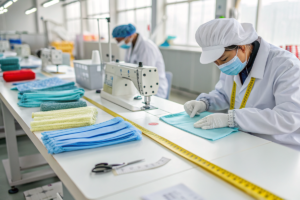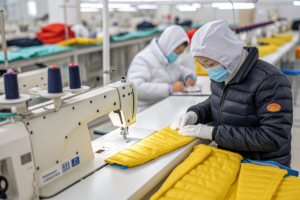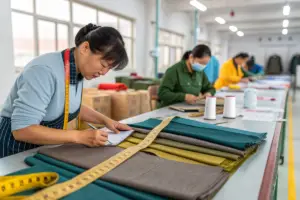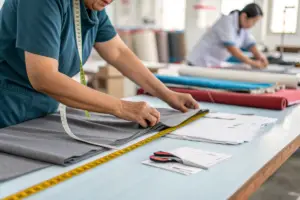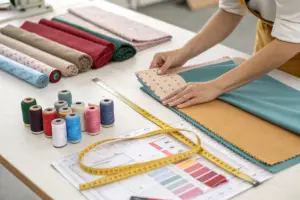
In today's fashion industry, more brands are asking a crucial question: how can we ensure our clothing is made ethically? For American apparel brands and distributors like yours, this isn't just a trend; it's a core part of building a trustworthy and sustainable business. Partnering with a manufacturer who shares this commitment is paramount.
Ethical clothing manufacturing is a comprehensive approach that prioritizes fair labor practices, safe working conditions, environmental responsibility, and transparent supply chains. It moves beyond cost and speed to ensure the people and planet behind your products are treated with respect. This is not just morally right; it's what modern consumers expect.
Understanding these practices can seem complex, especially when sourcing from countries like China and India. This guide will break down the best practices for ethical manufacturing, showing you what to look for in a partner and how it directly benefits your brand.
How to verify ethical labor practices in clothing factories?
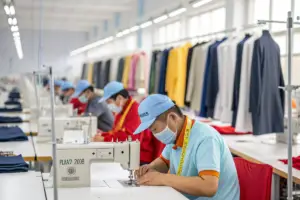
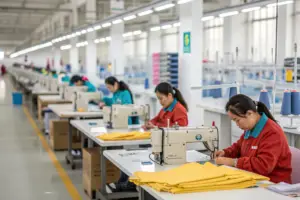
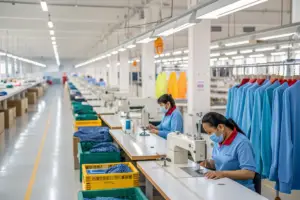
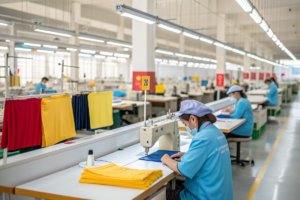
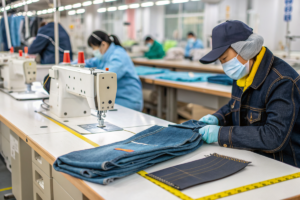
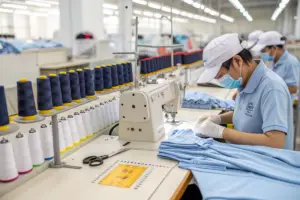
Ensuring fair treatment for workers is the foundation of ethical manufacturing. It's about more than just compliance; it's about valuing human dignity. This builds a stable, skilled workforce, which directly translates to higher quality and more consistent production for your brand.
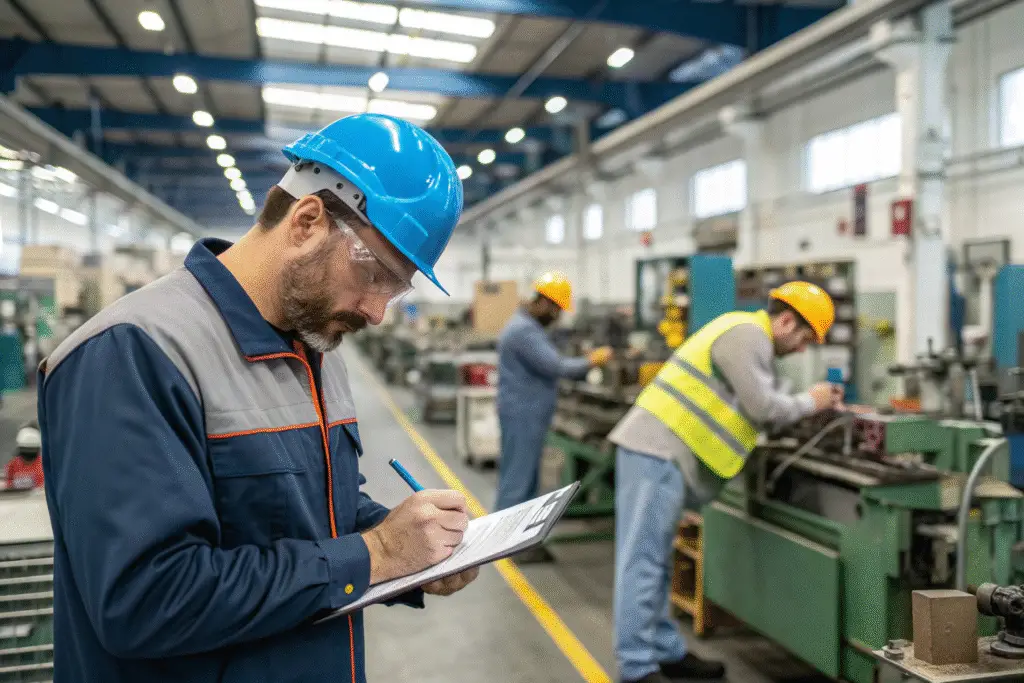
The most effective way to verify labor practices is through a combination of third-party audits and direct, unannounced visits. Relying solely on a supplier's word is risky. You need concrete proof that standards are being met every day, not just during a scheduled inspection.
What certifications prove fair wages and safe conditions?
Look for certifications from globally recognized organizations. These provide an independent verification of a factory's commitment. The most respected certifications include Social Accountability International's SA8000, which sets standards for decent working conditions. Another key standard is the Worldwide Responsible Accredited Production (WRAP) principles, which ensure lawful, humane, and ethical manufacturing. While not a certification, a factory's commitment to the Fair Labor Association (FLA) workplace code of conduct is also a strong positive indicator. These certifications audit factors like working hours, compensation, and most importantly, the prohibition of child and forced labor.
Why are transparent supply chains crucial for ethics?
A transparent supply chain means you know not just the final assembly factory, but also the sources of your fabric and components. Many ethical issues are hidden deep within the supply chain, at the level of material sourcing. By insisting on transparency, you ensure that your ethical standards are maintained from raw material to finished product. This also mitigates risks, such as those related to cotton sourcing, and allows you to accurately communicate your brand's story and values to your customers. Using a manufacturer that provides full-package production with transparent sourcing gives you this crucial visibility and control.
What are the key elements of sustainable apparel production?
Sustainability in apparel production focuses on minimizing environmental impact. This involves careful management of resources, reducing waste, and choosing better materials. For forward-thinking brands, this is a powerful way to reduce their ecological footprint and appeal to a growing market of eco-conscious consumers.
The key elements are reducing water and energy consumption, managing chemical use, and implementing robust recycling programs. A true commitment to sustainability is woven into every step of the manufacturing process, not just treated as an afterthought.
How can manufacturers reduce water and energy use?
Modern manufacturers can significantly cut down on resource use. For water, this means investing in water recycling systems and using dyeing technologies that require less water. On the energy front, factories can install energy-efficient lighting and machinery. Some leading facilities are even transitioning to solar power. These practices are not only good for the planet but also reduce long-term operational costs, creating value that can be passed on to brand partners. This is a core part of our own quality assurance process, as a stable, efficient production line is a reliable one.
Which eco-friendly fabrics and processes are available?
The market for eco-friendly materials is expanding rapidly. Today, you can choose from fabrics like organic cotton, recycled polyester, and Tencel™ lyocell. Beyond materials, the processes themselves can be greener. This includes using digital printing to reduce water waste and opting for low-impact dyes that are less harmful to the environment. We help our partners navigate these choices during the product development phase, ensuring their designs are not only stylish but also aligned with their sustainability goals.
| Fabric/Process | Key Benefit | Common Use Cases |
|---|---|---|
| Organic Cotton | Grown without toxic pesticides | T-shirts, knitwear, baby clothes |
| Recycled Polyester | Reduces plastic waste | Activewear, outerwear, fleece |
| Tencel™ Lyocell | Made from sustainably sourced wood pulp | Dresses, blouses, denim |
| Low-Impact Dyes | Requires less water and energy | All dyed apparel categories |
How does DDP shipping support ethical supply chains?
The ethical responsibility of a manufacturer doesn't end at the factory door. It extends all the way to your warehouse. Delayed or chaotic logistics can disrupt your business, cause financial loss, and strain the very supply chain you've worked to build ethically. A reliable shipping model is crucial.
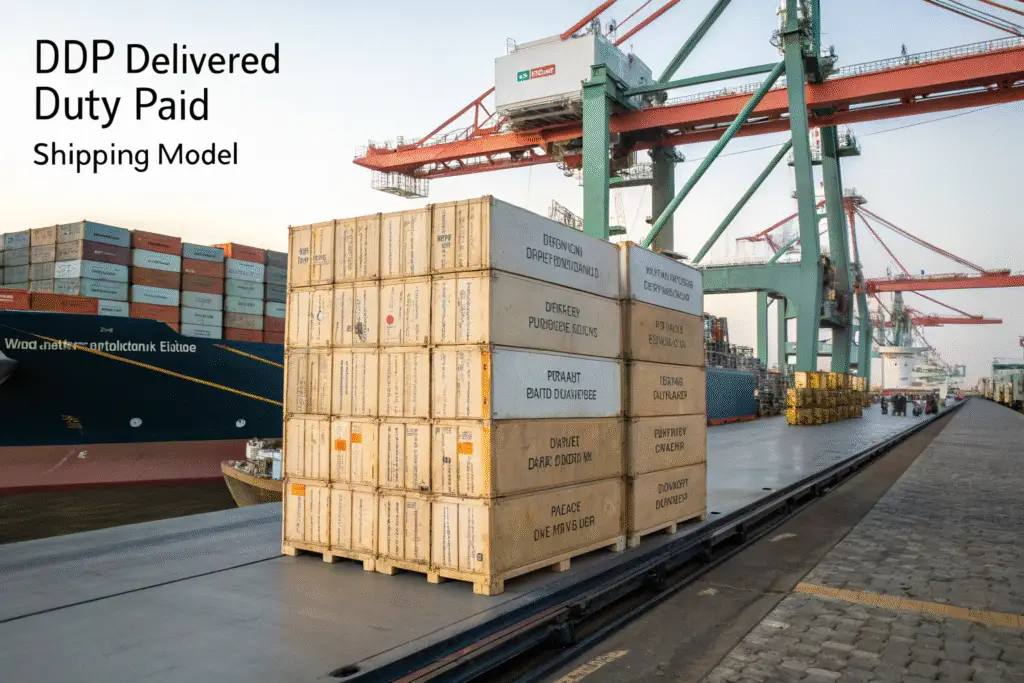
A DDP (Delivered Duty Paid) shipping model is a powerful tool for ethical supply chains. It places the responsibility for smooth export and logistics entirely on the manufacturer. This means we handle all the complexities, risks, and costs until the goods are delivered to your designated port. This eliminates surprises and ensures you get your products on time.
What are the benefits of a streamlined logistics model?
A streamlined logistics process, like DDP, offers immense benefits. It provides you with cost certainty, as all fees are agreed upon upfront. It reduces administrative burdens on your team. Most importantly, it dramatically increases the reliability of delivery. This reliability is a key component of an ethical partnership, as it shows respect for your time and business needs, preventing the "missed selling seasons" that can harm your profitability.
Why is on-time delivery a marker of an ethical partner?
On-time delivery is a direct reflection of a factory's overall management and operational health. A factory that consistently meets deadlines is likely one that has stable workforce management, efficient production planning, and strong quality control. These are all hallmarks of an ethical operation. Conversely, chronic delays can be a red flag for deeper issues, such as poor labor management or disorganization. Our commitment to reliable delivery is a promise built on this ethical and professional foundation.
Why is clear communication vital in garment manufacturing?
Inefficient communication is one of the biggest pain points we hear from American buyers. It leads to mistakes, delays, and frustration. In garment manufacturing, where details are everything, clear and consistent communication is not a luxury; it's a necessity for ensuring your vision is executed perfectly.
Clear communication builds trust and ensures alignment at every stage. From the initial design discussion to the final quality control check, having a direct and responsive line to your manufacturer prevents misunderstandings and keeps your project on track.

How can brands avoid production delays with suppliers?
The best way to avoid delays is through proactive and transparent communication. This means establishing a single point of contact, like a dedicated project manager, who understands your brand and can provide regular updates. It also involves using shared platforms for tracking progress and quickly addressing any issues that arise. This approach eliminates the "he said, she said" problem and ensures that potential delays are identified and solved before they impact your timeline.
What does a transparent pricing structure look like?
A transparent pricing structure has no hidden fees. It clearly breaks down all costs, including fabric, labor, trims, and any other charges. This allows you to understand exactly what you are paying for and make informed decisions. Transparency in pricing reflects honesty in the overall partnership. It builds a foundation of trust, assuring you that you are getting true competitive pricing and value, without compromising on ethical standards.
Conclusion
Ethical clothing manufacturing is a multi-faceted commitment that encompasses fair labor, environmental stewardship, reliable logistics, and transparent communication. It's a holistic approach that ensures your brand is built on a foundation of quality, responsibility, and trust. By choosing a manufacturing partner who embodies these best practices, you do more than just create clothes; you build a brand that consumers can believe in.
Understanding these practices is the first step. Implementing them requires a partner you can rely on. If you are looking for a Chinese apparel manufacturer that prioritizes ethical production, transparent pricing, and on-time delivery, let's start a conversation. We can help you bring your apparel visions to market successfully and responsibly. For a direct discussion on how we can meet your specific needs, please contact our Business Director, Elaine, at elaine@fumaoclothing.com.