Choosing the right fabric for your activewear line is one of the most critical decisions you’ll make. It directly impacts performance, comfort, and customer satisfaction. Getting it wrong can lead to returns and damage to your brand’s reputation. This guide will walk you through the essential fabric selection criteria to ensure your products excel in a competitive market.
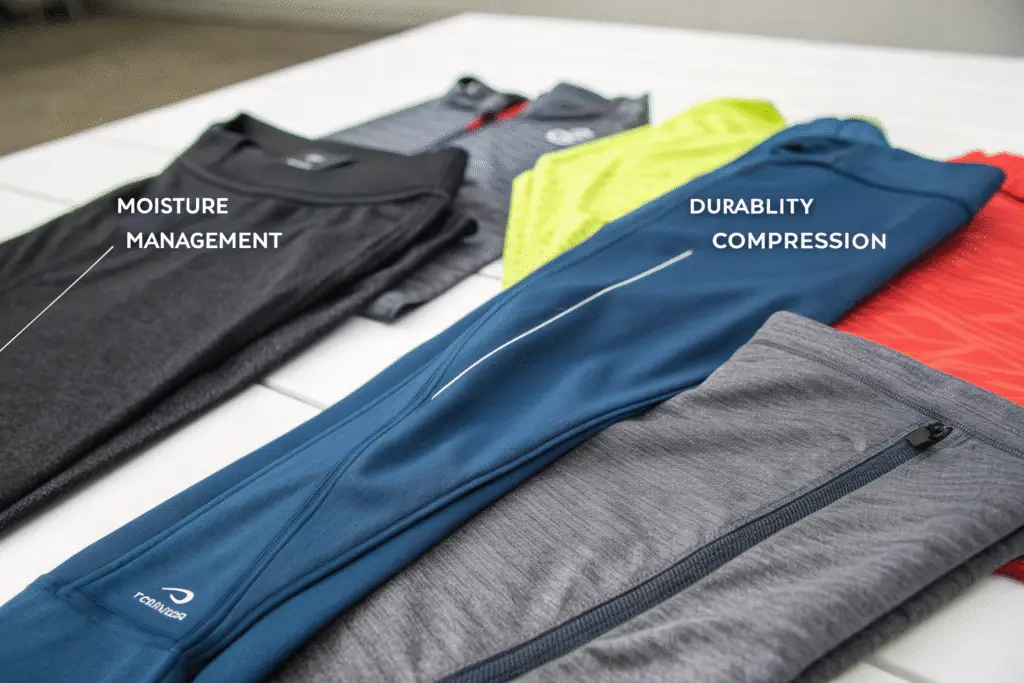
The right fabric is the engine of high-performance activewear, balancing moisture management, durability, and compression for ultimate athlete comfort and performance. Selecting the perfect material is a science that considers the specific athletic activity, desired fit, and necessary functional properties. This guide demystifies that process, providing a clear framework for brand owners and buyers to make informed, profitable sourcing decisions.
As a manufacturer with years of experience serving the U.S. market, we understand that your success depends on the quality of your components. Let’s dive into the core principles of fabric selection to equip you with the knowledge needed for your next collection.
What Are The Key Properties of High-Performance Activewear Fabric?
When sourcing activewear, the fabric’s technical properties are non-negotiable. These properties determine how the garment will perform during intense activity and over time. Understanding these key characteristics will help you communicate your needs clearly with your clothing manufacturer.
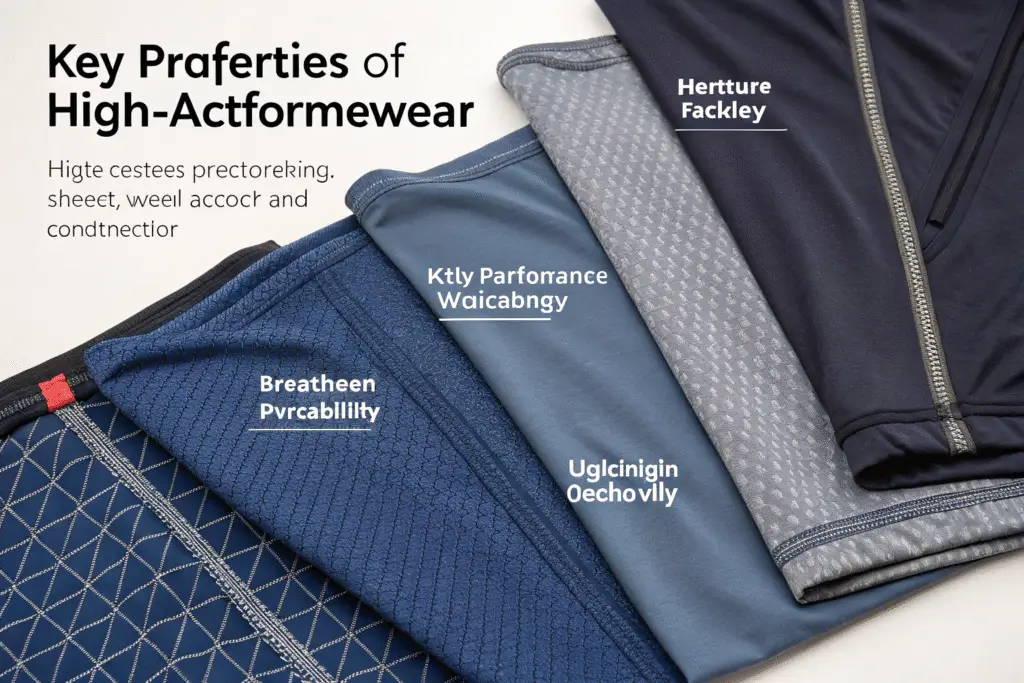
The key properties of high-performance activewear fabric are moisture-wicking, breathability, stretch and recovery, durability, and weight. These elements work together to manage sweat, allow for freedom of movement, and ensure the garment maintains its shape and integrity after repeated wear and washing. A failure in any one of these areas can lead to an unsatisfactory product.
Why is moisture-wicking and breathability crucial?
Moisture-wicking is the fabric’s ability to pull sweat away from the skin to the outer surface where it can evaporate. This process is vital for keeping the wearer dry and comfortable, preventing chafing, and regulating body temperature. Breathability complements this by allowing air to circulate through the fabric, further aiding in cooling and evaporation. Fabrics like polyester and nylon are inherently good at this, but their performance is often enhanced through advanced textile engineering. For brands, using fabrics with proven moisture management technology is a key selling point that can be verified through testing standards from organizations like the American Association of Textile Chemists and Colorists (AATCC).
Breathability is measured by how well air and water vapor can pass through the material. A lack of breathability can make a garment feel clammy and heavy, leading to discomfort. This is why mesh panels are often integrated into high-stress areas. The combination of effective wicking and high breathability is what separates premium activewear from basic options. It’s a direct reflection of your brand’s commitment to quality and can be a decisive factor for consumers comparing your products to those from other apparel manufacturers.
How does stretch and recovery impact performance?
Stretch refers to the fabric’s ability to expand with movement, providing freedom for exercises like lunges, squats, and stretches. Recovery, however, is arguably more important. It is the fabric’s capacity to return to its original shape after being stretched. Poor recovery leads to baggy knees, sagging elbows, and a garment that loses its fit quickly, which is a common complaint with low-quality leggings and shorts. Spandex (also known as Lycra or elastane) is the primary fiber responsible for this property, typically making up 5-20% of the fabric blend.
The quality of the spandex and the knitting technique directly affect recovery. High-quality recovery ensures that the garment looks new for longer, which enhances perceived value and reduces returns. When discussing with your supplier, ask about their testing for growth and permanent deformation. A reliable partner will have data on how their fabrics perform after repeated wash cycles, ensuring your brand’s reputation for durability is upheld. This is a core part of our quality control process at Fumao Clothing, as we understand that your profit depends on customer satisfaction.
How to Match Activewear Fabric to Specific Sports?
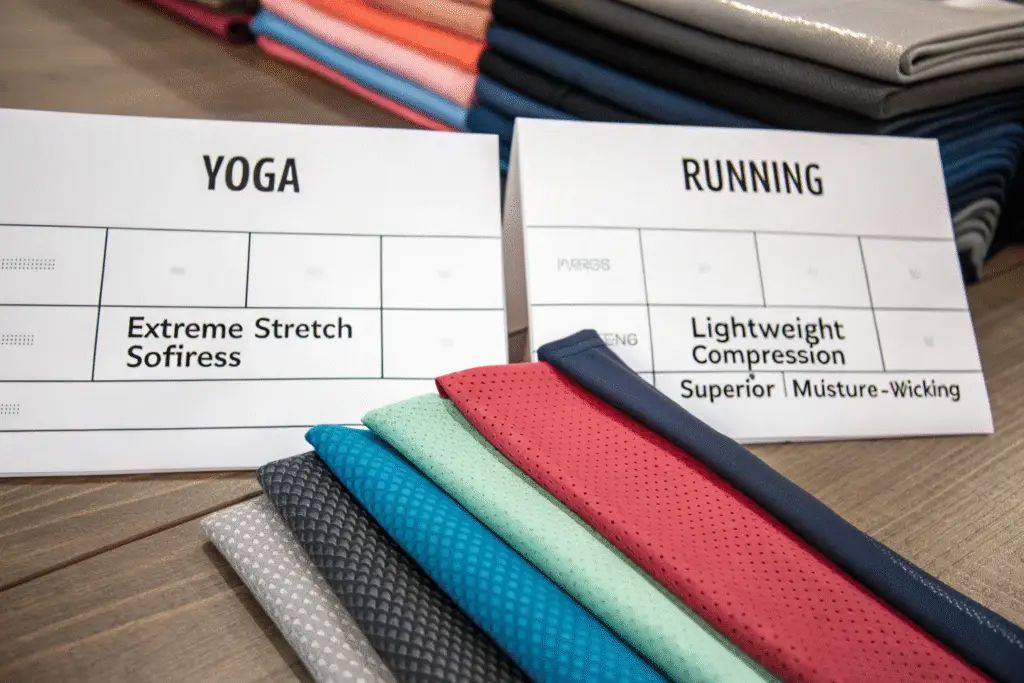
Not all sports have the same fabric requirements. The optimal material for yoga is different from what is needed for long-distance running or high-intensity interval training. Aligning the fabric with the activity is essential for product success and customer satisfaction.
Matching fabric to a sport involves analyzing the movement, sweat level, and environmental conditions of the activity. For example, yoga requires extreme stretch and softness, while running demands lightweight compression and superior moisture-wicking. Creating a product matrix based on your target activities will streamline your sourcing and development process.
What is the best fabric for high-intensity workouts?
For high-intensity workouts like HIIT or CrossFit, the fabric must withstand extreme sweat and dynamic, multi-directional movements. The best blends are typically polyester/nylon with a significant spandex content (15-20%). Polyester offers excellent moisture-wicking and durability, while nylon adds a soft hand feel and better abrasion resistance. The high spandex content ensures the garment moves with the body and provides necessary muscle support and compression.
These fabrics should also feature anti-odor treatments, as the intense sweating in these activities can lead to rapid bacteria growth. A fabric that remains fresh after a workout is a powerful marketing advantage. Furthermore, durability testing, like the Martindale rub test for abrasion resistance, is crucial to ensure the garment can handle floor exercises and friction from equipment without pilling or tearing.
Which materials are ideal for low-impact activities like yoga?
Yoga and Pilates require fabrics that prioritize softness, comfort, and a full range of motion. While moisture-wicking is still important, the focus shifts to the tactile experience. Brushed polyester or nylon fabrics, often referred to as "buttery soft," are extremely popular. Another excellent option is a cotton-polyester-spandex blend, which offers the soft, natural feel of cotton with the performance and durability of synthetic fibers.
However, pure cotton should be avoided as it absorbs moisture and becomes heavy and cold. The key here is a lower spandex content (around 8-12%) than for high-intensity wear, providing ample stretch without excessive compression. The fabric should be opaque and have good recovery to ensure it doesn’t become see-through during stretching poses, a common quality failure that can damage a brand’s reputation. This attention to detail in material selection is what sets professional garment manufacturers apart.
What Are The Pros and Cons of Common Activewear Blends?
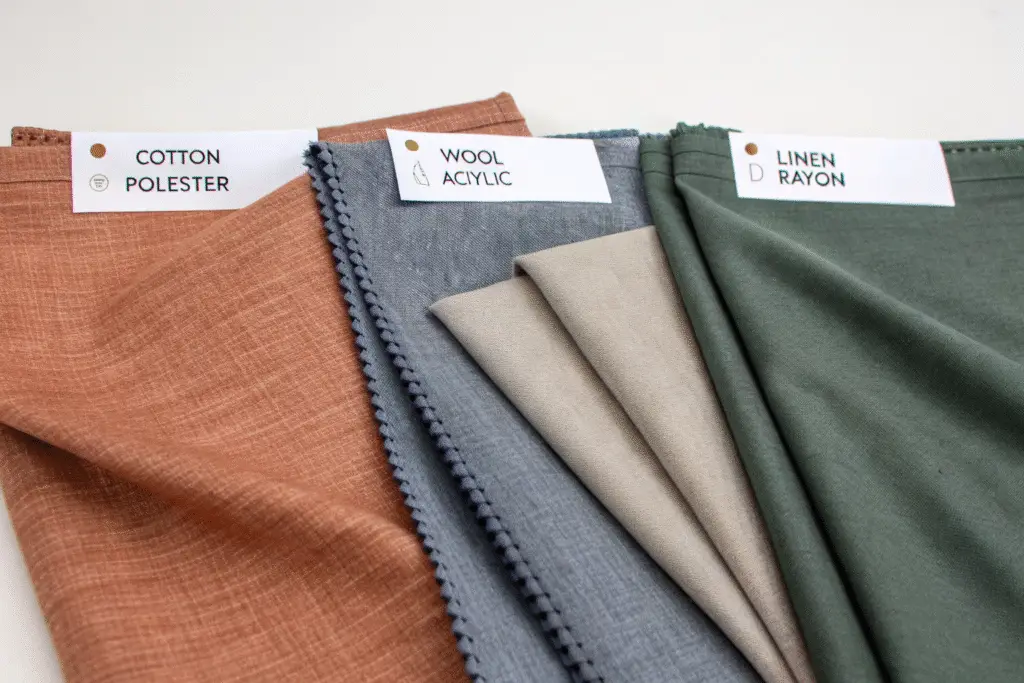
Understanding the advantages and disadvantages of common fabric blends allows you to make cost-effective decisions without compromising on the core performance your customers expect. Each fiber brings a different set of properties to the final fabric.
Here is a quick comparison of the most common fibers in activewear:
| Fiber | Pros | Cons | Best For |
|---|---|---|---|
| Polyester | Excellent durability, moisture-wicking, quick-drying, affordable | Can retain odor, less soft than nylon | All-around performance wear, budget-friendly lines |
| Nylon | Very soft, strong, abrasion-resistant, vibrant color retention | More expensive than polyester, absorbs water slower | Premium leggings, swimwear, durable outer layers |
| Spandex | Provides exceptional stretch and recovery | Loses integrity when exposed to chlorine/heat, adds cost | All activewear for fit and shape retention |
Why choose polyester over nylon?
The choice between polyester and nylon often comes down to budget and desired hand feel. Polyester is generally more cost-effective and offers superior moisture-wicking, making it the workhorse of the activewear industry. It is highly durable and resistant to wrinkles and shrinking, which is ideal for brands looking to offer value-priced collections. However, some premium polyester microfibers can mimic the softness of nylon, providing a great middle ground.
Nylon, on the other hand, is known for its exceptionally soft and smooth feel against the skin. It is also stronger and more resistant to abrasion than polyester, but it tends to be more expensive. For brands positioning themselves in the premium segment, nylon blends often justify the higher cost through enhanced customer perception of luxury and comfort. Your decision should align with your brand’s price point and the tactile experience you want to deliver to your end consumer.
Is sustainable fabric a viable option for my brand?
Absolutely. Sustainable fabrics are no longer a niche trend but a mainstream demand. Options like recycled polyester (rPET) – made from plastic bottles – and bio-based fibers are readily available and perform equally to their virgin counterparts. Choosing sustainable materials can be a powerful branding tool, appealing to the growing market of environmentally conscious consumers.
While sustainable options can sometimes come with a slight cost premium, the marketing value and alignment with consumer values often offset this. It demonstrates that your brand is forward-thinking and responsible. As a manufacturer, we have seen a significant increase in requests for Global Recycled Standard (GRS) certified fabrics. Offering a sustainable line can be a competitive advantage, allowing you to tap into new markets and meet the sourcing key points of buyers who prioritize certifications.
How to Vet Your Clothing Manufacturer for Fabric Quality?
Your fabric choices are only as good as the manufacturer executing them. A supplier might promise high-quality materials but fail to deliver consistency. Vetting your partner thoroughly is essential to protect your brand from quality issues and delayed shipments.
Vetting a manufacturer involves going beyond price checks. It requires due diligence on their sourcing capabilities, quality control processes, and communication transparency. You need a partner who can guide you on fabric selection and be honest about limitations and costs, not just a factory that takes orders.

What quality control questions should I ask?
Before placing an order, ask specific questions about their QC protocols. Here are some critical ones:
- "Can you provide fabric test reports from a third-party lab (e.g., SGS, Bureau Veritas)?"
- "What is your process for checking shade consistency, weight, and width of incoming fabric?"
- "How do you test for colorfastness to washing, rubbing, and light?"
- "What is your acceptable defect rate (AQL) for finished garments?"
A professional manufacturer will have clear, documented answers to these questions. They should welcome your scrutiny. For instance, at Fumao Clothing, we provide our clients with access to lab test results and have a multi-stage inspection process to catch issues before shipment. This proactive approach prevents the common pain point of receiving goods that do not meet your quality expectations.
How can I avoid communication delays and shipment issues?
Inefficient communication is a major pain point. To avoid this, establish a single point of contact, like a dedicated project manager, who understands your brand and requirements. This person should be responsive and provide regular updates, including photos and videos during production. This transparency builds trust and allows you to catch issues early.
To prevent delayed shipments, ask about the manufacturer’s logistics process upfront. Do they have experience with DDP (Delivered Duty Paid) shipping to the U.S.? A reliable partner will have strong relationships with freight forwarders and a proven track record of on-time delivery. They should be able to provide a realistic production timeline that accounts for fabric sourcing, production, and shipping, helping you plan your selling seasons effectively. Clear payment methods and terms should also be agreed upon in advance to avoid any financial hiccups.
Conclusion
Selecting the right activewear fabric is a strategic process that balances performance, cost, and brand values. By understanding key properties, matching fabrics to specific sports, evaluating common blends, and thoroughly vetting your manufacturing partner, you can create activewear that stands out in the competitive U.S. market. This knowledge empowers you to make confident sourcing decisions that will drive your brand’s growth and profitability.
Your success depends on a reliable manufacturing partner who can turn your fabric and design choices into high-quality, profitable products. If you are looking for a dependable factory to help you navigate these decisions and bring your apparel visions to life, we are here to help. For a direct conversation about your next activewear order, please contact our Business Director, Elaine, at elaine@fumaoclothing.com. Let’s build something great together.