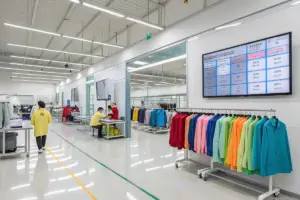
As an American apparel brand owner, you know that getting your products from the factory floor to your customers is a complex process. Delays and hidden costs can eat into your profits and damage your brand’s reputation. If you’ve ever been surprised by extra fees or faced a missed selling season due to logistical nightmares, you’re not alone. Navigating international shipping terms is a critical, yet often overlooked, part of the import puzzle.
DDP shipping offers a streamlined solution for U.S. apparel brands importing from overseas, placing the burden of costs, risks, and logistics on the supplier for a more predictable and hassle-free experience. This model is particularly advantageous for fashion businesses that need to manage tight margins and strict deadlines. By understanding and leveraging DDP, you can transform a chaotic supply chain into a competitive advantage.
Let’s dive into the specifics of DDP shipping and how it can benefit your garment import business.
What is DDP Shipping and How Does It Work?
If you’re sourcing clothing from China or Vietnam, you’ve likely encountered various shipping terms. DDP, or Delivered Duty Paid, is a comprehensive agreement where the seller assumes all responsibility and cost for delivering goods to a specified destination in the buyer’s country. This means we, as your manufacturer, handle everything until your shipment arrives at your U.S. warehouse door.
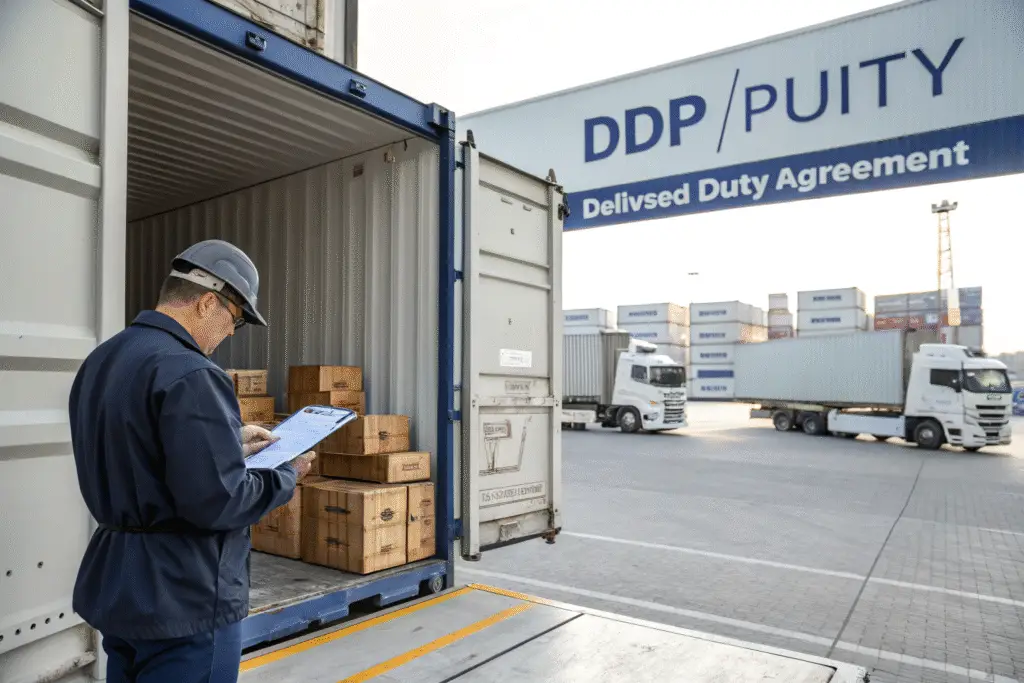
Under a DDP agreement, the supplier manages the entire logistics chain. This includes export customs clearance in the country of origin, the main international freight (by sea or air), all necessary insurance, and crucially, the import customs clearance and payment of all duties and taxes in the United States. The final step is the domestic trucking to deliver the goods to your designated address. This contrasts sharply with terms like FOB (Free On Board), where you, the buyer, take control and financial responsibility once the goods are loaded onto the ship at the port of origin. For brand owners focused on sales and marketing, DDP offers a turnkey solution, minimizing the number of parties you need to coordinate with and reducing your administrative burden.
Why should U.S. apparel brands prefer DDP over FOB?
U.S. apparel brands should prefer DDP over FOB for its simplicity and cost predictability. With FOB, you are responsible for finding and paying a freight forwarder, handling U.S. customs brokerage, and covering unexpected duties like anti-dumping tariffs on certain categories. These hidden costs can drastically impact your profit margins. DDP eliminates this financial uncertainty. You agree on a single, all-inclusive price per garment, which protects you from volatile shipping costs and complex customs clearance procedures. This allows you to focus on your core business—selling and building your brand—instead of managing international logistics.
How does the DDP process flow from factory to your door?
The DDP process begins at our factory in China. After your garments are manufactured and quality-checked, we handle export formalities. We then book the international freight with our trusted partners. Upon the shipment’s arrival at a U.S. port like Los Angeles or Long Beach, our appointed customs broker files the necessary entry documents with U.S. Customs and Border Protection and pays all applicable duties and taxes. After the shipment is cleared, it is unloaded from the vessel, transferred to a domestic trucking company, and delivered directly to your warehouse. You receive constant tracking updates, and your only job is to schedule receiving staff at your facility. This seamless flow ensures you are insulated from the complexities of the international shipping process.
What Are The Key Benefits of DDP for Clothing Importers?
For clothing importers, predictability is profit. The primary benefit of DDP shipping is the transformation of a variable, unpredictable cost center into a fixed, manageable one. When you receive a DDP quote from us, that price is your final landed cost. There are no surprises, allowing for accurate financial planning and stable pricing for your retail customers. This financial clarity is invaluable for maintaining healthy profit margins in the competitive apparel market.
Another significant advantage is risk mitigation. The supplier bears the risk of delays at customs, fluctuations in freight costs, and any issues during transit. We have the expertise and established processes to navigate these challenges efficiently. This reliability directly translates to protecting your selling seasons. By ensuring on-time delivery, DDP helps you get your seasonal collections to market when demand is highest, safeguarding your revenue and brand reputation.

How does DDP provide cost certainty and budget control?
DDP provides cost certainty by consolidating all logistics expenses into one upfront price. Imagine you order 10,000 units. With FOB, you might have a base cost, but then you receive separate, fluctuating invoices for ocean freight, fuel surcharges, customs brokerage fees, and import duties. With DDP, you know the exact cost to land all 10,000 units in your warehouse. This all-inclusive pricing model simplifies your cost calculation and prevents budget overruns. You can confidently plan your cash flow and set your retail prices without fearing a logistical expense that wipes out your profits.
In what ways does DDP reduce your operational workload?
DDP drastically reduces your operational workload by making the supplier your single point of contact for the entire supply chain. Instead of coordinating with a manufacturer, a freight forwarder, and a customs broker, you only communicate with us. We manage the entire process, from production line scheduling to final-mile delivery. This saves you countless hours of emails, phone calls, and problem-solving. It also eliminates the need for you to develop in-house expertise in international trade compliance, allowing you and your team to dedicate more time to design, marketing, and sales activities.
What Potential Challenges Exist with DDP Shipping?
While DDP offers immense value, an informed importer understands its potential drawbacks. The primary challenge is a perceived loss of control. Since the supplier manages all logistics, you are reliant on their choice of partners and their efficiency. A supplier with a weak logistics network might use slower shipping lines or less reliable trucking companies, which could lead to delays. Furthermore, because the supplier pays duties and fees upfront, DDP quotes might appear higher at first glance compared to FOB, even though the total landed cost is often more competitive and predictable.
It’s also crucial to work with a trustworthy supplier. There have been industry concerns, as your client profile noted, about suppliers falsifying certificates. In a DDP arrangement, this risk extends to the logistics sphere. An unreliable supplier might cut corners on insurance or use improper harmonized system codes to reduce duty payments, which could lead to severe penalties from U.S. authorities for you, the importer of record. Therefore, your due diligence in selecting a manufacturer with a proven track record and transparent processes is paramount.

How can you mitigate the risk of working with a DDP supplier?
You can mitigate risks by conducting thorough due diligence. First, verify the supplier’s business license and export history. Second, ask for references from other U.S.-based clients they serve under DDP terms. Third, insist on transparency in the supply chain. A reputable supplier will provide you with the details of their freight forwarder and customs broker and will use the correct HS codes for quality assurance. At Fumao Clothing, we provide all necessary documentation, including third-party audit reports, and maintain open communication about every step of the logistics process to build trust and ensure compliance.
What should be clearly defined in your DDP agreement?
Your DDP agreement must be explicit to avoid misunderstandings. It should clearly define the "final destination" address, the Incoterms® version being used (e.g., Incoterms® 2020), and a detailed list of all costs included in the price. The agreement should also specify the transfer of risk (which occurs upon delivery at your warehouse), the timeline for each logistics stage, and the protocol for handling potential delays or damages. Clearly outlining these terms in your apparel manufacturing contract protects both parties and sets clear expectations for a successful partnership.
How to Choose a Reliable DDP Garment Manufacturer?
Selecting the right manufacturing partner for DDP is the most critical step. This decision goes beyond assessing their production capabilities; it requires evaluating their logistical expertise and integrity. Look for a manufacturer with a long-standing history of successfully exporting to the U.S. market under DDP terms. They should have a dedicated logistics or international trade department that understands the nuances of U.S. customs regulations, such as tariff engineering for garments, and has strong relationships with major freight carriers.
Effective communication is another non-negotiable factor. Your pain point about inefficient communication with sales reps is a major red flag. Your ideal manufacturer should assign a dedicated project manager or key account manager who speaks fluent English and is responsive. They should provide you with a single point of contact who can answer questions about both production and shipping, ensuring a smooth and integrated experience from fabric sourcing to final delivery.
What questions should you ask a potential DDP partner?
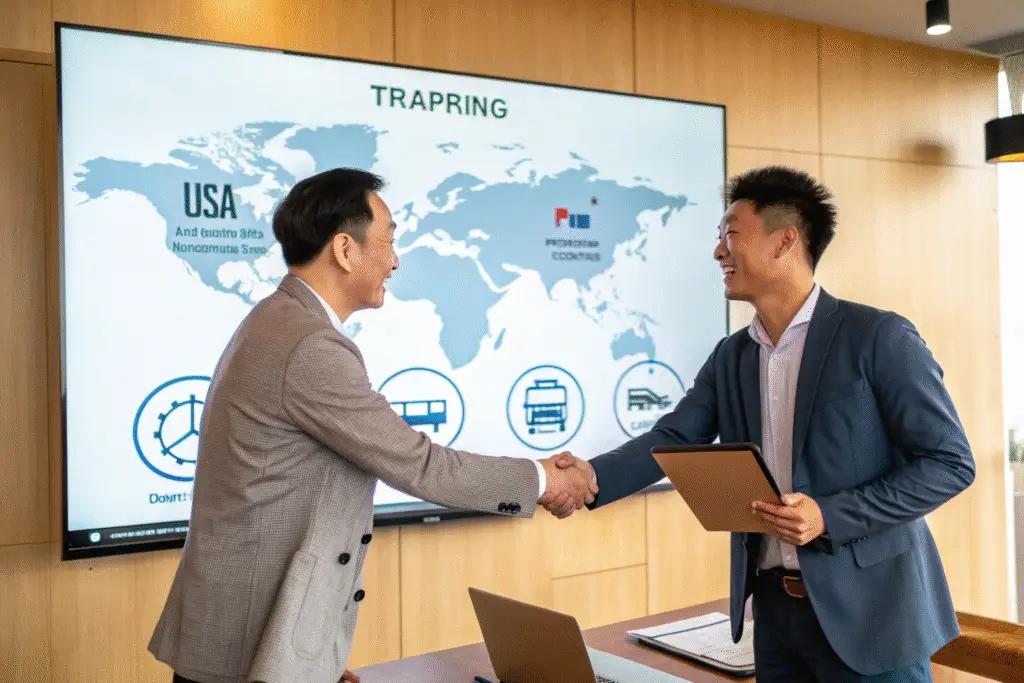
You should ask specific questions to gauge their DDP competency. Essential questions include: "Can you provide a breakdown of a all-in DDP quote?" "What is your experience with U.S. customs for apparel, and can you share references?" "What is your process for fabric sourcing and quality control?" "How do you communicate shipping updates and handle delays?" "What is your policy if a shipment is held by customs?" Their answers will reveal their depth of experience and commitment to transparency. A reliable partner will have clear, confident answers and be willing to provide documentation.
What signs indicate a manufacturer is a true DDP expert?
A true DDP expert demonstrates integrated logistics knowledge. They proactively discuss labeling requirements for the U.S. market, advise on the best shipping methods (air vs. sea) based on your timeline and budget, and explain how they manage peak season congestion. They will have a robust system for providing real-time tracking data and will be transparent about their network of partners. Most importantly, they will have a documented track record of on-time deliveries to the U.S. and will treat your supply chain as an extension of their own business, ensuring its reliability and efficiency.
Conclusion
Navigating DDP shipping effectively can transform your garment import process from a source of stress into a strategic asset. By choosing a DDP model, you gain unparalleled cost certainty, reduce your operational workload, and significantly lower the risks of delays and hidden fees. The key to success lies in partnering with a manufacturer who possesses not only production excellence but also deep logistical expertise and a commitment to transparent communication. This partnership ensures that your clothing lines arrive on time, within budget, and in perfect condition, allowing you to capitalize on market opportunities and grow your brand.
If you are looking for a dependable manufacturing partner to handle your end-to-end apparel production and DDP shipping needs, we are here to help. Let us discuss how we can streamline your supply chain. For a direct conversation, please contact our Business Director, Elaine, at elaine@fumaoclothing.com. We look forward to helping you bring your apparel visions to market successfully.