The American West is more than a place; it's a feeling. It's the spirit of freedom, adventure, and rugged individualism. This spirit has powerfully influenced fashion, creating a timeless aesthetic that consumers love. For apparel brands and buyers, tapping into the Western trend is a significant opportunity. But to do it right, you need to understand its core components and how to translate them into high-quality, marketable garments.
Western trend apparel blends rugged durability with timeless style, featuring premium denim, authentic details like embroidery, and versatile pieces that transition from day to night. Key elements include high-quality natural fabrics, functional hardware, and a color palette inspired by the desert landscape, offering a look that is both nostalgic and modern.
Understanding these features is the first step. Successfully sourcing and manufacturing them is the next. Let's explore the defining elements of this popular trend and how you can reliably bring these styles to your customers.
What Defines the Core Aesthetic of Western Apparel?
The core of Western wear is its unique blend of ruggedness and romance. It's not just about cowboy boots; it's about an entire attitude woven into fabric. For buyers like you, this aesthetic translates into specific, recognizable design elements that signal authenticity to the consumer. Missing these marks can mean the difference between a best-seller and a product that feels like a cheap costume.
The Western aesthetic is built on a foundation of practicality meeting decoration. It draws from the needs of ranchers and rodeo stars, incorporating durable materials and functional details, but elevates them with artistic touches. This creates a look that is both tough and stylish, ready for work or a night out.

How Do Materials Like Denim and Suede Create Authenticity?
The choice of material is paramount. Authentic Western apparel relies heavily on natural, durable fabrics that tell a story of resilience. Premium denim is the undisputed king, often featured in jeans, jackets, and shirts. The quality of the denim is crucial; it should have a substantial weight and a break-in period that molds to the wearer, creating a personal history. Similarly, suede and leather are hallmarks of the style, used for trims, vests, and entire garments to add texture and a touch of luxury. These materials are not just for show; they are a nod to the tack and tools of the Old West, providing a tactile authenticity that synthetic materials cannot replicate. For brands, sourcing high-grade natural fabrics is a non-negotiable aspect of quality control.
Why Are Embroidery and Fringe Details So Important?
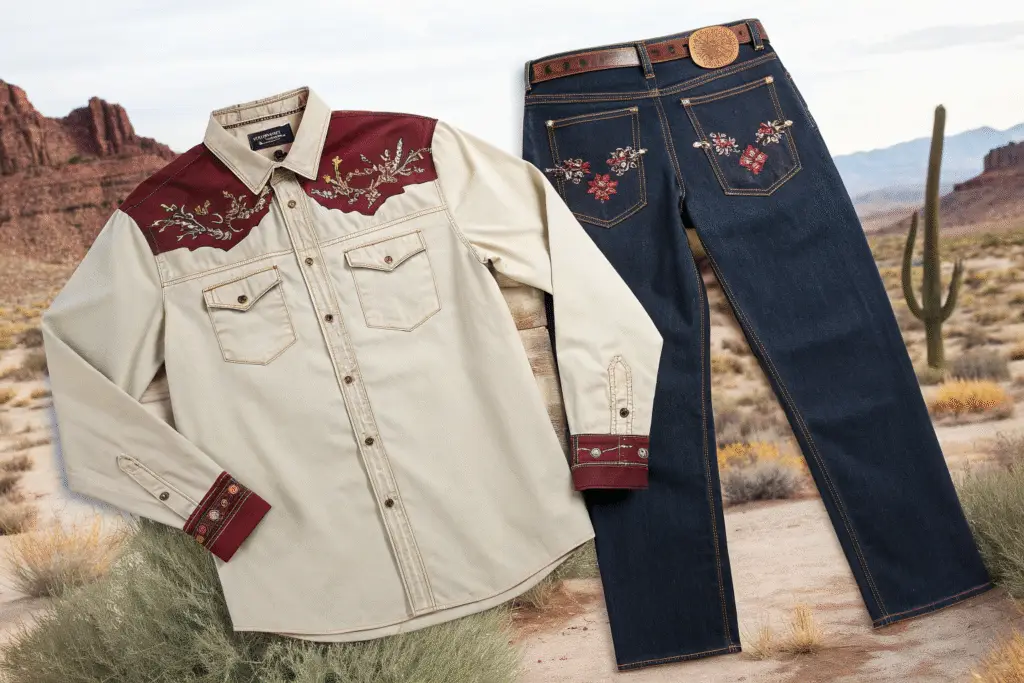
Embroidery and fringe are the decorative soul of Western wear. Intricate embroidery often features Southwestern motifs like arrows, cacti, and floral patterns, adding a handcrafted, artisanal quality to a garment. This detail elevates a simple shirt or pair of jeans into a statement piece. Fringe, on the other hand, is both a historical and stylistic element. Originally designed to help shed water from leather garments, it now provides dynamic movement and a dramatic flair. These details cannot look tacked on; they must be integrated seamlessly into the design with high-quality thread and secure construction to ensure they last the lifetime of the garment, preventing the common pain point of suppliers cutting corners on these critical features.
How to Source High-Quality Western Style Garments?
Sourcing Western apparel goes beyond finding a supplier; it's about finding a partner who understands the nuances of the trend. Your pain points of delayed shipments and certificate falsification make it clear that reliability and transparency are as important as product quality. You need a manufacturer that acts as an extension of your own quality assurance team.
The key is to find a factory with proven expertise in the specific construction techniques required for Western wear. This includes everything from heavy-duty stitching to handle durable fabrics to the application of hardware and decorative elements. A manufacturer with a strong track record in outerwear and denim is often a good fit, as these product categories share the same need for resilience and attention to detail.
What Should You Look for in a Garment Manufacturer?
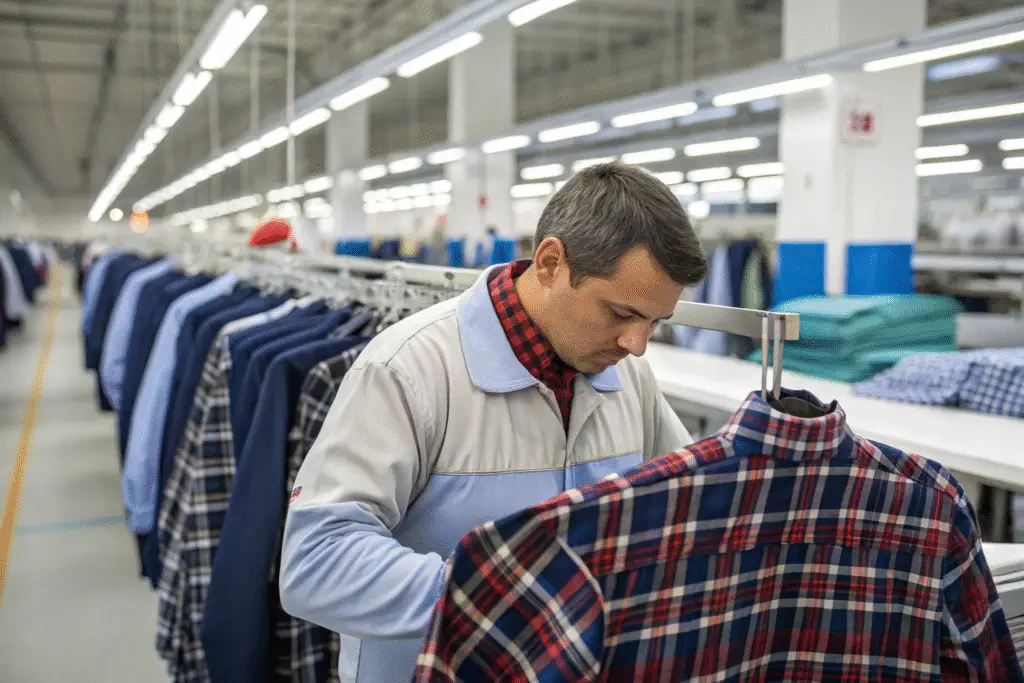
When evaluating a potential partner, prioritize manufacturers who offer full-package production. This means they manage everything from sourcing raw materials to finished goods, giving you a single point of contact and accountability. This directly addresses the inefficiency you've experienced with sales reps. Look for a factory that is transparent about its quality control processes and can provide genuine certifications for materials and social compliance. Visit their facility if possible, or request detailed videos. A reliable partner will have no issue showcasing their production lines and their commitment to on-time delivery, which is paramount to avoiding missed selling seasons.
Why is a Reliable Logistics Partner Crucial?
Even the best-made garments are worthless if they arrive late. A manufacturer with in-house export and logistics expertise is invaluable. They should handle all the complexities of shipping, including customs clearance, which is a critical component of DDP (Delivered Duty Paid) mode. This ensures you know the final landed cost upfront and are not surprised by hidden fees. A partner with a streamlined logistics operation provides real-time tracking and takes responsibility for the goods until they reach your designated port, mitigating the huge risk of delayed shipments that you are sensitive to.
What Are the Must-Have Pieces in Western Fashion?
Knowing the key pieces helps you build a focused and profitable collection. The Western trend is versatile, but certain items form its foundation. These pieces are perennial sellers because they are highly versatile, easily layered, and deeply rooted in the aesthetic. For your business, stocking these core items ensures you meet consistent consumer demand.
The must-haves can be broken down into a few core categories that mix and match effortlessly. This versatility is key for consumers building their Western-inspired wardrobe and for you maximizing sales across multiple product lines.
| Must-Have Category | Key Examples | Why It Sells |
|---|---|---|
| Foundation Tops | Plaid Shirts, Denim Shirts | Highly versatile, perfect for layering. |
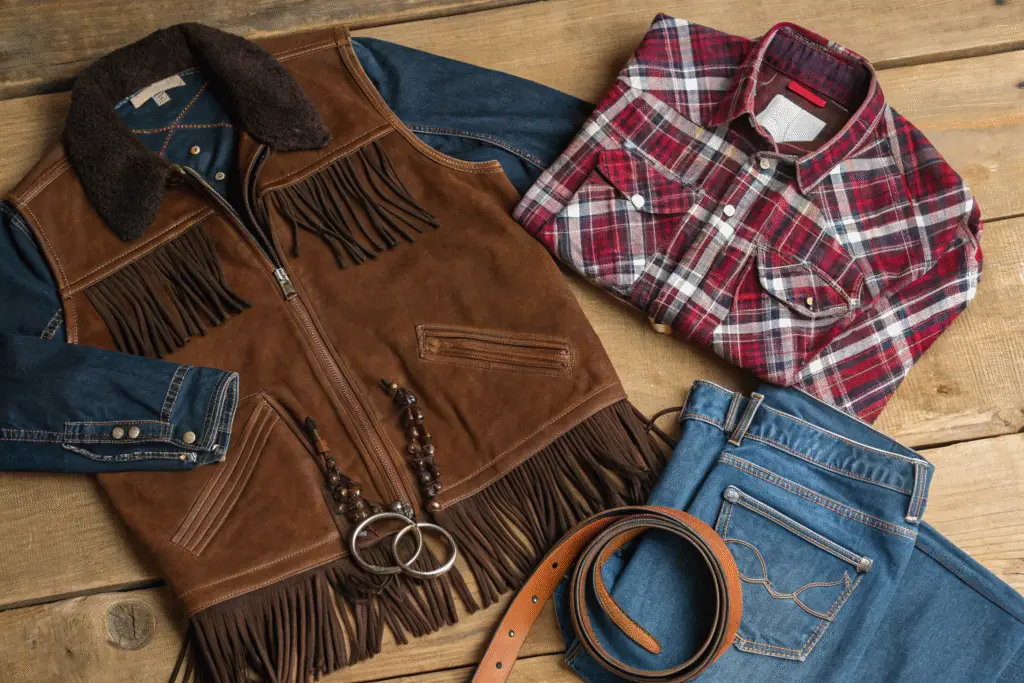
| Statement Outerwear | Fringed Jackets, Leather Vests | Instantly defines the Western look. |
| Bottoms | Bootcut & Straight-Leg Jeans | The authentic, classic silhouette. |
| Accessories | Leather Belts with Large Buckles | Completes the outfit with a focal point. |
Why Are Western Shirts a Wardrobe Staple?
The Western shirt is the cornerstone of the trend. It's defined by specific details like a yoke across the shoulders and chest, often decorated with embroidery or contrasting fabric. Snap closures, instead of buttons, are another authentic touch that offers a unique look and sound. These shirts are typically made from sturdy cotton or chambray, making them durable enough for daily wear. Their genius lies in their versatility; a well-made Western shirt can be worn on its own, layered under a sweater, or paired with a vest, providing multiple outfit options from a single item.
How to Choose the Right Western Jacket?
A Western jacket is a statement piece that pulls an entire outfit together. The two main types are the sherpa-lined denim jacket and the fringed suede jacket. The denim jacket offers a rugged, casual feel, while the suede jacket adds a bohemian, festival-ready vibe. When selecting jackets for your line, pay close attention to the quality of the lining, the security of the fringe attachment, and the overall cut. A good Western jacket should have a slightly boxy, comfortable fit to allow for layering, and the hardware (like snaps) should be robust and firmly attached to pass your stringent quality checks.
Why is Quality Control Non-Negotiable in Western Apparel?
For a trend built on durability and authenticity, poor quality is a death sentence. Your sensitivity to quality is well-founded, as consumers of Western apparel are discerning; they can spot inferior materials and shoddy construction from a mile away. A single batch of faulty goods can damage your brand's reputation and erode the trust you've built with your customers.
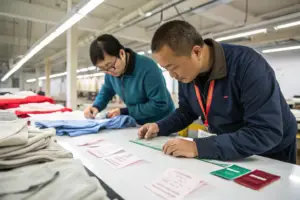
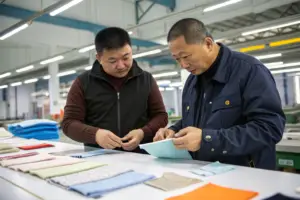
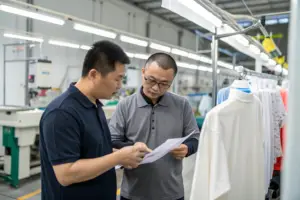
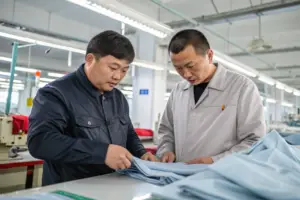
Quality control in Western apparel must be rigorous and multi-stage. It begins with inspecting the incoming fabrics and trims and continues through every step of the production process. The specific decorative elements that define the trend, like embroidery and fringe, are also potential failure points if not executed perfectly. A manufacturer that shares your commitment to quality will have a robust QC protocol in place, often exceeding standard industry practices.
How to Ensure Durability in Stitching and Fabric?
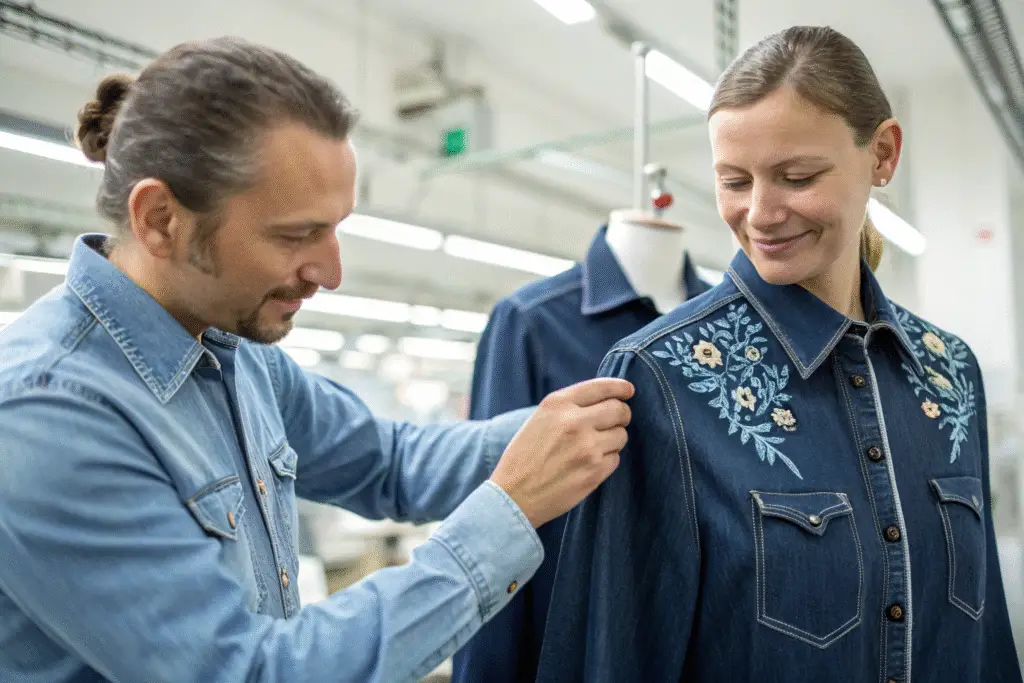
The durability of a garment is determined by its weakest stitch. For Western apparel, which often uses heavier fabrics, reinforced stitching at stress points (like pockets, seams, and yokes) is essential. You should ask your manufacturer about their stitch-per-inch (SPI) standards for different garment types. Furthermore, fabric inspection is critical. This includes checking for color fastness, shrinkage rates, and the absence of weaving defects. A reliable partner will provide fabric test reports and be transparent about their sourcing, directly addressing your concern about falsified certificates and ensuring the materials meet your exacting standards.
What Are the Common Pitfalls with Decorative Elements?
The very details that make Western apparel attractive are often where quality fails. Embroidery can have loose threads, incorrect colors, or even puckering of the underlying fabric if not done properly. Fringe can be sewn on with weak thread that breaks, or it can be unevenly cut. Snaps and hardware can be cheap plated metal that chips or breaks with use. Your quality control protocol must include a detailed check of these decorative elements on a sampling of garments from every production run. This proactive approach prevents the all-too-common issue of discovering flaws only after the entire shipment has arrived.
Conclusion
The Western trend offers a powerful and enduring opportunity for apparel brands. Its key features—premium natural materials, authentic decorative details, and versatile core pieces—resonate deeply with consumers seeking style and substance. Success in this niche, however, hinges on a commitment to genuine quality and a reliable, transparent manufacturing partnership. Understanding the aesthetic is crucial, but it is the execution that ultimately determines market success.
To truly capitalize on this trend, you need a manufacturing partner who understands these nuances and can deliver on their promises consistently. If you are looking for a reliable, high-quality manufacturer to bring your Western apparel visions to life with exceptional attention to detail and a firm commitment to on-time delivery, we should talk. Let's discuss how we can become your trusted partner. Please contact our Business Director, Elaine, at elaine@fumaoclothing.com to start the conversation.