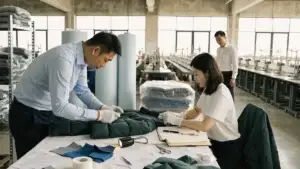
As a garment factory owner, I see the fabric trends for Summer 2025 not just as a forecast, but as a critical roadmap for production planning. For brand owners and buyers like you, getting ahead of these trends is key to securing market share. The right fabric choice directly impacts your sales, customer satisfaction, and brand reputation. Let's dive into the materials that will define the upcoming season.
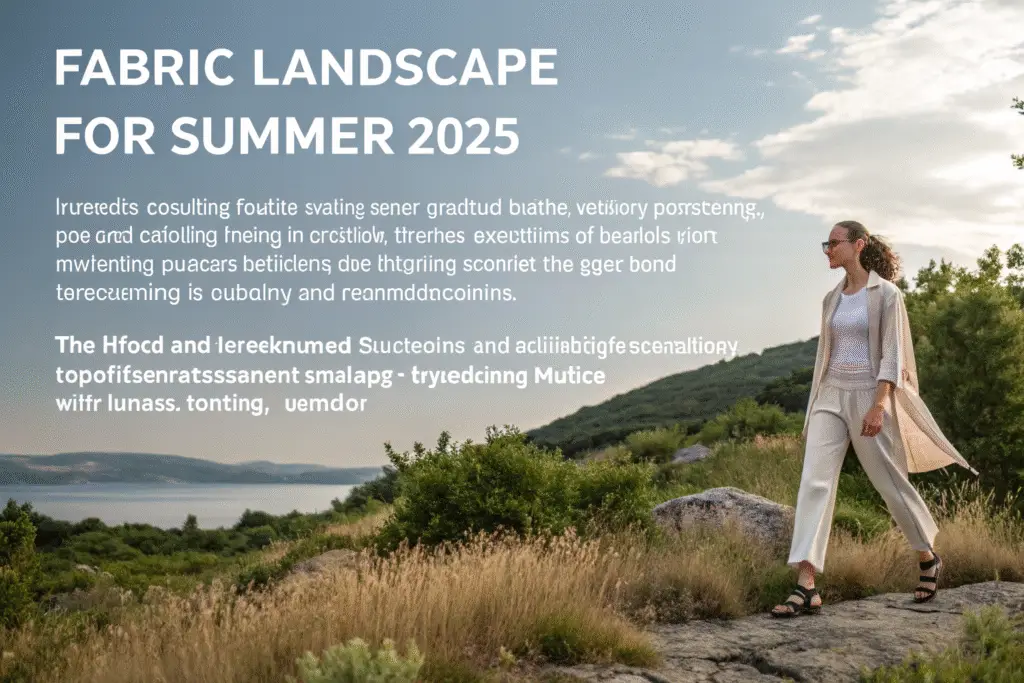
The Summer 2025 fabric landscape is defined by a powerful fusion of nature and technology. Expect to see a strong emphasis on innovative cooling textiles, plant-based and regenerated materials, lightweight performance fabrics for an active lifestyle, and textural naturals that offer both comfort and visual appeal. These trends are driven by a growing consumer demand for clothing that is not only stylish but also comfortable, sustainable, and functional in warmer climates.
Staying on top of these trends can feel overwhelming. This guide will break down the top four fabric trends for Summer 2025, giving you a clear understanding of what to source for your next collection. We will explore the benefits and practical applications of each, helping you make informed decisions for your brand.
What Are the Best Cooling Fabrics for Hot Weather?
Keeping cool is a top priority for summer collections. The demand for fabrics that actively help regulate body temperature is higher than ever. For 2025, the focus is on advanced materials that go beyond traditional cotton to provide genuine cooling sensations and superior moisture management.
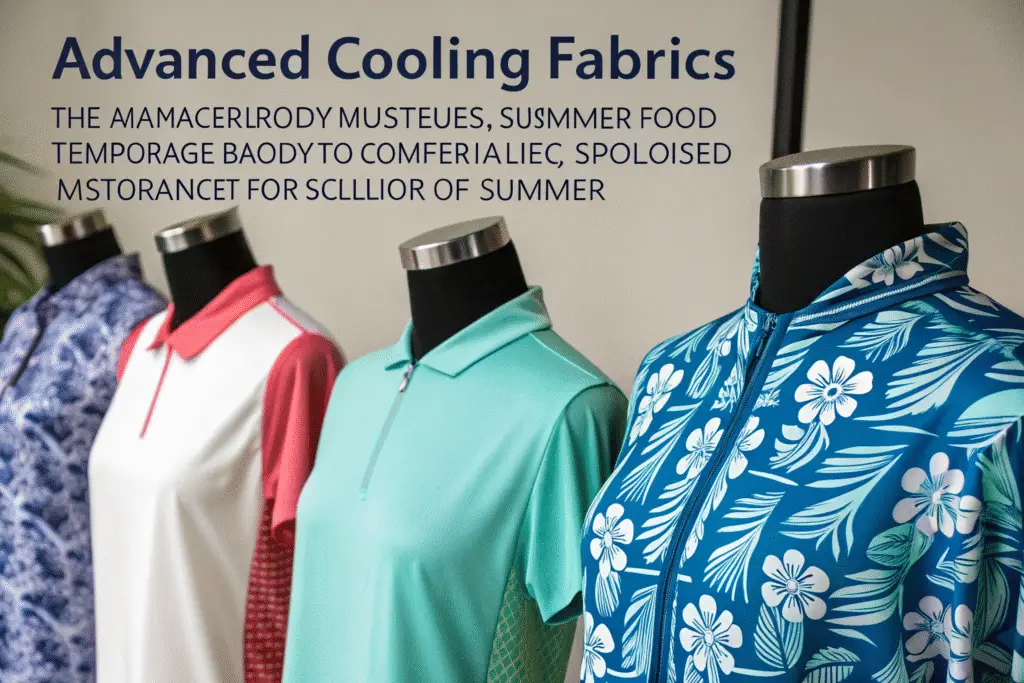
The best cooling fabrics for Summer 2025 combine moisture-wicking properties with breathability and a light feel. While cotton is a classic, new-age materials like technical linen blends and performance lyocell are leading the trend. These fabrics are engineered to pull sweat away from the skin and allow for maximum air circulation, ensuring the wearer stays dry and comfortable even on the hottest days. This makes them ideal for a wide range of apparel, from daily casual wear to office-appropriate styles.
How Do Advanced Linen Blends Enhance Comfort?
Traditional linen is loved for its breathability but often criticized for wrinkling. Advanced linen blends for 2025 solve this by mixing linen with materials like Tencel or recycled polyester. This fusion enhances the fabric's drape, reduces creasing, and increases its durability. For you, as a buyer, this means offering customers garments that have the rustic, premium look of linen but with much easier care. A linen and lyocell blend shirt, for instance, provides exceptional moisture management and a silky-smooth hand feel, elevating the perceived value of your product. This is perfect for creating high-end summer shirting and relaxed trousers that appeal to a discerning market.
Why is Moisture-Wicking Performance Crucial?
Moisture-wicking is no longer just for sportswear; it's a baseline expectation for summer fashion. Fabrics with excellent wicking capabilities, such as certain micro-modal weaves and advanced cotton treatments, quickly move perspiration to the fabric's outer surface where it can evaporate. This process keeps the skin dry and prevents the uncomfortable, clammy feeling associated with non-technical fabrics. By sourcing performance fabrics with certified wicking properties, you directly address a key consumer pain point. This leads to higher customer loyalty and fewer returns, as the functional benefit meets the aesthetic one. Ensuring your supplier understands and can provide verified quality control for these performance attributes is essential.
Which Sustainable Fabrics Are Gaining Popularity?
Sustainability is a core decision-making factor for modern consumers. For Summer 2025, eco-friendly fabrics are evolving from a niche offering to a mainstream necessity. Brands that proactively integrate these materials into their lines will strengthen their market position and appeal to a growing environmentally conscious audience.
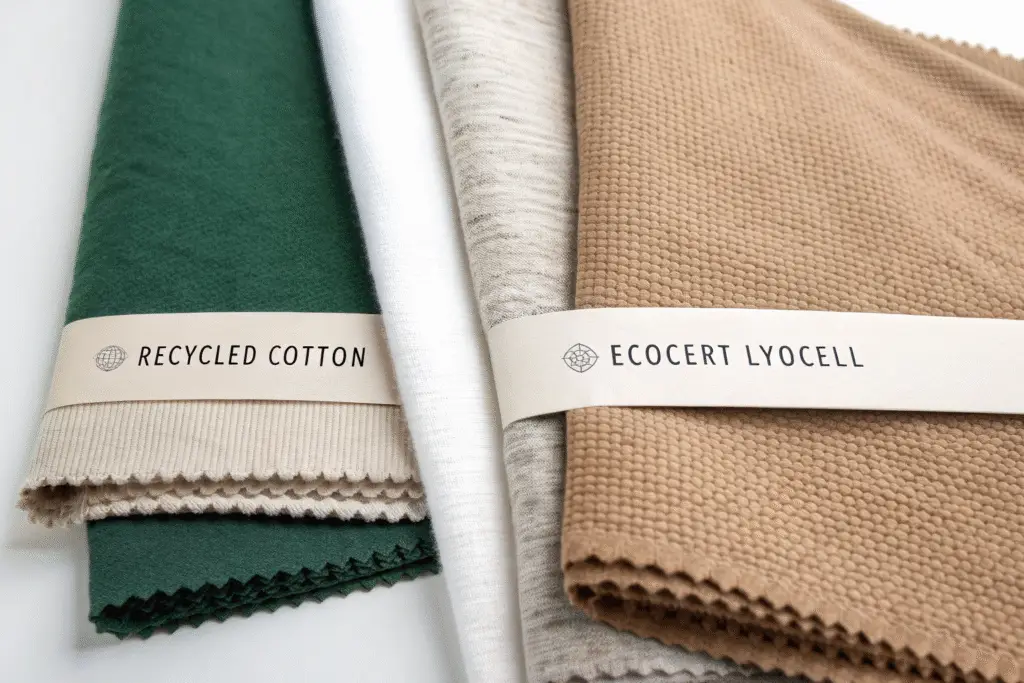
The most popular sustainable fabrics for the upcoming season are those with transparent and traceable origins. Recycled cotton and ECOCERT Lyocell are at the forefront, alongside other plant-based fibers. These materials significantly reduce water and energy consumption during production compared to their conventional counterparts. The appeal for your brand is twofold: you meet consumer demand for responsible products and future-proof your supply chain against tightening environmental regulations. Offering garments made from these fabrics can be a powerful part of your brand's story.
What Makes Recycled Cotton a Smart Choice?
Recycled cotton is produced from post-industrial and post-consumer cotton waste, diverting textiles from landfills. This process conserves vast amounts of water and reduces the environmental footprint of your garments. From a practical standpoint, the quality of recycled cotton has improved dramatically, now rivaling that of virgin cotton in terms of softness and durability. Sourcing this material demonstrates a tangible commitment to circularity. When partnering with a manufacturer, it's crucial to verify their access to certified recycled cotton sources to ensure the integrity of your product claims and avoid any issues with falsify certificates.
How Can Plant-Based Fibers Boost Your Brand Image?
Plant-based fibers like Tencel™ Lyocell and Monocel® (derived from bamboo) are celebrated for their closed-loop production processes, where most solvents and water are recycled. These fabrics are inherently biodegradable, soft, and breathable. Using them in your summer collections allows you to market a product that is not only comfortable but also ethically sound. This can significantly enhance your brand image and attract partnerships with like-minded retailers. Clearly communicating the sustainable nature of these materials on hangtags and in marketing builds trust and can justify a premium price point, directly impacting your profit model.
| Fabric Type | Key Sustainable Feature | Ideal Summer 2025 Application |
|---|---|---|
| Recycled Cotton | Reduces textile waste and water usage. | T-shirts, casual shorts, denim. |
| ECOCERT Lyocell | Closed-loop process, biodegradable. | Blouses, dresses, premium polos. |
| Hemp Blends | Grows with minimal water and no pesticides. | Woven shirts, lightweight jackets. |
| Recycled Polyester | Made from PET bottles, reduces plastic waste. | Activewear, outerwear, swimwear. |
How to Style Lightweight and Textured Materials?
Summer 2025 is about fabrics that feel as good as they look. Lightweight and textured materials add depth, movement, and a tactile luxury to garments. They allow for creative designs that are both fashionable and functional for the heat, moving beyond flat, basic weaves.
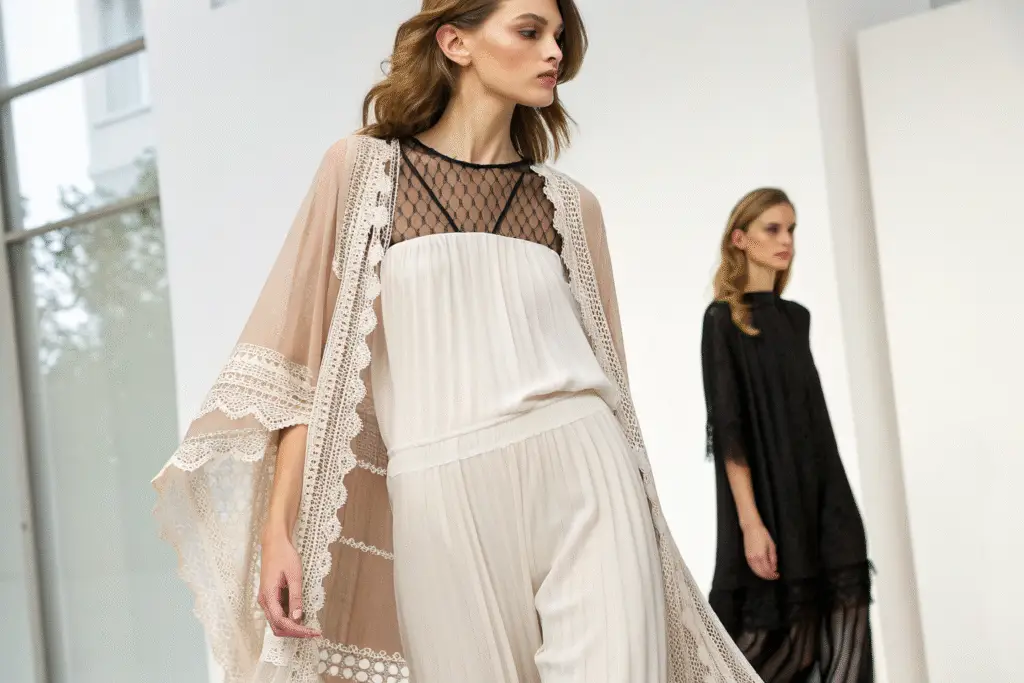
Styling these materials involves playing with contrasts and embracing effortless elegance. Think sheer layers over solid underlays, or textured knitwear paired with smooth, flowing bottoms. The key is to let the fabric itself be the star of the garment. For your brand, this means focusing on designs that highlight the unique properties of the material, whether it's the crinkled effect of a plisse cotton or the delicate open weave of a lace trim. This approach creates visually interesting pieces that stand out in a crowded market.
What are the Top Textured Weaves for Summer?
The top textured weaves for Summer 2025 include seersucker, piqué, and slubbed linens. Seersucker's signature puckered surface creates air pockets that enhance breathability, making it perfect for shirts and suits. Piqué, known from classic polo shirts, offers a subtle texture that adds a sporty-chic element. Slubbed linens and cottons provide a natural, irregular texture that conveys a handcrafted, artisanal quality. Incorporating these weaves into your woven garments like blouses and trousers instantly elevates the collection, offering variety and a premium touch without complicated design elements.
Can Sheer Fabrics Be Incorporated Professionally?
Absolutely. Sheer fabrics like chiffon and georgette are being styled for professional settings through strategic layering. A sheer blouse with a matching camisole underneath, or a dress with sheer sleeves, adds a touch of sophistication and modernity. For your brand, this trend allows for the creation of versatile pieces that can transition from day to night. The critical factor is the quality of the sheer fabric itself and the precision of the manufacturing process to ensure clean finishes on seams and hems, which we achieve through our rigorous quality assurance protocols.
Are Durable Fabrics Still Important for Summer Fashion?
Durability might not be the first thing that comes to mind for summer, but it is a silent factor that drives customer satisfaction and repeat business. Summer clothes are subjected to frequent washing, sun exposure, and active wear. Fabrics that deteriorate quickly lead to unhappy customers and damage your brand's reputation for quality.
Durable fabrics remain critically important. The trend for 2025 is towards materials that are both lightweight and strong. High-twist cotton poplin and reinforced nylon blends in activewear are excellent examples. These fabrics resist pilling, fading, and tearing, ensuring that the garments last for multiple seasons. For your business, this means fewer customer complaints and a higher perceived value for your products. It's a key component in building a brand known for top quality and reliability.
How Does Fabric Strength Impact Customer Loyalty?
The strength and longevity of a fabric directly impact the customer's experience with your brand. A customer who buys a shirt that shrinks, fades, or develops holes after a few washes is unlikely to purchase from you again. Conversely, a garment that holds its shape, color, and integrity encourages repeat purchases and positive word-of-mouth. By prioritizing durable materials in your sourcing, you invest in long-term customer relationships. This is why we implement strict quality control checks for colorfastness and tensile strength on all our apparel production runs.
What Role Does Fabric Technology Play in Longevity?
Modern fabric technology plays a huge role in enhancing durability without compromising on weight or comfort. Treatments for UV protection prevent color fading, while enzyme washing techniques create a soft hand feel without weakening the fibers. Stain-resistant and wrinkle-free finishes also help garments maintain a fresh, new look for longer. When you partner with a manufacturer that has expertise in these advanced fabric treatments, you add significant value to your end product. This technical edge can be a unique selling proposition, especially in competitive markets like North America and Europe.
Conclusion
Understanding and acting on the fabric trends for Summer 2025 is a strategic move for any forward-thinking apparel brand. From advanced cooling textiles and sustainable materials to lightweight textures and proven durability, the right fabric choices will set your collection apart. These materials meet the modern consumer's demand for comfort, responsibility, style, and longevity. By integrating these trends, you are not just creating clothes; you are building a brand that resonates with the values and needs of the market.
Partnering with a reliable manufacturer who can source, develop, and produce with these fabrics is the next critical step. At Fumao Clothing, we have the expertise and production capability to bring your Summer 2025 vision to life with quality and efficiency. Let's discuss how we can become your trusted manufacturing partner. For a direct conversation about your production needs, please contact our Business Director, Elaine, at elaine@fumaoclothing.com.