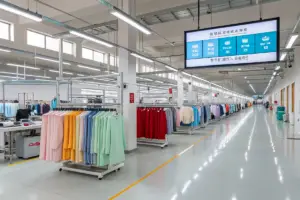
The global apparel industry is a giant. It touches every corner of the world and every person's life. For business owners like you, understanding its scale is not just a number. It is about seeing the vast opportunity and knowing where your brand can win. You need to grasp the market size to make smart sourcing and growth decisions.
The global apparel market is a multi-trillion dollar sector, demonstrating immense scale and consistent growth driven by global demand for clothing and fashion. This market includes everything from everyday basics to high-end luxury goods. Its size reflects the endless demand for what we wear. For American brands sourcing globally, this vast market means huge potential. It also means competition is fierce. Partnering with a reliable manufacturer becomes your key advantage.
Let's dive into the numbers and trends that define this massive industry. This knowledge will help you position your brand for greater success.
What is the current value of the global apparel market?
The sheer value of the apparel market can be staggering. It shows the economic power of fashion. For a business owner, this number confirms you are in a high-reward industry. It validates your decision to source and sell apparel.
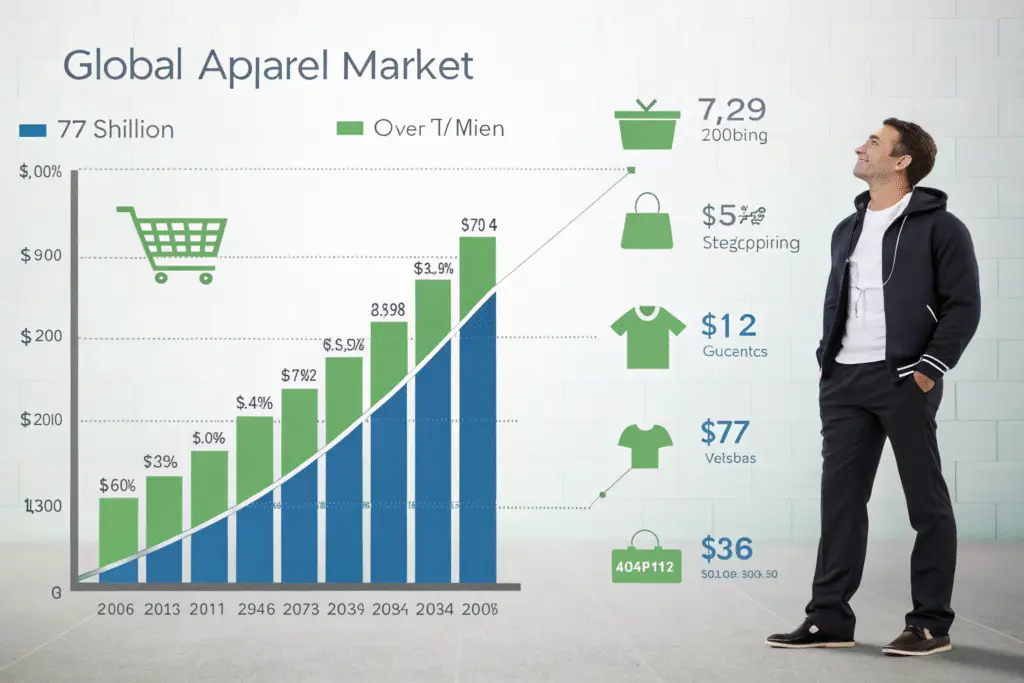
The global apparel market was valued at approximately $1.7 trillion in 2023. Experts project it will grow to over $2 trillion by 2030. This growth is not slowing down. It is powered by rising populations, increasing incomes, and the constant need for new clothing. This positive trend means your business has room to expand. You can tap into this growing demand with the right production partner.
What factors are driving this massive valuation?
Several key engines push the market value higher. First, population growth means more people need clothes. Second, economic development in emerging markets gives millions more consumers the ability to buy new clothes. Third, the fast-paced nature of fast fashion encourages frequent purchases. Finally, the rise of e-commerce has made shopping for clothes easier than ever. A reliable apparel manufacturer helps you navigate this demand efficiently.
How does market value translate to my business profitability?
A large market value means more potential customers for your brand. However, it also means more competition. Your profitability hinges on your ability to stand out. You can do this through unique designs, superior quality, and competitive pricing. This is where your sourcing strategy becomes critical. Partnering with a factory that offers full-package production ensures you control costs and quality. This direct control protects your profit margins in a crowded market.
Which regions dominate the apparel manufacturing landscape?
Knowing where clothes are made is as important as knowing the market size. The manufacturing geography directly affects your costs, logistics, and quality control. Your sourcing choices in these regions define your supply chain's efficiency.
Asia is the undisputed leader in global apparel manufacturing. Countries like China, Vietnam, Bangladesh, and India collectively account for a massive share of the world's clothing production. China, with its mature infrastructure and vast capacity, remains the top player. However, other regions like Central America and Eastern Europe also serve important roles, especially for markets requiring faster shipping times to the West.
Why is Asia the central hub for clothing production?
Asia's dominance is no accident. It is built on a powerful combination of factors. The region offers a massive and skilled labor force. It has a well-established and complete supply chain for fabrics, trims, and accessories. This ecosystem creates unparalleled efficiency and scale. Furthermore, decades of experience have honed the technical expertise of Asian factories. This makes them capable of producing everything from simple t-shirts to complex technical outerwear.
What are the key benefits of sourcing from China?
Sourcing from China provides distinct advantages that are hard to match. As a factory based in China, we offer:
- Scale and Speed: We can handle large orders and meet tight deadlines due to our robust production lines.
- Quality Control: We have implemented rigorous quality control processes to meet international standards.
- End-to-End Service: We manage everything from material sourcing to final packaging, simplifying your workflow.
- DDP Expertise: We expertly handle DDP (Delivered Duty Paid) logistics, ensuring a smooth door-to-door delivery to the U.S., which eliminates hassle for you.
How is consumer behavior shaping the apparel market?
The market is not just growing; it is changing. Today's consumers have new expectations. Their buying habits directly influence what brands should produce and how they should operate. Understanding these shifts is key to staying relevant.
Modern consumers are more informed and demanding. They prioritize value, quality, and sustainability. The rise of online shopping and social media has also created a demand for faster fashion cycles and unique styles. For brands, this means you cannot just sell generic products. You need a supplier that can be agile, offer customization, and help you build a brand that resonates with these new consumer values.

What do today's consumers expect from clothing brands?
Today's consumers look for more than just a low price. They want durable, well-made clothes that last. There is a growing interest in brands that demonstrate ethical and sustainable practices. Furthermore, consumers seek uniqueness. They love brands that offer limited runs or customizable options, moving away from mass-produced, identical items. This shift is a golden opportunity for brands that partner with a factory capable of small-batch, high-quality production.
How can I adapt my product line to these new trends?
Adapting your product line requires a flexible and responsive manufacturing partner. You should focus on:
- Quality Over Quantity: Invest in better materials and construction to justify a higher price point and build brand loyalty.
- Offering Customization: Work with a factory that allows customizable logos and unique design elements to make your brand stand out.
- Exploring Niche Categories: Consider expanding into growing segments like premium activewear or sustainable kids' wear to capture specific consumer interests.
What are the future growth projections for the apparel industry?
Looking ahead is essential for strategic planning. The apparel industry's future is bright, but it will evolve. Knowing the growth projections helps you prepare your business for the opportunities and challenges of tomorrow.
The industry is expected to see steady growth of around 4-5% annually. This growth will not be uniform across all segments. Categories like sportswear, luxury apparel, and sustainable fashion are projected to outpace the overall market. E-commerce will continue to grab a larger share of total sales. For forward-thinking brands, this means aligning your product development and sourcing with these high-growth areas.
Which apparel categories show the most promising growth?
Some categories are set to grow faster than others. Activewear and Sportswear continue their strong momentum as health and wellness remain a priority. Sustainable and Ethical Fashion is moving from a niche to a mainstream demand. Personalized and On-Demand Clothing is also rising, catering to the consumer's desire for uniqueness. Positioning your brand in these growing segments can give you a significant edge.
How can I future-proof my apparel sourcing strategy?
To build a sourcing strategy that lasts, you need a partner, not just a supplier. You should:
- Build a Strategic Partnership: Find a manufacturer who understands your long-term vision and can grow with you, offering advice and flexibility.
- Diversify Your Product Range: Don't rely on a single product type. A partner that can produce knitwear, wovens, and outerwear gives you the agility to pivot.
- Embrace Efficient Logistics: Ensure your manufacturer has a proven track record of reliable delivery and can manage complex international shipping, preventing the nightmare of missed selling seasons.
Conclusion
The global apparel industry is a vast and growing ecosystem, currently valued at over $1.7 trillion. We have seen that its growth is driven by powerful regional manufacturing hubs, evolving consumer behaviors, and promising future categories like activewear and sustainable fashion. For an ambitious American brand, these numbers represent a world of opportunity. Success in this competitive landscape depends on more than just a good design; it requires a strategic, reliable, and efficient manufacturing partner who can turn your vision into a market-ready product consistently and on time.
To truly capitalize on this market size, you need a manufacturing extension that understands your goals. We, at Fumao Clothing, are that partner. We provide the quality, customization, and reliable delivery you need to compete and win. Let's discuss how we can help you build your next successful clothing line. For a direct conversation about your production needs, please contact our Business Director, Elaine, at elaine@fumaoclothing.com.