Staying ahead of the curve is not just an advantage; it’s a necessity in the fast-paced U.S. fashion market. As a seasoned apparel manufacturer partnering with American brands, we at Fumaо Clothing have our finger on the pulse of what’s next. This article will demystify the top trending fashion styles for 2025, giving you the actionable insights needed to plan your collections effectively and secure a competitive edge.
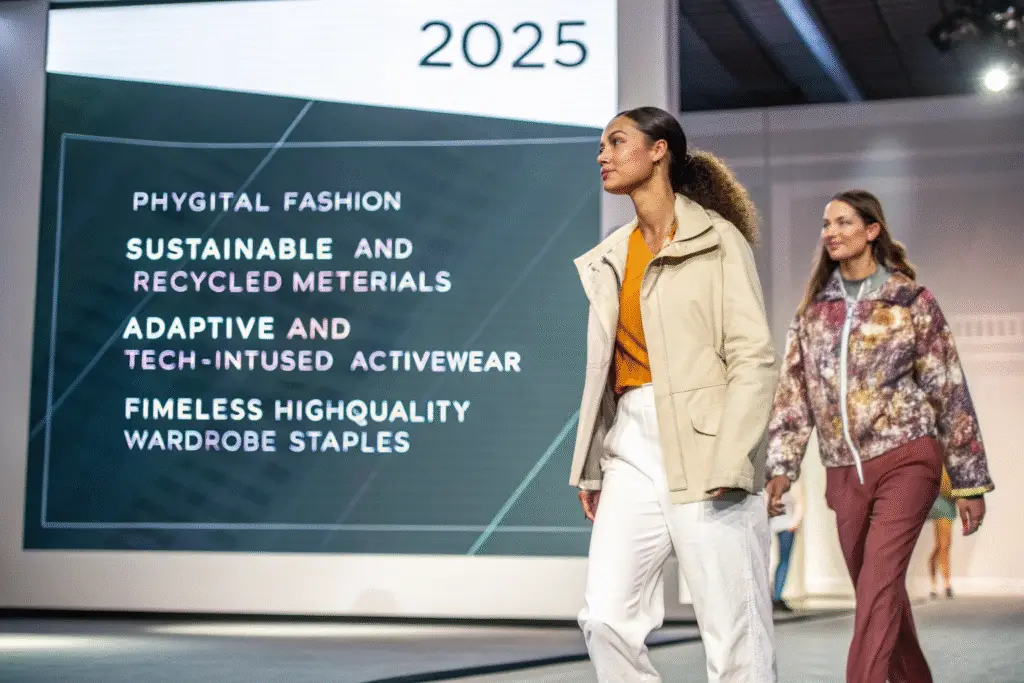
The top trending fashion styles for 2025 are defined by a fusion of digital influence, conscious consumerism, and versatile functionality. Key trends include the rise of "Phygital" fashion, a strong emphasis on sustainable and recycled materials, the dominance of adaptive and tech-infused activewear, and a renewed focus on timeless, high-quality wardrobe staples. Understanding these trends is crucial for any brand looking to succeed in the upcoming season. We will break down each of these key areas to provide a clear roadmap for your 2025 product development and manufacturing strategy.
Keep reading to discover the specific styles, materials, and manufacturing considerations for each major trend. This knowledge will empower you to make informed decisions and partner with a manufacturer who can turn these trends into profitable reality for your brand.
How is Digital Fashion Influencing 2025 Apparel Trends?
The line between the physical and digital worlds is blurring, creating entirely new categories for apparel. For brands, this means considering not just how a garment looks in real life, but also how it translates into the digital realm. This "phygital" approach is reshaping design, marketing, and even the very definition of a garment. Embracing this trend requires a manufacturer with flexibility and a forward-thinking mindset.
Digital fashion, often referred to as "phygital," is influencing 2025 trends by merging virtual clothing with physical garments. This includes designing clothes specifically for digital avatars, creating physical items with embedded digital identities (like NFTs or QR codes for authentication), and using augmented reality for virtual try-ons. This trend demands new design skills and an understanding of the metaverse fashion landscape. It also opens up new revenue streams for brands through digital-only collections and enhanced customer engagement.
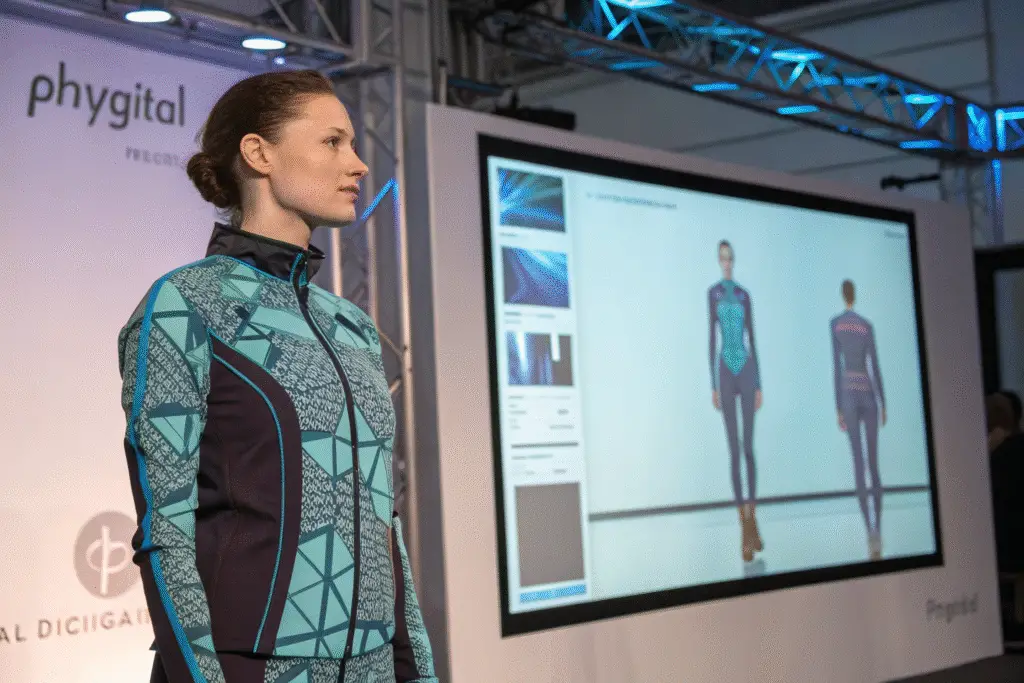
What is Phygital Fashion and Why Does it Matter?
Phygital fashion is the strategic integration of physical clothing items with their digital counterparts or experiences. It matters because it caters to a new generation of consumers who live hybrid lives. For example, a limited-edition physical hoodie can be sold with a unique digital version for the owner’s online avatar. This adds immense value and creates a collectible item. As a manufacturer, we are seeing more brands request this synergy. It requires precise product development to ensure the digital asset accurately reflects the physical product’s details, from color to texture. This trend is not a gimmick; it’s a new layer of brand storytelling and customer loyalty.
How Can AR and Virtual Try-Ons Boost Sales?
Augmented Reality (AR) and virtual try-ons directly address key online shopping pain points: fit and visualization. By allowing customers to see how a garment looks on their own body via their smartphone camera, these technologies significantly reduce hesitation and lower return rates. This boosts sales conversion and builds consumer confidence. For brands, implementing this means providing high-quality, accurate 3D models of your products. This starts at the manufacturing stage with detailed technical design and precise measurements. We work with brands to create the accurate digital assets needed to power these virtual try-on platforms, ensuring what the customer sees online is what they receive.
What Sustainable Materials Are Shaping 2025 Fashion?
Consumers are increasingly voting with their wallets for brands that prioritize the planet. Sustainability is no longer a niche interest but a core expectation. The trends for 2025 are moving beyond vague promises into tangible, material-led innovations. Sourcing and manufacturing with these materials is a powerful way to build brand trust and appeal to a conscious market.
The sustainable materials shaping 2025 fashion are innovations in recycled textiles and regenerative natural fibers. Key materials include recycled polyester (rPET) from plastic bottles, fabrics made from agricultural waste like fruit skins, and responsibly sourced organic cotton. There is also a growing demand for traceable materials where the entire supply chain is transparent. These materials are no longer just eco-friendly; they are becoming the quality standard for forward-thinking brands, offering durability and a unique story that resonates with modern shoppers.
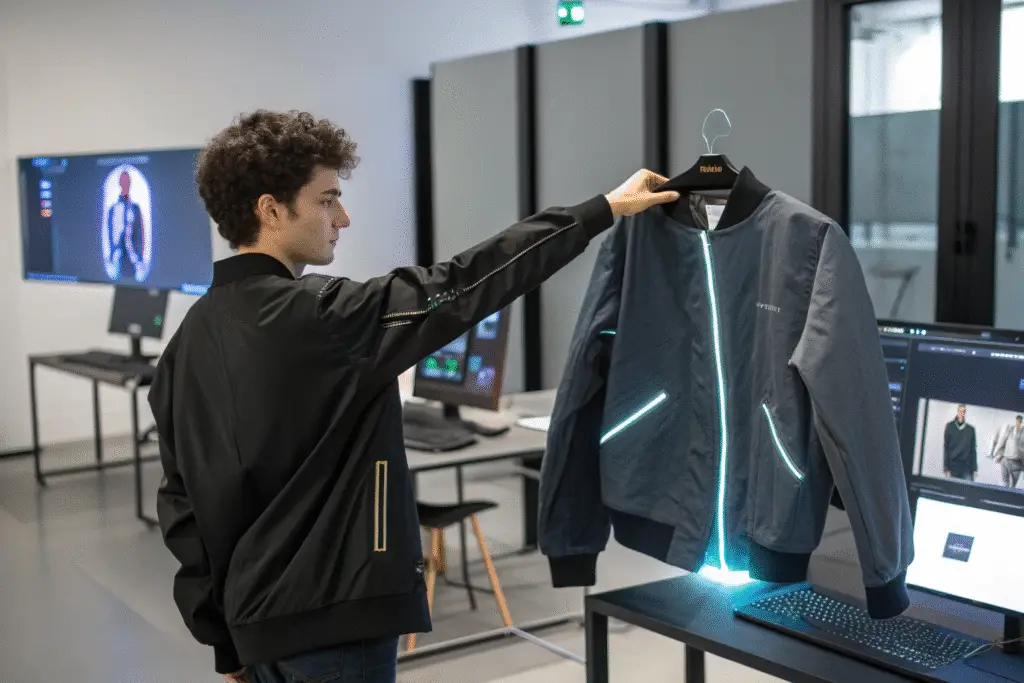
Why is Recycled Polyester a Top Choice for Brands?
Recycled polyester, or rPET, is a top choice because it directly tackles plastic waste while delivering high performance. It offers the same durability, moisture-wicking, and quick-drying properties as virgin polyester but with a significantly lower environmental footprint. For brands, this is a clear and communicable sustainability win. From a manufacturing standpoint, working with rPET requires expertise in sourcing certified recycled yarns and ensuring consistent quality and color fastness. We help our partners navigate this process, providing full-package manufacturing that integrates sustainable materials seamlessly into their activewear, outerwear, and even everyday basics.
How Does Organic Cotton Ensure Quality and Ethics?
Organic cotton ensures quality and ethics through a strictly controlled growing process. It is cultivated without synthetic pesticides or genetically modified seeds, which is better for the soil, farmers, and the ecosystem. The resulting fibers are often longer and stronger, leading to a softer, more durable, and higher-quality fabric. For brands, using organic cotton is a strong ethical statement that also translates to a superior product feel. It meets the demand for both quality and responsibility. Our quality assurance processes are tailored to handle these premium materials, ensuring that the final garment meets the high standards your customers expect.
Why is Tech-Infused Activewear Dominating the Market?
Activewear has evolved from gym-only clothing to all-day wear, and now it’s becoming integrated with technology. This trend is driven by a consumer desire for clothing that does more—monitors health, enhances performance, and adapts to different environments. For brands, this represents an opportunity to create high-value, innovative products that command a premium price.
Tech-infused activewear is dominating because it offers enhanced functionality, personalization, and a connection to the wider wellness ecosystem. This includes garments with integrated sensors for biometric tracking, phase-change materials that regulate body temperature, and smart fabrics with moisture management properties. This trend moves activewear beyond basic sportswear into the realm of wearable technology. It appeals to a health-conscious consumer and creates a deeper, data-driven relationship between the wearer and the brand.
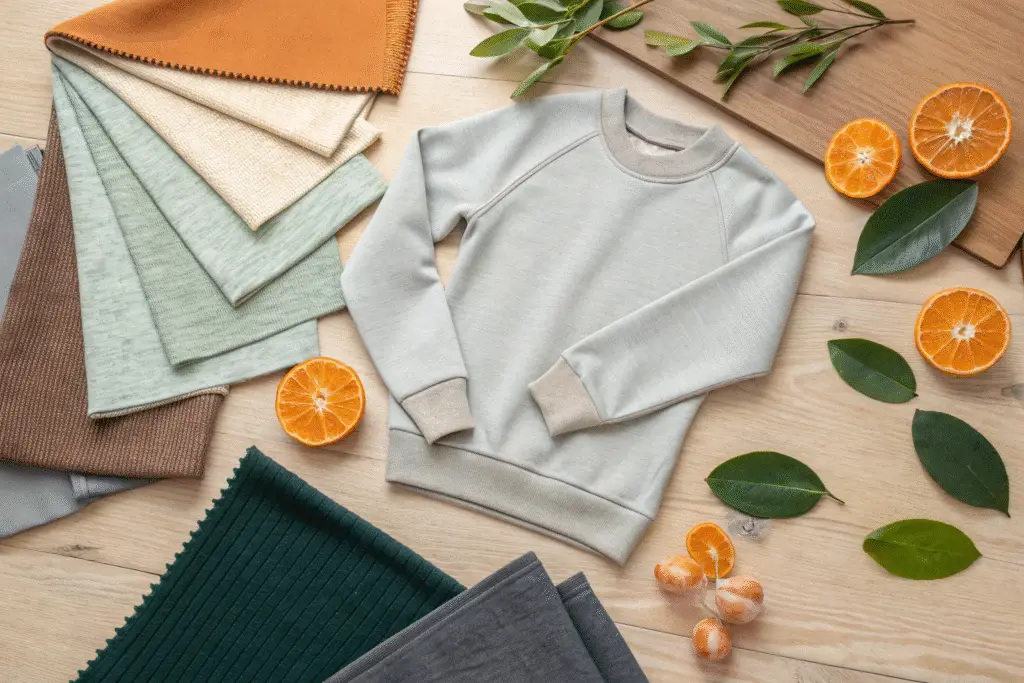
What are the Key Features of Smart Athletic Apparel?
The key features of smart athletic apparel focus on enhancing the user’s experience through technology.
| Feature | Benefit for the Wearer | Manufacturing Consideration |
|---|---|---|
| Biometric Sensing | Tracks heart rate, muscle activity, and calories burned. | Requires integration of conductive yarns and sensors during the knitting process. |
| Temperature Regulation | Uses phase-change materials to keep the body cool or warm. | Demands specialized fabric sourcing and precise quality control during production. |
| Moisture Wicking & Odor Control | Uses advanced fabrics and anti-microbial treatments. | Needs expertise in functional fabric finishing and testing for durability. |
Developing these features requires a close partnership between the brand’s vision and the manufacturer’s technical capabilities in garment production.
How to Integrate Technology into Sportswear Design?
Integrating technology into sportswear design requires a "tech-first" approach from the very beginning of the product development cycle. It’s not about adding a gadget to a finished garment, but about designing the fabric and the tech to work as one system. This involves collaborating with material scientists and technology partners early on. The design must prioritize user comfort, ensuring the tech is unobtrusive and the garment remains flexible and breathable. As a manufacturer, we focus on creating seamless constructions that protect the electronic components and ensure the product remains washable and practical for everyday use.
How to Source Timeless Styles with High-Quality Materials?
In reaction to fast fashion, there is a powerful counter-movement towards timeless, versatile, and high-quality wardrobe staples. These are the pieces that form the foundation of a consumer’s closet—items that are worn season after season. For brands, focusing on this trend means building long-term customer loyalty and reducing the risks associated with fleeting fads.
Sourcing timeless styles with high-quality materials involves a focus on classic silhouettes, superior fabrications, and impeccable construction. Think of perfectly tailored men’s wear blazers, essential women’s wear knitwear, and durable kids’ wear that can be handed down. The key is to invest in natural and durable blends like long-staple cotton, merino wool, and Tencel™. This approach requires a manufacturer that prioritizes quality assurance over speed and has expertise in working with these premium materials to create garments that truly last.
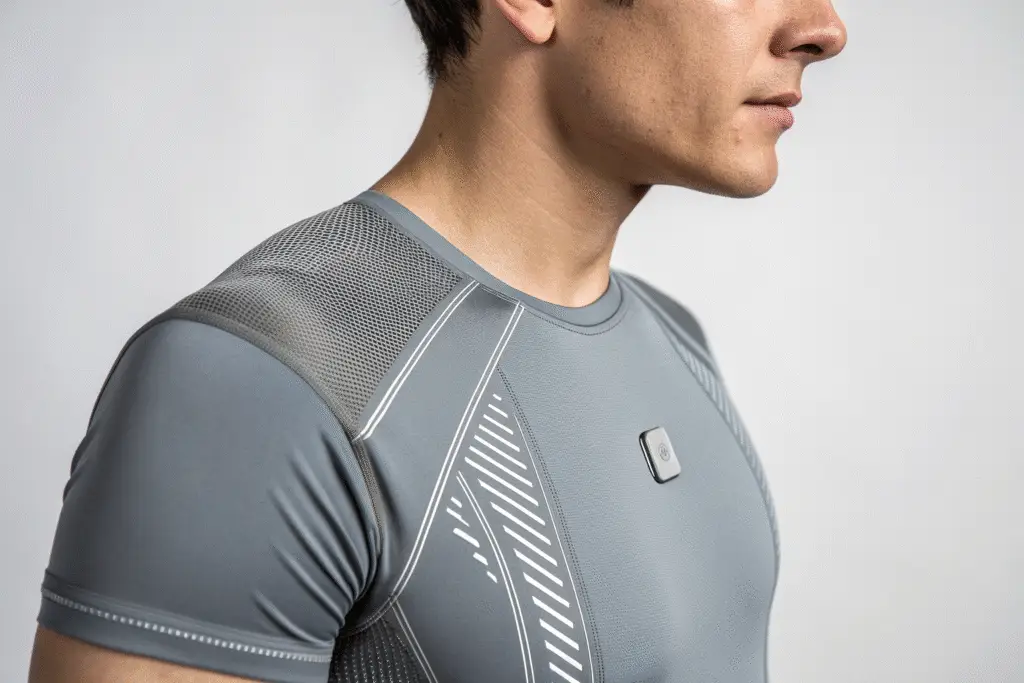
What Defines a Timeless Garment for Your Collection?
A timeless garment is defined by its classic design, versatile function, and exceptional quality. It is not swayed by short-term trends. Key characteristics include a neutral color palette, a flattering and simple silhouette, and a lack of loud logos. The true test of a timeless piece is its ability to be mixed and matched with other items in a wardrobe for multiple seasons. From a manufacturing perspective, achieving this requires meticulous attention to detail—from precise pattern making and fabric selection to reinforced stitching and quality finishing processes. We help brands build these foundational pieces that earn a permanent place in their customers’ closets.
Why is Fabric Sourcing Critical for Garment Longevity?
Fabric sourcing is the single most critical factor for garment longevity. The right fabric determines how a garment feels, how it wears over time, and how it maintains its shape and color after repeated washing. A high-quality, densely woven cotton will outlast a thin, loosely woven one. A sturdy woven fabric for trousers will resist tearing better than a flimsy alternative. Our role as a manufacturer is to guide brands in selecting the right materials for their intended use and price point. We leverage our sourcing networks to provide access to mills that produce durable, high-quality fabrics, ensuring the final product does not disappoint and reinforces your brand’s reputation for value.
Conclusion
The fashion landscape of 2025 is diverse, driven by digital innovation, environmental responsibility, smart functionality, and a return to enduring quality. Success will come to brands that can strategically navigate these trends and translate them into well-made, desirable products. Understanding the "what" is only the first step; the crucial next step is finding the right manufacturing partner who possesses the expertise, quality standards, and reliability to bring these concepts to life efficiently and at a competitive cost.
Navigating these trends requires a manufacturing partner who is more than just a producer, but a strategic ally. From sourcing innovative sustainable materials to integrating tech elements and ensuring the flawless construction of timeless pieces, the right partner makes all the difference. If you are planning your 2025 collections and want a reliable, high-value manufacturing extension for your brand, we are here to help. Let’s discuss how we can bring your apparel visions to market successfully. Please contact our Business Director, Elaine, at elaine@fumaoclothing.com to start the conversation.