For American apparel brands importing goods, customs clearance is a critical step. Delays can be costly, leading to missed selling seasons and unhappy customers. In today's fast-paced world, manual processes are no longer enough. This is where Artificial Intelligence (AI) comes in. AI is transforming customs clearance, making it faster, more accurate, and more predictable. But how can you, as a business owner, implement it effectively? This article will guide you through the best practices for leveraging AI to streamline your apparel imports from China and other manufacturing hubs.
Adopting AI-driven customs clearance is a best practice that involves using predictive analytics for accurate HS code classification, integrating blockchain for transparent documentation, leveraging machine learning for risk management, and partnering with tech-savvy suppliers who understand digital logistics. This approach minimizes delays, reduces costs, and ensures compliance.
Navigating customs can feel like a black box. Unexpected requests for documentation, classification errors, and unforeseen holds can disrupt your entire supply chain. As a clothing manufacturer with decades of experience exporting to the U.S., we have seen these challenges firsthand. By embracing AI-driven solutions, we have significantly improved the reliability of our delivery schedules for our partners. Let's explore how you can do the same.
How Can AI Accurately Predict HS Code Classification?
Misclassifying apparel with the wrong Harmonized System (HS) code is a major source of customs delays. A simple mistake can lead to fines, shipment seizures, or incorrect duty payments. AI tackles this problem head-on by moving beyond manual look-ups.
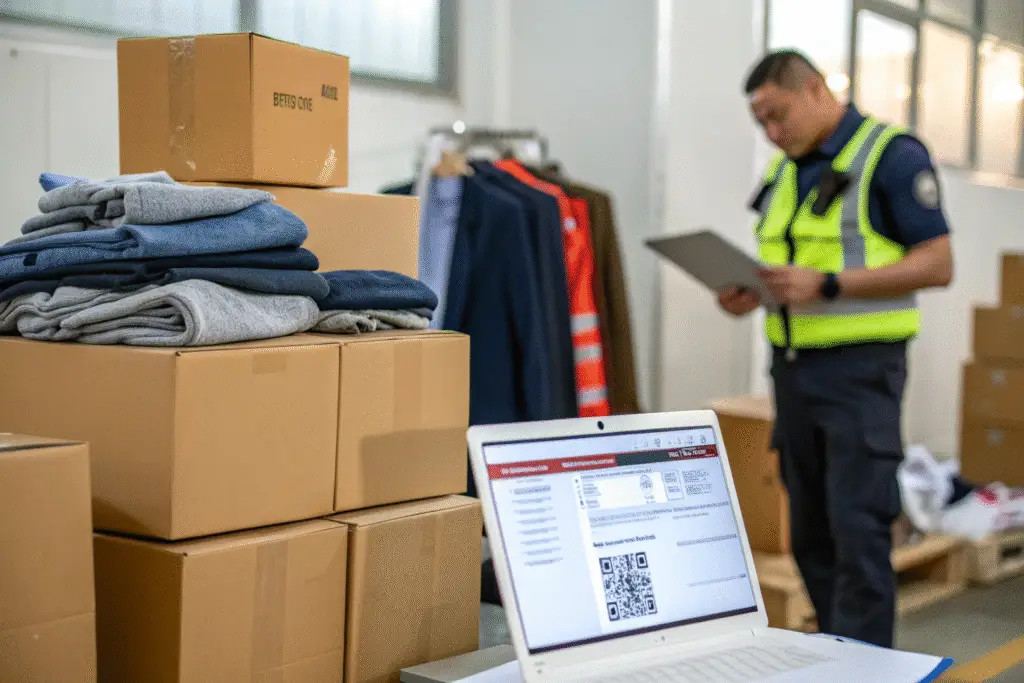
AI systems are trained on vast databases of historical shipment data and customs rulings. When you input a product description—like "men's knitted cotton polo shirt"—the AI analyzes it against millions of past entries. It doesn't just find a match; it predicts the most probable and accurate HS code based on the specific fabric, construction, and intended use. This drastically reduces human error.
What makes AI classification more reliable than manual methods?
The reliability comes from machine learning. Unlike a person who might have a long day, an AI algorithm consistently applies the same complex rules to every single product. It cross-references details like textile composition and garment type against updated regulatory databases. This ensures your classification is not only accurate today but also adapts to future rule changes. The system learns from each interaction, becoming smarter and more precise over time, which protects you from costly compliance issues.
How does predictive analytics help with duty optimization?
Beyond simple classification, advanced AI tools use predictive analytics to explore different scenarios. For instance, if a shirt has minor design variations, the AI can calculate the duty implications of classifying it under slightly different codes. This allows you to make informed decisions that can legally minimize your duty expenses. It turns customs classification from a reactive task into a strategic part of your product development and costing process, ensuring you get the best possible landed cost.
Why is Integrated Documentation Key to AI Efficiency?
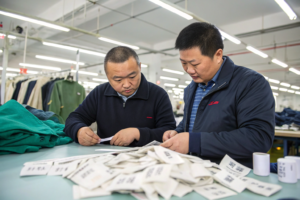
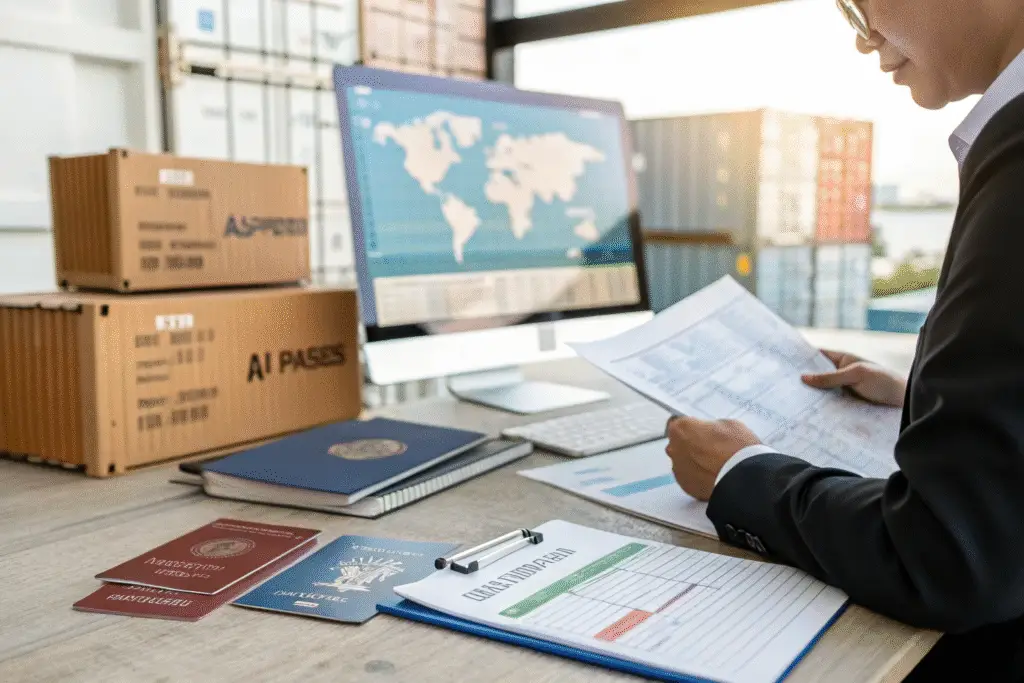
An AI system is only as good as the data it receives. Inconsistent or incomplete documentation is a primary reason for AI failures in logistics. The best practice is to have a fully integrated system where commercial invoices, packing lists, and certificates of origin are generated from a single source of truth and fed directly into the AI platform.
This eliminates the need for manual data entry, which is a common source of errors. When the AI can pull product descriptions, quantities, and values directly from your Enterprise Resource Planning (ERP) or Product Lifecycle Management (PLM) system, the information on the commercial invoice will perfectly match the data used for customs declaration. This harmony is what customs authorities look for.

Can blockchain technology secure my supply chain documents?
Yes, absolutely. Integrating AI with blockchain for supply chain documentation creates an immutable and transparent record. Each document, like a certificate of origin, is timestamped and cryptographically sealed. This makes it virtually impossible for documents to be altered or falsified—a key concern for many importers. When an AI system processes these verified documents, customs officials have a higher degree of trust, leading to faster approvals and fewer audits.
How does automated data flow prevent shipping delays?
Automation is the key. An integrated system ensures that as soon as a production order is completed, all necessary shipping and customs documents are automatically generated and queued for submission. The AI can then pre-submit this data to customs authorities days before the ship even arrives at the port. This "pre-clearance" process identifies potential problems early, giving you time to fix them without incurring demurrage charges. It turns a typically rushed process into a smooth, predictable workflow.
What Role Does Machine Learning Play in Risk Management?
Customs agencies worldwide use risk-based assessment models. Some shipments are flagged for intensive inspection based on various factors. AI and machine learning can help you understand and mitigate these risks before they cause a delay. It analyzes patterns in historical shipment data to identify what might trigger a red flag.
For example, the algorithm might learn that shipments containing a high volume of a specific textile from a particular region have a higher probability of inspection. With this insight, you can proactively prepare extra documentation or adjust your sourcing strategy. This is a proactive approach to compliance.
| Risk Factor | Traditional Approach | AI-Driven Approach |
|---|---|---|
| Supplier Compliance | Reactive; based on past audits. | Proactive; continuous monitoring of supplier certifications and performance data. |
| Classification Accuracy | Manual verification, prone to error. | Predictive coding with continuous learning from customs release data. |
| Documentation Errors | Corrected after customs rejection. | Flagged and corrected automatically before submission. |
| Regulatory Changes | Manually tracked, often with delay. | Automatically monitored and integrated into classification engines in real-time. |

How can AI prevent issues with falsified certificates?
This is a critical pain point for buyers like Ron. AI systems can be trained to verify the authenticity of certificates directly from issuing bodies. By cross-referencing certificate numbers, dates, and supplier information against official databases, the AI can flag discrepancies that would be invisible to the human eye. This provides an essential layer of supply chain due diligence and protects your brand from the reputational and legal damage associated with fraudulent documentation. It ensures your imports are compliant with all safety and ethical standards.
Is predictive logistics a real advantage?
Yes, it's a game-changer. Machine learning models don't just look at customs data; they analyze a multitude of variables, including weather patterns, port congestion, and airline schedules. This allows the AI to predict potential delays not just at customs, but throughout the entire journey. You can receive early warnings about possible disruptions and work with your logistics partner to reroute shipments, ensuring your products arrive in time for the selling season.
How to Choose a Supplier Proficient in AI-Driven Logistics?
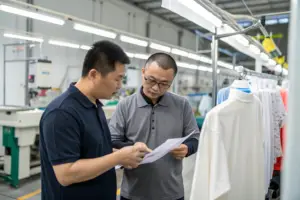
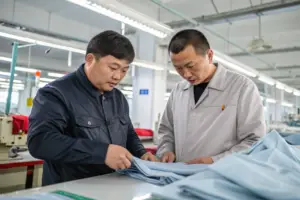
The best AI tool is useless if your manufacturing partner isn't proficient in using it. Your supplier should be an active participant in the digital logistics chain. When evaluating a potential partner, ask specific questions about their process. Do they use automated systems for generating documentation? How do they handle customs classification? What technology platforms are they integrated with?
A tech-savvy supplier will have answers ready. They will see themselves as an extension of your team, responsible not just for making the clothes, but for ensuring they reach you efficiently and reliably. This partnership is crucial for seamless AI integration.

What questions should you ask a potential supplier about their tech capabilities?
Go beyond asking "Do you use technology?". Ask pointed questions: "What system do you use for generating commercial invoices? Is it integrated with your production data?" or "How do you ensure the accuracy of your HS code classifications? Do you use a software-based tool?". Their answers will reveal their level of sophistication. A supplier who understands PLM for fashion and its connection to logistics is a valuable partner. Inquire about their experience with DDP (Delivered Duty Paid) shipments, as this Incoterm requires the supplier to have deep expertise in the destination country's customs processes.
Why is a supplier's communication style crucial for tech integration?
Efficient communication is the bedrock of successful tech integration. If you have to wait 24 hours for a response to a simple document request, the benefits of AI's speed are lost. Your supplier should have a responsive, professional team that uses modern communication channels. They should provide clear points of contact and be proactive in updating you. This ensures that when the AI system flags an issue, it can be resolved quickly through direct and efficient communication, preventing small problems from becoming major delays.
Conclusion
Implementing AI-driven customs clearance is no longer a luxury for apparel importers; it is a necessity for staying competitive. The best practices revolve around accuracy, integration, proactive risk management, and, most importantly, choosing the right manufacturing partner. By leveraging AI for HS code classification, integrating documentation systems, utilizing machine learning for risk assessment, and aligning with a technologically advanced supplier, you can transform customs from a bottleneck into a smooth, predictable process. This directly addresses core pain points like delayed shipments and communication inefficiencies, ensuring your products hit the market on time, every time.
Navigating the complexities of international trade requires a partner who is as invested in your success as you are. At Fumao Clothing, we have built our processes around these exact best practices. We combine high-quality apparel manufacturing with a deep understanding of digital logistics to offer a truly seamless experience for our U.S. partners. If you are looking for a reliable extension of your team that prioritizes on-time delivery through smart technology, let's talk. Please contact our Business Director, Elaine, at elaine@fumaoclothing.com to discuss how we can bring your next apparel order to market successfully.