Sourcing apparel for extreme environments like Antarctica presents a unique set of challenges. You need gear that can withstand the harshest conditions on Earth while ensuring the safety and comfort of the research team. The concept of "self-charging" gear, which integrates power-generating technologies for electronic devices, adds another layer of complexity. As a seasoned apparel manufacturer with extensive experience in technical outerwear, we understand the critical balance between advanced functionality, durability, and practical sourcing.
Successfully sourcing self-charging Antarctic research gear hinges on a meticulous, multi-stage process. It requires a deep understanding of technical fabrics, smart technology integration, stringent quality assurance protocols, and a manufacturing partner capable of managing complex, custom projects from concept to delivery. The key is to find a supplier who acts as a true partner, ensuring every component, from the outer shell to the integrated circuitry, meets the extreme demands of polar exploration.
This guide will break down the entire sourcing journey into manageable steps. We will explore how to define your technical requirements, select the right manufacturing partner, navigate the production process, and ensure flawless logistics. Our goal is to equip you with the knowledge to make informed decisions and secure a reliable supply chain for your most demanding projects.
What Are the Key Features of Antarctic-Grade Self-Charging Apparel?
When your end-users are scientists in Antarctica, the stakes are incredibly high. The apparel must be a seamless integration of extreme weather protection and smart, reliable technology. Getting the features right from the start is non-negotiable for both safety and performance.
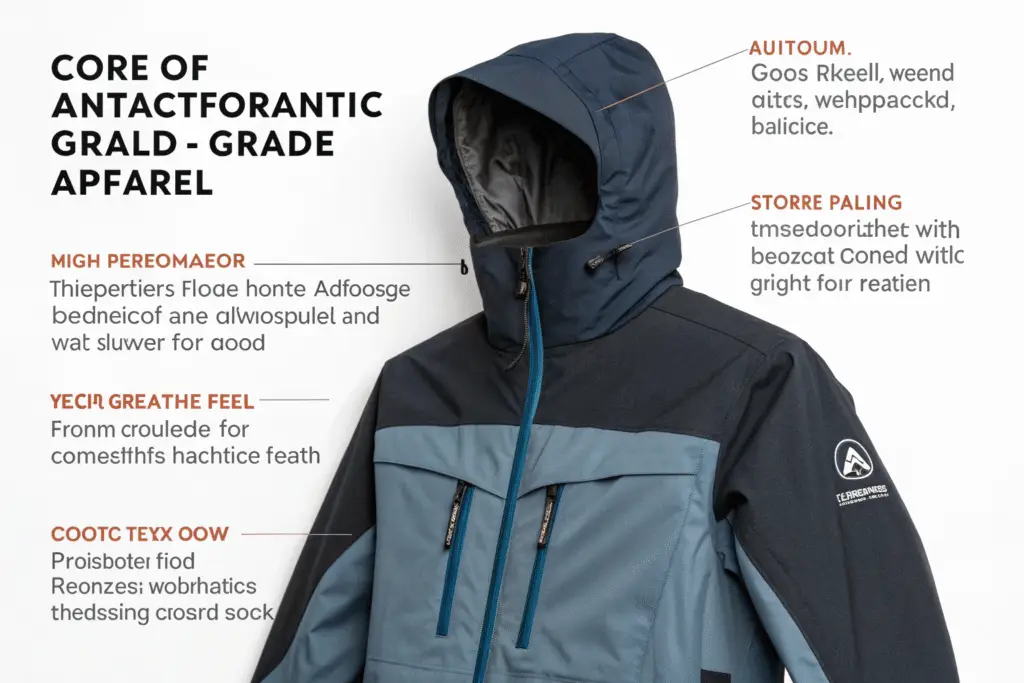
The core of Antarctic-grade apparel is its unparalleled protection against the elements. This starts with a high-performance outer shell fabric that is both waterproof and breathable, such as Gore-Tex or similar proprietary membranes. This shell must be complemented by premium insulation like goose down or advanced synthetics that retain heat even when wet. Seam sealing is critical to prevent moisture ingress through stitching holes. Furthermore, designs must include features like adjustable storm flaps, insulated hoods, and reinforced areas on shoulders and knees for durability against abrasion.
How Does Integrated Power Generation Work in Extreme Cold?
The "self-charging" aspect typically involves integrating flexible solar panels or thermoelectric generators into the garment. For solar integration, thin, durable photovoltaic films are laminated onto high-wear areas like the shoulders or back of a backpack. These panels capture light, even on overcast days common in polar regions. A critical challenge is battery performance in sub-zero temperatures. Sourcing requires specifying lithium-ion batteries designed for cold weather operation, often with built-in heating elements to maintain efficiency. The wiring connecting these components must be flexible and insulated to withstand constant movement and extreme cold without cracking. Partnering with a manufacturer experienced in wearable technology integration is essential to ensure these electronic systems are durable, safe, and effectively powered.
What Certifications Guarantee Quality and Safety?
For specialized gear, certifications are your objective proof of quality and safety. They are non-negotiable for reputable sourcing. Key certifications to demand from your supplier include:
- ISO 9001: This certifies that the manufacturer has a robust Quality Management System in place, ensuring consistency and continuous improvement.
- ISO 14001: Indicates an environmental management system, which is increasingly important for brands with sustainability goals.
- REACH / RoHS Compliance: Ensures the garment and its electronic components are free from hazardous substances.
- RDS (Responsible Down Standard): Certifies that any down insulation used comes from ethically sourced waterfowl.
A manufacturer holding these certifications demonstrates a commitment to professionalism and responsible production, directly addressing common pain points like certificate falsification.
How to Vet a Reliable Manufacturer for Technical Apparel?
Finding the right manufacturing partner is the most critical step in your sourcing journey. For complex technical apparel, you need more than just a factory; you need a solutions provider with proven expertise and a transparent operation. Vetting goes far beyond a simple price check.
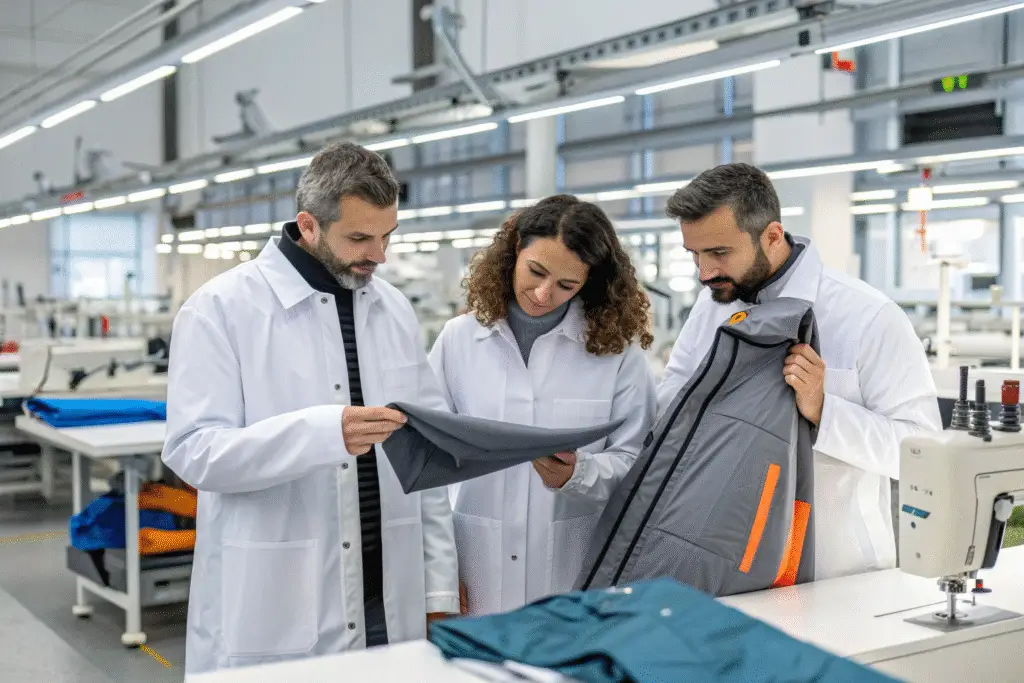
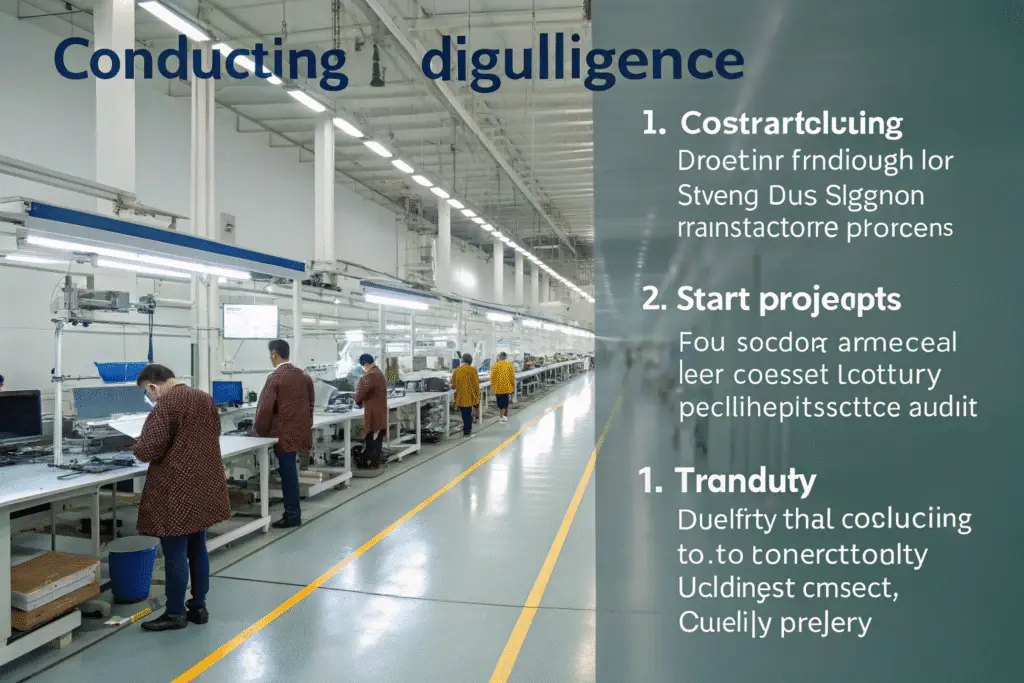
The first step is to conduct thorough due diligence. Start by verifying the company's business license and years in operation. A manufacturer with a long history, like our own, has likely navigated various challenges and refined its processes. Next, insist on a virtual or in-person factory audit. This allows you to see their production lines, quality control stations, and working conditions firsthand. It's also crucial to review their portfolio of past projects, specifically looking for experience with technical outerwear or integrated wearable technology. Don't hesitate to ask for references from other U.S. or European brands they have worked with.
What Questions Should You Ask During a Factory Audit?
A factory audit is your opportunity to dig deep. Prepare a list of specific questions to assess their capability and reliability. Key questions include:
- "Can you walk me through your specific quality control process for seam sealing and waterproof testing?"
- "What is your experience with sourcing and integrating specialized components like flexible solar panels?"
- "How do you manage production timelines, and what is your on-time delivery rate?"
- "What is your protocol if a production delay occurs? How do you communicate this to the client?"
- "Can you provide a detailed breakdown of your costing, including fabric, labor, and logistics?"
Their answers will reveal their transparency, communication style, and operational efficiency. A reliable partner will have clear, confident answers and welcome your scrutiny.
Why is a Small Batch Sample Order Essential?
Before committing to a full production run, always place a small batch sample order. This is the most effective way to test the manufacturer's actual capabilities. It allows you to evaluate the real-world quality of the garment, the functionality of the self-charging system, and the accuracy of the workmanship. Use this sample to conduct your own stress tests, such as water resistance checks and battery performance in a cold environment. This step mitigates your risk significantly. It also tests the manufacturer's communication and logistics on a smaller scale, giving you a preview of what a larger partnership would be like. It is a practical investment that can save you from costly mistakes.
What Does the Full-Package Production Process Look Like?
A full-package, or turnkey, production model is ideal for complex orders like self-charging gear. It means your manufacturer manages the entire process from concept to delivery, acting as your single point of contact and responsibility. This streamlined approach saves you time and reduces coordination headaches.
The process typically begins with product development and prototyping. Our technical designers work with your specifications to create patterns and a first sample. Once the sample is approved, we move to sourcing all raw materials—from technical fabrics and insulation to zippers, threads, and the integrated electronic components. Our established relationships with material suppliers often allow us to secure better prices and ensure material quality. Then, production planning begins, where we schedule the run across our production lines to meet your deadline. This end-to-end management is a core part of our apparel manufacturing services, designed specifically for brands that want a seamless experience.
How is Quality Control Implementated at Each Stage?
Robust quality control is integrated throughout the production process, not just as a final inspection. We implement a multi-stage QC system:
- Incoming Material Inspection: All fabrics and components are checked upon arrival against quality standards.
- During Production (DUPRO) Checks: Supervisors on the production line inspect garments at key stages, such as after sewing the main shell or before installing insulation.
- Final Random Inspection (FRI): After finishing, a statistically significant percentage of the batch is inspected against a detailed checklist for workmanship, function, and appearance.
For technical gear, additional tests like water pressure tests for the outer shell and functional checks of the charging system are mandatory. This layered approach prevents defects from moving down the line and ensures consistent quality.
What Logistics and Shipping Options are Best?
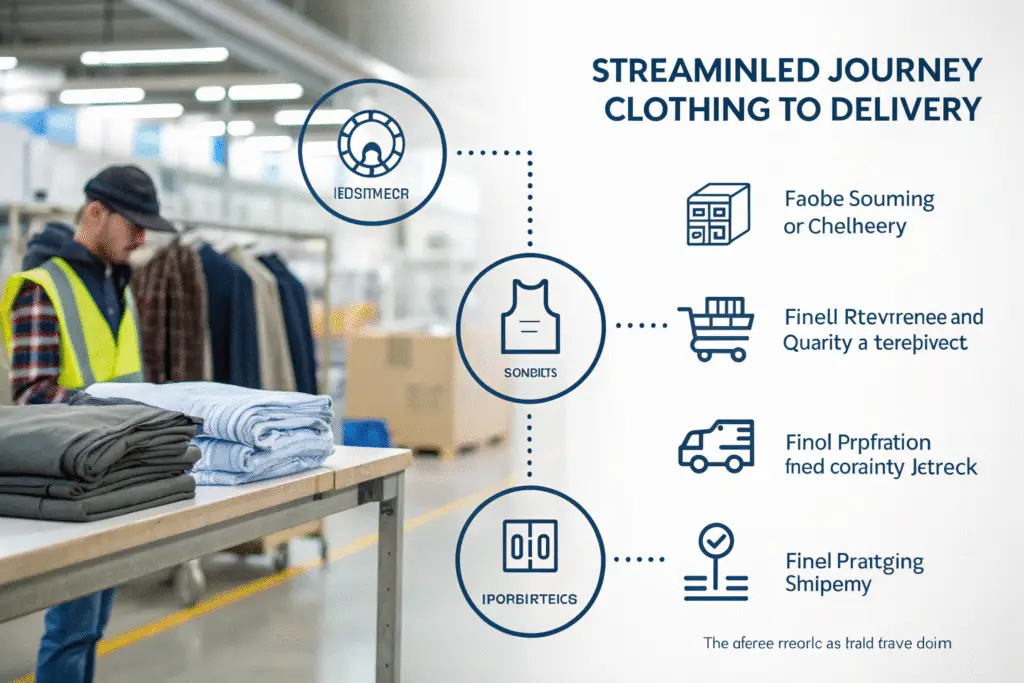
For U.S. clients, we strongly recommend and specialize in DDP (Delivered Duty Paid) shipping. Under DDP terms, we, the supplier, handle all costs and responsibilities for shipping, insurance, and most importantly, customs clearance and import duties into the United States. This provides you with complete cost predictability—no surprise fees upon arrival—and simplifies the process significantly. We arrange efficient logistics, often combining sea freight for cost-effectiveness on large orders with air freight options for urgent shipments. Our expertise ensures your goods clear customs smoothly and arrive at your designated warehouse on time.
How to Avoid Common Pitfalls in Sourcing Technical Gear?
Even with a good plan, sourcing can be derailed by common pitfalls. Being aware of these challenges and knowing how your manufacturing partner addresses them is key to a successful partnership. The goal is proactive problem-solving, not reactive firefighting.
One major pitfall is unclear communication, which leads to misunderstandings and errors. We combat this by assigning a dedicated project manager to each client. This single point of contact ensures consistent and efficient communication, providing regular updates and quickly addressing any questions. Another frequent issue is delays in the supply chain, which can cause you to miss your selling season. Our long-standing relationships with material suppliers and forward-planning help us mitigate this risk. We also provide transparent production schedules so you are always aware of your order's status.
How Can You Prevent Delays and Ensure On-Time Delivery?
Preventing delays requires a proactive approach from your manufacturer. We implement several strategies:
- Realistic Timeline Planning: We provide clear timelines upfront, factoring in buffer periods for material sourcing and production.
- Raw Material Inventory Management: For common technical fabrics, we often maintain strategic stock levels to avoid waiting for mill production.
- Advanced Production Scheduling: Our five dedicated production lines allow for flexible scheduling to prioritize time-sensitive orders.
- Transparent Communication: If any potential delay arises, we inform you immediately with a clear explanation and a revised plan. This honesty allows you to manage your expectations and downstream operations effectively.
What Are the Red Flags in a Supplier Agreement?
When reviewing a supplier agreement, watch out for these red flags:
- Vague Quality Standards: The agreement should specify exact quality benchmarks, reference specific certifications, and detail the acceptance criteria for your pre-shipment sample.
- Unclear Payment Terms: Terms should be structured in stages (e.g., deposit, progress payment, balance before shipment) to protect both parties.
- Ambiguous Liability Clauses: The contract must clearly state responsibilities for delays, defects, and logistics issues.
- No Protocol for Dispute Resolution: A good agreement includes a clear process for handling disagreements.
A professional manufacturer will have a comprehensive agreement that protects both parties and fosters a transparent, long-term partnership.
Conclusion
Sourcing self-charging Antarctic research gear is a complex but manageable task when you partner with an experienced and reliable manufacturer. The process demands a sharp focus on technical specifications, rigorous vetting of potential partners, an understanding of full-package production, and proactive strategies to avoid common pitfalls. By prioritizing clear communication, verified quality, and transparent logistics, you can build a supply chain that delivers high-performance, reliable gear for the world's most extreme environments.
We at Fumao Clothing are dedicated to being that reliable partner. Our expertise in technical apparel manufacturing, combined with our full-package service and commitment to on-time delivery, makes us an ideal choice for your most demanding projects. If you are looking to bring your advanced apparel visions to market successfully, we invite you to contact our Business Director, Elaine, to discuss your specific needs. Reach out to her at elaine@fumaoclothing.com to start the conversation.