
For American apparel brand owners like Ron, navigating the complex and volatile landscape of international trade tariffs is a constant challenge. A sudden tariff shift can erase your profit margins and disrupt your entire supply chain. You need predictability. This article explores how cutting-edge innovations in AI are transforming tariff modeling from a reactive headache into a strategic advantage for your sourcing operations.
AI-predictive tariff modeling uses machine learning and big data analytics to forecast future tariff rates, identify cost-saving opportunities under trade agreements, and mitigate supply chain risks with unprecedented accuracy. This technology is no longer a luxury but a critical tool for maintaining competitive pricing and ensuring on-time delivery in the global apparel market.
Let's dive into the specific innovations that make this possible and how they directly benefit your business.
How Can AI Accurately Forecast Future Tariff Changes?
Traditional tariff planning often feels like guessing. You look at past trends and hope for the best. AI changes this completely. It analyzes vast amounts of data in real-time to spot patterns humans would miss. This gives you a data-driven crystal ball for your sourcing decisions.
The core of AI's forecasting power lies in its ability to process unstructured data. It doesn't just look at historical tariff rates. It analyzes news articles, government policy drafts, economic reports, and even legislative language from bodies like the U.S. International Trade Commission. By understanding the political and economic context, the AI can predict the probability of a tariff change months before it happens. This early warning system allows you to adjust your production schedules or shift sourcing strategies proactively, protecting your profit margins.

What Data Sources Fuel AI Tariff Predictions?
AI models are only as good as the data they consume. The most advanced systems integrate diverse data streams. These include historical tariff databases from the World Trade Organization, real-time feeds from customs agencies, and global economic indicators. More importantly, they use natural language processing to scan millions of documents from government publications, financial news, and industry reports. This holistic approach allows the AI to see the full picture. For example, by monitoring discussions about trade relations between the U.S. and China, an AI can alert you to potential risks for your apparel shipments, allowing you to consider diversifying to a manufacturer in Vietnam or other regions before a crisis hits.
How Does Machine Learning Improve Forecast Accuracy Over Time?
The true innovation is machine learning. Unlike a static algorithm, a machine learning model gets smarter with every new data point. It continuously tests its predictions against actual outcomes. If it predicts a 10% tariff increase that doesn't happen, it learns from that error. It refines its weighting of different data signals. This means the model becomes more tailored and accurate specific to the apparel industry and the trade routes you use most often. This continuous learning loop transforms tariff forecasting from a one-off report into a constantly evolving strategic asset for your company.
Can AI Simplify Compliance and Reduce Customs Clearance Delays?
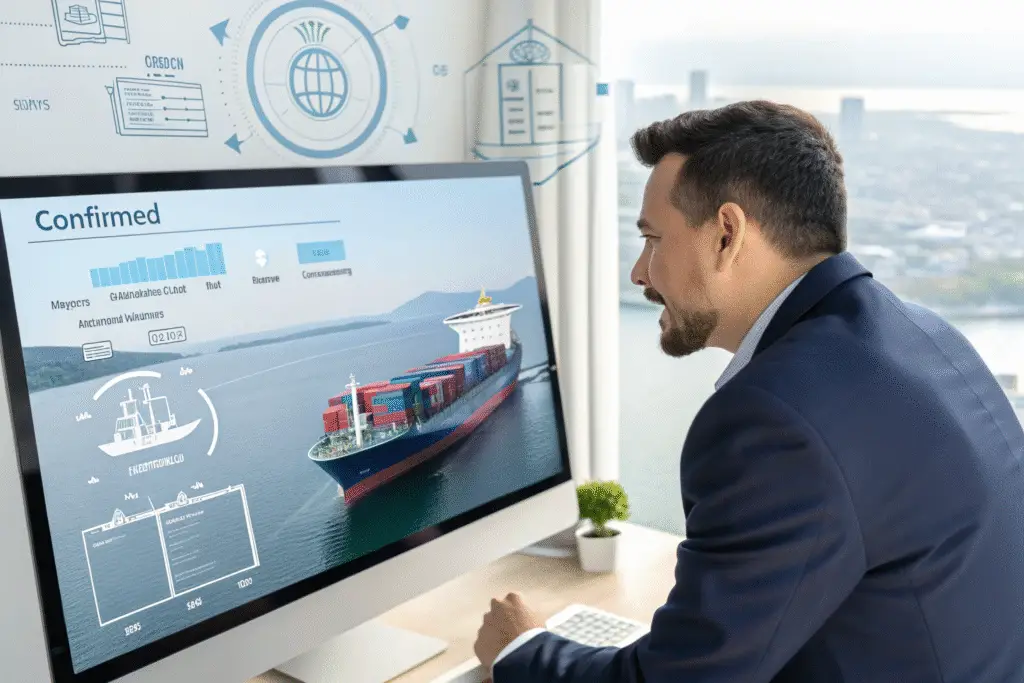
Compliance is a major pain point. Incorrectly classified goods can lead to hefty fines, seized shipments, and costly delays that make you miss your selling season. AI-powered tools are now automating and simplifying this complex process, ensuring your goods clear customs smoothly.
AI systems are trained on vast databases of harmonized system (HS) codes and their legal interpretations. When you input a product description—like "men's knitted cotton polo shirt"—the AI can instantly suggest the most accurate HS code. This reduces human error and disputes with customs brokers. Furthermore, these systems stay updated with the latest regulation changes. This ensures your classifications are always current, avoiding surprises at the port. For an apparel brand, this means your shipment of custom logo t-shirts or a new line of women's woven blouses gets through customs faster, getting you to market on time.
How Does AI Ensure Accurate HS Code Classification?
Manual HS code classification is prone to error. AI uses natural language processing to understand product descriptions and technical specifications. It compares your item against thousands of previously classified products and official rulings. The system can also identify ambiguous descriptions and ask for clarifying details, much like an expert consultant. This significantly reduces the risk of misclassification. Using the correct HS code is the first step in determining the correct duty rate and ensuring compliance with specific import regulations, which is a cornerstone of reliable apparel manufacturing partnerships.
What Role Does AI Play in Managing Rules of Origin?
Rules of origin are critical for claiming preferential tariff rates under agreements like USMCA. Proving your product's economic nationality involves tracking the source of all components, from fabric to buttons. AI can integrate with your supply chain data to automatically track the value and origin of every material. It can then instantly determine if your product qualifies for a beneficial duty rate. This automation saves countless hours of manual calculation and provides the audit-ready documentation you need to confidently claim savings at customs, a key benefit of a full-package garment production service.
How Does AI Optimize Logistics and Shipping Routes for Cost Savings?
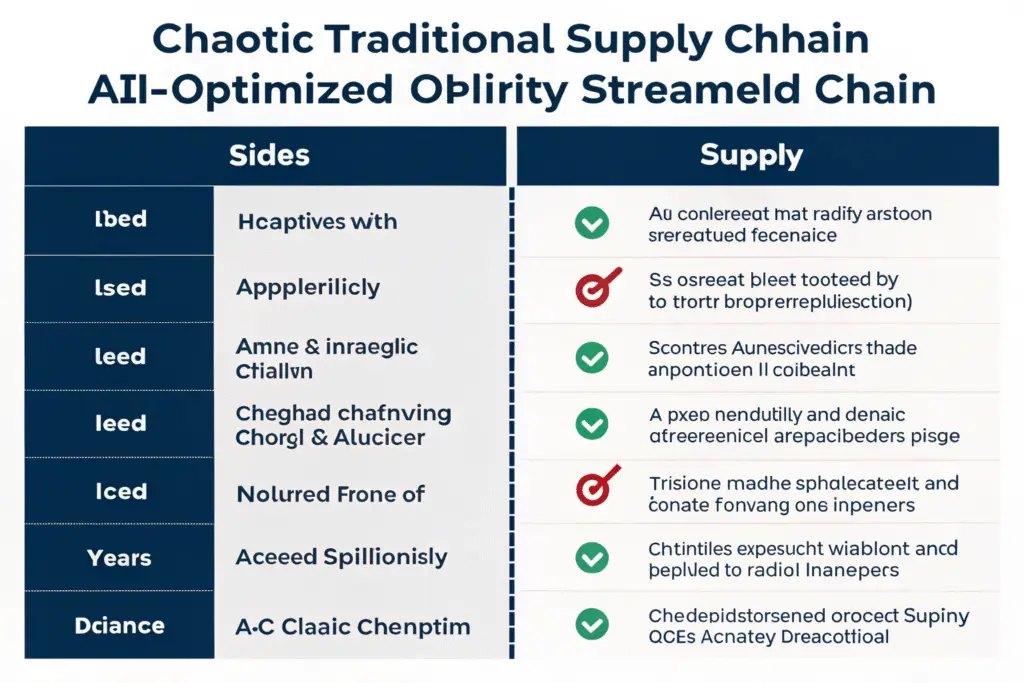
Tariffs are just one part of the landed cost. Shipping delays and unpredictable logistics expenses can be just as damaging. AI-predictive modeling now extends to the entire logistics chain, finding the most efficient and cost-effective paths for your goods.
AI algorithms analyze global shipping data, port congestion reports, weather patterns, and fuel prices. They can simulate thousands of possible shipping routes and methods (air vs. sea). The goal is to find the optimal balance between speed and cost. For instance, the AI might find that shipping your activewear collection via a specific port with less congestion, even if it's slightly farther, will actually result in faster delivery and lower costs. This end-to-end visibility is crucial for making informed decisions and guaranteeing reliable delivery to your customers.
How Can AI Mitigate Risks of Shipping Delays?
Delay risks are a major concern. AI models predict potential disruptions by analyzing real-time data. They monitor weather events, labor strikes, and even geopolitical tensions that could impact shipping lanes. If the system predicts a potential delay on your usual route, it can proactively recommend alternatives. This allows you and your supplier to reroute shipments before they are stuck. This proactive approach is fundamental to avoiding missed selling seasons and is a hallmark of a partner committed to on-time delivery.
Can AI Help Compare Total Landed Costs Accurately?
Yes, absolutely. AI-powered platforms provide a holistic view of the total landed cost. They calculate not just the product cost and tariffs, but also shipping, insurance, handling, and other fees. You can input different variables—like a different shipping method or a port of entry—and instantly see the impact on the final cost. This allows for true apples-to-apples comparisons between different suppliers and logistics strategies. This level of detailed cost analysis is essential for buyers who are sensitive to both quality and competitive pricing, ensuring there are no hidden surprises.
What Are the Benefits of AI-Driven Supply Chain Visibility?
The ultimate goal of AI in tariff modeling and logistics is to create full supply chain visibility. This means having a clear, real-time view of every step, from the sourcing of fabric to the delivery of the finished garments to your warehouse.
This visibility transforms your operations from reactive to proactive. You are no longer waiting for problems to happen. You can see them coming and take action. This builds resilience and reliability into your business model. For a company owner, this means less stress, more control, and the ability to make strategic decisions with confidence. It turns your supply chain into a competitive advantage.
How Does Real-Time Tracking Enhance Decision-Making?
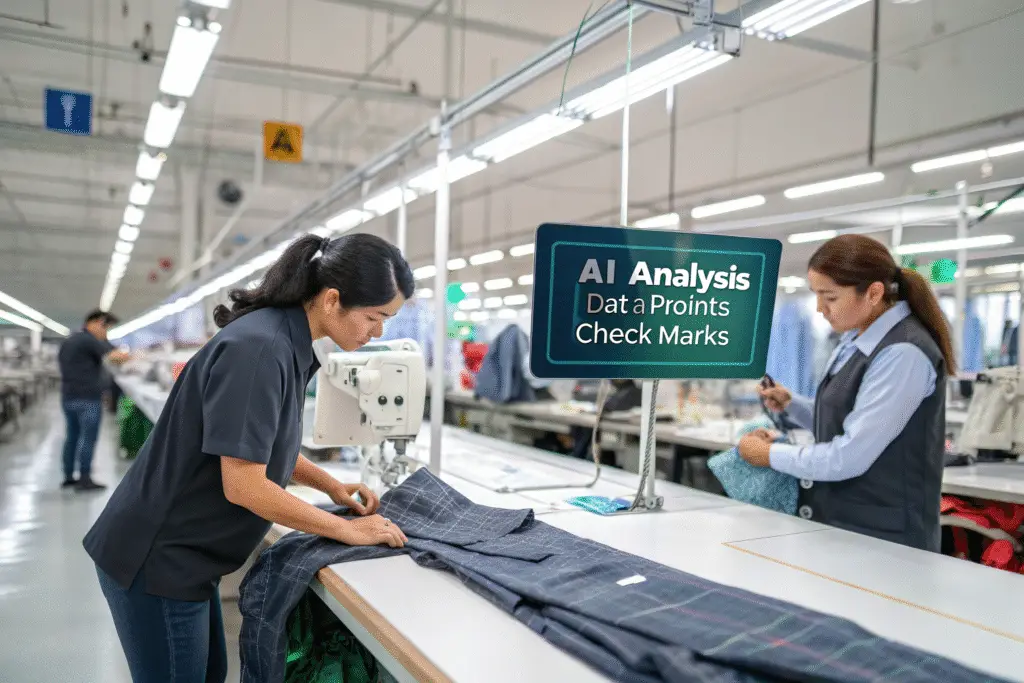
Real-time tracking provides a live dashboard of your order's status. You can see when raw materials arrive at the factory, when production is completed, when goods are loaded onto a ship, and the ship's current location. This transparency eliminates inefficient communication and constant follow-ups. If a delay occurs, you know immediately and can understand the cause. This allows you to adjust your marketing plans or inventory management accordingly. This level of clarity is what separates modern, reliable manufacturing partners from traditional ones.
Can AI Improve Communication and Trust with Suppliers?
Inefficient communication is a common pain point. AI-powered platforms often include centralized communication hubs. All correspondence, documents, and updates are logged in one place. This creates a single source of truth for both you and your supplier. It reduces misunderstandings and ensures everyone is aligned. This transparency builds long-term trust. It shows that your supplier, like us at Fumao Clothing, is committed to a partnership based on honesty and shared success, directly addressing the pain point of unreliable suppliers.
Conclusion
The innovations in AI-predictive tariff modeling are revolutionizing how savvy American apparel brands manage their global sourcing. From forecasting future costs and ensuring compliance to optimizing logistics and providing full supply chain visibility, AI is a powerful tool for mitigating risk, protecting margins, and ensuring timely market delivery. In an industry where seasons and trends move quickly, this technological edge is no longer optional; it's essential for staying competitive.
Partnering with a manufacturer who understands and leverages these technologies is crucial. At Fumao Clothing, we are committed to integrating these advanced practices to ensure a seamless, predictable, and profitable experience for our partners. If you are looking for a reliable, high-value manufacturing extension for your brand, let's discuss how we can bring your apparel visions to market successfully. For a detailed discussion on your next order, please contact our Business Director, Elaine, at elaine@fumaoclothing.com.