The concept of space tourism is rapidly shifting from science fiction to a tangible market. With companies like SpaceX and Blue Origin making strides, a new cohort of consumers is emerging: space tourists. These individuals will require specialized apparel that functions flawlessly in microgravity. For apparel brands and buyers like Ron, this represents an unprecedented opportunity. But how do you source garments for an environment that defies conventional fashion rules? The challenges are immense, from material science to safety certifications. Sourcing for this niche requires a manufacturing partner that understands both advanced technical requirements and the realities of commercial production.
The key to sourcing zero-g tailoring lies in partnering with an apparel manufacturer that has a proven track record in technical garment production, rigorous quality control, and the adaptability to innovate. It's not just about finding a factory; it's about finding a collaborative partner capable of navigating the uncharted territory of spacewear. This involves a deep understanding of advanced materials, stringent safety protocols, and logistics capable of handling high-value, low-volume shipments. For a savvy business owner, getting ahead in this market means securing a supply chain that is as forward-thinking as the product itself.
Let's explore the critical factors you need to consider to successfully source apparel for the final frontier.
What Are the Key Material Requirements for Zero-G Apparel?
Creating clothing for space tourism is fundamentally different from Earth-bound fashion. The primary considerations are safety, comfort, and functionality in a microgravity environment. Traditional fabrics and construction methods are inadequate. The sourcing process must begin with a clear understanding of these unique material demands. For a buyer, ensuring your manufacturer has access to and experience with these advanced textiles is the first step toward a successful product.
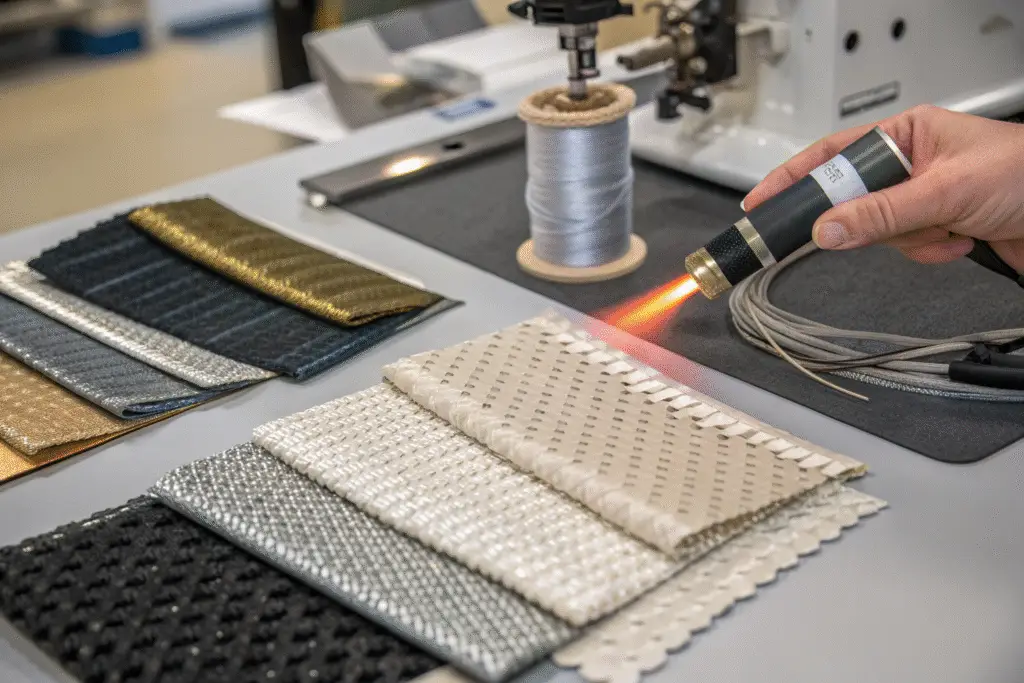
The core material requirements revolve around flame resistance, durability, and static control. Fabrics must meet strict flame-retardant standards to protect tourists in the oxygen-rich cabin environment. They also need to be highly durable to withstand the rigors of launch and re-entry, yet lightweight and flexible for comfort. Furthermore, controlling static electricity is critical to prevent damage to sensitive onboard electronics. A manufacturer's ability to source certified, space-grade materials is non-negotiable.
How Do You Ensure Fabric Safety and Certification?
The most critical aspect of space tourist apparel is safety certification. You cannot compromise on this. Every material used must have verifiable certifications proving its suitability for aerospace environments. This goes beyond standard textile certifications. You need fabrics that comply with standards like NASA's STD-6001 or equivalent commercial spaceflight safety regulations. When we work with clients on technical projects, our first step is always a thorough vetting of material suppliers and their certification documents. We insist on a comprehensive quality control process that begins at the raw material stage. This involves third-party testing for flame spread, off-gassing, and toxicity. It's not enough for a supplier to claim their fabric is safe; you need the paperwork to prove it. For a buyer, establishing a clear and auditable trail of certifications protects your brand from immense liability. Partnering with a factory that understands these critical compliance requirements is essential. They should have established relationships with reputable mills that specialize in aerospace-grade materials.
What Functional Features Are Essential in Zero-G?
Functionality in microgravity is about more than just pockets. The design must account for the absence of "up" and "down." Clothing needs to stay in place without relying on gravity. This means integrating innovative closures like magnetic seals instead of zippers that can float open. Garments should allow for a full range of motion for moving in confined spaces. Another key feature is temperature regulation. The internal environment of a spacecraft is carefully controlled, but tourists may still experience temperature fluctuations. Using advanced moisture-wicking and breathable materials helps maintain comfort. Furthermore, consider the psychological aspect. The apparel should instill confidence and a sense of adventure. This is where customizable branding becomes powerful. Allowing tourists to have their name or mission patch elegantly incorporated into the garment enhances the exclusive experience. The manufacturer you choose must have a design team capable of translating these complex functional needs into practical, producible garments.
How to Vet a Manufacturer for Technical Garment Production?
Sourcing zero-g apparel requires a manufacturer with a specific skill set beyond basic sewing. You need a partner with proven experience in technical wear, activewear, or outdoor gear—categories that share similarities with spacewear in terms of performance demands. Vetting a potential supplier thoroughly is the most important step you can take to avoid the common pain points of delayed shipments and quality issues.
The vetting process should be multi-layered. It involves evaluating their production capabilities, quality management systems, and communication protocols. Don't just look at their marketing materials; ask for evidence. A reliable manufacturer will be transparent and willing to provide the information you need. For a business owner like Ron, whose profit depends on reliable quality and timing, this due diligence is an investment that pays off by preventing costly mistakes down the line.
What Factory Audits and Certifications Matter?
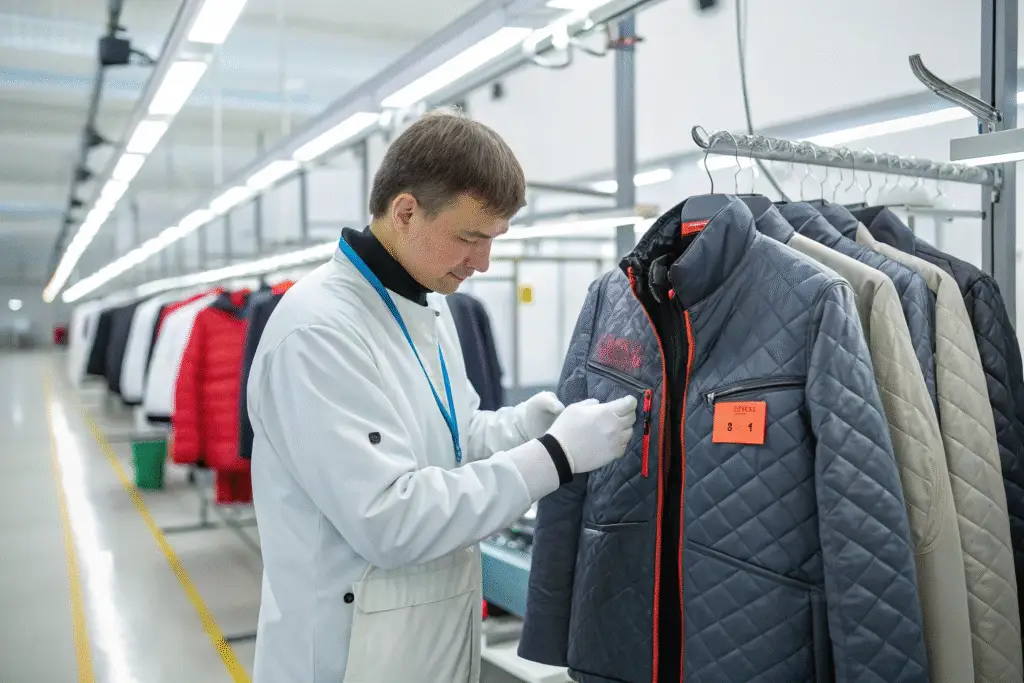
When evaluating a manufacturer, their certifications provide a baseline of their operational standards. For technical production, look for audits that verify social compliance (like BSCI) and quality management systems (like ISO 9001). However, for spacewear, you must dig deeper. Ask if the factory has experience producing garments that require similar stringent testing protocols. Do they have in-house testing equipment for fabric strength, colorfastness, and seam integrity? Can they provide reports? We open our doors to virtual or in-person audits because we believe in transparency. You should be able to see their production lines and understand their workflow. A key question to ask is about their experience with low-volume, high-complexity orders. Mass-producing t-shirts is very different from the precision required for technical garments. The right partner will have a dedicated team for sampling and small-batch production, ensuring each piece meets exact specifications before full-scale manufacturing begins.
How Can You Improve Communication and Prevent Delays?
Inefficient communication is a major pain point for buyers like Ron. To avoid this, establish clear communication channels from the start. Who is your single point of contact? Is it a sales rep or a dedicated project manager with technical knowledge? At our factory, we assign a Project Manager who speaks fluent English and understands the technical aspects of your order. This eliminates the game of "telephone" where details are lost between the sales team and the production floor. We also advocate for a clear project timeline with defined milestones for sampling, production, and shipping. This timeline should be shared and agreed upon by both parties. Regular update meetings, via video call, are essential. This proactive approach prevents surprises and ensures that if a delay does occur, you are notified immediately, not after the fact. For efficient logistics, discuss the shipping method early. For high-value items like spacewear, air freight is often preferable to sea freight to ensure faster, more secure delivery, minimizing the risk of missing a critical selling season.
What Does the End-to-End Production Process Look Like?
Understanding the journey from a design concept to a finished garment in your hands is crucial for setting realistic expectations. A transparent and well-managed production process is your best defense against delays and quality issues. A full-package manufacturer should guide you through each stage, providing updates and seeking approvals at critical junctures.
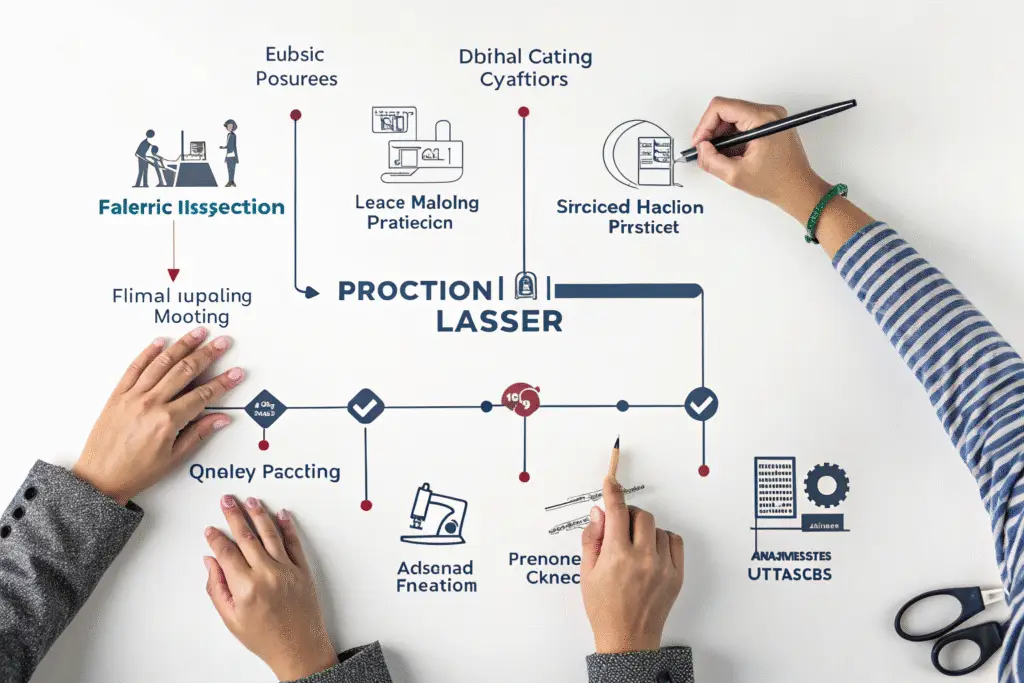
The process typically involves several key phases: prototyping and sampling, material sourcing and testing, production planning, cutting, sewing, quality control, and final shipment. Each stage has its own timeline and quality checks. A professional manufacturer will have a systemized approach to manage this workflow efficiently, ensuring that your vision is accurately translated into a high-quality product.
How Important is the Prototyping and Sampling Phase?
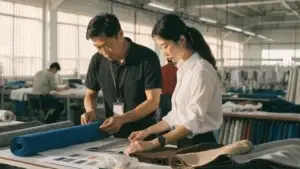
The sampling phase is the most critical part of the process for a innovative product like spacewear. It is your opportunity to test the fit, function, and aesthetics of the garment before investing in full production. A professional manufacturer will create a proto sample based on your tech pack and then a pre-production sample (PP sample) once the actual fabrics are sourced. We never proceed to bulk production without your signed approval on the PP sample. This sample serves as the quality benchmark for the entire order. During this phase, we work closely with you to make adjustments. Is the range of motion sufficient? Do the closures function as intended? This collaborative product development stage is where a good manufacturer becomes a great partner. It's also the time to conduct any necessary third-party safety certification tests on the final garment, not just the fabric. Rushing this phase almost always leads to problems later.
What Happens During Bulk Production and QC?
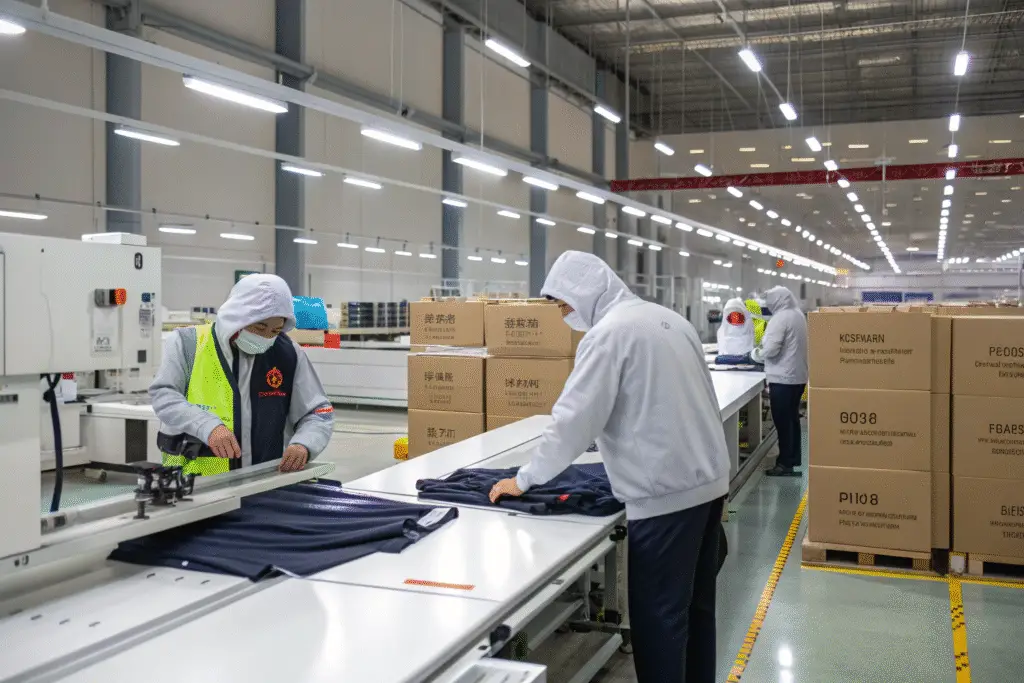
| Once the sample is approved, bulk production begins. This starts with fabric spreading and cutting. For technical fabrics, this requires precision equipment to ensure clean cuts that don't fray. Then, the cut pieces move to the sewing lines. Each operator is specialized in a specific task, ensuring high efficiency and quality. Throughout the sewing process, line supervisors conduct in-line inspections to catch any issues early. After sewing, each garment undergoes a thorough final inspection. This is a rigorous process where garments are checked against the approved sample for: | Checkpoint | Description |
|---|---|---|
| Workmanship | Stitching consistency, seam strength, and overall construction. | |
| Dimensions | Measurements are verified against the spec sheet. | |
| Functionality | All zippers, buttons, and other features are tested. | |
| Aesthetics | Fabric color, print quality, and overall appearance are approved. |
Only after passing this final quality assurance check are the garments packaged for shipping. We then handle all export documentation and logistics coordination, offering services like DDP (Delivered Duty Paid) to simplify the process for our US clients.
How to Manage Logistics and Payment for Spacewear Orders?
The final hurdle in the sourcing journey is getting your high-value, innovative products from the factory floor to your doorstep safely and efficiently. For a niche product like spacewear, standard logistics solutions may not be sufficient. Similarly, establishing secure and fair payment terms builds trust and ensures a smooth partnership.
Managing these aspects effectively requires a manufacturer that is not just a producer but a reliable logistics partner. They should have experience shipping to your market and be transparent about costs and timelines. For a buyer, clear agreements on shipping and payment are the foundation of a stress-free sourcing experience.
What Are the Best Shipping Methods for High-Value Apparel?
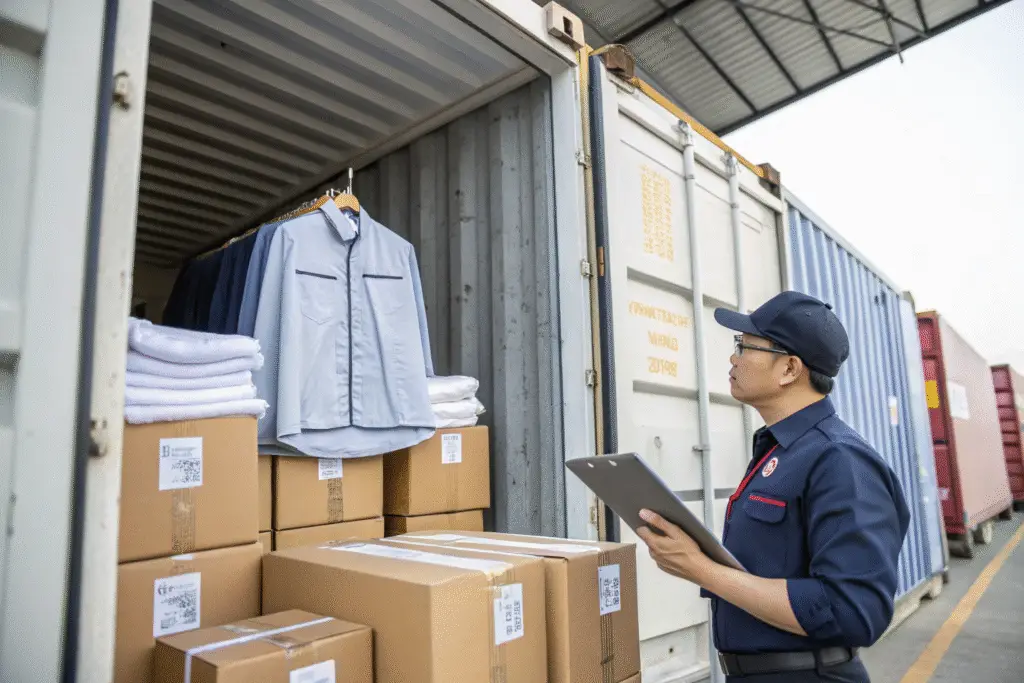
For low-volume, high-value orders like initial runs of spacewear, air freight is often the best choice. It is faster and generally more secure than sea freight, reducing the risk of delays and damage. While more expensive per kilogram, the cost may be justified when considering the value of the goods and the importance of timely delivery for hitting market windows. We discuss these options with our clients upfront. We also strongly recommend comprehensive insurance for the entire shipment value. For US clients, we offer DDP shipping. This means we handle all costs and paperwork, including export clearance, international freight, and import duties and taxes. The price you're quoted is the price you pay, and the goods are delivered directly to your specified address. This DDP mode provides total cost clarity and simplifies the process for you, allowing you to focus on sales and marketing instead of complex international logistics.
How to Structure Secure International Payment Terms?
Balancing risk between buyer and supplier is key. Common and secure payment terms for established relationships often involve a deposit followed by a balance payment. A typical structure might be a 30% deposit with the purchase order, 40% before shipment, and the remaining 30% against a copy of the shipping documents. This structure protects both parties. The deposit allows the factory to purchase raw materials without carrying the full cost. The balance payments are tied to production milestones, giving you leverage to ensure quality and on-time delivery. We are flexible and open to discussing terms that build mutual trust. For new clients, we may suggest starting with a smaller trial order to demonstrate our reliability before moving to larger volumes. The goal is to establish a long-term partnership where financial transactions are smooth and predictable.
Conclusion
Sourcing apparel for space tourists is a complex but highly rewarding endeavor. It demands a manufacturing partner that combines technical expertise with rigorous quality control, transparent communication, and reliable logistics. The journey from concept to delivery involves careful attention to material science, meticulous factory vetting, a structured production process, and secure shipping and payment arrangements. By focusing on these key areas, brands and buyers can confidently enter this emerging market.
The potential of the space tourism apparel niche is vast. Early movers who establish a robust and innovative supply chain will have a significant advantage. This requires a partner who is not just a supplier, but an extension of your team, capable of turning visionary ideas into market-ready products. If you are looking to develop a line of high-performance, safe, and stylish apparel for the next generation of explorers, we have the experience and the passion to make it a success. Let's discuss how we can bring your vision to life. For a direct conversation about your specific needs, please contact our Business Director, Elaine, at elaine@fumaoclothing.com. We look forward to partnering with you on this exciting frontier.