For American apparel brand owners like Ron, sourcing from China is a proven strategy for growth. But it's not without its challenges. The promise of competitive pricing and high-quality manufacturing can sometimes be overshadowed by communication breakdowns and logistical delays. So, what separates a successful sourcing partnership from a problematic one? The answer lies in moving beyond just finding a supplier to building a true, strategic alliance. This article will break down the essential factors that ensure your next apparel order from China is a resounding success, from initial communication to final delivery.
The key to successful apparel sourcing from China hinges on a strategic partnership built on clear communication, rigorous quality control, transparent logistics, and verifiable ethical standards. It's about finding a manufacturer who acts as an extension of your team, proactively solving problems rather than simply following orders. By focusing on these core pillars, U.S. brands can reliably access the immense manufacturing capabilities of China while mitigating the common risks associated with overseas production.
Let's explore the specific strategies that can transform your sourcing experience from a source of stress into a competitive advantage.
How to Ensure Effective Communication with Your Chinese Garment Supplier?
Inefficient communication is a top complaint for buyers. The time difference, language barrier, and cultural nuances can create significant hurdles. However, with a proactive approach, these challenges can be effectively managed. The goal is to establish a clear, reliable, and responsive communication channel from day one.

What is the best way to structure communication with a factory?
The foundation of good communication is structure. We recommend establishing a Single Point of Contact (SPOC) on both sides. For you, the buyer, this might be you or your head of production. On our side at Fumao Clothing, it's a dedicated project manager like our Business Director, Elaine. This eliminates the confusion of communicating with multiple sales reps. Secondly, agree on a primary communication tool. While we are fluent on platforms like Alibaba TradeManager, we find that for complex projects, email for official documentation and WeChat for quick, daily updates create an efficient workflow. Setting a regular weekly video call to review progress, using tools like Zoom or Microsoft Teams, can preempt issues before they escalate. This structured approach ensures nothing gets lost in translation.
How can technology bridge the communication gap?
Leveraging technology is non-negotiable for modern sourcing. Beyond communication apps, we use cloud-based Product Lifecycle Management (PLM) systems. These platforms allow you to see tech packs, sample comments, and production schedules in real-time, creating a single source of truth for the entire order. This transparency means you are never in the dark. You can track each stage of development, from fabric sourcing to final inspection reports. This technological integration moves the relationship from a traditional buyer-supplier dynamic to a collaborative partnership, directly addressing the pain point of inefficiency.
Why is a Robust Quality Control Process Non-Negotiable?
Quality sensitivity is a key buying preference. A low price means nothing if the product fails to meet your brand's standards. A robust QC process is your insurance policy against costly mistakes and brand damage. It should be clearly defined and agreed upon before production even begins.
What are the critical stages of quality control?
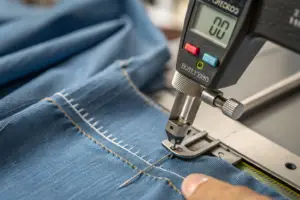
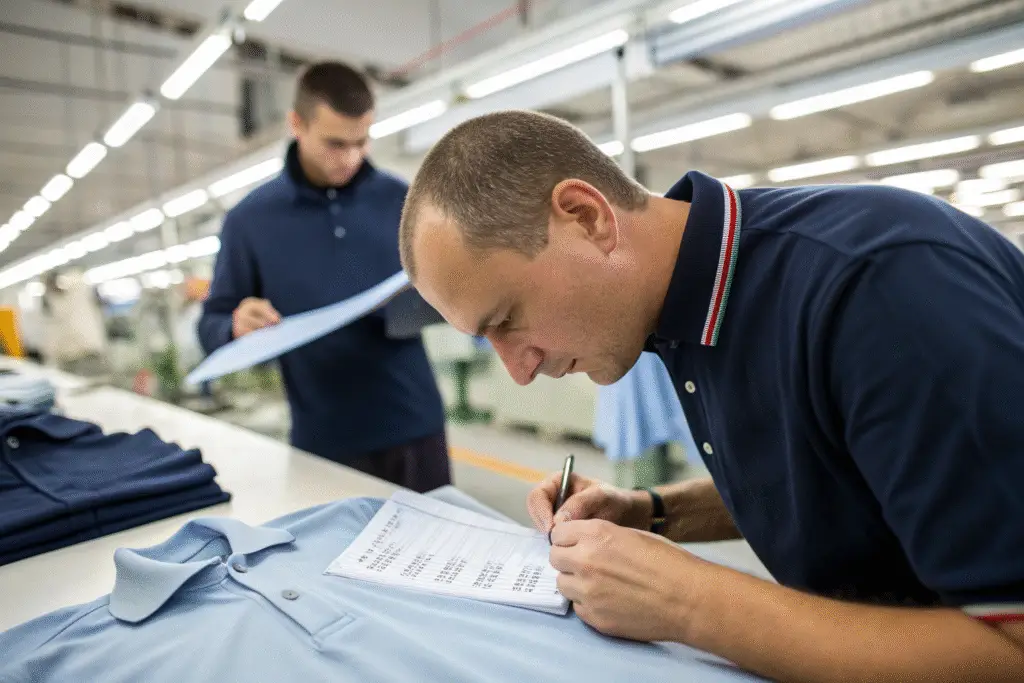
Quality control is not a single event at the end of production; it's a continuous process. The first critical stage is Initial Production Check (IPC). This happens after 10-15% of the order is completed. We inspect the raw materials, stitching, and early construction. Catching an issue here allows for corrections with minimal cost and delay. The second vital stage is the During Production Check (DPC), which monitors the ongoing run. Finally, the Pre-Shipment Inspection (PSI) is the comprehensive final audit. For complete peace of mind, you can hire a third-party inspection company like SGS or Bureau Veritas to perform the PSI, providing an unbiased report before goods are shipped.
How do you define and measure quality standards?
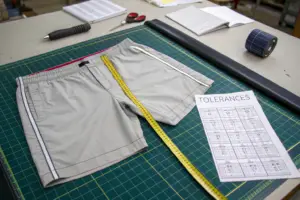
Clarity is power. The best way to ensure quality is to provide a detailed tech pack with clear tolerance levels for measurements. But we go further. We recommend creating a Quality Assurance (QA) Manual specific to your order. This document includes approved reference samples (for fabric, color, and workmanship) and defect classification lists (defining what constitutes a minor, major, or critical defect). This objective standard eliminates subjective disagreements about quality. It turns quality control from an argument into a simple yes/no checklist against a mutually agreed benchmark.
Delayed shipments that cause you to miss selling seasons are a nightmare. Reliable delivery is paramount. Understanding and planning the logistics chain is crucial. The goal is a predictable and transparent journey for your goods from our factory floor to your U.S. warehouse.
What are the key Incoterms and shipping options for US imports?
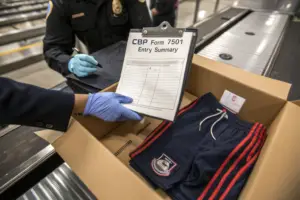
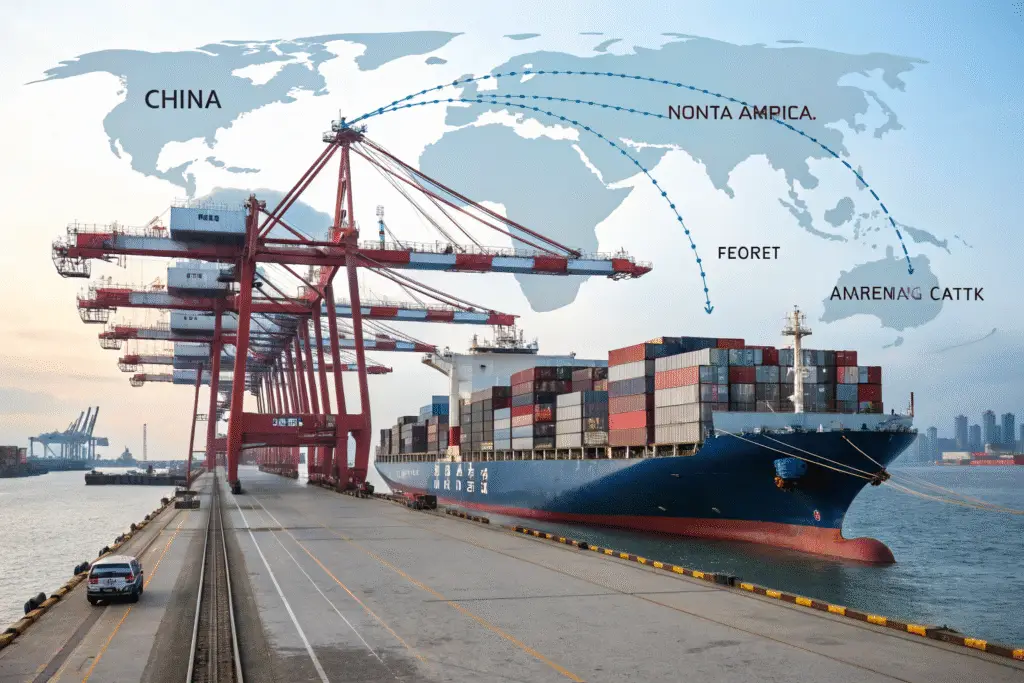
Choosing the right Incoterms is the first step. For buyers who want a hassle-free experience, we strongly recommend DDP (Delivered Duty Paid). With DDP, we handle everything: export clearance, ocean/air freight, insurance, and most importantly, U.S. customs clearance and duties. You receive a single all-inclusive price, and the goods are delivered to your door. This eliminates surprises and complex paperwork on your end. For shipping modes, Full Container Load (FCL) is cost-effective for large orders, while Less than Container Load (LCL) is suitable for smaller shipments. Air freight is faster but more expensive, ideal for time-sensitive samples or small, high-value collections.
How can you proactively prevent shipping delays?
Proactivity is key. We maintain a buffer in our production timeline to account for unforeseen issues. We also book shipping space in advance based on the production schedule. A critical tool we use is providing real-time tracking and visibility. Once shipped, you receive the Bill of Lading and container number, allowing you to track the vessel's progress across the Pacific. Working with a manufacturer that has strong relationships with freight forwarders ensures priority handling and better rates. This proactive logistics management is a core part of our service, directly addressing the pain point of delayed shipments.
How to Verify Supplier Credentials and Ensure Ethical Compliance?
The fear of suppliers falsifying certificates is a serious concern. Partnering with a manufacturer who values transparency and ethical production is not just about risk mitigation; it's about protecting your brand's reputation. Verifying credentials should be a standard part of your due diligence.
Which certifications should a reliable garment factory hold?
Certifications are independent validations of a factory's capabilities and standards. Key certifications to look for include the ISO 9001 for quality management systems, which demonstrates a structured approach to consistent quality. For social compliance, BSCI (Business Social Compliance Initiative) or SMETA (Sedex Members Ethical Trade Audit) reports are widely recognized benchmarks for ethical labor practices. For specific markets, OEKO-TEX Standard 100 certification ensures textiles are free from harmful substances. We encourage potential partners to verify these certificates directly through the issuing organizations' websites, ensuring they are current and valid.
What due diligence can you perform beyond certificates?
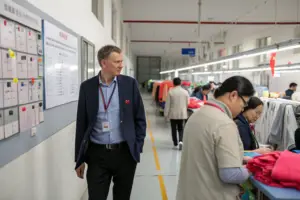
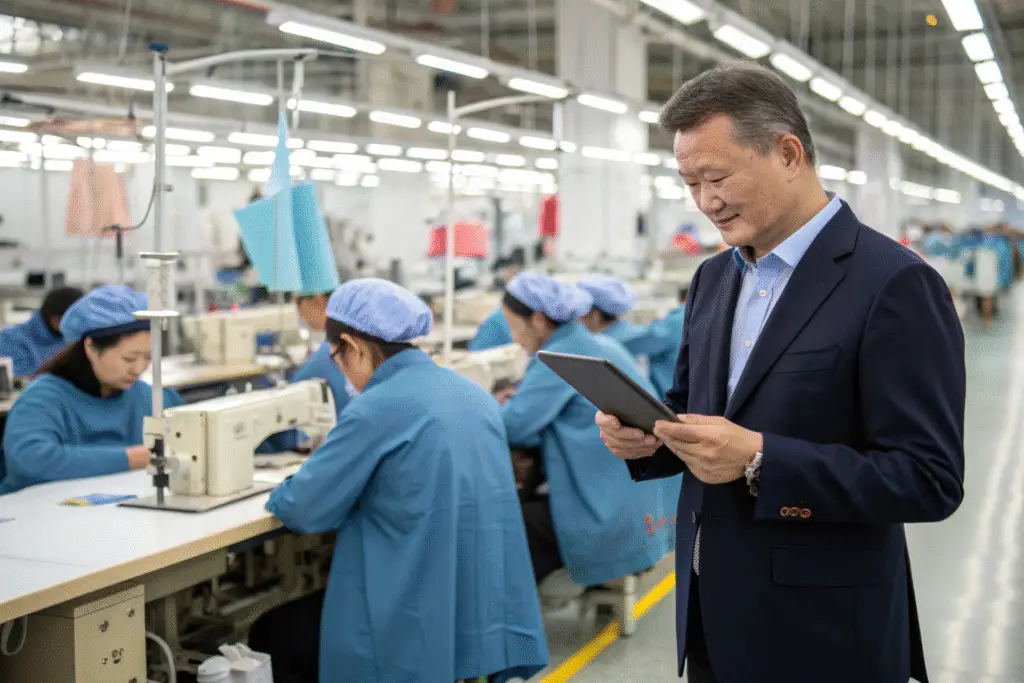
Go beyond the paperwork. The simplest yet most effective step is to request a virtual factory tour via video call. This allows you to see the facilities, production lines, and working conditions in real-time. Ask for references from existing U.S. clients and actually contact them. Inquire about their experience with communication, quality, and reliability. Check the supplier's online presence across Alibaba, LinkedIn, and their own website. A consistent, professional, and active presence across these platforms is a good indicator of a legitimate and established business. This multi-layered verification process builds trust and ensures you are partnering with a reputable manufacturer.
Conclusion
Successful apparel sourcing from China is a deliberate strategy, not a gamble. It requires a partner who prioritizes clear communication, embeds quality control into every step, masters logistics, and operates with full transparency. By focusing on these four pillars—communication, quality, logistics, and compliance—you can leverage China's manufacturing power to build a stronger, more profitable brand.
The complexities of overseas production are real, but they are manageable with the right factory partner. At Fumao Clothing, we are built to be that partner for ambitious U.S. brands. We understand the pressures you face and have structured our services to provide the reliability and quality you need. If you are looking for a manufacturing extension of your team that delivers on its promises, let's start a conversation. Contact our Business Director, Elaine, at elaine@fumaoclothing.com to discuss how we can bring your next apparel collection to market successfully.